REVIEW · HONG KONG SAR
Introduction to Hong Kong: Central Tip Based Walking Tour
Book on Viator →Operated by Hong Kong Free Tours · Bookable on Viator
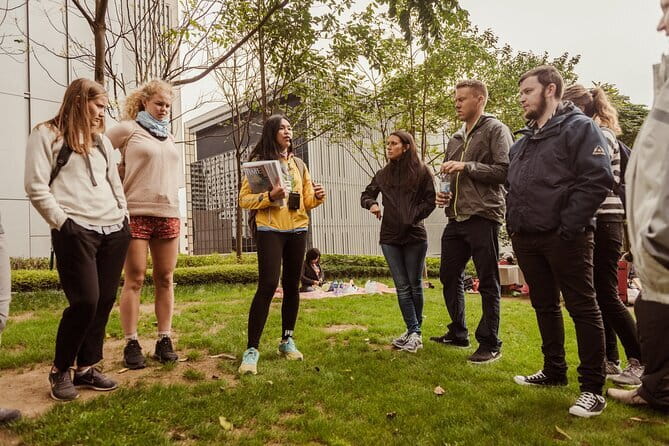
Central turns into a storybook fast. I loved how this 2-hour walk ties politics, architecture, and street life into one clear thread, and I also liked meeting the city through local details at spots like the Court of Final Appeal and Man Mo Temple. Guide storytelling (including family memories) is a big part of the value, and the route hits major landmarks without feeling rushed. One heads-up: it’s a walking tour, so you’ll want solid shoes and decent weather, since the experience depends on good conditions.
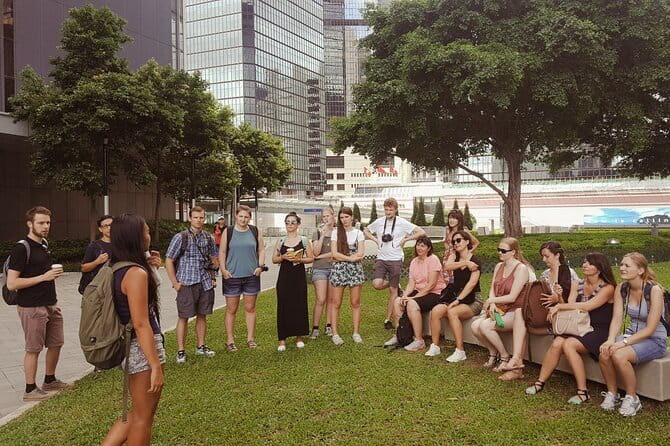
This is exactly the kind of Hong Kong overview that feels practical, not just scenic. With a maximum group size of 30 and a smooth flow from Central to Sheung Wan, you get enough context to understand what you’re seeing. If you’re in Hong Kong for the first time and want meaning behind the skyline, this is a smart use of time; if you only want museums or indoor stops, you might prefer a different style of tour.
In This Review
- Key highlights you’ll actually feel
- Central’s skyline lessons in 2 hours
- Court of Final Appeal: where legal systems meet
- Statue Square: HSBC vs the Bank of China, told with feng shui
- HSBC Main Building: lions, currency stability, and a reclaimed shoreline
- St. John’s Cathedral: the British start and the 1997 handover story
- Queen’s Road Central: rent pressure and subdivided living
- Central–Mid-Levels Escalators: engineering that solves the hill problem
- Wellington Street: food identity at street level
- Man Mo Temple: the incense ritual you can join
- Price and what $2.63 actually buys you
- When this tour fits best (and when it doesn’t)
- Should you book this Central tip-based walking tour?
- FAQ
- How long is the Central tip-based walking tour?
- How much does the tour cost?
- Where does the tour start and end?
- Do I get a ticket for the tour?
- What’s included in the price?
- Is food or beverage tasting included?
- How large is the group?
- What if the weather is bad or I need to cancel?
- Are service animals allowed?
Key highlights you’ll actually feel
- One Country, Two Systems explained through real buildings you can point at, not vague history lectures
- Bank rivalry with feng shui details, told at Statue Square (HSBC vs Bank of China)
- A hands-on temple moment at Man Mo Temple, including incense offering rituals
- Practical city engineering at the Central–Mid-Levels Escalators: how they work with the hill problem
- Local food street pointers at Wellington Street, even though tasting is not included
- Strong guide energy reflected in past experiences with guides like Andy and Stephen
Central’s skyline lessons in 2 hours
Central looks like finance on repeat—until your guide starts linking it to ordinary life. This tour is built around the idea that Hong Kong is always changing, but the clues are still visible in law courts, church stonework, bank facades, and even incense coils.
The biggest reason I like this format is how direct it is. You’re walking, you’re standing in the right places, and the explanation lands right where the story happened.
It runs about 2 hours, starts at 11:00 am, and ends near Man Mo Temple in Sheung Wan. You’ll get a mobile ticket, and you’ll be with a small-ish group (up to 30 people). For a city like Hong Kong, that group size matters: you want questions answered without feeling like cattle.
You can also read our reviews of more walking tours in Hong Kong SAR

Court of Final Appeal: where legal systems meet
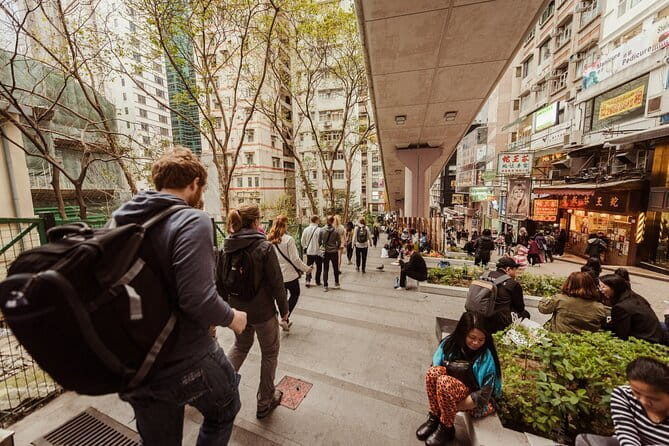
The tour starts with the Court of Final Appeal, and it’s a smart opener. You get the key concept of One Country, Two Systems right where it’s expressed in law and practice, with an explanation of how British common law and Chinese continental law interact.
This isn’t presented as abstract politics. It’s tied to how rules shape daily life—who settles disputes, how interpretations are handled, and why the city’s legal identity still matters. Standing there, it becomes easier to understand why Hong Kong’s institutions feel both familiar and different at the same time.
Practical note: it’s a short stop, about 10 minutes, so keep your questions simple and sharp. If you’re the type who likes details, you can usually ask after the explanation while the group is still forming.
Statue Square: HSBC vs the Bank of China, told with feng shui
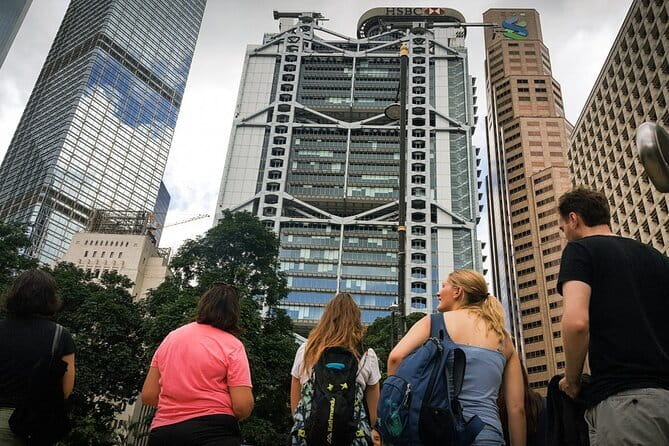
Statue Square is where architecture becomes negotiation. You’ll hear the story behind the HSBC and the Bank of China buildings and how the design is framed as a kind of feng shui battle for financial dominance.
I like this stop because it treats symbolism like something you can read. You’re not just admiring old stone or new towers—you’re learning the local language of power: placement, angles, and the way people interpret meaning in built form.
This is also a nice reality check. Hong Kong’s “modern future” doesn’t wipe out the past; it layers over it, and the city keeps score in public spaces.
HSBC Main Building: lions, currency stability, and a reclaimed shoreline
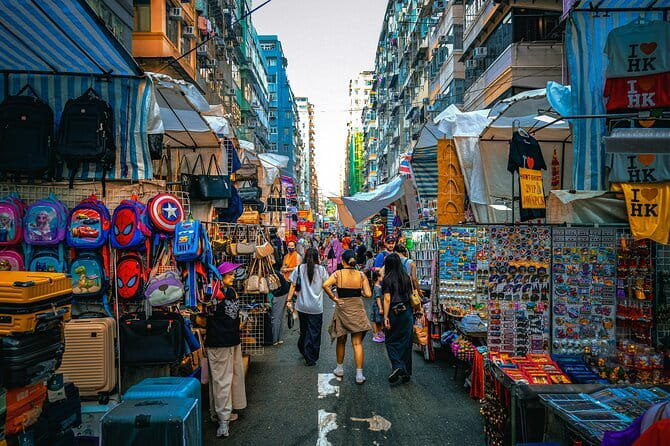
At the HSBC Main Building, you’ll focus on stability and money—plus the physical geography of Hong Kong. The tour points out the iconic guardian lions, then connects the bank’s role to the currency peg and the city’s coastline changing since 1842.
That last part matters more than it sounds. Hong Kong’s map isn’t static; development has literally expanded where land exists. When you understand that, you stop seeing Central as just a skyline and start seeing it as a constantly reworked platform.
Also, the stop is about 10 minutes, so you’ll get the essentials without a lecture that drains your energy before the next leg.
St. John’s Cathedral: the British start and the 1997 handover story
St. John’s Cathedral is where the tour shifts from finance to origin. You’ll hear the story of Hong Kong’s British-era beginning—British possession in 1842—and the end point that everyone knows: 1997.
What makes this stop feel different is the personal tone. Your guide shares their own Hong Kong story, so the timeline becomes something lived rather than memorized. In past tours, guides like Andy and Stephen have been praised for this kind of clarity and patience, and it shows up here in how they connect big historical events to real human perspective.
This is a good stop to listen for what you don’t expect. The cathedral isn’t just a pretty landmark; it’s a clue to why British systems took root and how they still echo today.
Queen’s Road Central: rent pressure and subdivided living

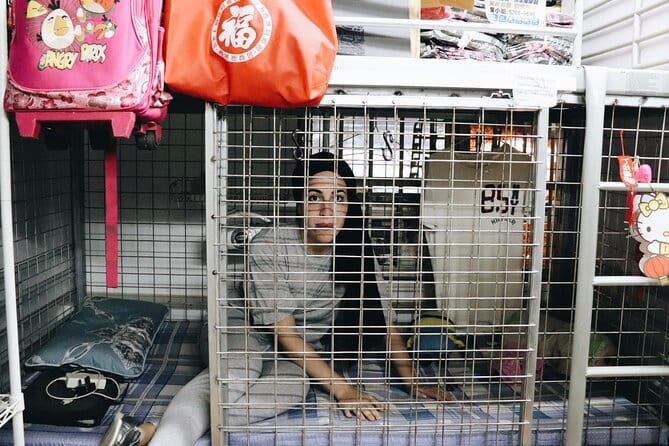
Queen’s Road Central moves the story into economics you can see on the street. The tour explains how Hong Kong’s extreme rental economy shaped the urban layout, including the reality of subdivided living units.
This is one of those moments where the city’s architecture becomes moral and practical. When space is expensive, the way people live changes—and the street-level view becomes part of the same story as government and banks.
A quick consideration: if you prefer purely cheerful stories, this stop may feel heavy. But it also gives context for what you might notice later in the city—without requiring you to go looking for it.
Central–Mid-Levels Escalators: engineering that solves the hill problem
Then comes the Central–Mid-Levels Escalators, and yes, you’ll learn why they’re famous: they’re described as the world’s longest outdoor escalator system. The tour frames them as a government solution to the steep hillside neighborhoods and explains the engineering challenges that come with building for Hong Kong’s grade.
This is where the tour becomes fun in a very practical way. Escalators aren’t just a ride; they’re a statement about how the city adapts. You’ll see how a transit system can reshape foot traffic, shopping patterns, and daily routines.
Timing-wise, it’s about 10 minutes for the explanation, but you can spend extra moments looking around if your group isn’t moving yet. Just don’t get so focused that you lose your meeting point with the guide.
Wellington Street: food identity at street level

At Wellington Street, the tour shifts to Hong Kong’s culinary identity. You’ll hear the stories behind dishes like wonton noodles and egg tart, and you’ll get a short list of where to try things nearby.
Important: this tour does not include food or beverage tasting. That’s not a dealbreaker, though. It means you can eat on your own schedule after you understand where the flavors fit in the broader culture.
For me, this stop is the perfect bridge between “big ideas” and “what to do next.” Once you know the story of the area, your next meal feels like part of the trip instead of a random stop.
Man Mo Temple: the incense ritual you can join
The final stop is Man Mo Temple on Hollywood Road, and it’s the most hands-on part of the experience. The tour introduces the temple’s role as a popular neighborhood good luck site, then guides you through offering ritual steps.
You can expect to join a practice that includes offering incense, ringing the bell, and striking the drum. It’s not just watching; it’s doing, and that helps you understand why temples here are community spaces, not only tourist sights.
A practical tip: incense smoke is part of the deal. If you’re sensitive, consider keeping your scarf or mask handy and position yourself where the guide is moving the group. Also, keep your photos respectful and follow the guide’s pacing—tempo matters in shared rituals.
Price and what $2.63 actually buys you
The listed price is $2.63 per person, and that’s unusually low for a guided walking tour. In practice, the “real payment” often comes from tips in a tip-based model, so I’d plan to set aside some extra cash for your guide at the end.
What you’re getting for the base cost is a professional local guide plus insights and personal stories that connect the stops. It also helps that the tour’s key sights are treated as free admissions at each stop, so you’re not paying separate entrance fees while walking between major Central landmarks.
For value, think of it like this: in two hours, you cover legal history, bank symbolism, colonial-era origins, housing pressure, hillside engineering, food identity, and a living temple ritual. That’s a lot of context per hour, especially if you’re trying to get oriented quickly.
When this tour fits best (and when it doesn’t)
This tour suits you best if you want Hong Kong explained through places you can reach on foot. If you’re a first-time visitor, it’s a strong way to get oriented fast in Central, then naturally continue your day into Sheung Wan.
It also works well if you like connections—how politics shows up in courts, how money shows up in buildings, and how culture shows up in incense rituals. The guide’s personal Hong Kong perspective is a big part of why people rate it highly.
If you’re expecting lots of indoor time, long museum-style discussions, or a heavy focus on food tastings, you might find the pacing too walking-heavy and the food stops too light. But for a city day that needs variety without burning the whole morning, it’s a good match.
Should you book this Central tip-based walking tour?
If you want a guided overview that explains Hong Kong’s logic using real streets and real buildings, I’d book it. The combination of clear storytelling, well-timed stops, and the kind of guide who can connect big history to everyday cues is exactly what makes this style of tour pay off.
I’d skip it only if you hate walking, you’re not interested in legal/economic context, or you’re traveling at a time when weather is likely to be poor. Otherwise, this is a smart way to spend your morning and leave with the feeling that the city makes more sense than when you arrived.
FAQ
How long is the Central tip-based walking tour?
It’s about 2 hours.
How much does the tour cost?
The listed price is $2.63 per person.
Where does the tour start and end?
It starts at Central MTR Station (Exit K, Central) and ends at Man Mo Temple, 124-130 Hollywood Rd, Sheung Wan.
Do I get a ticket for the tour?
Yes. You’ll have a mobile ticket.
What’s included in the price?
You get a professional local guide, plus insights and personal stories about the city from locals.
Is food or beverage tasting included?
No. Food or beverage tasting isn’t included.
How large is the group?
The tour has a maximum group size of 30 travelers.
What if the weather is bad or I need to cancel?
The experience requires good weather. If it’s canceled due to poor weather, you’ll be offered a different date or a full refund. The tour also offers free cancellation up to 24 hours in advance for a full refund.
Are service animals allowed?
Yes, service animals are allowed.