REVIEW · MUNICH
Munich: Night Watchman Walking Tour
Book on GetYourGuide →Operated by Weis(s)er Stadtvogel GmbH · Bookable on GetYourGuide
Munich at night has a special pull. This Munich Night Watchman Walking Tour turns the Old Town into a maze of lantern-lit anecdotes, shifting you from sightseeing mode to listening mode. The guide, in full medieval garb, plays the part of the city’s nighttime order-keeper and storyteller, with plenty of humor along the way.
I especially like the way the tour mixes real landmarks with odd details you don’t learn from daytime plaques. Two standouts for me are the stop at St. Peter’s Church for its askew tower explanation and the walk through side streets where you hear why medieval people drank wine, not beer. One thing to consider: it’s late-hours walking with a strong story focus, so if you prefer pure monument photos and minimal talking, this might feel a bit theatrical.
In reviews, Elsbeth is specifically praised for being authentic and fun with the right mix of humor and useful information. If you want a lively guide voice rather than a dry lecture, that’s a good sign.
In This Review
- Key things that make this tour worth your time
- Setting the mood: lantern rounds through Munich’s Old Town
- The “why” behind the landmarks: St. Peter’s towers and crooked city details
- Marktplatz to the old Stadttor: where the city complains
- Alter Hof and the hard side of Louis II
- City walls and wine logic in the Middle Ages
- Frauenkirche and cathedral symbols: up high, then down into stories
- Promenadeplatz, Salzstadel, and the palaces built for a mistress
- Salvatorkirche and Theatinerkreuzgang: love, miracles, and a long-waited heir
- The final rounds: letting the city keep its secrets
- Price and value: what $530 per group really means
- Who should book this tour (and who might want to skip)
- Should you book the Munich Night Watchman Walking Tour?
- FAQ
- How long is the night watchman walking tour?
- What does the tour cost?
- What languages are available for the live guide?
- Is food or drinks included?
- Where do we meet?
- Is the tour wheelchair accessible?
Key things that make this tour worth your time
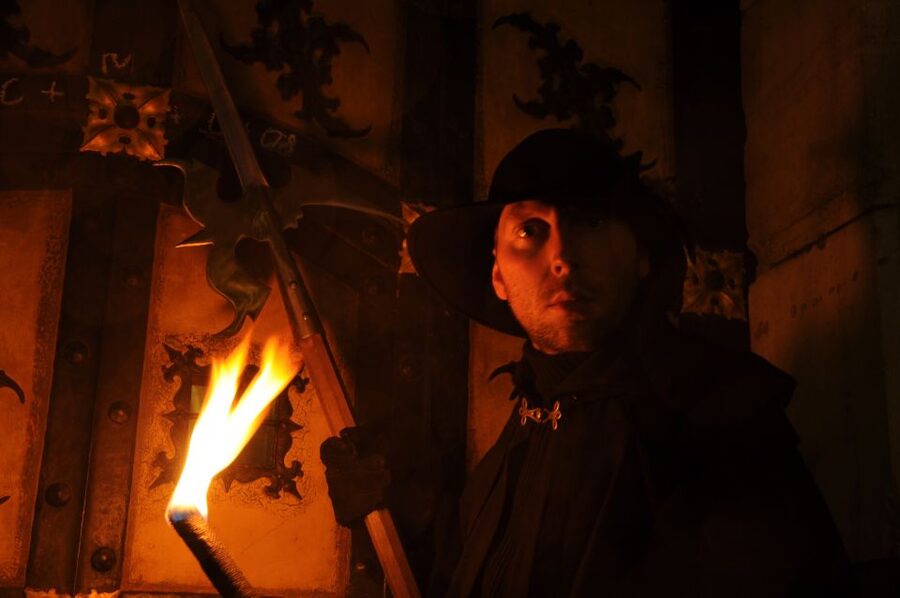
- Costumed guide with lantern rounds: you’re not just hearing facts; you’re getting a character-driven city walk.
- St. Peter’s Church tower off-kilter story: a simple stop that turns into a reasoned, memorable explanation.
- Old town back alleys and “dark corners”: you’ll see smaller streets where the night watchman would actually patrol.
- Dark-history stops with context: prison, torture-chamber area, and graveyard customs are handled with story structure.
- Beer-versus-wine medieval logic: you’ll walk away with at least a couple practical “why” answers.
Setting the mood: lantern rounds through Munich’s Old Town
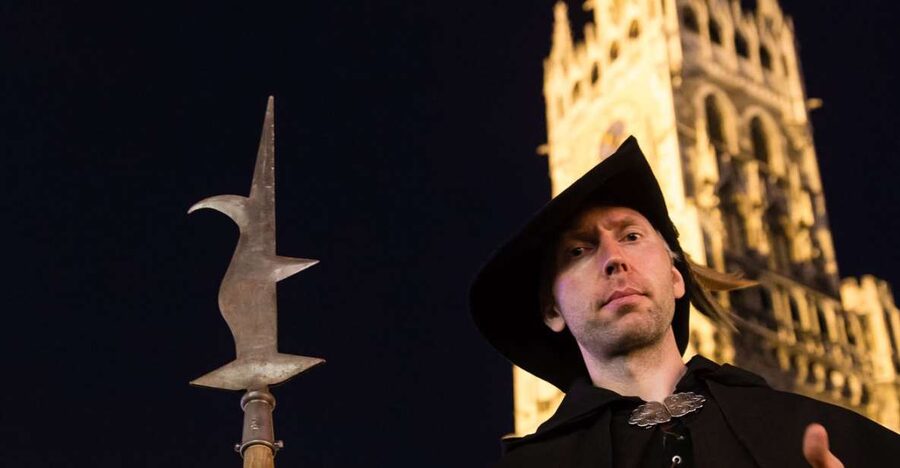
Picture Munich after most people call it a night. That’s the feel this tour aims for: the Old Town becomes quieter, narrower, and more story-friendly. You’re guided by a costumed night watchman who treats the streets like his responsibility, not your sightseeing list.
I like that the tour gives you a clear role to hold onto. The guide isn’t just pointing at buildings. He’s describing the job of keeping peace in alleyways and dark corners, and you follow his rounds as if you’re part of his nighttime flock. That framing makes even familiar squares feel different.
You’ll also notice the guide’s style. In the tour description, he scolds guests who don’t know about patron saints of the city, but he’s also ready to answer questions. That means you’re encouraged to engage instead of just walking silently in the dark. You don’t have to be a church-scholar to enjoy it, though you may learn a few names you’ll want to remember.
The main drawback is pacing. The walk is only 1.5 hours, so the guide keeps moving and talking. You’ll get stops and photos, but this is not a slow, linger-at-every-corner kind of experience.
You can also read our reviews of more walking tours in Munich
The “why” behind the landmarks: St. Peter’s towers and crooked city details
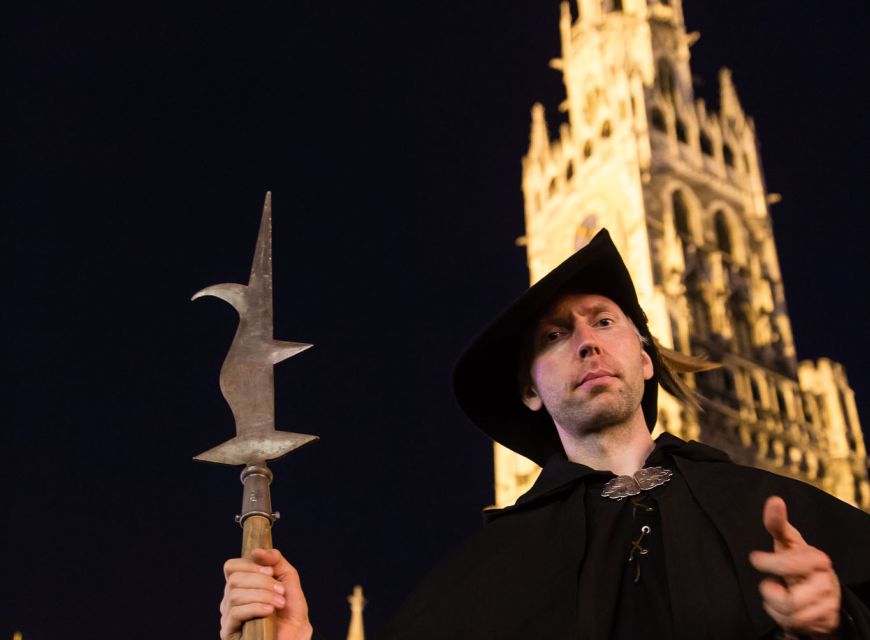
St. Peter’s Church is a highlight for good reason. The tour targets the tower tops, and the night watchman explains why they stand askew. It’s the kind of detail that would be easy to miss if you saw the church from street level in the day.
Then you shift from architecture to human stories. The route includes the old churchyard area, where the guide shares what gravestones can tell you—funeral customs and epitaphs. The description also points to the darker side of the past: decomposing corpses and missing church pews. That might sound heavy, but the key is that it’s tied to place. You’re not learning “gothic trivia.” You’re learning how people once treated death and belonged to a church community.
For your comfort, wear shoes you trust. You’re out late, and you’ll likely be on uneven ground and cobblestones. The tour is wheelchair accessible, but wheelchair users should still plan for street surfaces and turning points along narrow lanes.
Marktplatz to the old Stadttor: where the city complains
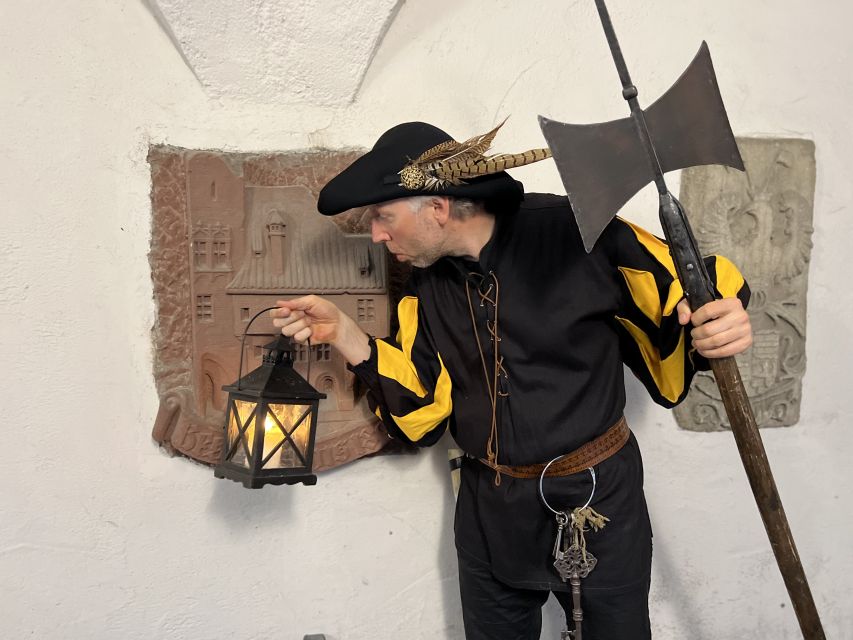
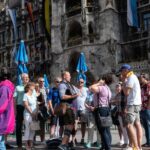
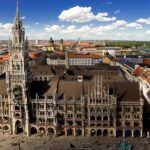
You start with the night watchman shepherding his flock at Marktplatz. Even if you’ve been to Munich during the day, this is a different experience at night. The square becomes a staging area for stories that feel like they belong to the city itself.
From there, the tour moves toward the Altes Rathaus tower on historic Salzstraße. This is where the “character” part becomes really fun. The Stadttor is described as coming to life and complaining about its rebuilding in the ’70s. That’s not the sort of thing you usually hear from a normal daytime walking tour, and it’s exactly why this format works.
Next, you’ll be questioned about piety—specifically patron saints Onuphrius and Henry the Lion, who are said to protect people from sudden death. The tour uses these names as anchors for meaning, not just trivia. If you’re the type who likes learning why old towns were built the way they were, this section is a strong payoff.
Alter Hof and the hard side of Louis II
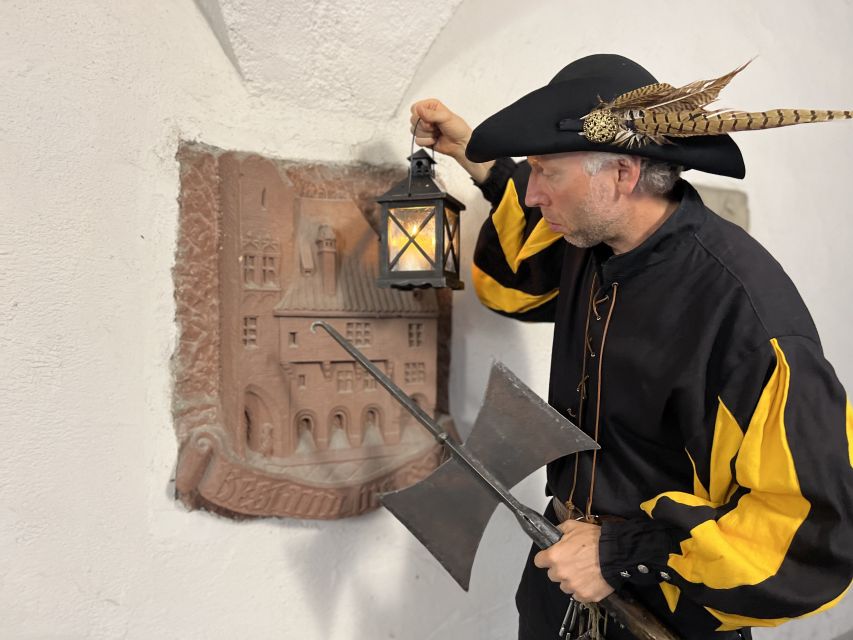
After the storytelling detours, you pass by a torture chamber and prison area, then continue to the Alter Hof, tied to Louis II. This is one of the places where the tour balances “dark” content with historical structure: the guide explains why Louis II was regarded as harsh.
You also learn why the House of Wittelsbach came to Munich. That matters because Munich’s power story isn’t just about one ruler. It’s about dynasties, seats of authority, and the way places become central over time.
There’s also a specific naming angle: the guide talks about where the Zwingerstock name came from. I like stops like this because they give your brain a hook. Instead of walking through a building and forgetting it, you’re leaving with a word-level reason to remember it.
City walls and wine logic in the Middle Ages
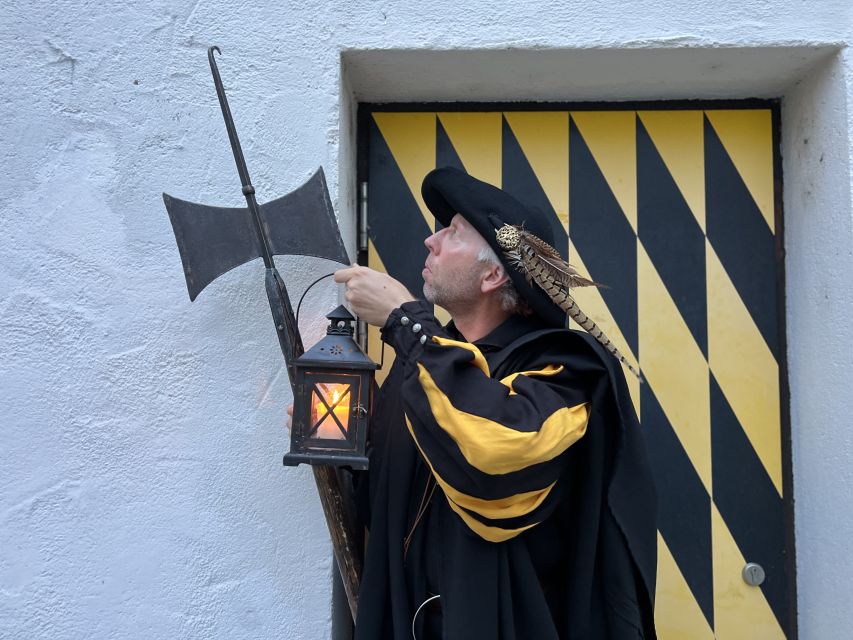
The tour then follows city walls from the 12th century. You’ll head west from Wasserburg, and this is where the walk starts to feel like a nighttime patrol route rather than a straight-line route for tourists.
At Gruftgasse, the guide includes the story of Waller in Walchensee—a young lady and her golden ring. This is classic night-watchman storytelling: a small street becomes the stage for a tale you can picture.
Then comes Schäfflergasse, and you’ll hear why wine was the drink of choice in the Middle Ages. The tour sets up a contrast: beer gets the spotlight in modern Munich, but historically the logic was different. I like this section because it quietly teaches you that traditions shift. You walk away thinking less like a consumer of beer culture and more like a reader of everyday medieval life.

Frauenkirche and cathedral symbols: up high, then down into stories
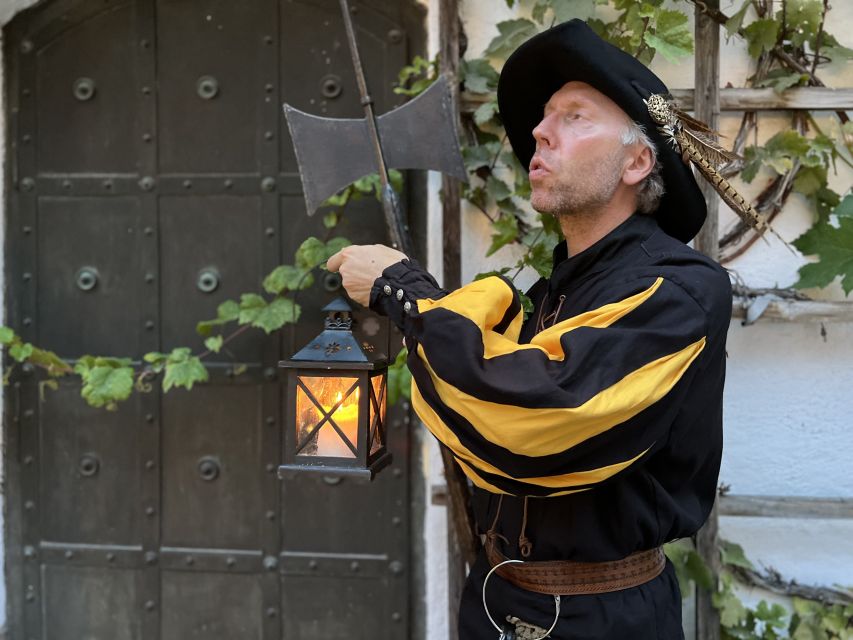
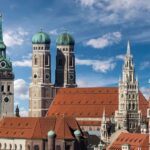
The route includes a cathedral stop where you set your sights higher and look for symbols of the city, including the two towers. It’s a good reminder that a night walk doesn’t have to mean “only street level.”
You then get specific, personal stories. The guide shares the epitaph of a rich widow and includes the unlucky fall of Fanny von Ickstatt from the north tower of the Frauenkirche. That’s the kind of story detail that sticks, even if you’re not sure you’ll remember every name of every tower.
If you like history with personality, these are your kinds of moments. The guide turns architecture into narrative, and that helps the place feel less like a backdrop and more like an actual lived environment.
Promenadeplatz, Salzstadel, and the palaces built for a mistress
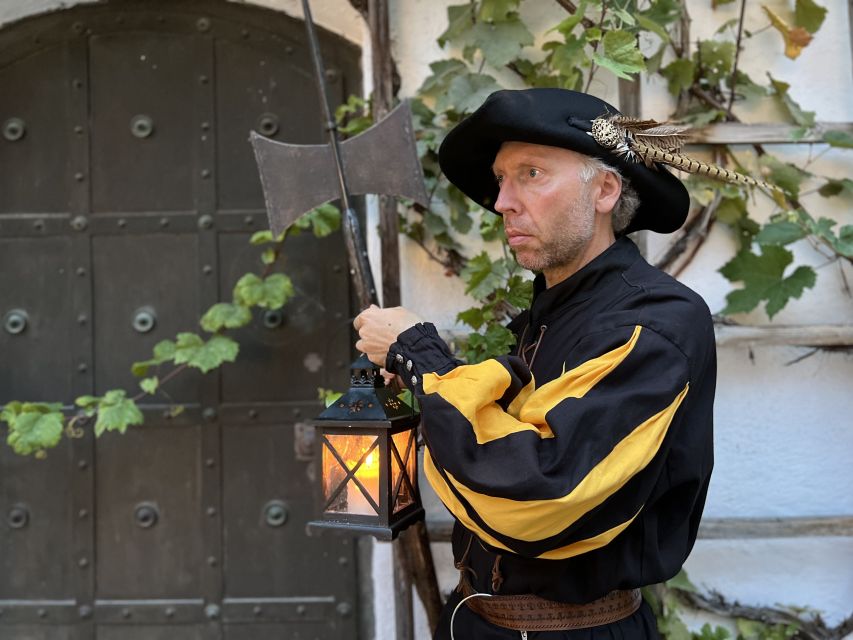
As the tour continues, you reach Promenadeplatz, where you see the old Salzstadel. A storage building might not sound exciting on paper, but in this kind of tour, it usually becomes a practical story: why salt mattered, who benefited, and how trade shaped the city. At night, those utilitarian spaces feel more secretive, which fits the theme.
Then you pass the Palais Porcia and Palais Holstein, where the night watchman tells the story of sovereign lord Karl Albrecht. The key detail here is motive: he built the palaces for his mistress. That gives you a human reason behind the stone, and it also helps you connect Munich’s elite life with the physical city you’re walking through.
This is a good moment to pause mentally. If you’ve been collecting random facts, these palace stories help you build a pattern: power, wealth, and private lives all left traces in the streets.
Salvatorkirche and Theatinerkreuzgang: love, miracles, and a long-waited heir
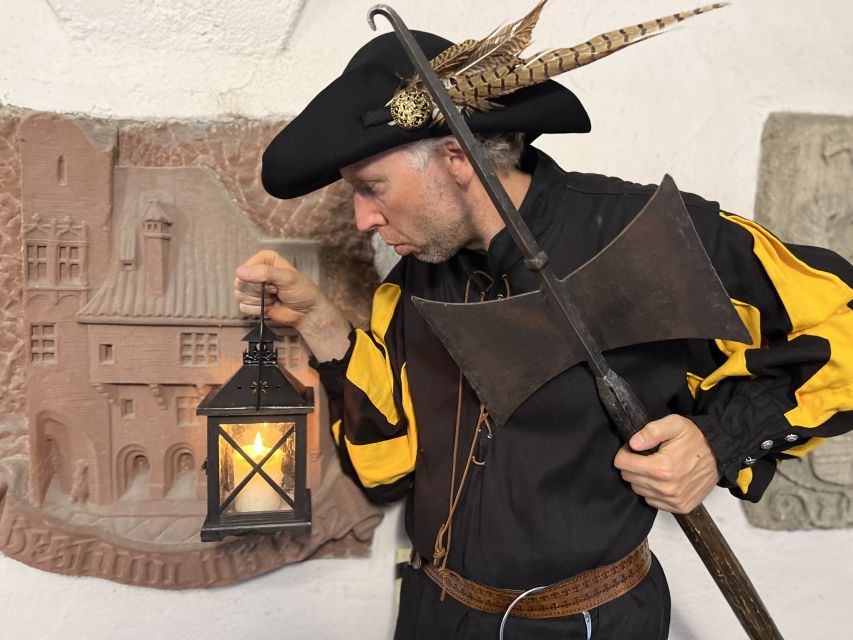
At the Salvatorkirche, the tour covers an enormous host desecration story. You also get a love story at the Theatinerkreuzgang involving Henriette Adelaide and electoral prince Ferdinand Maria.
Here’s the part that makes this section more than spooky theater. After 10 years, the heir to the throne is born, and the Theatine Church is built. That links personal tragedy, political pressure, and architecture into one cause-and-effect chain. It’s not just about what happened; it’s about what the city chose to build in response.
This portion also fits the tour’s “patron saint” tone. You’re not reading religion as a distant concept. You’re seeing how people used faith as a framework for life events that mattered politically and socially.
The final rounds: letting the city keep its secrets
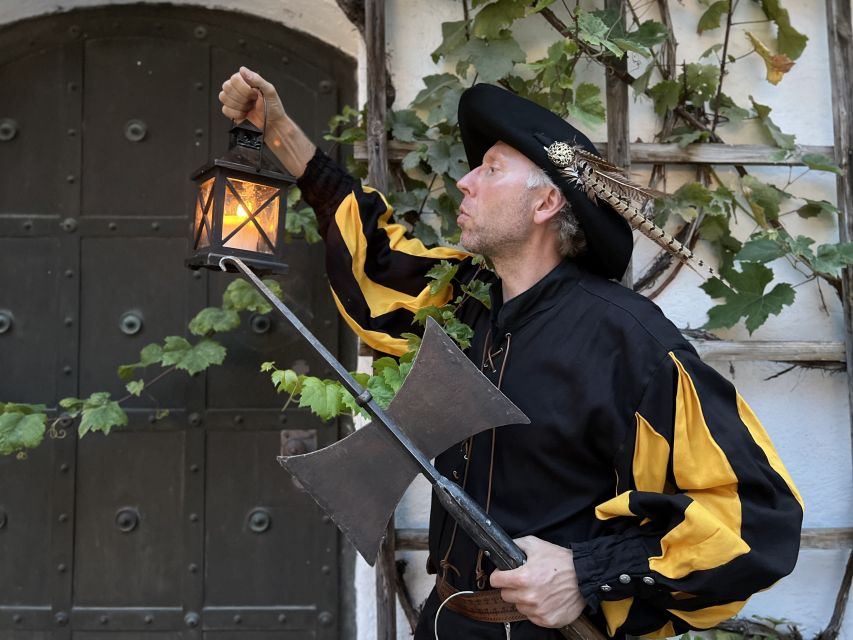
Near the end, the night watchman lets his herd loose to continue his rounds. It’s a nice closing move because it signals that the city is still running after you turn the corner. Munich doesn’t stop being story-rich once you leave the group.
I like this structure because it leaves you with momentum rather than fatigue. After 90 minutes, you’ve collected enough facts and images to recall later, but you’re not stuck for hours in dark streets.
If you want to keep the vibe going, plan your next step with the expectation that some areas will feel busier after the tour and some will feel quiet again. This tour is tuned to night atmosphere, not just night lighting.
Price and value: what $530 per group really means
The price is listed as $530 per group up to 30, and the tour lasts 1.5 hours. That pricing model is how these character tours often work: you’re paying for a specific guided experience rather than a pay-per-ticket walk.
So the value depends on your group size. If you can fill a group with friends or colleagues, your effective cost per person can be reasonable. If you’re a small party booking last-minute, it will feel like a premium, because you’re still paying the group rate whether you bring two people or ten.
The good news is that what you’re buying isn’t just a route. You’re buying the costumed night watchman performance, the lantern-round narrative structure, and a guided visit that hits a lot of distinct Old Town zones in a short time. For people who enjoy walking tours with humor and story energy, the format can be worth the price.
Who should book this tour (and who might want to skip)
You’ll enjoy this most if you like:
- Old Town Munich streets and you prefer short stories over long lectures
- a guide who plays the role and turns landmarks into scenes
- humor mixed with slightly dark historical material
- learning small “why” facts like the beer-versus-wine contrast and tower oddities
You might skip it if you:
- want only major landmarks and minimal storytelling
- dislike anything scary or death-related, even when framed as history
- need lots of time at each stop for photos and slow wandering
If you’re traveling with someone who likes history but finds standard tours boring, this is a strong match.
Should you book the Munich Night Watchman Walking Tour?
I’d book it if you want a night walk that feels like stepping into Munich’s older storytelling world, with recognizable places like St. Peter’s Church and the Frauenkirche included. The pairing of costumed character work plus specific stop content (tower explanations, graveyard customs, prison-tied storytelling, and palace motives) is the core reason this tour earns strong feedback.
I’d think twice if you’re only in Munich for one afternoon and you want maximum photo time. This tour is tuned to listening, not lingering.
If you do book, pick footwear for nighttime streets and go in ready to hear names, dates, and odd facts. The payoff is a Munich you can picture after the lantern goes out.
FAQ
How long is the night watchman walking tour?
The tour duration is 1.5 hours.
What does the tour cost?
The price is $530 per group, with a maximum group size of up to 30.
What languages are available for the live guide?
The live guide is available in German and English.
Is food or drinks included?
No. Food and drinks are not included.
Where do we meet?
The meeting point may vary depending on the option booked.
Is the tour wheelchair accessible?
Yes. The tour is listed as wheelchair accessible.