REVIEW · MUMBAI
Group Guided Walking Tour in Fort and Colaba
Book on Viator →Operated by M/s Khaki Tours · Bookable on Viator
Two and a half hours of old Mumbai. This guided loop is a fast way to see the Gateway of India up close and learn why Fort and Colaba look the way they do, without getting lost in the details. I like that the group stays small (max 12), so the guide can actually answer questions and steer you toward good photo spots. One thing to plan for: it’s a proper walking tour, so if you want long, slow stops everywhere, you may feel a bit rushed.
You’ll start at Town Hall (Asiatic Society Library) and work through major landmarks that connect Mumbai’s early centuries to the city you see today, including stories tied to Portuguese and British colonization. The walk is built around short stops where you can look closely, then move on, with free entry for each site on the list. In my experience of this style of tour, a guide like Palak can make the streets feel readable, and there’s even a complimentary coffee break mid-walk.
Because the tour relies on good weather, you should check conditions before you go. If Mumbai’s monsoon mood shows up, expect the operator to shift plans or offer a full refund.
In This Review
- Key things I’d bank on before you book
- Fort and Colaba: a smart way to get your bearings
- Town Hall (Asiatic Society Library): colonial-era Mumbai, told through details
- Horniman Circle Garden: an old garden wrapped in Victorian streets
- St. Thomas Cathedral Mumbai: pause inside Mumbai’s oldest Anglican church
- Flora Fountain: the city’s main-square photo moment
- Oval Maidan: civic power, cricket heritage, and a UNESCO label
- Rajabai Clock Tower: the University of Mumbai story in one landmark
- Kala Ghoda: Mumbai’s art district streets and architectural “secrets”
- Keneseth Eliyahoo Synagogue: a Jewish enclave you can still read
- Gateway of India to the Taj Mahal Palace Hotel: the big finish for photos
- Price and value: what $16.73 buys you for 2.5 hours
- Pace, comfort, and who will enjoy this most
- Where the walk starts and ends (so you can plan your day)
- Should you book this Fort and Colaba walking tour?
- FAQ
- FAQ
- How long is the Group Guided Walking Tour in Fort and Colaba?
- What does the tour cost?
- How big is the group?
- Where does the tour start and end?
- Which major landmarks will I see?
- Do I need to buy admission tickets for the stops?
- Is the tour ticket digital?
- What if the weather is bad?
- Is there a refund if I cancel?
Key things I’d bank on before you book

- Max group size of 12 means more Q&A and less standing around
- Photo-friendly landmarks including the Gateway of India and the Taj Mahal Palace Hotel area
- Free entry stops across several top sites, so you don’t get surprise costs
- About 500 years of Mumbai’s story told through architecture and street-level clues
- Local recommendations and tips from your guide to use after the tour
- A complimentary coffee break during the walk helps reset your pace
Fort and Colaba: a smart way to get your bearings
Fort and Colaba are where Mumbai’s “old meets new” feeling is easiest to understand on foot. You don’t just pass buildings—you learn what shaped them, from earlier village life to the powerhouse city image you see now. That’s the point of this tour format: short stops, quick context, and you keep moving while the story stays fresh.
I also like that the route is concentrated. You get a lot of recognizable sights in one session, and the walking time stays sensible at about 2 hours 30 minutes. With that timing, you still have plenty of daylight left for independent exploring after.
You can also read our reviews of more walking tours in Mumbai

Town Hall (Asiatic Society Library): colonial-era Mumbai, told through details
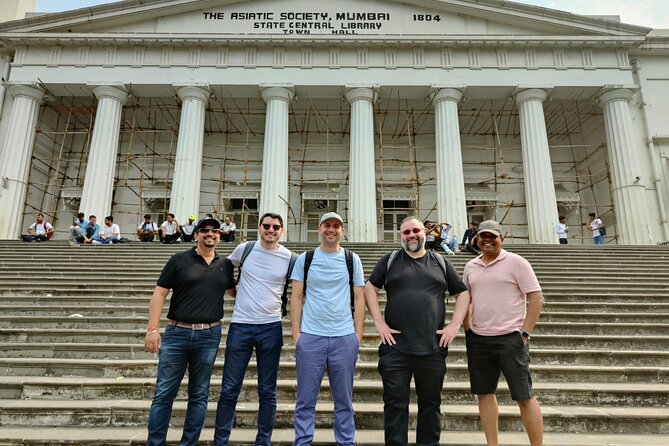
This is a strong starting anchor because it sets the tone for the whole walk. At Town Hall / Asiatic Society Library, you’ll hear the story of how Mumbai came into being after Portuguese and British colonization. It’s not just trivia; it’s an explanation of why institutions and styles showed up where they did.
The stop is about 20 minutes, long enough to let the guide point out what to notice before you move on. Since the entry is free for this stop, you can focus on absorbing the narrative instead of worrying about tickets or costs.
Practical note: since you’re indoors at the start, it can be a nice way to beat the heat or glare before the outdoor photo moments.
Horniman Circle Garden: an old garden wrapped in Victorian streets
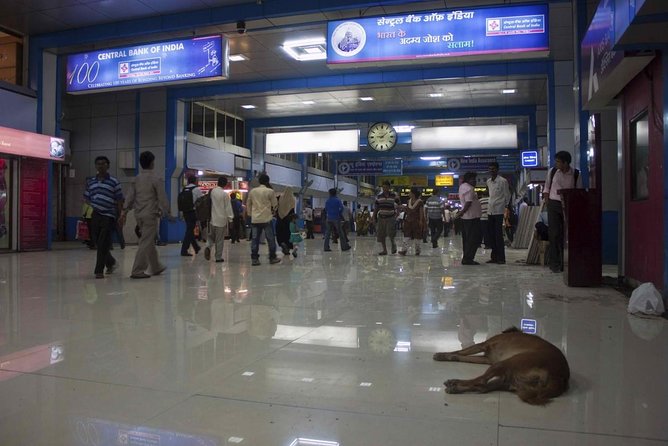
Next up is Horniman Circle Garden, Mumbai’s oldest garden on this route. The guide helps you connect the green space to the surrounding Victorian buildings, and you’ll learn what people used to do there.
This stop is shorter (about 15 minutes), which is about right. You get a focused look—enough to appreciate the layout and the way the neighborhood frames the garden—then you’re off to the next landmark.
If you like street-level history, this is one of those stops where a guide’s narration makes ordinary scenery feel purposeful. Without that, it can look like yet another central garden. With context, you start seeing it as part of the city’s social routine.
St. Thomas Cathedral Mumbai: pause inside Mumbai’s oldest Anglican church
When the tour reaches St. Thomas Cathedral Mumbai, it switches from exterior architecture to the feeling of being inside a long-standing place of worship. You’ll spend about 15 minutes here admiring the memorials and the grand altar.
The tour description calls it Mumbai’s oldest Anglican church, and that makes the stop more than just a photo break. It’s a chance to slow down, look carefully, and notice how monuments and interior design communicate time and status.
Possible drawback: if you’re the type who hates indoor listening time, keep your expectations practical. This stop is short, and you’ll want to use that time for looking and absorbing, not treating it like an hour-long museum visit.
Flora Fountain: the city’s main-square photo moment
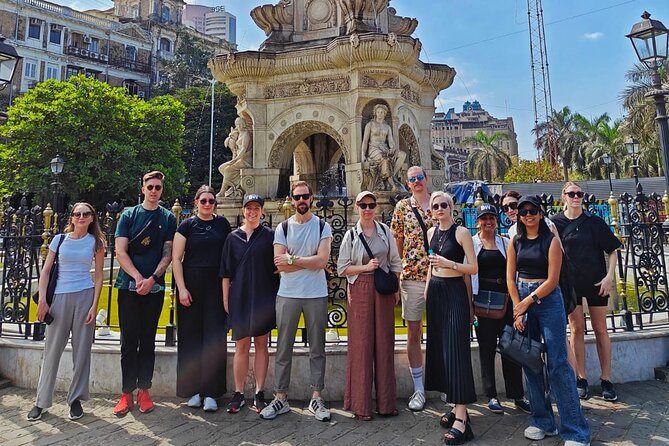
Then you hit Flora Fountain, described as Mumbai’s answer to Piccadilly Circus and the Martyrs’ Memorial. In practice, this stop works because it gives you a clear landmark that’s easy to frame in photos and use as a visual reset.
You’ll spend about 15 minutes here. The guide ties what you’re seeing to the broader city feel, and you’ll likely find that the fountain area helps you picture how the main town square functions as a gathering point.
This is also a good moment to grab a few quick shots before you head toward the larger open space and university-era buildings.
Oval Maidan: civic power, cricket heritage, and a UNESCO label
After Flora Fountain, the route heads to Oval Maidan, where you get views of the grand buildings surrounding the birthplace of Indian cricket. This stop is about 20 minutes and includes the detail that it’s a UNESCO World Heritage site.
Even if you’re not a cricket superfan, the value here is in the framing. The open area and the impressive surrounding architecture show you how public space and institutional power sit side by side in Mumbai.
One consideration: open spaces can be exposed. If the light is harsh or the sun is strong, plan to use shade breaks when the guide suggests it, or lean into early morning/late afternoon timing when you can.
Rajabai Clock Tower: the University of Mumbai story in one landmark
Next is Rajabai Clock Tower, Mumbai’s answer to the Big Ben clock tower. You’ll also hear stories about the evolution of the University of Mumbai during about 15 minutes.
This stop is short, but it’s designed to give you a mental model. Instead of treating the tower as a random pretty building, the guide connects it to the growth of higher education in the city. That’s exactly the kind of context that makes architecture feel like evidence, not decoration.
If you enjoy clock towers and civic design, you’ll likely get a lot out of this stop. If you’re mostly here for street photos, this may still be worth it because the guide’s explanation gives you a reason to look longer than you planned.
Kala Ghoda: Mumbai’s art district streets and architectural “secrets”
The tour then heads to Kala Ghoda, described as Mumbai’s premier art district. Here you’ll marvel at the diverse architecture and hear stories about the secrets the buildings hold.
This is another 15-minute stop, so think of it as a “direction-setting” moment. The guide helps you see patterns and styles you might otherwise pass without noticing. If you like art neighborhoods, you’ll probably want to continue exploring after the walk once you learn what to look for.
This is also a stop where your curiosity can steer your choices later. If the guide’s hints point you toward nearby galleries or streets, you can use that as a self-guided follow-up.
Keneseth Eliyahoo Synagogue: a Jewish enclave you can still read
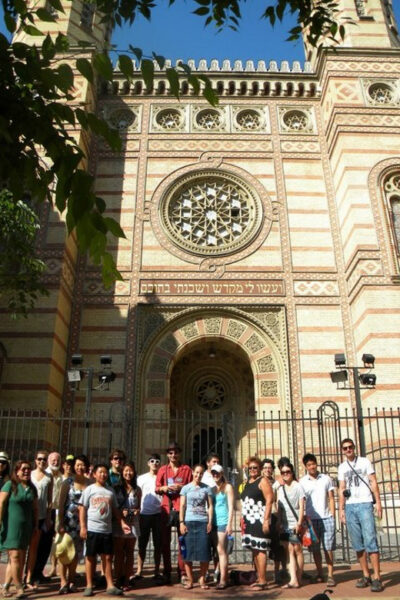
At Keneseth Eliyahoo Synagogue, the tour shifts to the cultural layers of Mumbai. You’ll explore Mumbai’s Jewish enclave and see signs of Jewish life that are now almost extinct in the city.
You’ll have about 15 minutes here. The key value is the way this stop widens the story beyond empire and institutions. It adds community history and makes the neighborhood feel specific, not generic.
Possible consideration: this is a sensitive topic area. Keep your behavior respectful and follow the guide’s cues on how to move, look, and ask questions.
Gateway of India to the Taj Mahal Palace Hotel: the big finish for photos
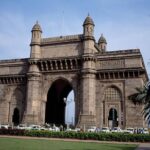
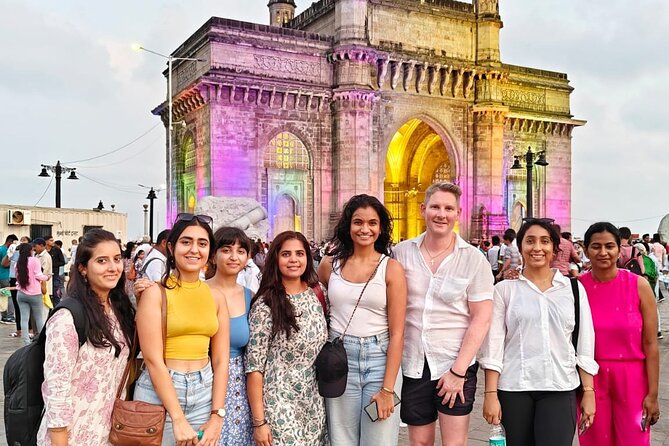
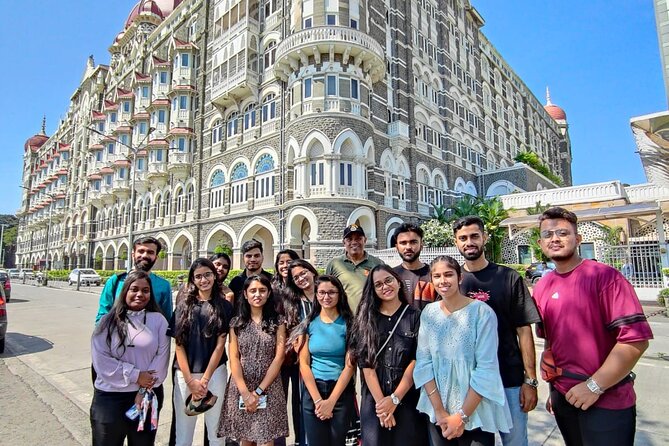
Finally, the walk ends at the Gateway of India, with the tour highlighting it along with the Taj Mahal Palace Hotel. You’ll spend about 20 minutes here, which is enough time to take photos and also just stand back and absorb why this area is such an iconic symbol.
Ending here is smart. It’s a visual payoff that matches the earlier context. After learning how Mumbai changed over hundreds of years, the Gateway feels like a climax rather than a random monument.
If you care about photography, spend some of that time taking both close shots and wider frames. With the Taj Mahal Palace Hotel in view, you’ll be able to capture the “landmark pair” look the route is setting up.
Price and value: what $16.73 buys you for 2.5 hours
At $16.73 per person for about 2 hours 30 minutes, the biggest value isn’t just the route—it’s what the guide carries. You’re paying for the ability to turn streets into explanations: why buildings exist, what influences shaped them, and what you should pay attention to as you walk.
On top of that, the stop list includes sites where admission is marked as free. So your money goes toward guided interpretation, not ticket hassles. The small group size (max 12) also matters here, because it typically means you won’t spend half the tour waiting while someone else asks the same question.
If you’re short on time and you want a practical “old Mumbai orientation,” this price point is easy to justify. You also get a bonus in the form of local recommendations and tips, which can easily save you time on the rest of your day.
Pace, comfort, and who will enjoy this most
This is best for people who like structure but not museum-depth. The stops are short and the narration is meant to be digestible while you’re walking. It’s ideal if you want a guided overview of Fort and Colaba with just enough time at each place to look, listen, and photograph.
You’ll also likely enjoy it if:
- you want a small-group experience instead of a big bus-style crowd
- you like learning from a guide who can suggest what to do next
- you enjoy architectural clues and street-level storytelling
One reason it might not fit everyone: it requires good weather. You’ll also be on your feet for 2.5 hours, so bring comfortable shoes and treat it like a walking day, not a casual stroll.
Where the walk starts and ends (so you can plan your day)
The tour starts at Town Hall (Asiatic Society, Mumbai) in Fort, near WRJP+P8M on Shahid Bhagat Singh Rd. It ends at Gateway of India near Apollo Bandar in Colaba.
This start-to-finish setup is handy. Fort is usually easier for pairing with other nearby sights, and Colaba is a strong neighborhood for evening wandering. If you’re planning dinner afterward, consider aiming for the Colaba side since you’ll already be there at the end.
Should you book this Fort and Colaba walking tour?
I think you should book it if you want an efficient, guided way to understand Mumbai’s layers without spending a full day on planning. The combination of small group size, major landmarks, and a guide who can explain how the city evolved is the real win. The fact that you get free entry for multiple stops also makes it feel fair for the money.
Skip it (or at least set expectations) if you want a slow, sit-down type of sightseeing day. This tour works because it keeps moving. Bring curiosity, wear good shoes, and plan to use the Gateway/Colaba finish as your jumping-off point for the rest of your trip.
FAQ
FAQ
How long is the Group Guided Walking Tour in Fort and Colaba?
It’s about 2 hours 30 minutes.
What does the tour cost?
The price is $16.73 per person.
How big is the group?
The group size is capped at a maximum of 12 travelers.
Where does the tour start and end?
It starts at Town Hall (Asiatic Society, Mumbai) in Fort and ends at the Gateway of India near Apollo Bandar in Colaba.
Which major landmarks will I see?
You’ll visit Town Hall (Asiatic Society Library), Horniman Circle Garden, St. Thomas Cathedral Mumbai, Flora Fountain, Oval Maidan, Rajabai Clock Tower, Kala Ghoda, Keneseth Eliyahoo Synagogue, and finish at the Gateway of India with the Taj Mahal Palace Hotel area.
Do I need to buy admission tickets for the stops?
Admission is free for the stops listed on the tour.
Is the tour ticket digital?
Yes, it uses a mobile ticket.
What if the weather is bad?
The experience requires good weather. If it’s canceled due to poor weather, you’ll be offered a different date or a full refund.
Is there a refund if I cancel?
There’s free cancellation. You can cancel up to 24 hours in advance for a full refund. Canceling less than 24 hours before start time isn’t refunded.