REVIEW · GRANADA
Granada: Albaicín and Sacromonte 2.5-Hour Walking Tour
Book on GetYourGuide →Operated by Feel the City Tours · Bookable on GetYourGuide
Granada climbs, then rewards you with Alhambra views. I love how this walk stitches together Albaicín and Sacromonte with clear, street-level lessons on Moorish architecture, and I love hearing it told by guides praised for sharp storytelling, like Josh and Juana. One drawback: you should plan on steep uphill steps and stairs, especially if it’s warm.
You start at Plaza Isabel La Católica and end back there, which makes the whole thing feel easy to fit into a day. In about 3 hours, you’ll wind through narrow lanes, pause for major viewpoints, and walk right up to the famous Sacromonte caves carved into the mountain.
If you like history you can see (not just read), this tour does that well. Guides often share practical next-step ideas too—people mention tapas and flamenco suggestions, with some even pointing to places like La Alborea after the walk.
In This Review
- Key highlights you’ll feel fast
- Why Albaicín and Sacromonte Make Granada Click
- Plaza Isabel La Católica: your easy starting anchor
- Albaicín streets and the old city walls around the Alcazaba
- Alhambra views: when the “wow” becomes useful
- Sacromonte: walking into the cave neighborhood on the mountain side
- What to listen for: Moorish architecture and the city’s cultural mix
- The workout reality: steep climbs, lots of steps, and heat
- Price and value: why $23 can be a smart deal
- Who should book (and who might skip)
- Tips to get more out of the walk
- Should you book this Granada Albaicín and Sacromonte tour?
- FAQ
- How long is the Granada Albaicín and Sacromonte walking tour?
- Where does the tour start and end?
- How much does the tour cost?
- Which neighborhoods will we visit?
- What language is the tour guide speaking?
- Can I cancel for a refund?
Key highlights you’ll feel fast
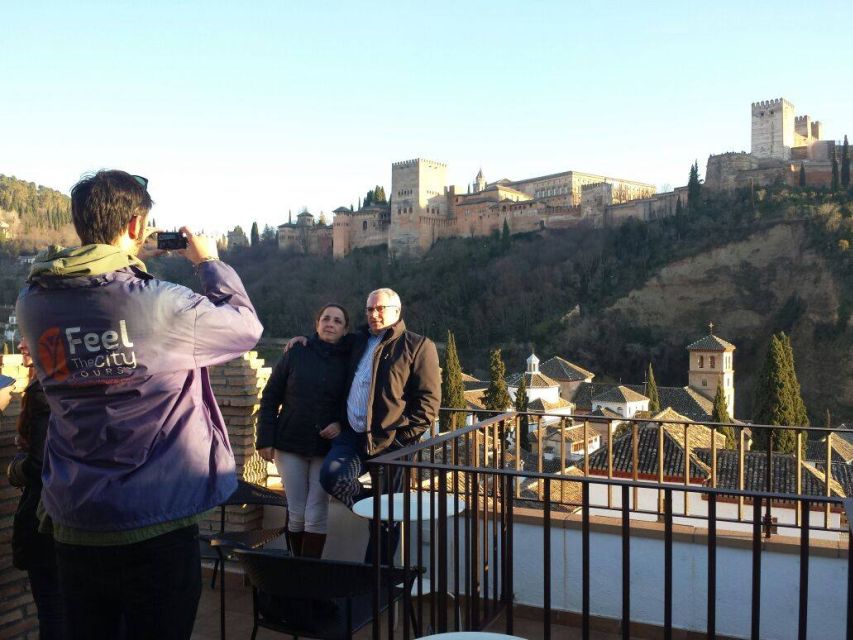
- Alhambra viewpoints: multiple photo angles from the hill neighborhoods
- Albaicín street texture: narrow lanes, plazas, and the feel of an old hillside city
- Moorish design lessons: how architecture and water systems shaped daily life
- Alcazaba wall and gate traces: reminders of how the old city was defended
- Sacromonte cave neighborhood: homes and culture built into the rock
Why Albaicín and Sacromonte Make Granada Click
Albaicín and Sacromonte aren’t just “two neighborhoods.” They’re two ways of understanding Granada—seen from different slopes, with different traditions, and with different kinds of architecture telling different chapters of the city.
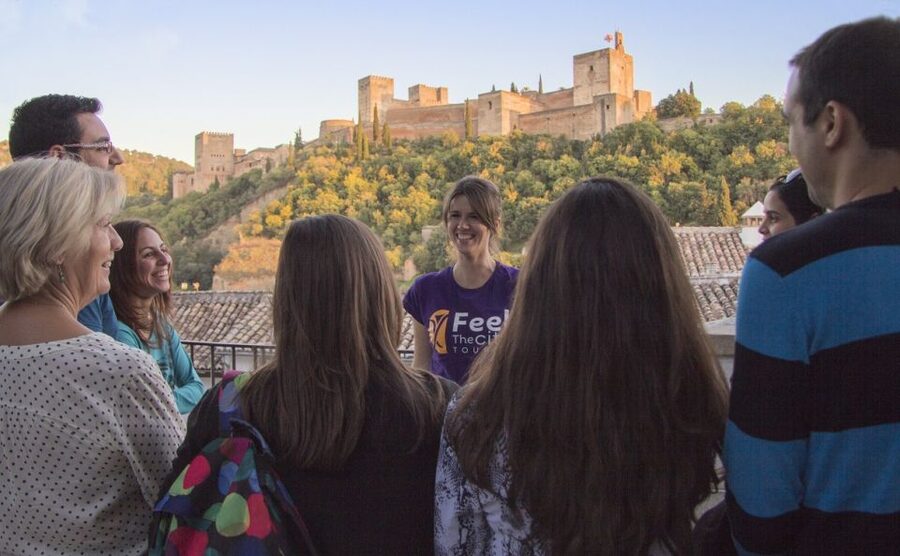
I like that this tour forces you to move through the maze at human speed. You’re not hopping between stops on a bus. You walk the narrow streets, climb to overlooks, and get the Alhambra in your line of sight often enough that it stops being a distant monument and becomes part of your route.
Albaicín is where you start to feel Granada as a hillside city built for defense, views, and daily practicality. Sacromonte then changes the tone. The caves carved into the mountain side turn the story physical—suddenly history isn’t only on stones and tiles. It’s inside the way people live.
A guide makes a big difference here. Names come up again and again in the feedback—Josh, Santiago, Isabel, Laura, Juana, and others—because they’re doing something specific: connecting what you’re seeing to how Granada worked over time.
You can also read our reviews of more walking tours in Granada



Plaza Isabel La Católica: your easy starting anchor
Most walking tours in Europe start with a dramatic “meet at the cathedral.” This one starts in a way that actually helps you orient fast: Plaza Isabel La Católica in Granada, with the walk ending back at the same meeting point.
That matters because Albaicín and Sacromonte can feel like you’ve stepped into a living map. If you’re on your own, it’s easy to wander “pretty streets” without always understanding what you’re looking at. Starting from a clear public square also means you can reset mentally after the climb and end without the stress of figuring out the last mile.
From there, the route focuses on the old city’s shape. You move from the broad starting area into the tighter, older layout—where narrow streets guide you toward bigger ideas: walls, gates, and the way the Alcazaba region was protected.
If you’re hoping to see the Alhambra up close, this is a good first-day—or pre-Alhambra-day—tour. It gives you context so the next big sight doesn’t feel like a totally separate world.
Albaicín streets and the old city walls around the Alcazaba
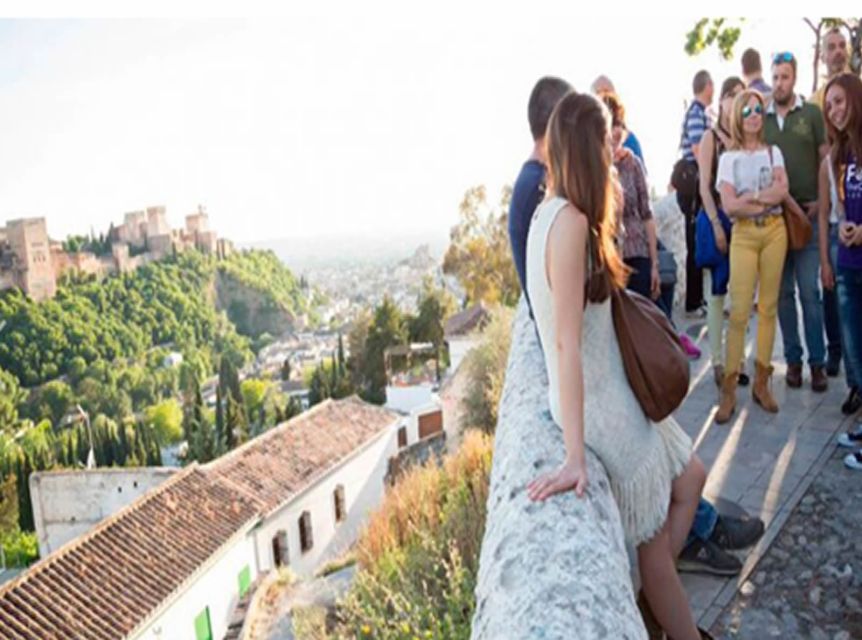
Albaicín is known for its winding lanes, but the more interesting part is what those lanes are doing for you. They don’t just look old. They funnel you through a hillside city that once needed defense.
Along the way, you’ll learn about remains of city gates and parts of the old city walls that surround the Alcazaba. Even if you’re not a “walls person,” this is the type of detail that turns a view into an explanation. You start to understand why streets curve, why heights matter, and how a fortress-centered city shaped everyday movement.
This is also where Moorish architecture becomes more than a label. You’re walking among clues—forms, layouts, and design logic that reflect long-ago planning. One review mentions learning about a water distribution system still in use today. That kind of example is exactly why a guided walk helps: you notice the practical side of design, not only the decorative side.
One more small thing that adds real value: you may hear why the name Carmen shows up in this area. It’s the sort of local detail that makes later exploration feel less random.
Alhambra views: when the “wow” becomes useful
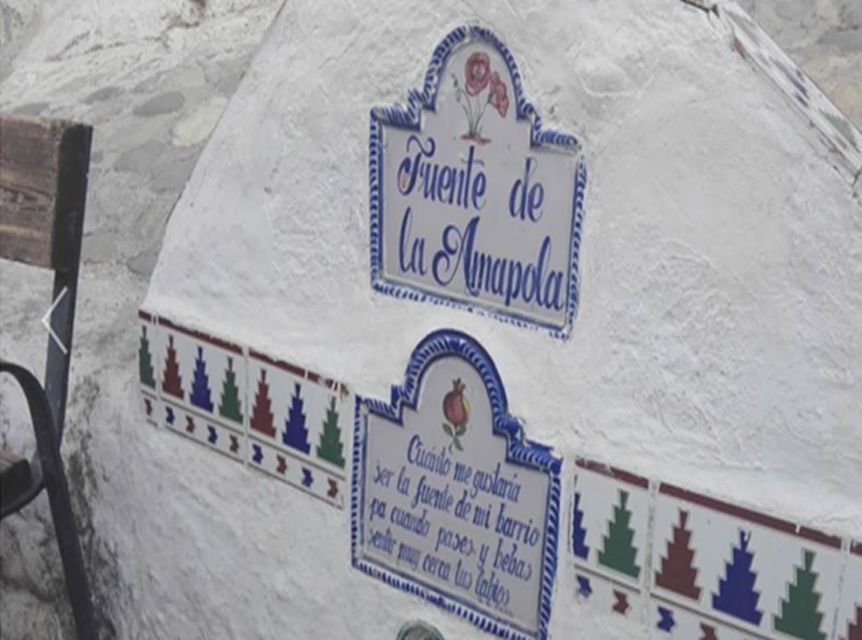
Yes, you’ll see the Alhambra. That’s a given. The difference is how you see it.
On this walk, the views come as part of the neighborhood logic. You’re not just standing at one scenic overlook. You get multiple “Alhambra in context” moments—places where the angle tells you something about distance, slope, and how the hill neighborhoods relate to the monument.
This matters if you plan to visit the Alhambra itself. When you already understand the geography—valley direction, hillside neighborhoods, and how the old city was layered—you’ll get more out of your official Alhambra time. The site becomes easier to place in your head, and you won’t waste as much effort figuring out where you are.
Photo tips can help too. Some guides are specifically praised for pointing out good photo angles, so you’re not left guessing when the light hits or which stretch of view is best.
Sacromonte: walking into the cave neighborhood on the mountain side
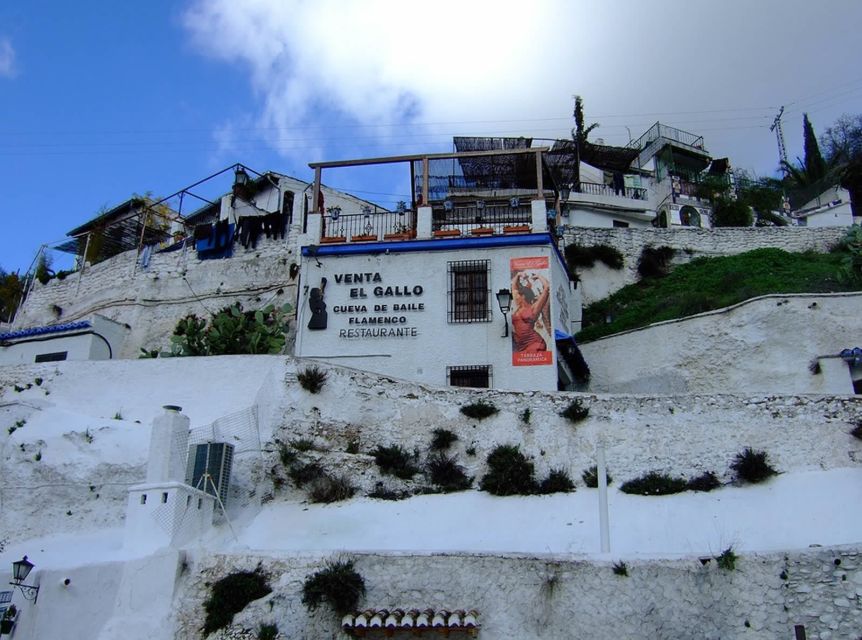
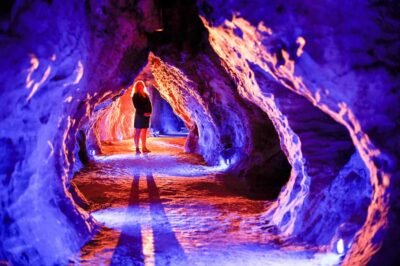
After Albaicín, the tour shifts toward Sacromonte—the Gypsy neighborhood known for caves dug into the sides of the mountain.
This is where the walking changes. The streets keep narrowing, and the sense of being in a hillside settlement becomes stronger. You’re not just seeing caves from a distance. You’re approaching the idea of living space carved from rock, which completely changes how you picture the neighborhood.
The tour description frames it as a move into a cave-dwelling world, and that’s exactly what makes it memorable. These caves aren’t “a cave attraction” in the abstract. They’re tied to community life and cultural identity in Sacromonte.
It’s also the part of the walk where you’ll likely connect the dots between geography and art. One review mentions learning about flamenco origins and Gypsy life, and even if you already know the basics, seeing Sacromonte as a mountain neighborhood helps the cultural context feel real.




What to listen for: Moorish architecture and the city’s cultural mix
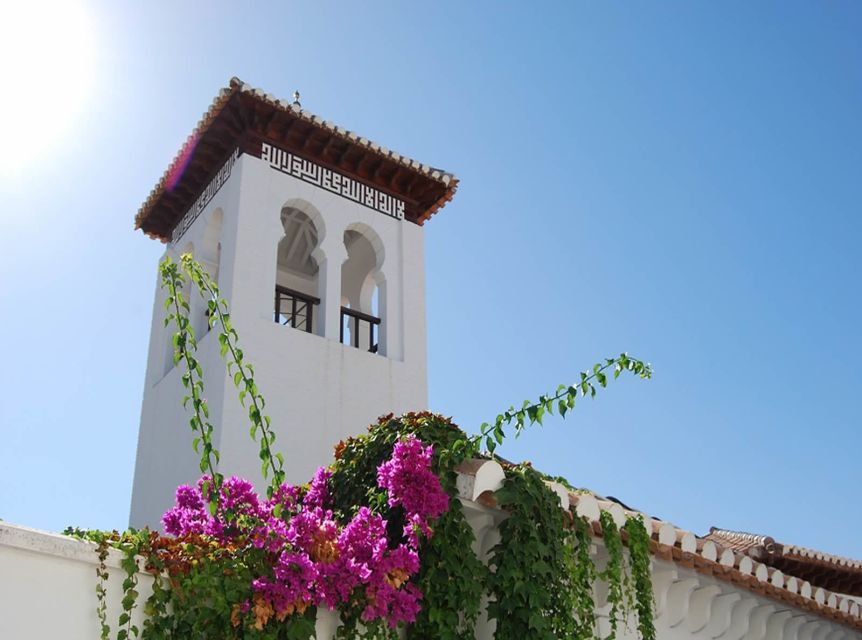
A good walking tour doesn’t just point. It explains.
On this one, the key theme is how Granada became a mix of cultures over centuries, and how that mix shows up in architecture and street design. You’ll hear about the city’s early roots—anchored to the 11th century—and how Granada became a hotbed of art and building.
Pay attention to how your guide talks about structures. Moorish architecture isn’t only about “pretty details.” It’s about systems—water, layout, and how buildings relate to the slope and street grid.
That’s why I like that the tour includes both “defense leftovers” (gates and walls near the Alcazaba) and daily-life features (street logic and water distribution). When you see both sides, the city’s layers stop being separate facts and start feeling like one system.
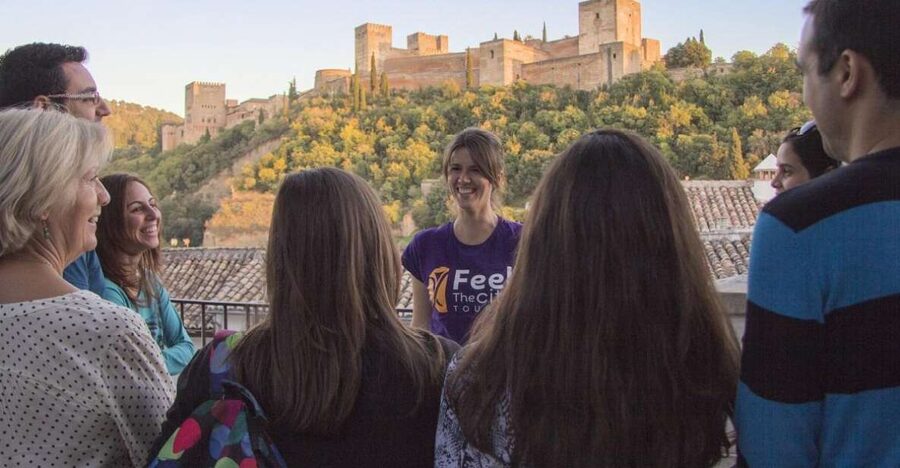
Guides can also tailor their storytelling. Some are praised for being funny, dynamic, and organized—meaning you get a steady flow without feeling like you’re stuck in a lecture. Josh and Santiago are repeatedly mentioned for that style, and Laura and Isabel also come up for making the history understandable.
The workout reality: steep climbs, lots of steps, and heat
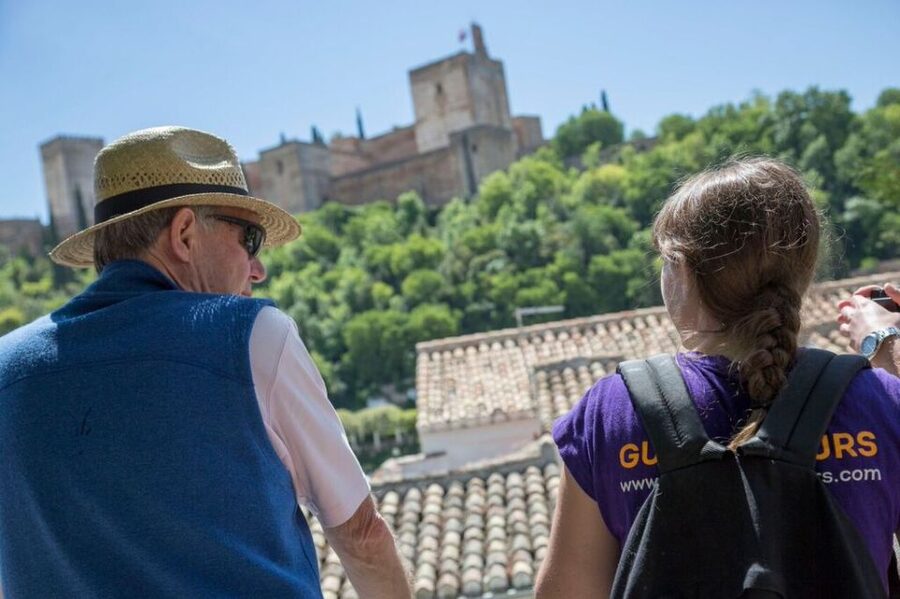
Here’s the part I want you to plan for up front: this is not an easy stroll.
Many reviews flag it as a serious climb with steep sections and steps. One comment specifically calls out a big staircase workout—around 800 feet of stairs mentioned in the feedback. Even if your route feels different day to day, you should assume you’ll be climbing steadily.
If you’re visiting in the middle of the day in warmer months, heat can hit hard too. There’s mention of a very hot day where the guide slowed down to match the group’s pace. That’s good to know: a caring guide will manage it, but your body still has to do the work.
My practical advice:
- Wear grippy shoes. Cobblestones plus slopes are a combo that punishes bad footwear.
- Bring water and take short pauses when you can.
- If you have mobility limits, ask yourself honestly whether uphill stairs are manageable for you.
If you’re comfortable with the effort, the payoff is real: the best viewpoints usually come after the hardest climbs.
Price and value: why $23 can be a smart deal
At $23 per person for roughly 3 hours with a live guide, the value comes from focus.
You’re paying for more than someone walking with you. You’re paying for:
- a route that connects Albaicín and Sacromonte without you getting lost,
- explanations of why key places matter (walls/gates around the Alcazaba, Moorish architecture, the cave neighborhood),
- and viewpoint timing—where a guide can nudge you to the right angles.
A guided walk also often saves time compared with trying to DIY your way through. You can spend an entire afternoon wandering pretty streets and still miss the big “why.” Here, the structure nudges you toward the story.
And the tour runs at multiple starting times depending on availability, which helps you pick a moment that fits your energy level. If you’re planning a big day, a tour like this can act as a “map in motion” so later sights make more sense.
Guides are frequently praised for quality and clarity—people name Josh, Juana, Isabel, Laura, Irina, Marion, Juanita, and others—so it’s not just the neighborhood doing the heavy lifting.
Who should book (and who might skip)
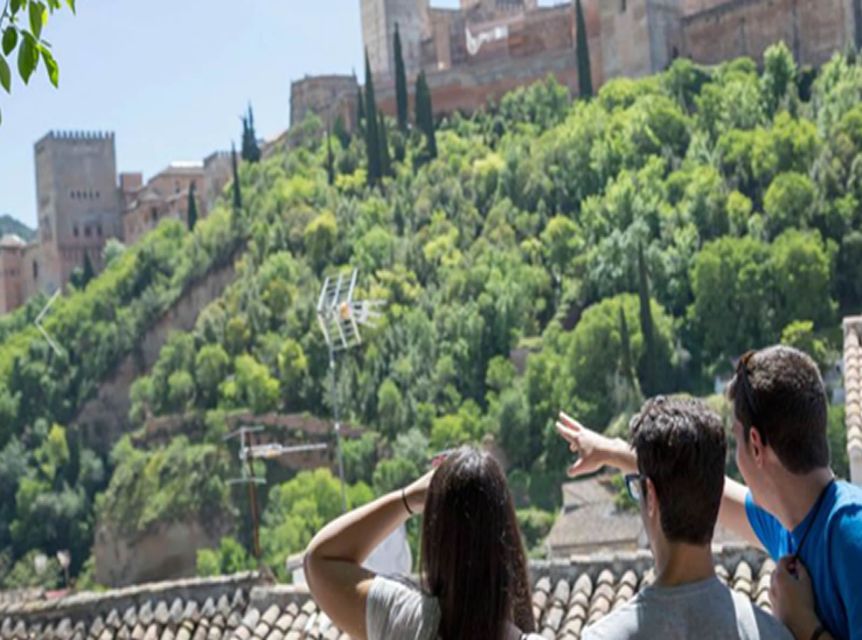
This tour is for you if:
- you want to understand Granada by walking it,
- you love the idea of Moorish architecture in context,
- you want the Alhambra viewpoint experience without only doing the monument itself,
- you’re okay with steep climbs and plenty of steps.
It might not be ideal if:
- stairs are a hard no for you,
- you need a low-effort sightseeing day,
- or heat makes walking uncomfortable.
One of the best signs is how often people call it worth the climb—meaning the payoff is the views and the story you get while you earn them.
Tips to get more out of the walk
A few habits make this kind of tour much more satisfying:
- Arrive with a camera ready. The Alhambra views are a highlight, and you’ll get them from more than one angle.
- Go in with one question: how did Granada’s geography shape the city? Your guide’s wall-and-water explanations tend to answer that quickly.
- Think ahead to what’s next in your day. One review mentions flamenco and tapas suggestions, including La Alborea, and that kind of guidance can help you pick a good plan without guessing.
Also, don’t underestimate the mental reset. After the caves and the mountain neighborhood feel, it’s nice that the tour ends back where you started, so you can head out without feeling scrambled.
Should you book this Granada Albaicín and Sacromonte tour?
If you’re choosing between “sit and see” and “walk and understand,” book it. The mix of Albaicín street life, Alhambra viewpoints, and Sacromonte caves makes this feel like Granada in three dimensions. At about $23 and around 3 hours with a live guide, it’s a strong value for a high-impact day.
One honest caution: treat it like exercise, not a casual stroll. If you can handle steep stairs and you want the story behind the scenery, this tour is the kind of experience that leaves you with a map of Granada in your head—not just photos on your phone.
FAQ
How long is the Granada Albaicín and Sacromonte walking tour?
The tour lasts about 3 hours (a walking tour of about 2.5 hours), depending on the selected starting time.
Where does the tour start and end?
It starts at Plaza Isabel La Católica in Granada and ends back at the same meeting point.
How much does the tour cost?
The price is listed as $23 per person.
Which neighborhoods will we visit?
You’ll walk through the Albaicín neighborhood and then continue into Sacromonte, including the cave area of the neighborhood.
What language is the tour guide speaking?
The live tour guide is listed as Spanish.
Can I cancel for a refund?
Yes. Free cancellation is available up to 24 hours in advance for a full refund.