REVIEW · BERLIN
Berlin: Third Reich, Hitler, and WWII Walking Tour
Book on GetYourGuide →Operated by Insider Tour Berlin · Bookable on GetYourGuide
Berlin’s WWII story is walked into your shoes. This tour takes you to the places where Nazi Germany planned, preached, and collapsed, then follows the Soviet push that finished it. I love the site-by-site clarity, because the city stops feeling like vague dates and starts feeling like decisions.
Second big win: the guides. In recent groups, people have singled out guides such as Maggie, Campbell, Hannah, and Jimmy for keeping hard topics understandable, with smart questions that pull you in. You’ll get expert-led storytelling without the lecture tone that makes history feel distant.
One consideration: this is heavy, morally difficult history. If you’re looking for a cheerful Berlin photo walk, this won’t be that. You’ll also be outside rain or shine for about three hours, so plan for real walking.
In This Review
- Key highlights I think you’ll care about
- Why this Nazi Berlin walk feels real, not textbook
- Meeting outside Friedrichstraße: quick, clear, and easy to find
- Friedrichstraße and the Reichstag area: where power tightened
- Holocaust Memorial stop: the respect-and-context moment
- Soviet War Memorial in Tiergarten: the victory that came with machinery
- Hitler’s bunker and the New Reich Chancellery: the regime’s last rooms
- Detlev-Rohwedder-Haus and Nazi power geography along the Germania axis
- Topography of Terror: where the story gets documented
- Price and value: $19 for three hours of city-scale storytelling
- How to prep so the walk works for you
- Small groups and private options: when you want more control
- Who should book this tour, and who might want a different pace
- Should you book the Berlin Third Reich, Hitler, and WWII Walking Tour?
- FAQ
- How long is the Berlin Third Reich, Hitler, and WWII Walking Tour?
- What is the price per person?
- Where do I meet the guide?
- What languages are available?
- Does the tour run in bad weather?
- Is pickup available?
- What should I bring?
Key highlights I think you’ll care about
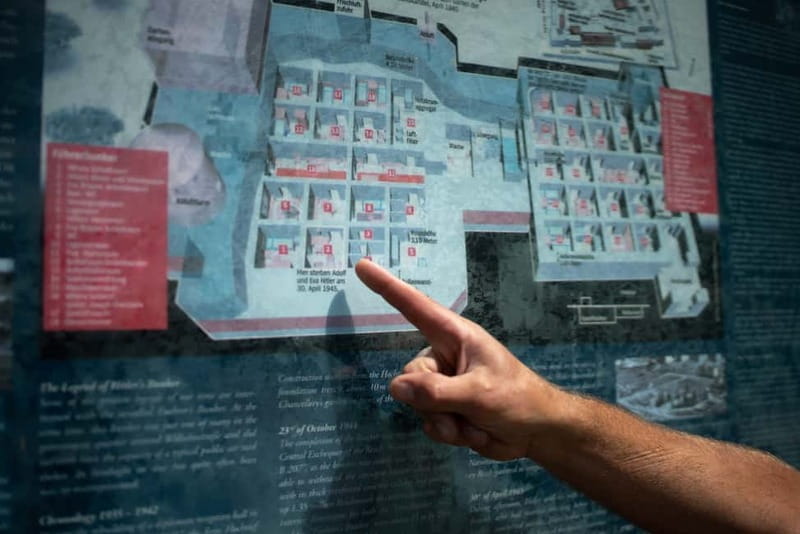
- Führer Bunker location and the story of Hitler’s final days
- Topography of Terror for the “what happened and why” behind the sites
- Soviet War Memorial in Tiergarten, flanked by T-34 tanks and Red Army howitzers
- Brandenburg Gate and the Nazi plan for Germania along Hitler’s intended axis
- Nazi power center locations, including the site of Hitler’s New Reich Chancellery
- Holocaust Memorial stop for context you can’t get from postcards
Why this Nazi Berlin walk feels real, not textbook
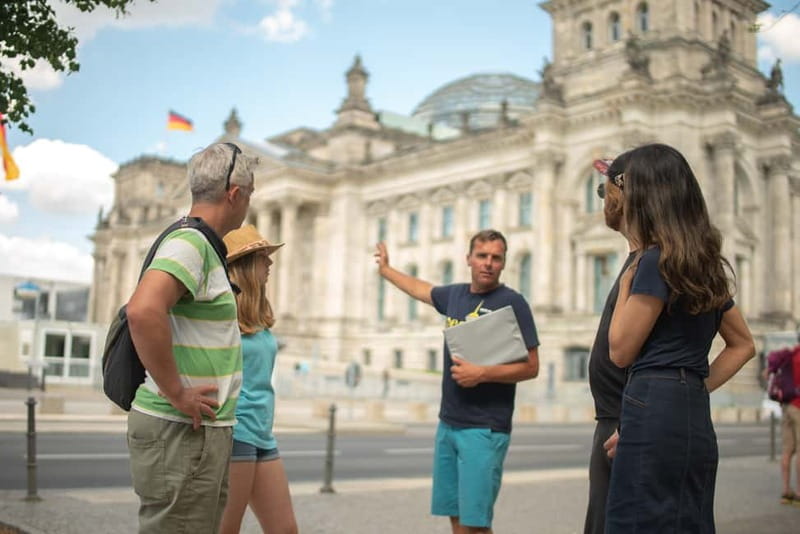
Berlin is one of those cities where the buildings keep changing, but the past still shows up. This tour uses that to your advantage. In roughly three hours, you’ll move from the political heart of the Third Reich to the physical markers of its collapse, then into the memorial landscape that came after.
What I like is that it doesn’t just point out sites. The guide links the dots: Nazi bureaucracy, propaganda, policing, then the last-stand chaos at the end. You get a sense of cause and effect, not just a list of atrocities.
And yes, the tone is serious. But it’s also tightly organized. You won’t feel lost, because each stop has a job: set the scene, show the power, explain the violence, then show the aftermath.
You can also read our reviews of more walking tours in Berlin


Meeting outside Friedrichstraße: quick, clear, and easy to find
You’ll start outside Friedrichstraße train station. The guides meet you on the square between the Tränenpalast (Palace of Tears) and the station.
Look for guides wearing a blue lanyard and a yellow name tag, often holding yellow umbrellas. If you’re habitually early (I hope you are), you won’t feel rushed. This meeting point is practical because it connects well with transit, and the tour begins where you can actually orient yourself.
Friedrichstraße and the Reichstag area: where power tightened
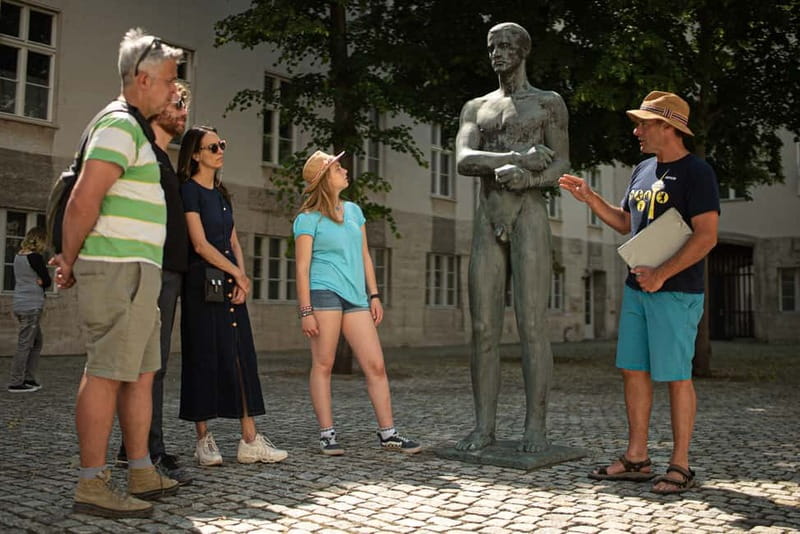
Your first city moment is Friedrichstraße, a photo stop with guidance. This is a useful warm-up, because it places you in the Berlin that served as a stage for Nazi rule and wartime decisions.
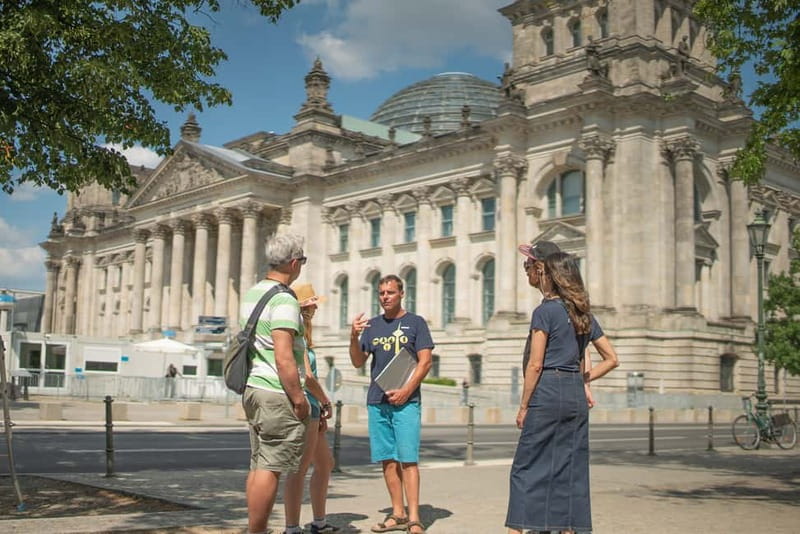
Then comes the Reichstag area. The guide uses it to explain the final battlefield phase—how Berlin became the last, desperate target. Even if you’ve seen the Reichstag in photos, standing near it with the war-story in your head changes the view. It’s no longer just a landmark; it’s part of the endgame.
A practical note: this section is fast. You’ll get time to look, but you should keep your phone charged and your walking pace steady.
Holocaust Memorial stop: the respect-and-context moment
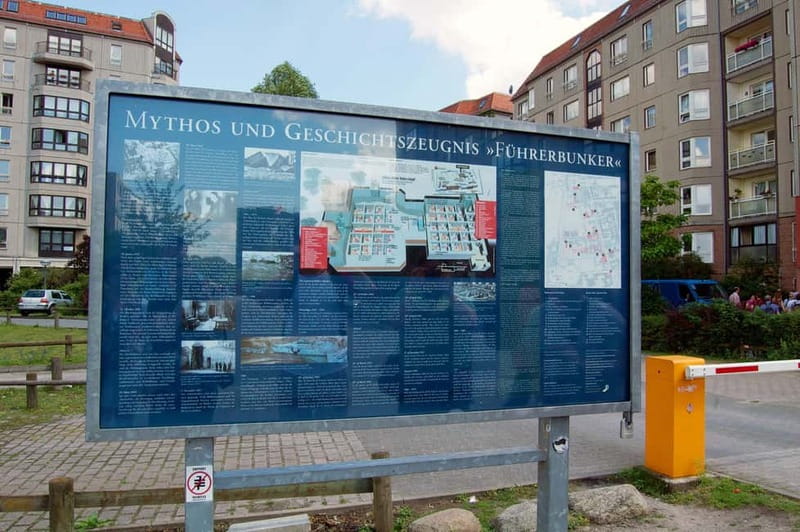
The route includes a stop at the Holocaust Memorial. You’ll get a guided explanation here, and that matters because memorials can feel abstract if you only skim.
This part of the tour is usually where the mood shifts from history-setting to moral weight. The guide’s job is to keep the focus on victims and lived reality, not on shock value. I like this structure: Berlin’s “facts” and “feeling” are handled in the right order.
If you’re traveling with kids, this is also a moment where you can ask how the guide keeps the story age-appropriate. From the range of group feedback, guides often manage to keep pre-teens engaged without turning it into cartoons or trivia.
Soviet War Memorial in Tiergarten: the victory that came with machinery
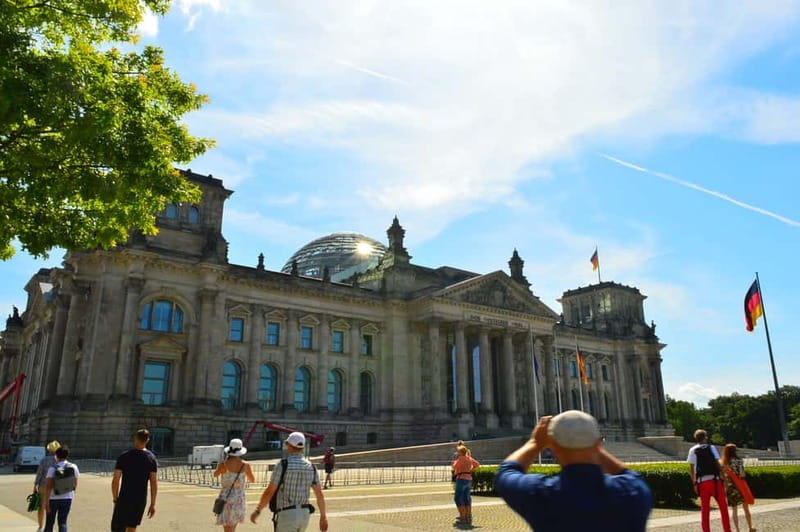
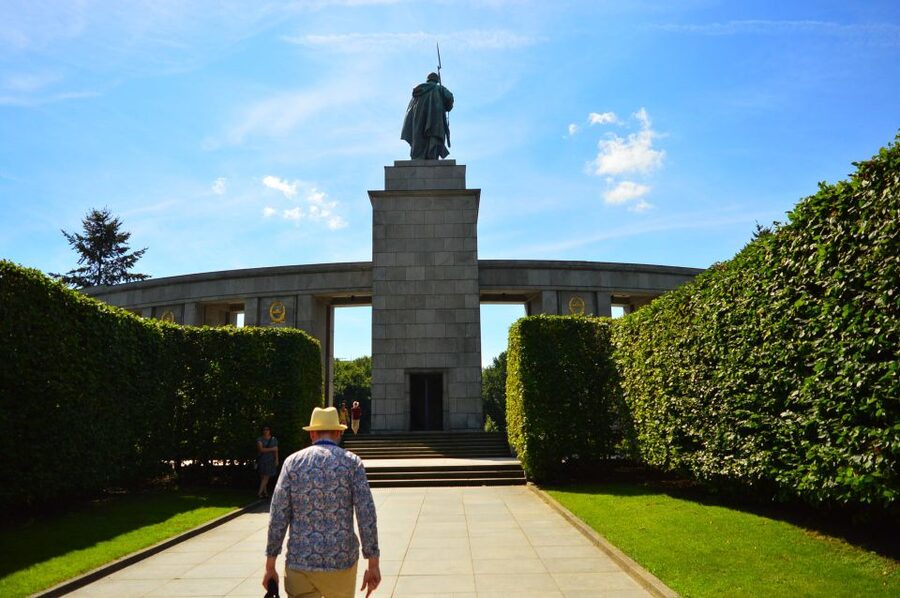
Next you head to the Soviet War Memorial in Tiergarten. This stop isn’t only about names; it’s about the physical language of power—what victory looked like on the ground.
You’ll be flanked by T-34 tanks and Red Army howitzers, and the guide uses that backdrop to explain the Soviet assault and the direction of the final push. Seeing heavy equipment beside memorial walls does something subtle: it stops the war from feeling like distant theater. It brings the end back to scale.
Also, this is a good place to catch your breath. The tour keeps moving, but the setting gives you a chance to take in the space and let the story settle.





Hitler’s bunker and the New Reich Chancellery: the regime’s last rooms
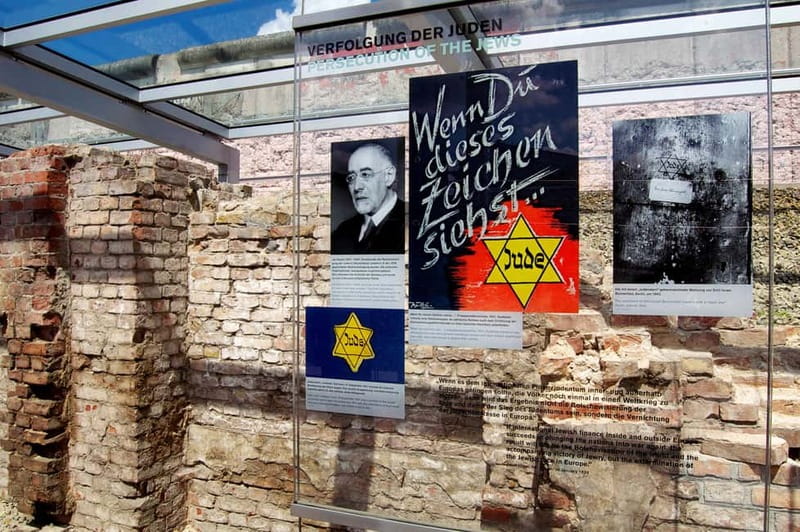
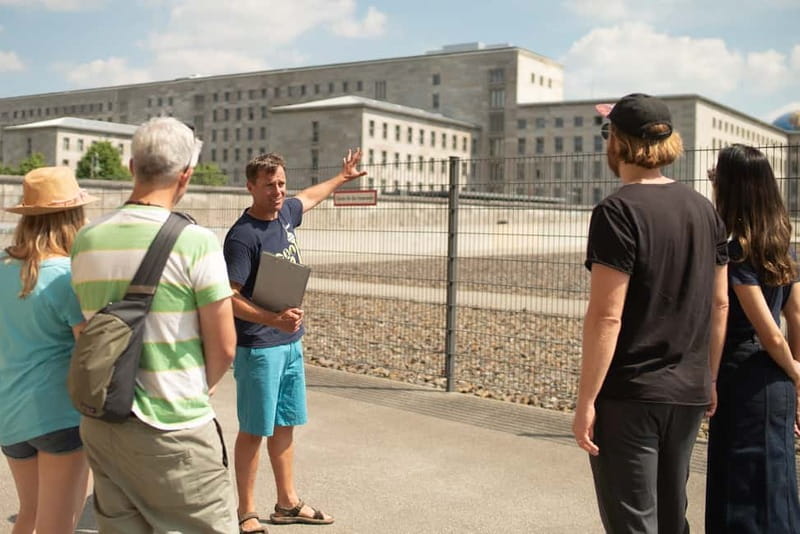
This tour includes the Führer Bunker area, plus the site of Hitler’s New Reich Chancellery—the seat of power of Nazi Europe. These are some of the most difficult stops in Berlin history, and the guide handles them with a careful narrative arc: from planning and domination, to collapse, to the regime’s end.
What to expect here is less “museum viewing” and more guided standing-and-referencing. The guide lays out where you are and why it mattered, including the story of Hitler’s final days and what happened afterward to his remains.
And because so much of the bunker is gone, you rely on the guide to rebuild it in your mind. That’s why the tour’s focus on step-by-step explanation is such a big deal. Without that, the location can feel like a mystery. With it, it becomes a point in the chain of events.
Detlev-Rohwedder-Haus and Nazi power geography along the Germania axis
After the bunker focus, you’ll move through the area around Detlev-Rohwedder-Haus and the broader Nazi power geography. The guide also connects this walk to Hitler’s planned vision of Germania, including the axis designed by Albert Speer.
This part is interesting because it shifts from “what happened” to “what was intended.” Nazi rule wasn’t only violence; it was also obsessed with architecture, spectacle, and control. Walking this axis helps you understand how ideology tried to shape the city itself.
You may also hear about other command and propaganda hubs from the Third Reich era, including the kind of ministries that planned the Blitz and ran propaganda and the terror apparatus. Even when the original structures aren’t standing, the guide anchors the story to what used to be there.
Don’t expect scenery. Expect orientation. This is a history map drawn in real time.
Topography of Terror: where the story gets documented
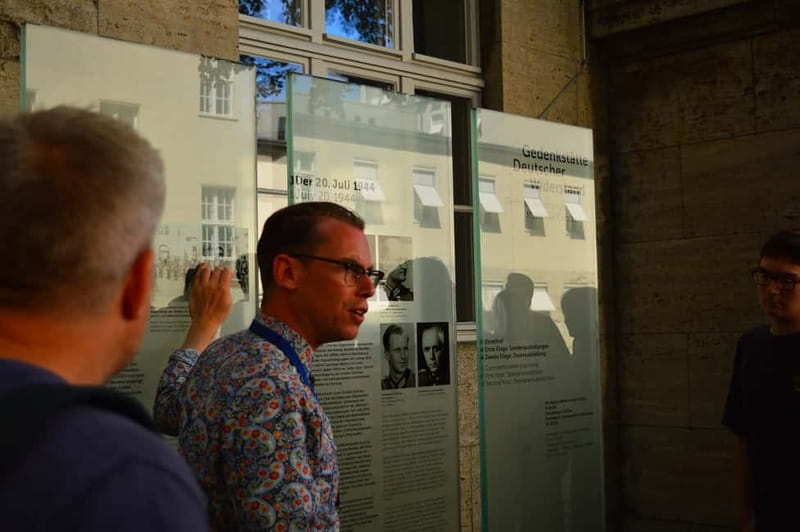
The tour finishes at Topography of Terror at the Dokumentationszentrum Topographie des Terrors. This is where the guided narration meets records and context, and it’s a strong way to end.
I like ending here because it helps you process what you’ve just heard. At the memorial stops, you deal with meaning. At Topography of Terror, you deal with evidence and explanation: what the Nazi system did and how it worked.
Even if you don’t have time for extra museum browsing after the walk, you’ll leave knowing where to go for more documentation. The drop-off point is also handy if you want to continue at your own pace.
Price and value: $19 for three hours of city-scale storytelling
At $19 per person and 3 hours, this tour is priced like a lot of city tours that show you pretty streets. Here, you get something more focused: major WWII sites tied together with a guide who explains rather than just points.
For me, the value hinges on two things:
1) You’re walking between multiple weighty locations in one loop, so you’re not piecing together logistics yourself.
2) The guide format matters. People repeatedly mention how guides keep the group involved through questions and clear explanations, even in challenging weather.
There’s also something quietly efficient here: the tour is structured into guided chunks (you’ll often get around 15 minutes per stop and then move). That keeps the pace manageable, even though the subject is heavy.
How to prep so the walk works for you
This tour runs rain or shine, so dress like you’ll actually be outside for a while, not like you’re popping out for photos. Wear comfortable shoes—you’re on city sidewalks for the full three hours.
If you’re sensitive to cold, bring gloves or layers. There have been plenty of winter bookings, and the tour continues in bad weather. It’s Berlin, not a sheltered museum wing.
If you’re with family, you might appreciate that guides often keep younger participants engaged. One common theme from group feedback: guides manage to explain tough history in plain terms and still honor the seriousness.
Small groups and private options: when you want more control
This is offered as private or small groups available. That matters because it usually means more room for questions and less time waiting for everyone to catch up.
There’s also pickup optional for private options. If you’re doing that, you’ll meet your guide in the hotel lobby about five minutes before your pickup time. The guide will be easy to spot by their yellow name tag.
If you want a calmer pace or more conversation, private options are worth considering, especially for families or anyone who wants to ask follow-ups on specific topics.
Who should book this tour, and who might want a different pace
Book this if you want:
- A focused, guided route through Nazi-era and WWII Berlin sites
- Serious context at the Reichstag area, the Holocaust Memorial, the bunker/chancellery area, and Topography of Terror
- A tour where the guide explains the story step-by-step, not just the addresses
You might skip it (or pair it with lighter sightseeing) if you prefer upbeat history tours. This one is about the darkest parts of Europe’s twentieth century, and that weight follows you afterward.
Should you book the Berlin Third Reich, Hitler, and WWII Walking Tour?
Yes, if you want a strong value way to connect major WWII locations without guesswork. At $19 for three hours, it’s a practical buy for the level of guided explanation you get, and the stop sequence is built to help you understand the system and its end, not just see the places.
Just go in prepared for the tone. Bring good shoes, dress for weather, and give yourself time afterward to sit with what you learned—especially after the Führer Bunker and Holocaust Memorial moments.
If you want Berlin that feels meaningful, not just scenic, this is the walk.
FAQ
How long is the Berlin Third Reich, Hitler, and WWII Walking Tour?
The tour lasts 3 hours.
What is the price per person?
It costs $19 per person.
Where do I meet the guide?
You meet the guide outside Friedrichstraße train station, on the square between the Tränenpalast (Palace of Tears) and the station.
What languages are available?
The live guide is available in English, German, and Spanish.
Does the tour run in bad weather?
Yes, it operates rain or shine.
Is pickup available?
Pickup is optional only for private options. You would wait in the hotel lobby about 5 minutes before the scheduled pickup time.
What should I bring?
Wear comfortable shoes and comfortable clothes, plus weather-appropriate layers.