REVIEW · BANGKOK
Bangkok: Chinatown by Night Walking Tour
Book on GetYourGuide →Operated by Vox City Walks · Bookable on GetYourGuide
Chinatown looks different after dark, and this walk is why. You’ll stroll with a live English guide through iconic gates, old shopfronts, and late-night eating streets, plus you’ll get three self-guided routes in the Vox City app for more wandering afterward. I especially like the way the tour turns signage and storefronts into real stories—gold trading, the bird’s nest economy, and the Chinese-Thai mix that shows up everywhere in Yaowarat.
Two things I really like: first, the food-and-trade pairing (you’re not just snapping photos; you learn what you’re seeing and what people actually order). Second, the handoff to self-guided exploring via the Vox City app routes, so the tour isn’t just 90 minutes and done. One thing to plan for: headphones and food/drinks aren’t included, so you may want to budget for snacks and bring your own headphones for the app audio.
In This Review
- Key highlights to look for on Chinatown by Night
- Why Bangkok’s Chinatown Gate and street food work so well at night
- Getting there from Hua Lamphong MRT Exit 1 (and starting without stress)
- Chinatown Gate: the first lesson in how old trade shapes tonight
- Yaowarat toasted buns and the logic of snack stops
- Gold trade storytelling at Chin Hua Heng and the market of shine
- Bird’s nest and shark fin stops: how niche goods become big business
- Berlin Pharmaceutical Museum: a pause for the commercial past
- Wat Mangkon Kamalawat: where faith lives beside trade
- Charoen Krung Road and Plaeng Nam Road: the wider streets that connect everything
- Nana Tai Alley and the lane experience: where the atmosphere feels real
- The Mustang Blu and Tang Toh Kang 陳焯剛: modern labels on old streets
- How to use the Vox City app after the 90 minutes
- The value question: is $18 worth it?
- Who this tour suits best (and who might want something else)
- Quick practical advice for a smoother night walk
- Should you book Bangkok’s Chinatown by Night?
- FAQ
- How long is the Bangkok Chinatown by Night walking tour?
- What does the tour cost?
- Where do I meet the local expert?
- What language is the live guide?
- Do I get headphones with the tour?
- Is street food included?
- Do I need the Vox City app?
- Can I cancel?
Key highlights to look for on Chinatown by Night
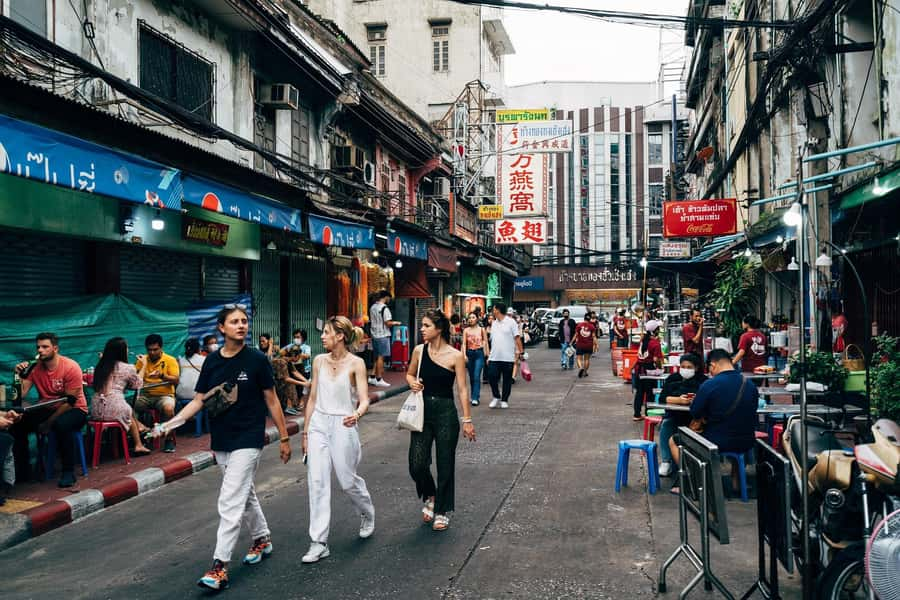
- A live English guide who explains what you’re passing and why it matters
- Street-food moments built into the route, with dish guidance as you go
- Iconic landmarks in one walk, starting from Hua Lamphong and looping back
- Shopfront stories tied to the gold trade and specialty goods like bird’s nest
- Vox City app add-on routes so you can keep exploring after the guided portion
- Small-group energy or even 1:1 when bookings are light
Why Bangkok’s Chinatown Gate and street food work so well at night
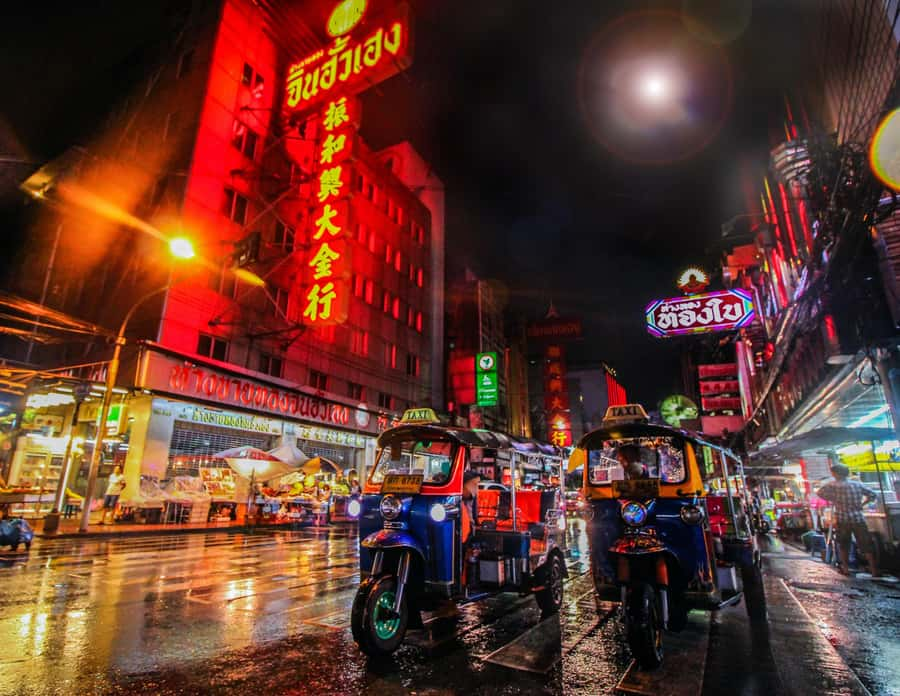
Night changes the texture of Chinatown. The pace slows just enough for you to notice details: what’s being sold, how shop owners present products, and how food counters stay busy long after sunset. The real win here is that the tour doesn’t treat Chinatown like a theme park. It treats it like a working neighborhood where commerce, culture, and eating all overlap.
I also like the storytelling style because it’s tied to what’s in front of you. When you see gold shops, bird’s nest-related businesses, or long market lanes, you get context for how people built livelihoods here. In practice, this makes your own follow-up walks more rewarding—you’ll recognize patterns instead of just seeing crowds and neon.
One more plus: guides vary, but multiple people highlight the value of having a local voice. Names that come up often include Nam, Dan, Fern, Mam, Geng, Pol, and Bass. Even when the guide is different, the format stays consistent: walk, pause, explain, move on.
You can also read our reviews of more walking tours in Bangkok

Getting there from Hua Lamphong MRT Exit 1 (and starting without stress)
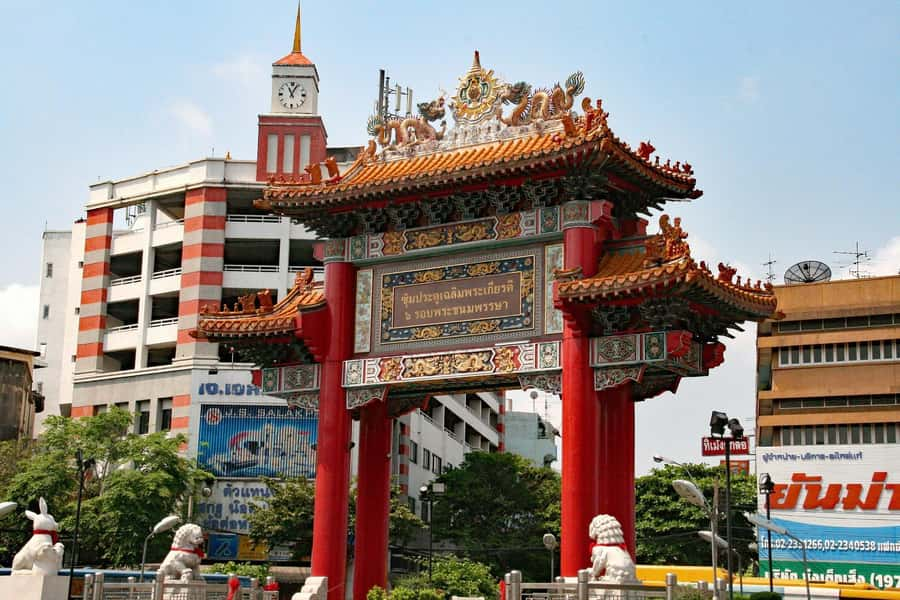
The tour starts at Hua Lamphong, meeting your local expert outside the main exit number 1 of MRT Lua Lamphong. This is a practical starting point because Hua Lamphong sits on a major transit axis—easy to reach compared with tours that start deep in the residential grid.
Plan to arrive a few minutes early. At night, signage can be busy and streets can feel packed fast. If you’re new to Bangkok, this is one of those walks where getting oriented early matters, because after the first leg, you’ll be in lane-and-side-street territory.
Once you’re with the guide, you’ll get the route rhythm. The walk is designed to keep moving at a comfortable pace for about 90 minutes, with stops that break up the trip into meaningful chunks instead of a nonstop stroll.
Chinatown Gate: the first lesson in how old trade shapes tonight
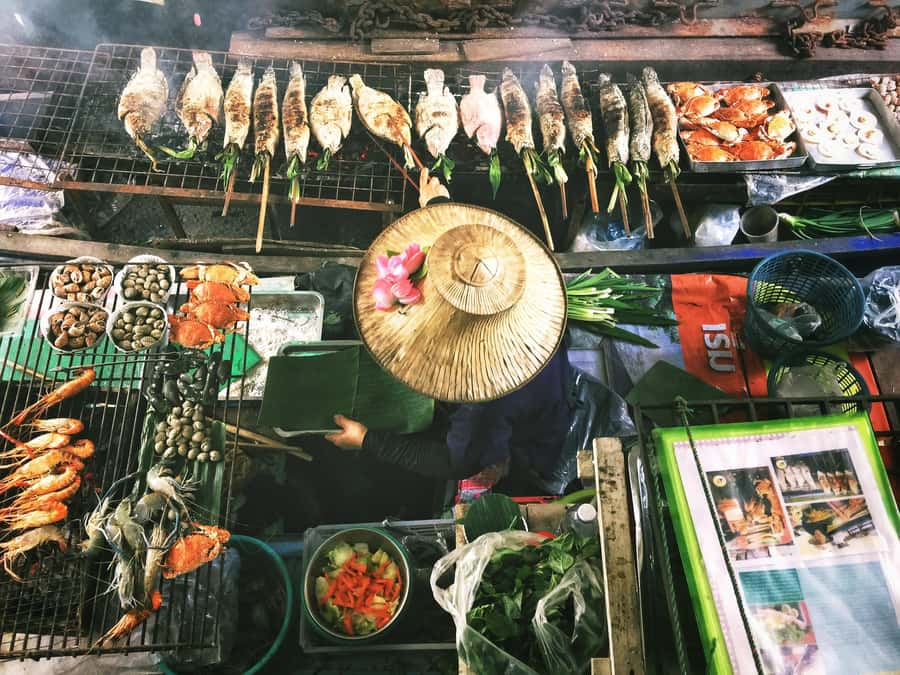
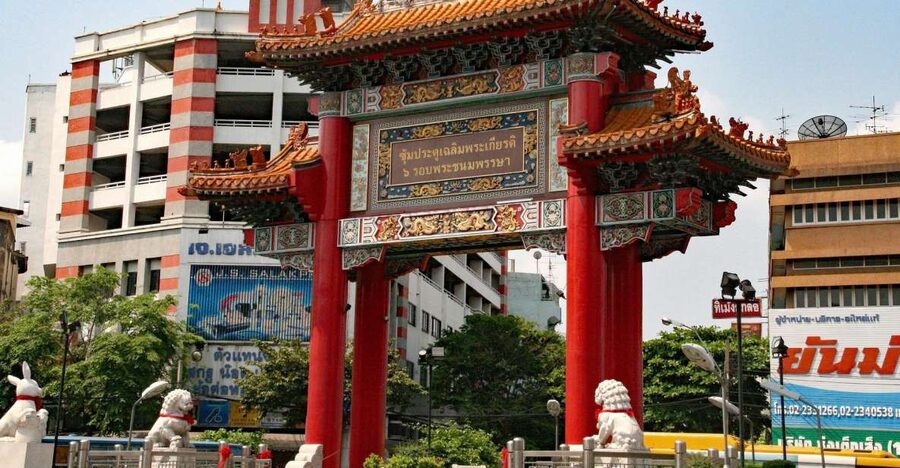
One of the first big visual cues is the Chinatown Gate. Even if you’ve seen gates like this in other places, the difference here is how the guide connects it to the commercial identity of the area. You’re not just looking at a landmark. You’re reading the neighborhood’s “welcome sign” as a piece of local history and branding.
This is a smart start because gates give you a mental anchor. After that, everything feels easier to navigate—especially if you plan to use the app afterward. It’s also when you’ll likely get a quick orientation on what the rest of the night is going to focus on: trade goods, street food, and the shopfront style that defines Yaowarat after dark.
Yaowarat toasted buns and the logic of snack stops
A highlight stop is Yaowarat Toasted Buns. This is exactly the kind of Chinatown food moment that works on a walking tour: it’s portable, fast, and part of the street rhythm. More importantly, the guide doesn’t treat it like random eating. You get cultural insights and explanations tied to what you’re tasting and why it’s popular.
If you’re the type who wants to try foods but doesn’t want to guess, this section is for you. You’ll see how a snack counters runs during peak evening energy, and you’ll learn what to look for when you’re ordering again on your own.
Just keep expectations realistic. The tour description says you’ll taste popular street food, but the listing also says food and drinks aren’t included. So think of this as: you’ll likely get snack sampling, but you should still be ready to pay for extras you want beyond what’s offered during the walk.
Gold trade storytelling at Chin Hua Heng and the market of shine
Next comes a shopfront stop tied to the gold trade, including Chin Hua Heng Gold Shop. This is where the tour shifts from “what does it look like?” to “what does it mean?” Gold isn’t just a product—it’s a business built on trust, supply chains, and long-running community networks.
At night, you’ll notice more than daytime visitors often do: the lighting, the display style, and how shopfronts create a sense of permanence even as trends change. The guide’s job is to connect those visuals to the bigger picture—why certain businesses stayed, why the street layout supports trade, and how Chinatown’s economic identity shows up in storefront choices.
For me, this is one of the most useful parts of the tour because it changes how you walk afterward. You stop seeing “shops” and start seeing “systems.”

Bird’s nest and shark fin stops: how niche goods become big business
You’ll also pass specialty businesses connected to bird’s nest and related delicacies, including สยามรังนกทะเลใต้ and Nam Sing Bird’s Nest- Shark Fin. Even if you don’t plan to order everything, this is valuable context for understanding what makes Chinatown commerce so specific.
Night markets can be noisy, but the guide helps you slow down for a second and understand the product story. Why bird’s nest is so culturally tied to status and tradition. Why these goods are marketed in a way that’s instantly recognizable on the street. Why shopfront names and signage matter.
If you’re a food-curious traveler, this section helps you build confidence. You’ll know what questions to ask later and what items mean when you see them on menus. If you’re not into trying certain foods, no problem—you can still learn and just watch the process and packaging style as you go.
Berlin Pharmaceutical Museum: a pause for the commercial past
Another stop on the route is the Berlin Pharmaceutical Museum. The name alone tells you this is not a typical “tourist-only” landmark—it sounds like a commercial heritage spot tied to medicine or pharmacy trade.
This is one of those places where a guide really helps. The value here isn’t that you’re guaranteed a museum-style visit with a checklist. The value is the context you get as you pass: how Chinatown held different kinds of commerce, how trade shifted over time, and how certain businesses left a visible footprint.
If you’re the kind of traveler who likes architecture-and-signs more than big museum hours, you may enjoy this part precisely because it’s woven into the night walk.
Wat Mangkon Kamalawat: where faith lives beside trade
One of the most meaningful landmarks on the route is Wat Mangkon Kamalawat. Even though the tour is about Chinatown by night, the temple stop matters because it shows the community layer underneath the commercial layer.
You’ll get a guided look tied to how Chinese communities and Thai culture intersect in this area. At night, temples can feel calmer and more focused than the street lanes. That contrast is useful: it gives you a reset before you head back into roads full of lights and signs.
This is also a stop where you can practice respectful travel. You’ll be walking and sightseeing, so keep your voice down, mind your steps, and follow the guide’s timing.
Charoen Krung Road and Plaeng Nam Road: the wider streets that connect everything
After the more focused Chinatown stops, the tour moves you through major roads such as Charoen Krung Road and Plaeng Nam Road. These are the connectors—places where you can see how the neighborhood plugs into broader Bangkok traffic and where the “Chinatown identity” meets the city’s flow.
This part is great for two reasons:
1) you get a sense of geography fast, and
2) you can understand why some lanes are feeders while bigger roads carry movement.
If you tend to get disoriented in a new city, these “breathing space” road segments help you keep your internal map straight.
Nana Tai Alley and the lane experience: where the atmosphere feels real
Later in the route, you’ll pass through Nana Tai Alley. This is the kind of stop that makes a night tour worthwhile, because alley life is where you see the neighborhood’s day-to-day vibe. You’ll likely notice tighter storefront spacing, more foot traffic, and signage that feels made for people walking close.
This is also where the guide’s timing matters. If it’s a busy evening, the guide helps you move without turning the whole walk into a stop-and-start photo session. You’ll get enough time to take in what matters and still keep going.
If you like authentic street scenes over landmark stacking, the alley portion is where you’ll start to feel like Chinatown is yours to wander.
The Mustang Blu and Tang Toh Kang 陳焯剛: modern labels on old streets
Two more name stops you’ll pass by are The Mustang Blu and Tang Toh Kang 陳焯剛. These sound like shopfronts or business locations with distinct branding, and that’s the point.
Even when Chinatown keeps its older bones, the storefront signs change. Seeing these kinds of labeled places tells you the area isn’t frozen in time. It’s active, adapting, and still driven by commerce.
Because the tour is guided, you won’t just read them as random text. You’ll get local context to help you understand what role these businesses play in the street economy today.
How to use the Vox City app after the 90 minutes
Here’s a part I think many short tours forget: what happens after you finish. This one includes three self-guided walking tours in the Vox City app, and the Chinatown by Night pass can be combined with them.
You’ll download the app via the QR code on your voucher, then log in to see suggested routes. The big benefit is you can keep exploring at your own pace without guessing where to go next. The route suggestions also include everything from major landmarks to less obvious corners, which helps you avoid repeating the same busy streets all over again.
Practical tip: before your tour starts, make sure your phone is charged enough for evening use. Then, once the guided walk ends, you can plug in headphones and follow the app routes while you still remember what you learned.
The value question: is $18 worth it?
At $18 per person for about 90 minutes with a live English guide, the value is mainly about what you’re buying: access to local context plus a structured route through a confusing area.
If you tried to do this alone, you could spend hours bouncing between landmarks and missing the “why” behind what you’re seeing. This tour saves time because the guide connects the trade goods—gold, bird’s nest, specialty food—and the streets you’ll later want to revisit.
Also consider the add-on value: the three self-guided walking tours in the app. Even if you only use one of them, the guided night experience still pays off. Just budget for small extras since headphones and food/drinks aren’t included.
Who this tour suits best (and who might want something else)
This is a strong match if you want:
- a first-time orientation to Chinatown at night
- street food guidance without full-on chaos
- a route that mixes major landmarks with side streets
It’s also good if you’re solo. Some people end up with a small-group vibe or even a near-private experience when bookings are light, and that can make the Q&A feel easier.
You might want to choose a different kind of tour if you’re looking for a long sit-down meal format or a fully ticketed museum day. This is a walking tour. The goal is motion + context, not long indoor stops.
Quick practical advice for a smoother night walk
- Bring your own headphones if you plan to use the Vox City audio routes.
- Wear shoes you can walk in comfortably for 90 minutes. Side streets add up fast.
- Expect street energy: lights, smells, and crowds. If you get overwhelmed, follow the guide’s pacing rather than trying to “beat the crowd.”
- If you’re using ride-hailing for your return, it can help to ask for practical advice on the moment. Some guides have helped first-timers with transport setup.
Also, keep an eye on weather. Even with rain, the walk format can still work because guides can adapt the pace and path.
Should you book Bangkok’s Chinatown by Night?
I’d book it if you’re excited by night street life and you want more than a photo walk. For the money, you get the basics that matter in Chinatown: a guide-led route that points you to what’s important, plus app tools so you can keep exploring afterward.
Skip it only if you’d rather plan your own food stops with zero structure or you don’t want to spend any extra cash on snacks. For most people, though, this is a smart first evening in Bangkok’s Chinatown—short enough to fit anywhere, focused enough to actually teach you the neighborhood.
FAQ
How long is the Bangkok Chinatown by Night walking tour?
It lasts about 90 minutes.
What does the tour cost?
The price is $18 per person.
Where do I meet the local expert?
Meet outside the main exit number 1 of MRT Lua Lamphong (Hua Lamphong area).
What language is the live guide?
The live tour guide is available in English.
Do I get headphones with the tour?
No. Headphones are not included.
Is street food included?
Food and drinks aren’t included. The tour may include tasting street food during the walk, but you should expect to pay for what you want.
Do I need the Vox City app?
Yes. Download the Vox City app and scan the QR code on your voucher to access the maps and suggested routes.
Can I cancel?
You can cancel up to 24 hours in advance for a full refund.