REVIEW · BERLIN
Berlin: Gay Berlin Out in Schöneberg Walking Tour
Book on GetYourGuide →Operated by Sonderweg-Berlin · Bookable on GetYourGuide
Schöneberg is where queer Berlin becomes real on your feet. This 2.5-hour guided walk traces the neighborhood’s rise between the world wars, the community pressure of Nazi years, and the neighborhood’s return as West Berlin’s gay district.
I especially like the stop-by-stop storytelling around the Nationalhof and the El Dorado cabaret site on Motzstraße. And I like how the guide brings names, context, and atmosphere together without making it feel like a lecture.
One consideration: you’re on your feet for most of the tour, and no food or drinks are included, so come ready with water and plan for weather.
In This Review
- Quick hits before you go
- Why Schöneberg matters for queer Berlin (and for your trip)
- The 2.5-hour format: how to make the most of it
- Nollendorfplatz area: getting oriented to the neighborhood’s map
- Nationalhof: the gay rights movement’s local heartbeat
- Hollandais club and Kleist Casino sites: interwar nightlife with consequences
- Motzstraße and El Dorado: cabaret culture at street level
- Christopher Isherwood on Nollendorfstraße: literature as part of the movement
- Schwerin Straße lesbian quarter and Eisenacher Straße today
- Tobias as the guide: what the tour does so well
- Price value: why $23 can make sense in Berlin
- Who this tour fits best
- Practical advice so you enjoy the walk more
- Should you book the Berlin: Gay Berlin Out in Schöneberg Walking Tour?
- FAQ
- How long is the Schöneberg walking tour?
- What does the price include?
- Are food and drinks included?
- What languages is the guide speaking?
- Where do I meet the guide?
- Can I request special times or meeting points?
Quick hits before you go
- Nationalhof stop that connects local nightlife to organized gay rights momentum
- Motzstraße + El Dorado for a close-up look at cabaret culture and visibility
- Christopher Isherwood home on Nollendorfstraße and why his writing mattered
- Interwar to 1960s comeback storyline, tied to the streets you’re walking today
- Lesbian quarter around Schwerin Straße plus everyday street-level queer life
- Tobias as a guide: personal, funny when appropriate, and heavy on visual materials
Why Schöneberg matters for queer Berlin (and for your trip)
Berlin has always carried layers—some celebrated, some erased, some stubbornly preserved. Schöneberg, especially around Nollendorfplatz, is one of the best places to understand that layering because you can literally walk from one era to the next.
This tour is built around the idea that queer community doesn’t just appear out of nowhere. It forms in specific streets, specific venues, and specific social networks. You’ll hear about the interwar years—when parts of the city had a rare kind of freedom—and then you’ll see how that same community later had to survive new pressures. The walk then carries you forward to the 1960s resurgence, when West Berlin’s gay district identity re-emerged and spread from there.
For you, that means the sights aren’t just “pretty buildings” to photograph. They’re clues. The street names and venue locations help you read Berlin like a story: politics, nightlife, literature, and daily life all stacked together.
You can also read our reviews of more walking tours in Berlin


The 2.5-hour format: how to make the most of it
This is a walking tour that lasts about 2.5 hours, with a live guide in German or English. The meeting point can vary depending on the option you book, so expect to confirm the exact spot when you reserve.
What I like about this format is that it’s long enough to feel like a real neighborhood walk, but short enough that you still get your day moving. You’ll be able to pause, look at architecture, and ask questions as you go. Several guides’ accounts point to flexibility—being able to adjust when timing gets thrown off (for example, transport delays) and to take comfort breaks—so don’t worry that you’ll be dragged through nonstop pavement.
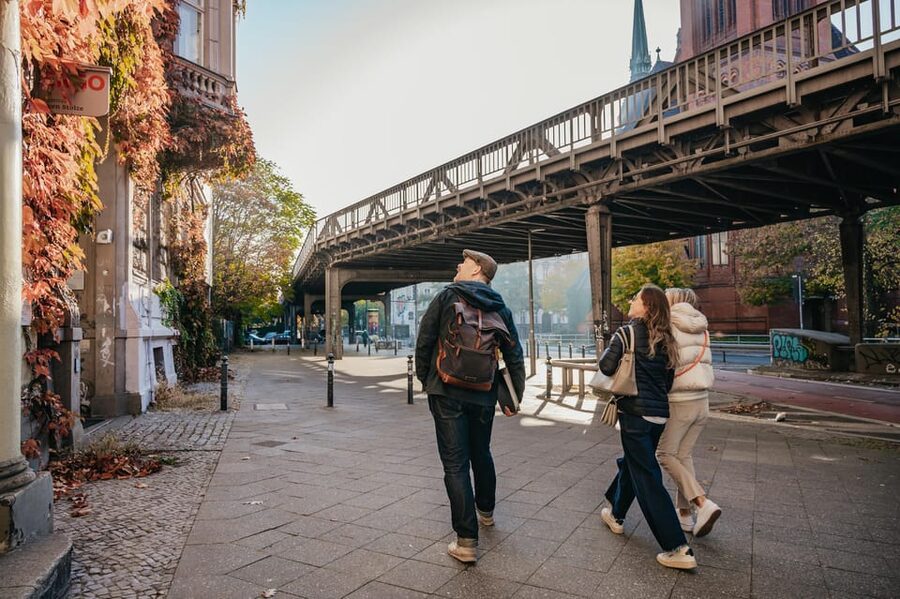
Wear walking shoes. Even in Berlin, the best way to get the “why” behind these places is to slow down, stand where a venue once stood, and pay attention to the street scale. The tour encourages exactly that.
Nollendorfplatz area: getting oriented to the neighborhood’s map
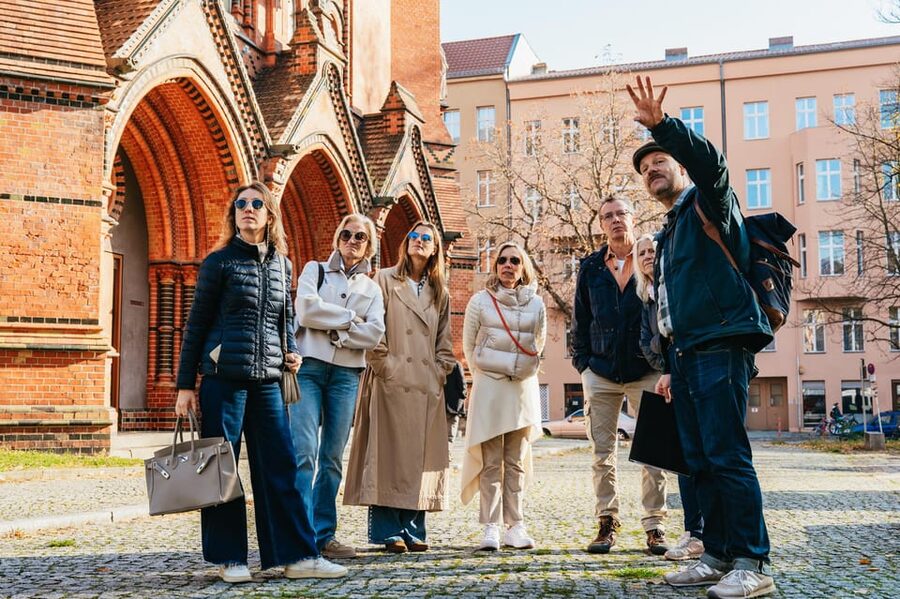
You start in the Nollendorfplatz orbit, which is smart because this part of Berlin feels like a crossroads. It’s easy to get there from many directions, and the streets are close enough that the history stays concentrated.
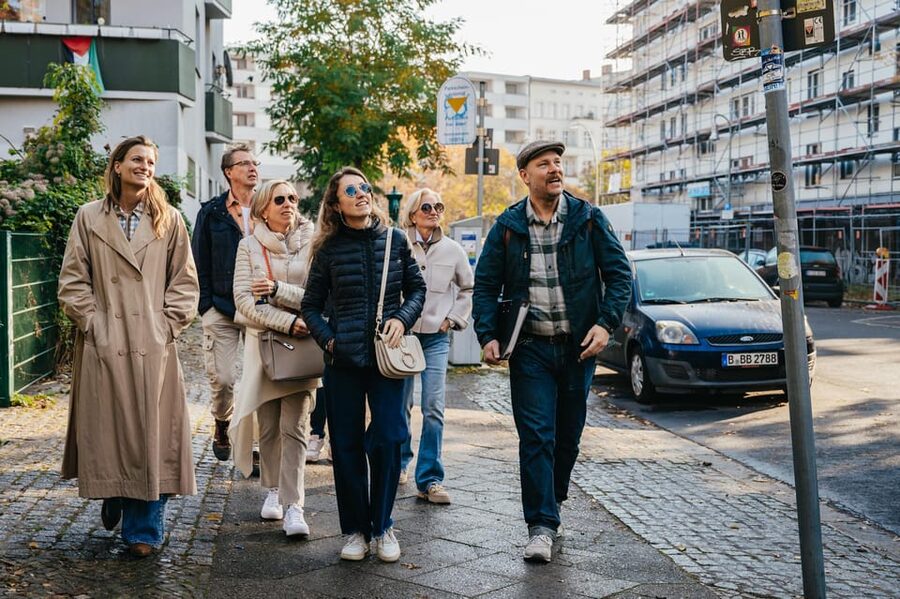
As you walk, the guide ties the geography to the human side of the story. You’re not only hearing about clubs; you’re hearing about where people met, where they felt safe, where visibility happened, and how that changed decade to decade.
This is also where Berlin’s city texture helps. Street names like Nollendorfstraße and Motzstraße aren’t just trivia—they act like signposts. You’ll learn which places were central in different periods, and then you’ll start noticing how the neighborhood functions today, not just how it used to function.
Nationalhof: the gay rights movement’s local heartbeat
The Nationalhof stop is one of the tour’s core anchors. You’re not just visiting an old address; you’re stepping into a place described as the heart of the gay rights movement.
That matters because it connects the dots between three things you might otherwise keep separate: nightlife culture, political organizing, and public identity. In many cities, queer life is talked about as nightlife. Here, the emphasis shifts toward how community energy could turn into rights-focused momentum.
When you stand around where the Nationalhof once operated, listen for what the guide stresses: this wasn’t only about entertainment. It was about people seeking recognition, safety, and a future where their lives didn’t have to be hidden.
If you like history that links culture to policy and lived experience, this stop will feel like the spine of the entire tour.
Hollandais club and Kleist Casino sites: interwar nightlife with consequences
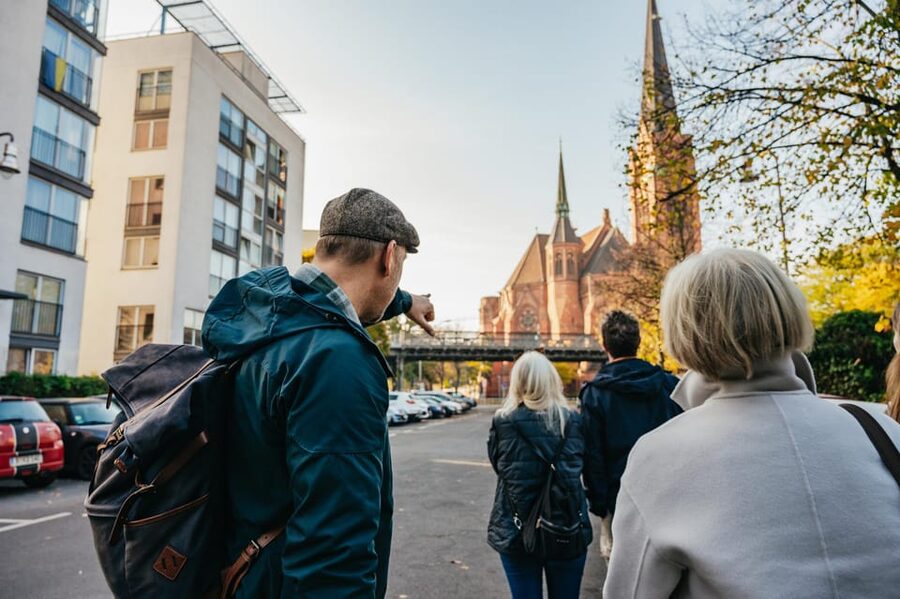
Another high-value part of the walk is the way it frames the interwar years not as a vague “golden age,” but as a specific social ecosystem. On this tour, you’ll hear about key venue locations such as the Hollandais club and the Kleist Casino.
These stops help you understand something important: venues weren’t only entertainment spots. They were meeting points—places where people could build networks, find community, and develop a shared public voice. Even when the broader political climate was shifting, these kinds of venues offered structure.
There’s also a subtle lesson here for your Berlin trip. You’ll start spotting how a city can change mood fast, and how culture can be both resilient and fragile. The guide’s approach—walking from one location to the next—lets you feel that change in a way a museum timeline can’t replicate.





Motzstraße and El Dorado: cabaret culture at street level
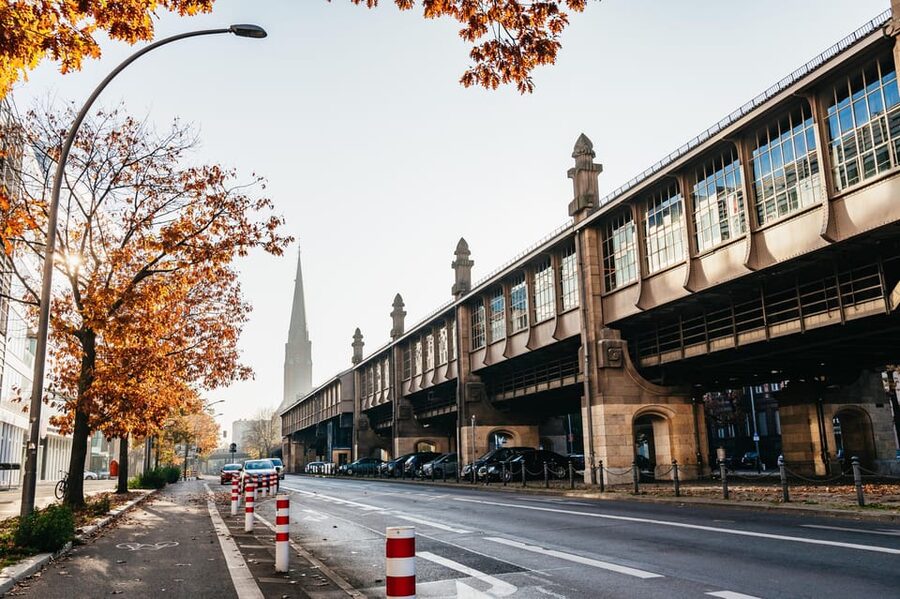
On Motzstraße, the tour points you toward the site of the famed El Dorado cabaret club. Cabaret mattered in Berlin because it mixed performance with identity—humor, satire, style, and visibility all in one package.
This stop is useful for you if you want more than dates and names. Cabaret history gives you texture: you learn what kinds of spaces welcomed self-expression, and you learn why public-facing culture could act like a pressure valve during tense times.
Also, El Dorado isn’t just a story about entertainment. It’s tied to the neighborhood’s reputation and the pattern of queer community having “go-to” places. Standing in the street context, you start to understand how the neighborhood earned its fame.
Christopher Isherwood on Nollendorfstraße: literature as part of the movement
One of the most meaningful stops is outside the former home of novelist Christopher Isherwood on Nollendorfstraße.
The key idea you’ll take away is that literature didn’t sit on the sidelines. Isherwood’s works are described here as forming an integral part of the Gay Liberation movement. That connection makes the tour feel wider than local nightlife history. It brings you into the larger question of how stories travel—and how representation can fuel organizing far beyond where a person lives.
For your own trip, this stop is a good reminder. Berlin isn’t only “sights and streets.” It’s also ideas on paper that moved across borders. If you like pairing your walking tours with reading, this is the kind of stop that can send you home with something to look up.
Schwerin Straße lesbian quarter and Eisenacher Straße today
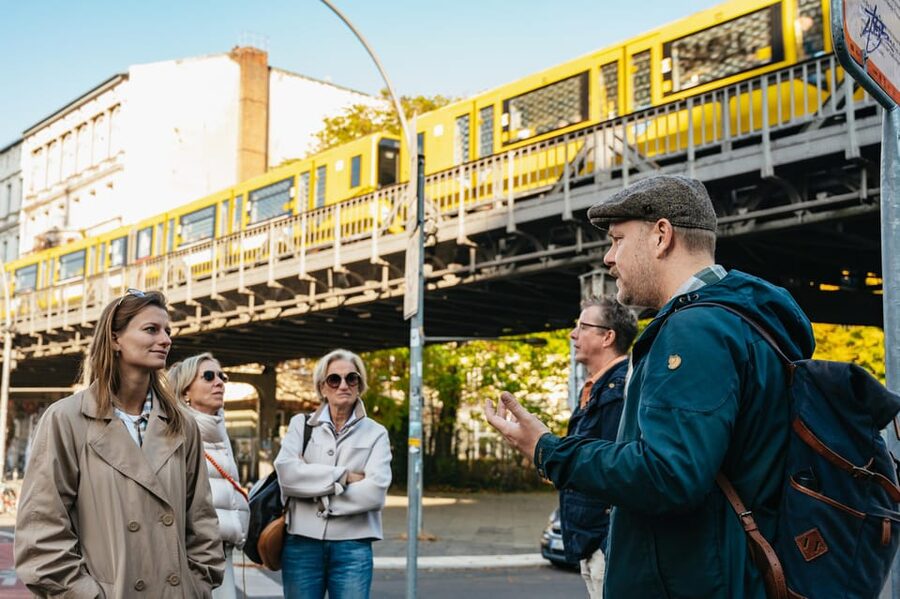
A smart part of the tour is the way it includes lesbian-focused space. You’ll walk through the lesbian quarter located on Schwerin Straße, and then continue along Eisenacher Straße, which still reflects varied life in the neighborhood.
This matters because it keeps the story from being a single-track narrative. Queer Berlin includes multiple communities and different social scenes, and the walk makes room for that.
What I like here is that the tour doesn’t treat lesbian life as an afterthought. The street-level route connects past community patterns to present-day street reality. You’re left with a feeling that this neighborhood’s identity isn’t only historical. It’s still in the way the area functions now.
For you, this section can be the most grounding part of the entire experience: history that ends with “and now you can look around” instead of “and that’s the end.”
Tobias as the guide: what the tour does so well
The tour’s reputation centers on the guide—Tobias—and the difference shows in the details you’re likely to notice right away.
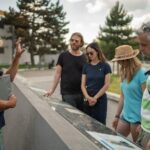
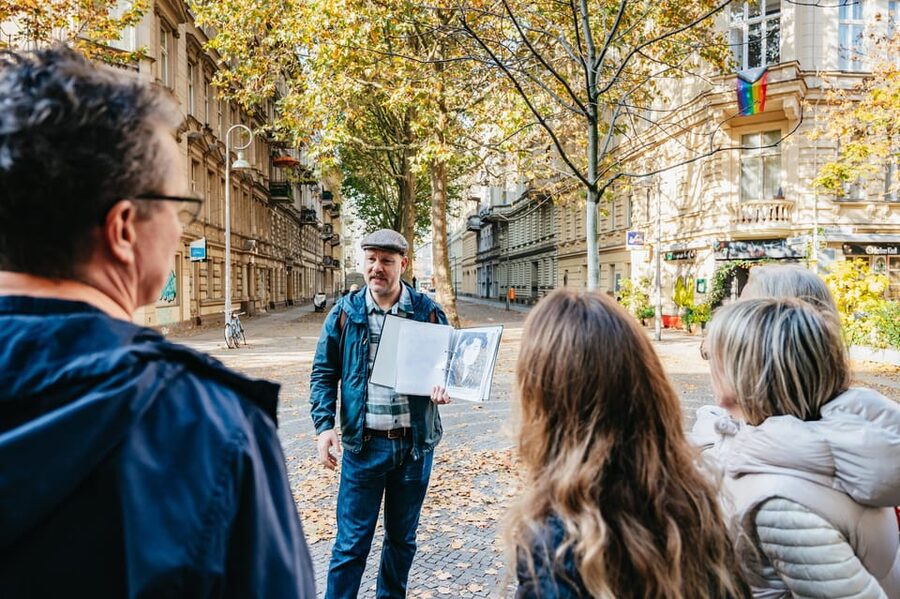
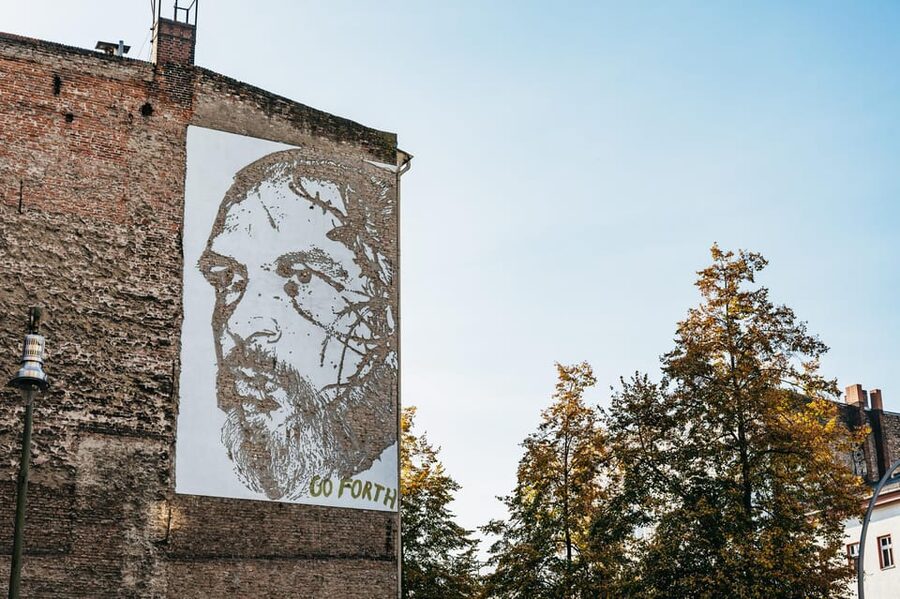
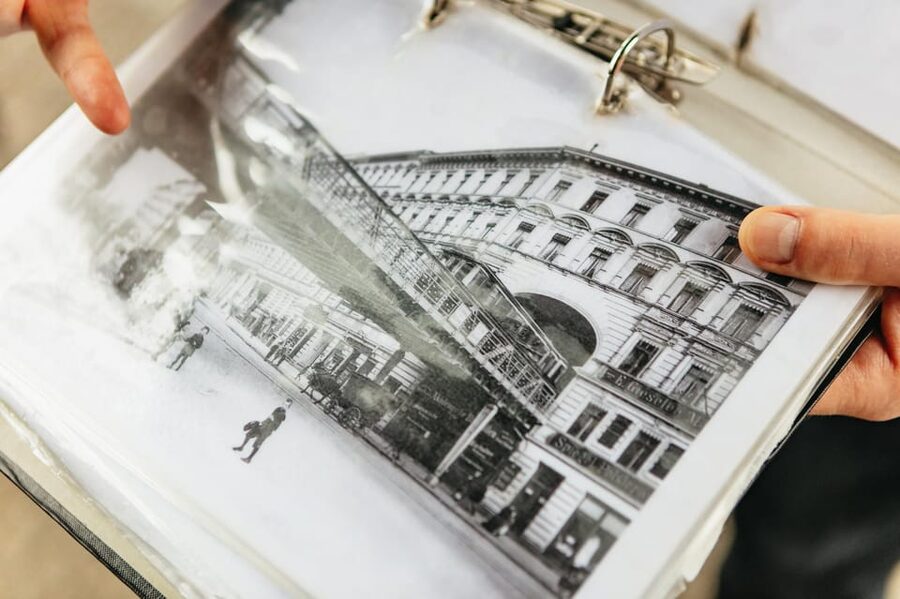
Here’s what repeatedly comes through in how the tour is described: in-depth knowledge, a warm personal tone, and a good sense of humor. The guide uses archive pictures and text, which is a huge help when you’re trying to picture a vanished venue on a modern street. Seeing historical visuals while you’re standing in the same general area makes the past feel less abstract.
You’ll also likely appreciate the human pace. The tour length feels right for asking questions, standing back to look at architecture, and getting context without feeling rushed. If you’re the type who likes to ask, Why here? How did this change? What happened next?—this format supports that.
And since the tour is offered in English and German, you’re not stuck figuring it out through translations on your phone.
Price value: why $23 can make sense in Berlin
At $23 per person for a 2.5-hour guided walk, the value comes down to one main thing: you’re paying for local interpretation of specific sites, not general sightseeing.
Berlin walking tours can be hit-or-miss when the route is broad and the history stays surface-level. Here, the tour focuses on places tied to queer community development—Nationalhof, El Dorado, and the Nollendorfstraße Isherwood connection—so the storytelling has built-in specificity. That specificity is what turns a walk into something you’ll remember when you’re back in your hotel room trying to place street names.
This is the kind of price point where you can do it early in your Berlin trip as an orientation move, especially if you want a queer lens that most standard sightseeing doesn’t cover.
Who this tour fits best
This is a great match if you:
- want queer history that’s tied to real street locations
- like neighborhood walks where the guide explains why places mattered
- enjoy stories that mix politics, culture, and daily life
- appreciate visuals like archive images and text while you walk
It may be less ideal if:
- you need a tour with built-in food stops (since none are included)
- you strongly prefer only one era and aren’t interested in the full time arc
Practical advice so you enjoy the walk more
A few things will help you get more from the experience:
- Bring water and something light to eat before you start, since no food or drinks are included.
- Dress for Berlin weather. It’s a street tour, and you’ll be outside for a while.
- Have one or two questions ready. If you can ask one thing like, How did community spaces change under pressure? you’ll get more out of the stops.
- Look at the street scene as if you’re mapping the past. The guide points out why specific corners and venues mattered, and you’ll learn faster if you pay attention to what’s in front of you.
Should you book the Berlin: Gay Berlin Out in Schöneberg Walking Tour?
If you want an efficient, focused way to understand queer Berlin through Schöneberg, I think you should book this tour. The route keeps the story grounded in places you can find again later, and the guide’s style—personal, funny when it fits, and supported with archive visuals—makes the history feel easier to grasp.
Book it especially if you’re curious about how queer community moved from interwar visibility into later eras of organizing and re-emergence in West Berlin. For $23, you’re getting a lot of meaning packed into 2.5 hours, not just a stroll.
If you’re the kind of traveler who wants minimal walking or who needs food/drinks scheduled into the itinerary, consider a longer sit-down-focused option instead.
FAQ
How long is the Schöneberg walking tour?
The tour lasts about 2.5 hours.
What does the price include?
The tour includes the walking experience and a live guide.
Are food and drinks included?
No. Food and drinks are not included.
What languages is the guide speaking?
The guide speaks German and English.
Where do I meet the guide?
The meeting point may vary depending on the option you book.
Can I request special times or meeting points?
Yes. Special dates, times, and meeting points for your group can be arranged according to your wishes, and you should name these when telephoning.
If you want, tell me your travel dates and whether you prefer English or German. I’ll help you choose a sensible time of day and how to pair this walk with nearby sights so you get the most from the neighborhood.