REVIEW · AMSTERDAM
Amsterdam: Anne Frank Walking Tour
Book on GetYourGuide →Operated by Trigger Tours · Bookable on GetYourGuide
Anne Frank’s story stays close to the street. This 2-hour walk connects her family’s journey from Germany to the time she spent hiding, then carries you through Amsterdam’s WWII Jewish neighborhoods and memorial sites. I especially like how it focuses on Anne Frank’s family story instead of only listing major sights.
Two things really work for me here. First, you get a guided route through places tied to Jewish life in Amsterdam during World War II, including the Jewish Quarter and the Portuguese Synagogue. Second, the tour’s delivery tends to be both moving and human—guides such as James, Aaron, and Andrea are praised for story flow, empathy, and answering questions without rushing. One drawback to keep in mind: the walk is intense in theme, and you also won’t get Anne Frank House tickets as part of this tour.
If you’re looking for a quick, meaningful way to understand Amsterdam in wartime, this is a strong pick—just wear comfortable shoes.
In This Review
- Quick hits before you go
- What You’ll Get from This Amsterdam Anne Frank Walking Tour (and Why It’s Worth It)
- Starting at Waterlooplein: How the Walk Sets the WWII Scene
- Portuguese Synagogue: Seeing a Place of Faith in a Wartime Story
- The Jewish Quarter on Foot: Narrow Streets, Long Memories
- Jewish Historical Museum Stop: Quick Context That Helps Later Stops Land
- Waterlooplein, Then Nieuwmarkt & Lastage: Following the City’s Map of Disruption
- The Auschwitz Monument: Why This Stop Often Feels Like the Emotional Peak
- Anne Frank House Area: The Story of Hiding and Post-War Publication
- Plantage District: A Walk That Ends with Legacy, Not Just Tragedy
- The Guides: Storytelling Style Is a Big Part of the Value
- Price and Time: Is $21 for Two Hours Good Value?
- What to Bring and What to Watch For
- Who This Tour Fits Best (and Who Might Skip It)
- Should You Book This Anne Frank Walking Tour?
- FAQ
- How long is the Anne Frank walking tour?
- How much does the tour cost?
- Where is the meeting point?
- Are Anne Frank House tickets included?
- What sights are included on the walk?
- What languages are offered?
- Is the tour private or in a group?
- What’s included in the price?
- Is it suitable for wheelchair users?
- What should I bring?
Quick hits before you go
- Tight 2-hour route that covers key WWII locations around the Jewish Quarter and Plantage
- Anne Frank’s story told with context, including how her diary was published after the war
- WWII Amsterdam milestones like the February strike and the hunger winter, discussed in plain terms
- Stops tied to Jewish institutions, including the Portuguese Synagogue and Jewish Historical Museum
- A powerful ending near the Auschwitz Monument, one of the emotional anchors of the walk
- Guides you’ll feel in the details, with strong storytelling and room for questions
What You’ll Get from This Amsterdam Anne Frank Walking Tour (and Why It’s Worth It)

This tour is built for people who want more than a postcard version of Amsterdam. You walk through neighborhoods where Jewish history is still visible in the streets, and you hear how the city changed under occupation and persecution. The point isn’t shock for shock’s sake—it’s understanding, with landmarks acting like signposts.
The biggest value is pacing. Two hours sounds short, but the format is designed to keep the story moving while you’re still close to the places being described. I like that it isn’t centered only on one famous name. You also get the wider picture of Amsterdam’s Jewish community—how it lived for generations, and what life was like during the war years.
There’s also a practical side: you’re not paying museum prices and then spending most of your time in one building. You’re paying for a guided walk that links multiple stops into one narrative, which is often the missing ingredient when you try to figure it out alone.
You can also read our reviews of more walking tours in Amsterdam


Starting at Waterlooplein: How the Walk Sets the WWII Scene

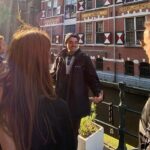
Most departures meet near Waterlooplein, where your guide sets the stage for Amsterdam during the Second World War. That opening matters. When you start in the right mindset, later stops hit harder—because the streets you’re walking actually become part of the story.
From here, you’ll be moving through the Jewish neighborhood network tied to wartime history. The route is designed so you’re not just hopping between famous points; you’re following a logical path through the parts of town connected to Jewish life. The walk also gives you a sense of scale. Amsterdam’s streets can feel maze-like, so guidance helps you keep your bearings fast.
If you booked a different starting option, your meeting point may vary and the operator lists Studio Infinity as an option. Either way, confirm where you’re meeting so you’re not circling the wrong square.
Portuguese Synagogue: Seeing a Place of Faith in a Wartime Story
One of the early stops is the Portuguese Synagogue, where you get a guided visit (about 10 minutes). Even if you know little about it ahead of time, the guide uses it as a doorway into what Jewish institutions meant in Amsterdam before and during the war.
What I like about this kind of stop is timing. You’re not overwhelmed by a long museum session right away. Instead, you get a short, focused moment to connect the physical place to the human story being told.
Keep expectations realistic: this is a walking tour. You’ll likely get a short guided window rather than a full inside visit with unlimited wandering. Comfortable shoes matter even more here because you’re moving through narrow streets and alleys that don’t exactly reward slow walking.
The Jewish Quarter on Foot: Narrow Streets, Long Memories
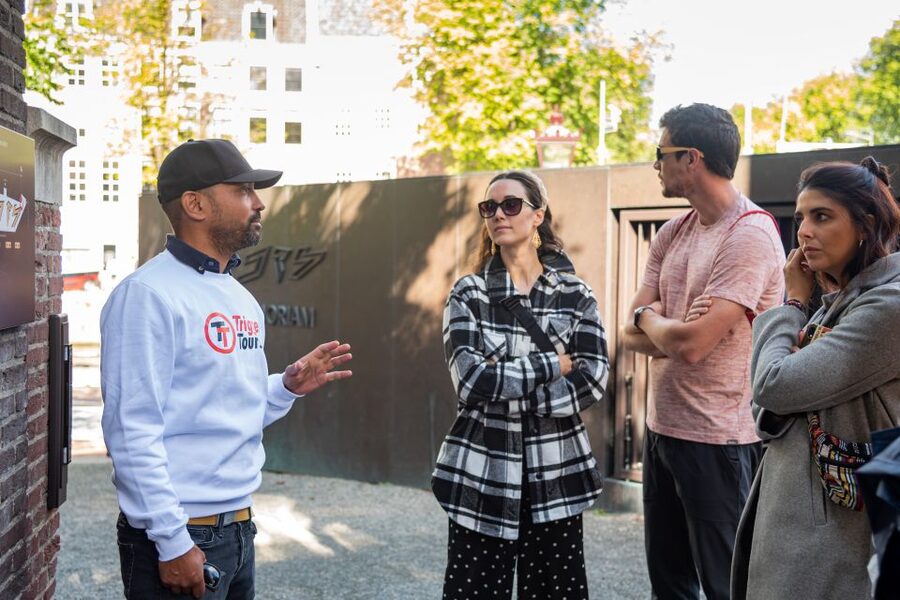
Next comes the Jewish Quarter (about 40 minutes), and this is where the tour really becomes a neighborhood walk. Expect narrow streets and historic buildings connected to centuries of Jewish life in Amsterdam.
This section is also where the guide brings in wartime Amsterdam in a grounded way. You’ll hear about experiences like the February strike and the hunger winter—events that explain how daily life was squeezed long before the most devastating outcomes. The tour doesn’t treat Jewish history as a single event. It frames it as a community shaped over time, then broken by catastrophe.
I also appreciate the emphasis on traces of war that are still marked in buildings and monuments. That’s the kind of detail you’d usually miss on your own, especially if you’re trying to read the city quickly between major attractions.
Jewish Historical Museum Stop: Quick Context That Helps Later Stops Land
You’ll then pass the Jewish Historical Museum with a shorter guided segment (about 10 minutes). This is not positioned as a deep museum day. Instead, it works like a context booster.
When you get that extra background here, later stops—especially the memorial points—feel less random. You understand that each location isn’t just an isolated site. It’s part of a bigger map of how the city and its Jewish community were affected.
If you’re the type who likes to go back later and read more, this short stop can be a great springboard. You leave with enough to know what questions you’d want to answer next.





Waterlooplein, Then Nieuwmarkt & Lastage: Following the City’s Map of Disruption
The route includes additional guided time around Waterlooplein and then continues toward Nieuwmarkt en Lastage (about 10 minutes each). These stops help the walk stay anchored in Amsterdam geography rather than turning into only a lecture.
This is also where the tour’s WW2 framing becomes clearer. The guide ties Amsterdam’s changing conditions to the Jewish experience during the occupation. You’ll hear about struggles people endured, and you’ll connect those hardships to what happens to families over time.
It’s one of the reasons I think this tour works even if you’ve seen other Anne Frank content. The story isn’t only about the diary and hiding. It’s also about the wider city pressure cooker around those events.
The Auschwitz Monument: Why This Stop Often Feels Like the Emotional Peak
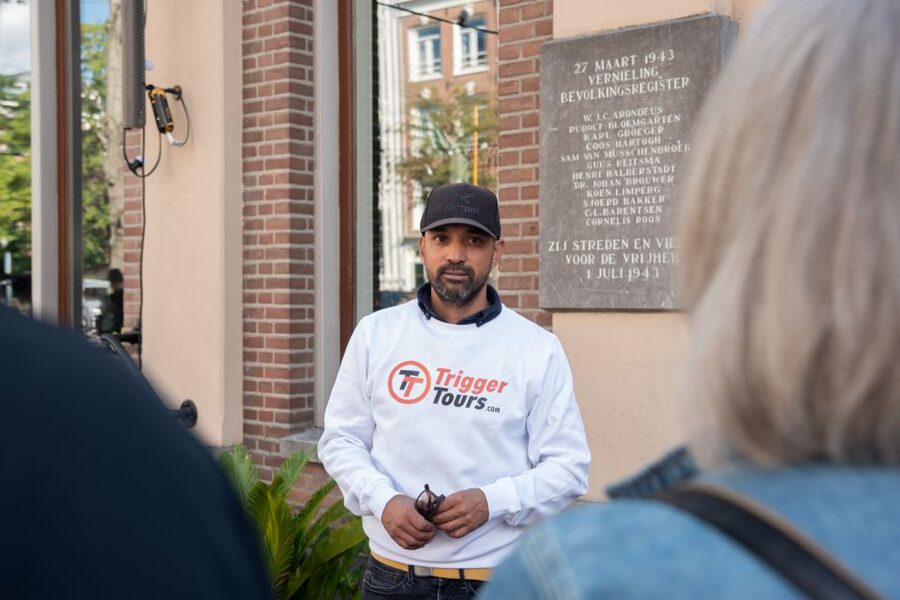
A key highlight is the Auschwitz Monument in Amsterdam, with a guided stop (about 10 minutes). This is usually the moment when the tour’s tone shifts from historical explanation to something more personal and heavy.
I like that the guide doesn’t rush through it. A short stop can still be meaningful if it’s guided with care. From the overall way this tour is structured, this memorial acts like an emotional punctuation mark—so you feel the weight of the story, not just the facts.
If you’re traveling with kids or teens, this is also the point where you might want to pause and let questions land. Many guides handle this moment with sensitivity, and the best ones make space for you to ask what you’re processing.
Anne Frank House Area: The Story of Hiding and Post-War Publication
You’ll end the core route near the Anne Frank House with a short guided segment (about 10 minutes). Importantly, this tour does not include entrance to the Anne Frank House. You’ll get the guided story and the significance, but you’re not paying for an entry ticket.
That choice is part of the tour’s value. It keeps the walk moving so you can see the wider wartime neighborhood connections rather than spending the whole time in one location. Then, if you want, you can decide separately whether you’d like to add official Anne Frank House entry on another day.
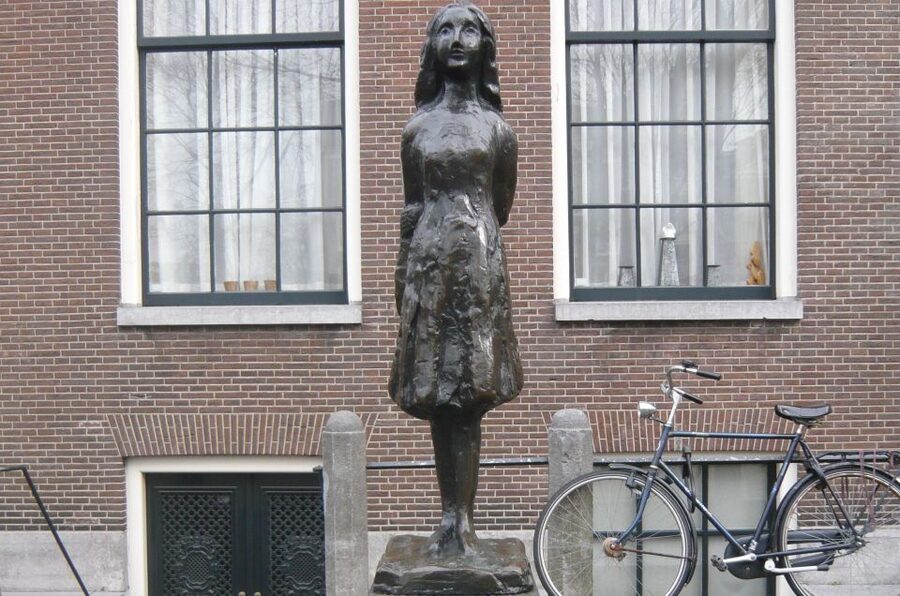
Here’s the story focus you should expect: the guide covers Anne Frank’s move from Germany, her time hiding, and what her father did after the war. You’ll also hear how the diary was published after the war and became one of the best-selling books of all time.
Plantage District: A Walk That Ends with Legacy, Not Just Tragedy
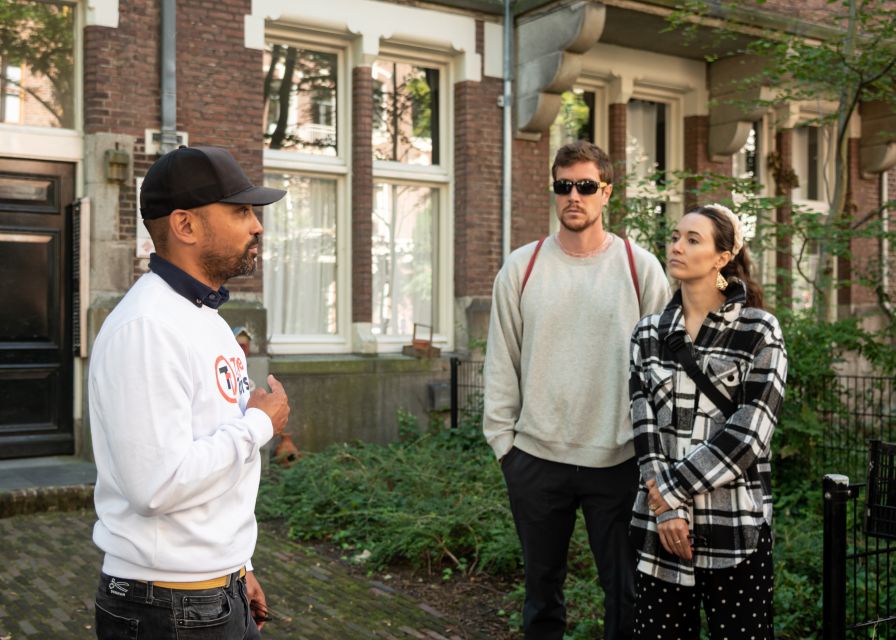
The final stretch includes Plantage (about 10 minutes), giving you a chance to finish with the neighborhood flow rather than snapping immediately back into tourist Amsterdam.
Plantage matters because it helps you transition from memorial intensity to lasting legacy. The guide’s framing pushes you to see what continued after the war—how stories survived, how they were shared, and why remembrance is part of how the city carries itself today.
Also, this ending supports a practical travel rhythm. You’ll be done in time to continue your day on your own—grab a meal, wander canals, or visit other WWII-related sites if that’s your interest.
The Guides: Storytelling Style Is a Big Part of the Value
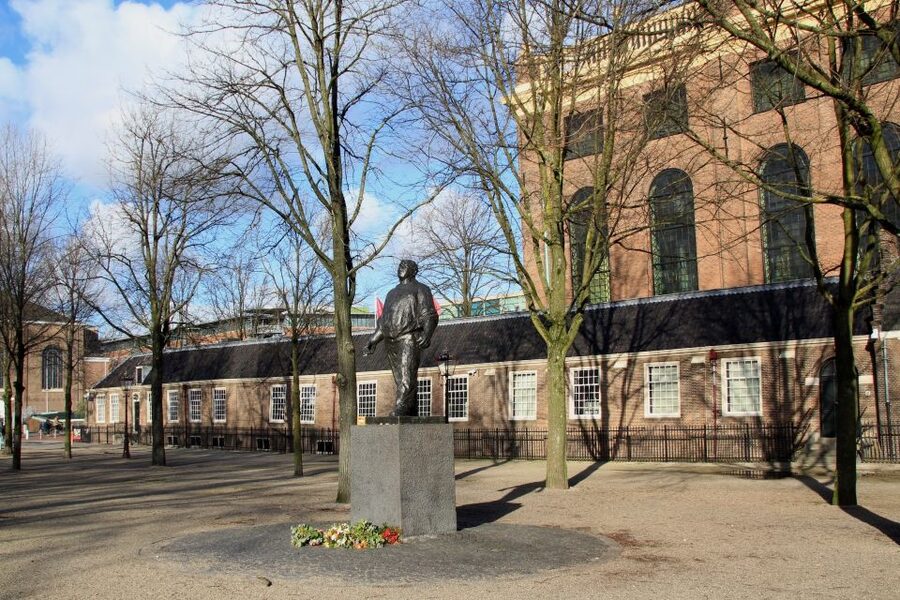
The tour’s reviews emphasize how much the guide matters. Names that show up often include James, Aaron, Andrea, and other local guides. The common thread is how they connect facts into a flowing narrative, answer questions, and keep the pace steady.
I’m also glad this isn’t presented like a cold history lesson. The tone is described as empathetic and emotionally aware, with some guides using humor carefully to keep the learning human. That balance matters. It helps you stay present without feeling overwhelmed the whole time.
You might also notice guides using details like pictures to show what the area looked like in the past. That kind of visual grounding is a simple tool that makes walking through old neighborhoods much easier to understand.
Price and Time: Is $21 for Two Hours Good Value?
At $21 per person for about two hours, this tour is priced like a budget-friendly “guided story walk,” not a full museum day. The value comes from three things:
- You’re paying for a local guide who connects multiple wartime locations into one timeline.
- You’re getting stops across a neighborhood area, which is hard to self-navigate without missing context.
- The tour includes guided time at several key points, instead of sending you off with only a map.
The one thing that changes the math is what you don’t get: no entrance to the Anne Frank House and no food. If you want to go inside the Anne Frank House, plan to add that separately. But if you mainly want the guided neighborhood story, you’re not paying for tickets you might not use.
For many people, that’s the sweet spot: you learn fast, then decide what to extend.
What to Bring and What to Watch For
Bring comfortable shoes. The route includes narrow streets and alleys, and even with short guided stops, you’ll be walking enough that your feet will notice.
Also, this is not a light theme tour. You’ll hear about the Holocaust and WWII hardship, including hunger winter and the February strike. If you’re sensitive to heavy history, consider timing your day so you have space afterward.
One more note: the activity is listed as wheelchair accessible, but it’s also listed as not suitable for wheelchair users. If accessibility matters for you, I’d treat that as a “confirm first” item with the operator.
Who This Tour Fits Best (and Who Might Skip It)
This tour fits best if you want:
- a short, guided way to understand Anne Frank in the context of Amsterdam during WWII
- neighborhood learning (Jewish Quarter, Portuguese Synagogue area, Plantage)
- a memorial-linked experience that doesn’t require you to plan each stop alone
It might not be ideal if:
- you’re only interested in Anne Frank House entry and nothing else (since entrance isn’t included)
- you need a fully accessible route for wheelchair users (given the conflicting accessibility note)
- you want a purely “walk for fun” sightseeing day (this one is history-first)
Should You Book This Anne Frank Walking Tour?
I’d book it if you want a fast, meaningful Amsterdam experience that ties together places, people, and events in a way you can’t easily recreate on your own. The $21 price for a guided two-hour route through Jewish WWII locations is strong value, especially because it ends with the kind of memorial stop that helps the story land.
Book it on a day when you can slow down your pace afterward. And if Anne Frank House inside access is a priority for you, plan to add tickets separately since this tour won’t include them.
If you’re ready for history that’s direct and human, this walk is one of the better ways to experience Amsterdam with context.
FAQ
How long is the Anne Frank walking tour?
The tour lasts 2 hours.
How much does the tour cost?
The price is listed as $21 per person.
Where is the meeting point?
Meeting point may vary depending on the option booked. The tour also references meeting near Waterlooplein, and Studio Infinity is listed as a starting option.
Are Anne Frank House tickets included?
No. Entrance to the Anne Frank House is not included.
What sights are included on the walk?
You’ll see guided stops around the Portuguese Synagogue, the Jewish Quarter, the Jewish Historical Museum, Nieuwmarkt en Lastage, the Auschwitz Monument, and the Anne Frank House area, plus Plantage.
What languages are offered?
The live tour guide is listed in English and Spanish.
Is the tour private or in a group?
It can be private or small group, depending on the option you select.
What’s included in the price?
A local guide is included, along with a private or group tour depending on the selected option.
Is it suitable for wheelchair users?
It’s listed as wheelchair accessible, but it’s also marked as not suitable for wheelchair users. You’ll want to confirm suitability with the provider before booking.
What should I bring?
Wear comfortable shoes, since it’s a walking tour.