REVIEW · MADRID
Madrid: The Spanish Inquisition Walking Tour
Book on GetYourGuide →Operated by Sandemans Tours - Spain · Bookable on GetYourGuide
Madrid has a gift for turning normal streets into stories. This walking tour uses that talent to explain the Spanish Inquisition in a way that feels close to the buildings you see today, not like dusty textbook history, and I love how it centers on the mass trial locations plus the Royal Monastery of La Encarnación. The one thing to keep in mind is the subject matter is heavy: you’ll hear about torture, repression, and killings, so it’s not for everyone’s comfort level.
What I like even more is how the guide stitches the local Madrid pieces into the bigger international story, including the myth of the Black Legend and how the Inquisition got portrayed abroad. The walking format also helps you move at a human pace—roughly 2 hours—without needing a car or complex planning. If you’re hoping for lots of gruesome show-and-tell or modern “props,” temper expectations: there aren’t big cinematic set pieces here, just real places and sharp storytelling.
In This Review
- Key Highlights You Should Know Before You Go
- Why This Madrid Inquisition Tour Feels Real (Not Just Dark Facts)
- Meeting at Plaza Mayor and Getting Oriented Fast
- The Origins of the Inquisition: Where Fear Turned Into Power
- Visiting Madrid Locations Linked to a Mass Trial
- The Royal Monastery of La Encarnación: A Sacred Site With Heavy Shadows
- An Inquisition-Era Jail: What You Learn From the Walls
- The Black Legend: Why Abroad Didn’t See the Same Spain
- Guide Quality Makes the Difference (So Pay Attention to the Storytelling)
- Who This Tour Suits Best (And Who Might Want a Different Plan)
- Price and Value: Why $31 Can Still Feel Worth It
- Should You Book This Madrid Spanish Inquisition Walking Tour?
- FAQ
- Where is the meeting point for the tour?
- How long is the Spanish Inquisition walking tour?
- What’s included in the price?
- Is the tour wheelchair accessible?
- What languages is the tour offered in?
- Are children allowed, and is there a cost?
Key Highlights You Should Know Before You Go
- Plaza Mayor start: Meet by the Tourist Information Center, then head out near Sol with an easy metro route.
- Trial-site focus: You’ll visit key areas tied to a mass trial, so the story has a clear geographic backbone.
- Royal Monastery of La Encarnación: You don’t just see a church façade; you go into the site tied to Inquisition-era use.
- An Inquisition-era jail: The tour includes an old jail used during the Inquisition, giving the story a grounded, physical edge.
- Black Legend context: You’ll learn where the foreign perception came from and how myths shaped opinions.
- Guides bring it to life: Reviews point to guides like Sebastien, John, Enrique, Joaquin, and Ms. Lexi H for energetic, question-friendly explanations.
Why This Madrid Inquisition Tour Feels Real (Not Just Dark Facts)
The Spanish Inquisition can sound like one big, faceless machine—until you connect it to street corners, plazas, and institutions that still stand in Madrid. That’s what makes this tour more than a history lecture: you’re given a map made out of events. You learn where the tribunal operated, and then you walk through the city blocks where its decisions would have mattered.
Also, the tour doesn’t treat the topic as pure horror. Yes, you’ll hear about cruelty—torture, repression, banishment, and killings—because that’s part of what happened. But the structure is about causes and consequences: why it started, how it changed into an oppressive regime, and what it left behind in Spain’s institutions and international reputation. If you like your history with motive, not just violence, you’ll probably enjoy it.
One more reason I think it’s worth your time: the session is short. At 2 hours, it’s long enough to create a real storyline, but not so long that you feel like your brain has been locked in place. For many people, that makes it an easier “add-on” to a classic Madrid itinerary.
You can also read our reviews of more walking tours in Madrid


Meeting at Plaza Mayor and Getting Oriented Fast
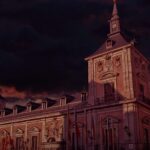
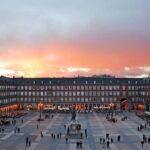
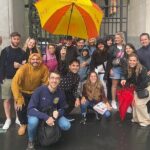
You’ll meet your guide in front of the Tourist Information Center on Plaza Mayor. If you’re using the metro, it’s straightforward: take lines 1, 2, or 3 to Sol, then walk about 400 meters to the plaza. When you arrive, look for the guide wearing a red T-shirt and holding a red umbrella.
This part matters more than it sounds. Plaza Mayor is a busy, central landmark, which helps you avoid that first-stress moment of trying to find a tour group in an unfamiliar neighborhood. From there, the route keeps you moving through the city center, so you get both history and quick practical orientation—how the streets link together, where major sights sit, and what parts of Madrid feel “old” in a lived-in way.
Bring comfortable shoes. This is a walking tour, and the subject is intense enough that you want to focus on what the guide is saying, not on sore feet ten minutes in.
The Origins of the Inquisition: Where Fear Turned Into Power
The tour’s opening theme is the origin story: an attempt to protect Catholic orthodoxy and morality, followed by a shift into an oppressive system that left a dark shadow over Spain. That arc is important, because it explains why the Inquisition wasn’t only about punishment—it became a method of control.
As the walk progresses, you’ll hear how ruthless founders oversaw repression and banishment, and how the institution evolved. The goal isn’t to “make it exciting.” It’s to show how systems like this grow: starting with an official goal, then expanding authority, then creating a culture where people fear being accused.
A key detail you’ll likely appreciate is the framing of time. The tour description points to a span of 350+ years, and it also notes that more than 3,000 people were killed in four centuries. Even if those numbers aren’t something you’ll memorize, they anchor the scale of what occurred.
If you’re the type who likes to understand institutions, not just individuals, this section is a big win. You’re building the mental model the guide will use later when you’re standing near sites tied to tribunals and imprisonment.
Visiting Madrid Locations Linked to a Mass Trial
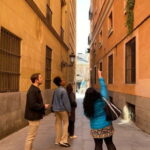
One of the tour’s strongest selling points is that it doesn’t stay abstract. You’ll visit key areas of Madrid, including the site of a mass trial. Even if the buildings aren’t screaming “Inquisition scene” from the sidewalk, the guide’s job is to connect what you see now to what happened then.
Here’s what makes this stop valuable: trial sites teach you about process. When you understand how accusation worked, how judgment happened, and how power was enforced publicly, the story stops being only about suffering and starts being about governance—about how fear became policy.
The tour also tends to focus on motives behind the tribunal activities and on the people who ran it. That’s another reason this works well as a walking tour: you’re not only hearing about what happened; you’re learning why it was built where it was built.
One practical consideration: the places associated with the Inquisition don’t function like modern museums. Some stops may be more about seeing the setting from the outside than “entering a courtroom.” Still, the payoff is how quickly it turns the center of Madrid into a timeline you can follow.
The Royal Monastery of La Encarnación: A Sacred Site With Heavy Shadows
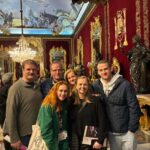
You’ll also visit the Royal Monastery of La Encarnación. Monasteries are usually where you go to breathe out, admire architecture, and slow down. This tour asks you to do something harder: notice how religious spaces can be tangled with political and judicial power.
The value here isn’t just architectural. The tour description says this monastery is part of the Inquisition story, and that it’s visited as a key location in the route. If you’re curious how institutions blur—spiritual authority on one side, coercive authority on the other—this stop is the bridge.
The monastery stop also changes the tour’s tempo. After hours of street-level explanation, you get a more enclosed atmosphere where the scale and setting can help you visualize long-term power. It’s easier to understand how control could become routine when you’re standing in a place built for sustained devotion and administration.
Even if you’re not an expert on Madrid’s religious art or Spanish architecture, you’ll likely come away with a more grounded sense of how intertwined religion, law, and public life were during that era.



An Inquisition-Era Jail: What You Learn From the Walls
Another highlight is the visit to an old jail used during the Inquisition. Jails are physical evidence that punishment wasn’t theoretical—it was scheduled, staffed, and housed. Even if what you can see today is limited, the meaning is strong: the city kept a place for detention, and the Inquisition’s machinery had somewhere to move people from accusation to confinement.
I appreciate this stop because it keeps the story honest. You’re reminded that the Inquisition wasn’t only a set of beliefs; it was a system with real consequences that affected bodies and lives.
A fair consideration: some “dark history” tours lean into spooky dramatics. This one is better when you treat it like historical interpretation. You’ll get the setting and the context, and the guide’s job is to explain why this facility existed and how it fit into the institution’s bigger workflow.
If you’re sensitive to descriptions of torture and repression, decide how you want to handle the emotional tone. The route is built for learning, not for comfort.
The Black Legend: Why Abroad Didn’t See the Same Spain
One of the most interesting intellectual twists in the tour is the explanation of the myth of the Black Legend—and how it shaped how the Spanish Inquisition was perceived abroad.
This matters because it moves you from “What happened?” to “How was it interpreted?” The Black Legend is one way history gets turned into propaganda. And once you learn that, you start spotting the same pattern elsewhere in Europe: stories about other countries often carry political baggage.
On the walk, this concept tends to land as a reminder that truth and messaging can get mixed. You might come in with a vague sense of what the Inquisition was, then leave thinking in terms of narratives—who spread them, why, and what they replaced.
If you like your travel education with a critical lens, this part is a standout. It helps you see Madrid not just as a location of past suffering, but also as a place where international reputations were made and contested.
Guide Quality Makes the Difference (So Pay Attention to the Storytelling)
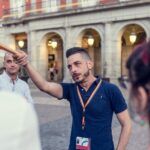
The reviews you’ll find for this tour consistently point to guides who really know how to talk history on the street. Names that come up include Sebastien, John, Enrique, Joaquin, Jovan, and Ms. Lexi H. While you can’t count on a specific guide each time, the recurring theme is that the guides don’t just list facts—they build scenes.
I especially like that many guides seem to keep the atmosphere interactive, with room for questions and quick follow-ups. One review even mentions how a guide checked in on water and bathroom needs, which might sound small, but it affects your ability to stay present during an intense topic.
You’ll also benefit if your guide offers art and Spanish culture context alongside the Inquisition. That blend helps you connect the Inquisition to the broader story of how Spain developed its identity and institutions.
If you’re booking as a history fan, you’re probably in the right place. If you’re booking with someone who usually gets bored on tours, this format can work too—street routes plus a strong narrator can hold attention better than a static lecture.
Who This Tour Suits Best (And Who Might Want a Different Plan)
This is a good fit if:
- You want a focused, 2-hour Madrid walk that connects key places to the Spanish Inquisition story.
- You like learning why institutions worked the way they did—origins, motives, and consequences.
- You care about how myths like the Black Legend shape foreign views of historical events.
It may be less ideal if:
- You want something light or purely sightseeing-focused.
- You’re hoping for a lot of hands-on access inside Inquisition-related spaces. This tour is built around walking and interpretation, and some stops may be exterior or limited by the realities of historic sites.
- You know you’re uncomfortable with descriptions tied to torture and repression.
One more practical note: the itinerary can vary depending on what the guide thinks is best for the group. That’s normal for a small walking tour, but it’s also your reminder to show up on time and stay flexible.
Price and Value: Why $31 Can Still Feel Worth It
At $31 per person for a 2-hour guided walk, you’re paying for three things at once: a local guide, a curated route through central Madrid, and a visit to the Royal Monastery of La Encarnación.
That value math works because you’re not paying just for “seeing.” You’re paying for interpretation: the context that turns scattered buildings into a coherent story. And because the walking tour is relatively short, you get it as a compact experience rather than a half-day commitment that crowds out other plans.
If you’re comparing it to museum tickets or longer day tours, this one can slot neatly into a day without wrecking your schedule. And if the guide is strong (a theme in the feedback), the $31 starts to feel like a small price for a clear mental picture you’ll carry through the rest of your Spain trip.
Should You Book This Madrid Spanish Inquisition Walking Tour?
If you want an experience that’s close to the ground—Madrid streets, specific places, and the story of how power and fear operated—this is an easy yes. The standout for me is the combination of trial-site locations, the Royal Monastery of La Encarnación, and the Inquisition-era jail, plus the extra layer of understanding where the Black Legend came from.
Book it if you’re curious, steady with heavy history, and happy to learn from a guide who turns locations into narrative. Skip it if you need a lighter outing or you’re looking for purely architectural sightseeing without the moral weight.
If you’re unsure, treat this as your “serious history” hour-and-a-bit in Madrid. Then balance it afterward with something calmer—food, art, or parks—so the city feels whole again.
FAQ
Where is the meeting point for the tour?
Meet your guide in front of the Tourist Information Center on Plaza Mayor, Madrid. If you arrive by metro, take lines 1, 2, or 3 to Sol station, then walk about 400 meters (1,300 feet) to the meeting point. Your guide will be wearing a red T-shirt and holding a red umbrella.
How long is the Spanish Inquisition walking tour?
The tour lasts about 2 hours.
What’s included in the price?
The price includes a walking tour with a local guide and a visit to the Royal Monastery of La Encarnación.
Is the tour wheelchair accessible?
Yes, it’s wheelchair accessible.
What languages is the tour offered in?
The tour guide is English.
Are children allowed, and is there a cost?
Children under 13 go free of charge with a valid ID.