REVIEW · RIGA
Riga: Guided Old Town Walking Tour
Book on GetYourGuide →Operated by RigaTrips Tour Agency · Bookable on GetYourGuide
Riga’s Old Town gets a lot easier with a guide. This 2-hour walk is a fast, well-paced way to understand what you’re seeing, from medieval trade power to Latvia’s later Art Nouveau wave. I like that you start right in the center of action and end near key landmarks, so the tour helps you keep moving instead of stopping cold.
Two things I really like: you get local storytelling at major stops like the Town Hall Square and St. Peter’s Church, and you cover enough variety that the Old Town feels like one connected story, not random buildings. You’ll also hear about what to taste in Latvia, which is handy when you’re still figuring out where to eat.
One drawback to plan for: the route is on cobblestones, and in autumn and winter it can be slippery. The tour is wheelchair accessible, but in the season from early October to late March, you’ll want help for any footing challenges.
In This Review
- Key highlights I’d put on your mental map
- Getting Oriented: Where the Walk Starts and Why It Helps
- Town Hall Square to St. Peter’s Church: The Old Town’s Core Explained
- Guild Halls and the Swedish Gate: Where Trade Made Riga Look Like This
- Three Brothers and St. Jacob’s Cathedral: Details That Don’t Read From a Distance
- Art Nouveau in Riga: Spotting the Style Shift, Including the Cat House
- Pace, Comfort, and Winter Cobblestone Reality
- Should You Book This Riga Old Town Walking Tour?
- FAQ
- How long is the Riga Old Town guided walking tour?
- What does it cost?
- Where do I meet the guide?
- Where does the tour end?
- Which sights will we see?
- What languages are available for the live guide?
- Is the tour wheelchair accessible?
- What is not allowed during the tour?
- Can I cancel for a full refund?
- Is there a reserve now, pay later option?
Key highlights I’d put on your mental map
- Starting at Grecinieku iela 18: meet near the transparent door and the Riga city guide sign, then head into the Old Town area.
- Town Hall Square first: a quick grounding in why this part of Riga mattered.
- Churches you can actually read: St. Peter’s Church and St. Jacob’s Cathedral make the skyline feel meaningful.
- Trade-era landmarks: Great/Small Guild Halls and the Swedish Gate connect architecture to power and money.
- Old Town mini-icons: the Three Brothers complex adds charm, scale, and human detail.
- Art Nouveau shows up: you’ll hear how the style arrived in Riga, including the Cat House.
Getting Oriented: Where the Walk Starts and Why It Helps
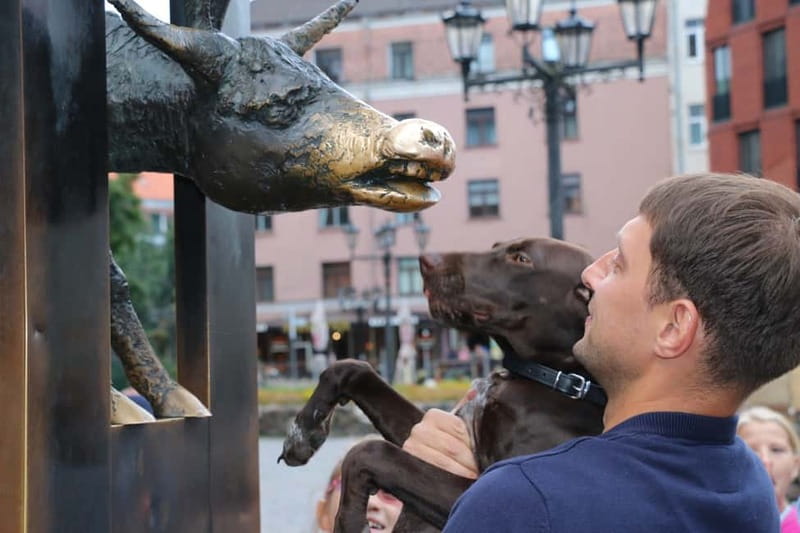
The tour meets at Grēcinieku iela 18, near a transparent door. The guide waits with a Riga city guide sign, so you’re not left wandering the street guessing which group is yours. From there, the walk brings you into the Old Town core and keeps you on foot through the places you’ll want to revisit later.
One smart thing about this route is the sequencing. You don’t just list sights; you start in the area that sets context, then you move toward the church towers, the civic square, and the trading streets. That order matters because you can start recognizing patterns right away: where people gathered, where money moved, and where power was displayed.
It also fits a first or second day in Riga. With only 2 hours, the goal is not to do everything. It’s to get your eyes tuned so the next time you wander on your own, you know what you’re looking at and why it mattered.
The walk is designed for normal walking pace. You should still expect cold-weather slows and pauses for photos, especially around the bigger landmarks.
You can also read our reviews of more walking tours in Riga


Town Hall Square to St. Peter’s Church: The Old Town’s Core Explained
Your first major stop is Riga Town Hall Square. Even if you’ve seen town halls before, this one lands differently when a local guide frames it as part of how Riga functioned over centuries. It’s the kind of starting point that helps you understand the city layout as you go.
Next comes St. Peter’s Church, Riga. This is one of those skyline landmarks where details matter. With a guide, you’re not just looking up; you’re picking up the story behind what shaped Riga’s look and identity. From there you continue through the central cluster of Old Town buildings, including viewpoints that help you connect streets to monuments.
The tour also includes St. Jacob’s Cathedral (listed as St. James’s in some references). If St. Peter’s feels like the headliner for the skyline, the cathedral adds another layer to the religious and cultural life of the city. The big advantage here is pacing: each stop gets enough explanation that you can actually remember it later, instead of treating the day like a checklist.
In groups of around 30 people (one common size mentioned in feedback), the guide’s voice has been described as clear and audible even outdoors, so you’re not stuck straining in the cold.
Guild Halls and the Swedish Gate: Where Trade Made Riga Look Like This
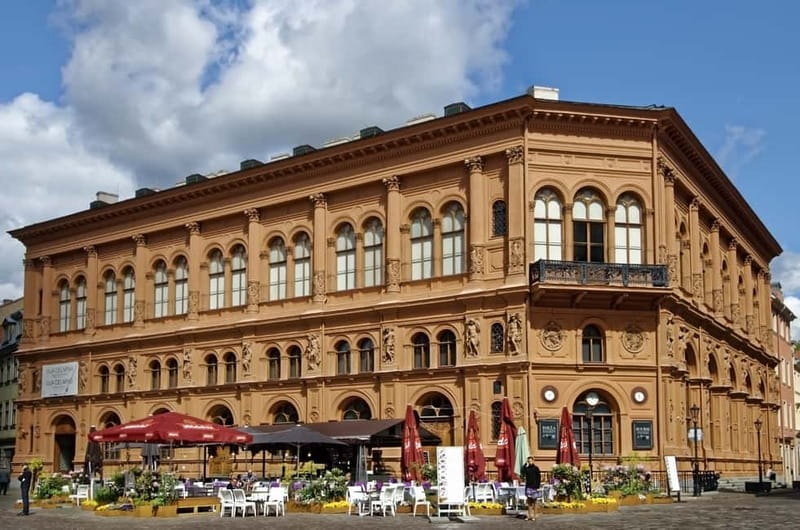
If you want a practical way to read Riga’s architecture, the guild halls and the Swedish Gate are the places to focus. The tour stops at the Great Guild Hall, and it also points you toward the related larger group of Old Town trading buildings, including the Great and Small Guild Halls. This is where you can see how commerce shaped the city, not just the churches and squares.
When a guide connects the buildings to the people who ran Riga’s economy, the streets change from pretty scenery into real geography. You start noticing how the civic center and trade centers supported each other, and why the Old Town looks the way it does.
The Swedish Gate is another key moment. It’s a reminder that Riga wasn’t always the peaceful tourist city in your phone camera. Gates like this were meant for control and movement, and a guide helps you understand why a structure like this mattered in a city that changed hands and influences over time.
One bonus with this part of the route: you’re not stuck staring at stone. The tour also weaves in lighter details about everyday Riga and Latvia, so it doesn’t feel like a lecture. That balance shows up in guide feedback mentioning humour and a steady mix of serious context and human stories.
Three Brothers and St. Jacob’s Cathedral: Details That Don’t Read From a Distance
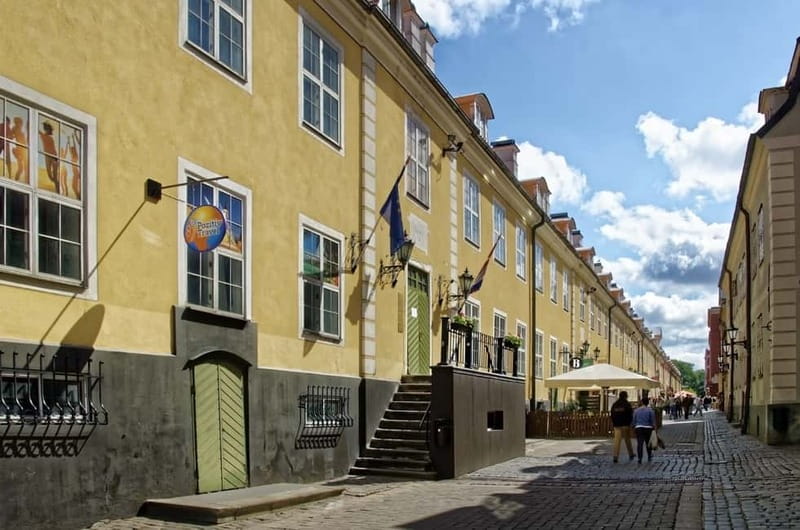
The walk hits the Three Brothers complex and the surrounding Old Town area, including time in the Old Town center. This is where you can slow down without feeling like you’re losing time. The Three Brothers buildings are a classic Riga image, but they’re easier to appreciate when you understand what you’re seeing and how the city’s past is reflected in street-level details.
You’re also given drop-off at Dome Square (Doma laukums). That matters because Dome Square is a strong launch point for your next move—whether you’re continuing around the Old Town or branching out for museums and viewpoints. Leaving right in the middle keeps your “after the tour” time efficient.
A good guide here does more than point out names. They help you connect the dots: how churches relate to civic power, how guild buildings show social structure, and why the Old Town feels like a small stage set even though it’s lived-in history.
In winter, this part of the walk can feel like a mini sprint between photo spots. If you’re wearing gloves and your hands are numb, prioritize your shots quickly. You don’t need a long pause to appreciate what makes the buildings special; the guide’s narration gives you enough context to make each stop land.
Art Nouveau in Riga: Spotting the Style Shift, Including the Cat House
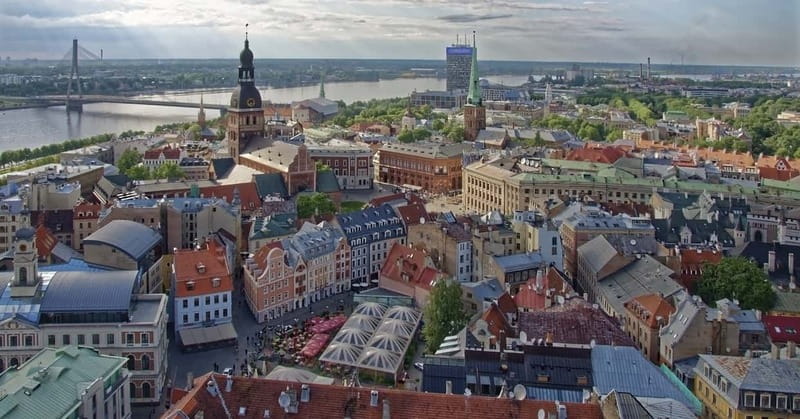
One of the best reasons to do this tour is that it doesn’t leave you stuck in medieval time. You’ll hear how Art Nouveau arrived in Latvia’s architecture scene and how that style changed the city’s visual language.
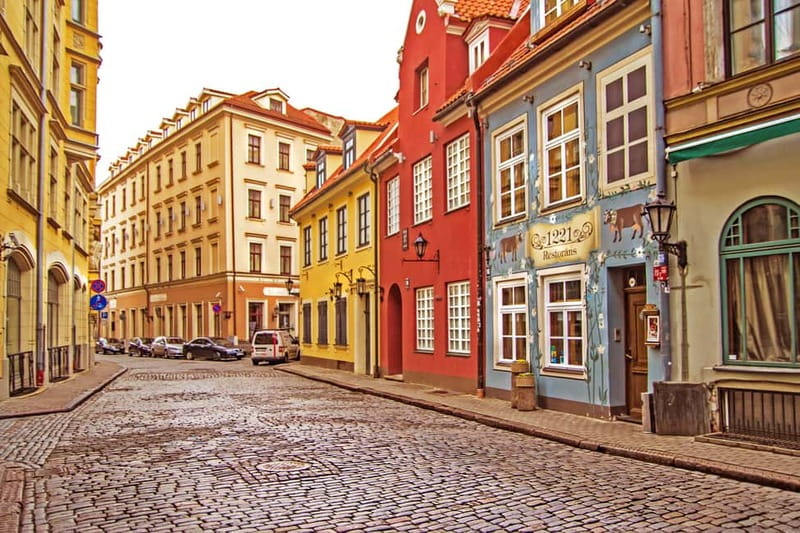
A specific highlight mentioned on the tour is the Art Nouveau Cat House (often associated with Riga’s famous Art Nouveau storytelling). This is one of those places where the difference is obvious once you know what to look for: ornament, playful details, and the feeling that the city wanted to modernize without losing its identity.
What I like about including Art Nouveau in a short Old Town walk is that it gives you a practical next step. After you’re told what “the shift” looked like, you can start scanning buildings on your own. Instead of seeing a random facade, you can recognize the style pattern and know it’s part of a bigger story.
There’s also a payoff for food-minded planning. The route includes hints about what to taste in Latvia, so you’re not stuck only thinking about buildings. When you combine that with the architecture stops, your Riga day becomes more three-dimensional: city history plus modern culture plus real-world decisions.
Pace, Comfort, and Winter Cobblestone Reality
This is a 2-hour walking tour, so the pacing is tight but not rushed. Expect guided stops with short explanation windows, then more strolling between them. That format is ideal if you like getting the “why” behind what you see without losing your whole day.
Language options include German, French, English, and Spanish, which is a big deal for comfort. In English groups, guide clarity has been praised in feedback, even when the group is large and outdoors. If you’re sensitive to hearing in open air, the simplest fix is to stay within earshot and avoid hanging back near the edges.
Cold weather matters here. In the period from early October through late March, the tour notes limited accessibility due to slippery cobblestones. Wheelchair users who still want to join during that time should bring someone to assist. For everyone else, it’s worth wearing grippy shoes. The Old Town is beautiful, but it’s not a gym floor.
Other practical rules are straightforward: the tour doesn’t allow smoking, food and drinks, luggage or large bags, or alcohol/drugs, and party groups aren’t included. If you’re traveling with a big backpack, you’ll want a smaller day bag or a plan to keep it manageable.
If you tend to get cold easily, treat this as a classic winter city walk. Feedback also mentions warm spots where guides help people warm up, but you still need your own layers.
Should You Book This Riga Old Town Walking Tour?
Yes, if you want a smart first pass at Riga. This walk makes sense for a short stay because it covers the biggest identity markers—Town Hall Square, St. Peter’s Church, guild-era landmarks, the Swedish Gate, Three Brothers, and Art Nouveau details like the Cat House—in a tight 2 hours with a local guide.
Book it if you like history that’s explained in plain terms, with humour and story moments that help you remember. Feedback repeatedly flags clear, engaging guides by name, including Gita, Guna, Carlos, Rita, Baiba, Normunds, and Diana, and that kind of consistency is what turns a walk into real value.
Skip it only if you’re aiming for a totally independent wandering day with no structured stops. Also, if you’re visiting in late fall or winter, plan for slippery cobblestones and bring the right footwear.
FAQ
How long is the Riga Old Town guided walking tour?
The tour lasts 2 hours.
What does it cost?
It costs $22 per person.
Where do I meet the guide?
Meet at Grēcinieku iela 18, looking for the transparent door and the guide holding a Riga city guide sign.
Where does the tour end?
There are two drop-off locations, including Dome Square (Doma laukums).
Which sights will we see?
You’ll pass major Old Town landmarks such as Town Hall Square, St. Peter’s Church, St. Jacob’s (St. James’s) Cathedral, guild halls, the Swedish Gate, the Three Brothers, and the Art Nouveau Cat House, plus more in the Old Town center.
What languages are available for the live guide?
The guide is available in German, French, English, and Spanish.
Is the tour wheelchair accessible?
Yes, it’s marked wheelchair accessible, but accessibility can be limited from the start of October through the end of March due to slippery cobblestones. Wheelchair users should bring someone to assist during that period.
What is not allowed during the tour?
The tour does not allow smoking, food and drinks, luggage or large bags, alcohol and drugs, littering, or party groups.
Can I cancel for a full refund?
Yes. You can cancel up to 24 hours in advance for a full refund.
Is there a reserve now, pay later option?
Yes. You can reserve now and pay later to keep plans flexible.