REVIEW · CHIANG MAI
Chiang Mai: Local Food and Markets Guided Walking Tour
Book on GetYourGuide →Operated by TripGuru Thailand · Bookable on GetYourGuide
That sweet snack smell hits fast. In 150 minutes, you’ll bounce between Chiang Mai markets and street stalls for real local favorites—from Chinese-Thai dough snacks to Hakka-style noodles.
I especially like how the route mixes food with context. You stop at famous places like Warorot Market and Ton Lam Yai Flower Market, and your local guide explains what you’re eating and why it shows up here in the first place.
One thing to consider: food tastings are not included in the tour price, so you’ll want to have cash and a big appetite.
In This Review
- Key things I’d prioritize
- A short Chiang Mai food tour that actually teaches your palate
- Meeting at Khua Khaek (Chansom Memorial Bridge) and why timing matters
- Lung Khajohn Wat Ket and khao kriab pak moh: the sweet dumpling starter
- Ton Lam Yai Flower Market: a colorful break between snacks
- Go Neng and pa thong ko: Chinese-Thai dough snack with character
- Warorot Market: the real-world chaos where you learn what to order
- Thana Ocha Hakka-style noodles: the filling finale
- What the price really buys you (and what you should budget extra)
- Pace, walking, and how to set yourself up for success
- Guides who make the difference: Nom, Koi, Patty, and others
- Should you book this Chiang Mai market tour?
- FAQ
- What’s the duration of the Chiang Mai local food and markets walking tour?
- Where do I meet the guide?
- Are food tastings included in the tour price?
- Is the tour suitable for vegans?
- What should I bring for the walking tour?
- What languages does the tour guide speak?
- Can I change my plans if I need to cancel?
Key things I’d prioritize
- Small-time, big-flavor loop that packs multiple classic Chiang Mai snacks into a short walk
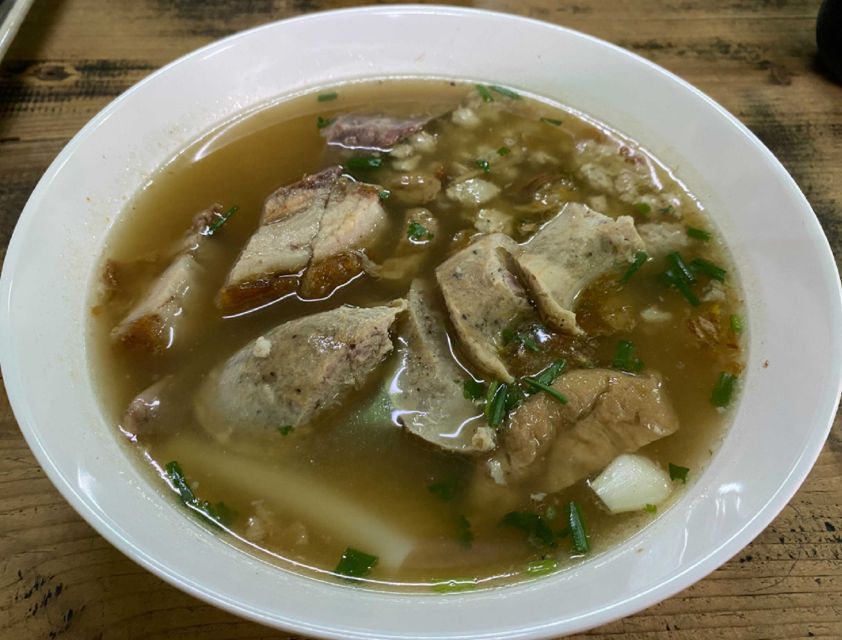
- Hakka touches in the finale, including stuffed tofu, fish sausage, and wontons
- Ton Lam Yai Flower Market break, a colorful reset from the heat and crowds
- Warorot Market focus, where you can actually shop and snack in one stop
- Guides who pivot smoothly, like Nom, Koi, and Patty being mentioned for flexible, attentive service
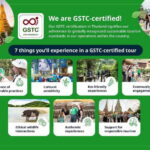
- Low-impact approach, with carbon emissions offset credits and a GSTC-certified structure
A short Chiang Mai food tour that actually teaches your palate
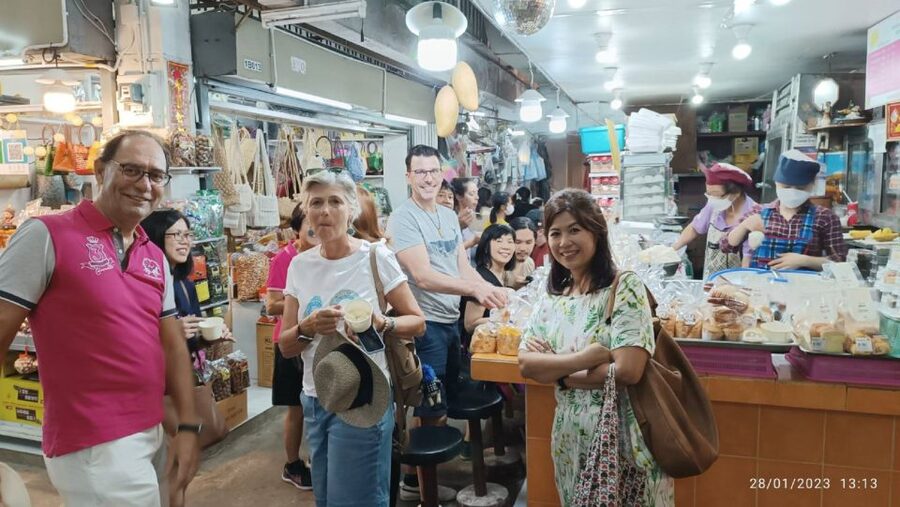
A good food tour does two things. First, it saves you time because someone else already knows where to go. Second, it gives you a framework so the flavors make sense when you wander afterward.
This one works because you’re not stuck in a single restaurant. You’re walking between key neighborhood-food stops and market areas, guided by an English-speaking host (Thai too). The focus stays practical: what to order, how to eat it, and how these foods connect to Chiang Mai’s mix of Thai and Chinese influence. You also get a visual palate reset with a stop around Ton Lam Yai Flower Market—yes, flowers—so the day doesn’t feel like nonstop chewing in the hot air.
For many people, that combination is the value. You finish knowing which dishes you’ll chase again later, and you don’t waste the first days of your trip guessing your way through menus.
You can also read our reviews of more walking tours in Chiang Mai

Meeting at Khua Khaek (Chansom Memorial Bridge) and why timing matters
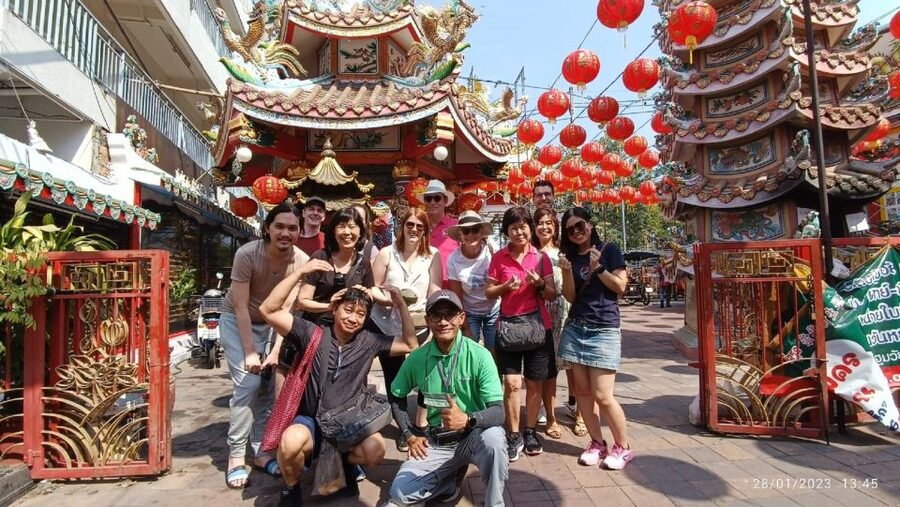
You’ll start at Chansom Memorial Bridge, locally called Khua Khaek, across from Ton Lam Yai Flower Market. Your guide holds a TripGuru sign, and you should arrive about 10 minutes early so you don’t get stressed.
A small but real practical note: traffic can be heavy in the mornings, and your guide can wait only up to 10 minutes after the scheduled pickup time. If you’re coming from a hotel, give yourself extra buffer. Nothing ruins a food tour faster than turning it into a rushed sprint.
Also, the tour offers multiple start times. If you choose the later option (the afternoon slot around 2:30), many restaurants tend to close early, so the guide will swap in alternative street-food spots to keep the tasting variety. If your schedule allows it, earlier slots generally reduce the chance of last-minute changes and the feeling of being rushed.
Lung Khajohn Wat Ket and khao kriab pak moh: the sweet dumpling starter
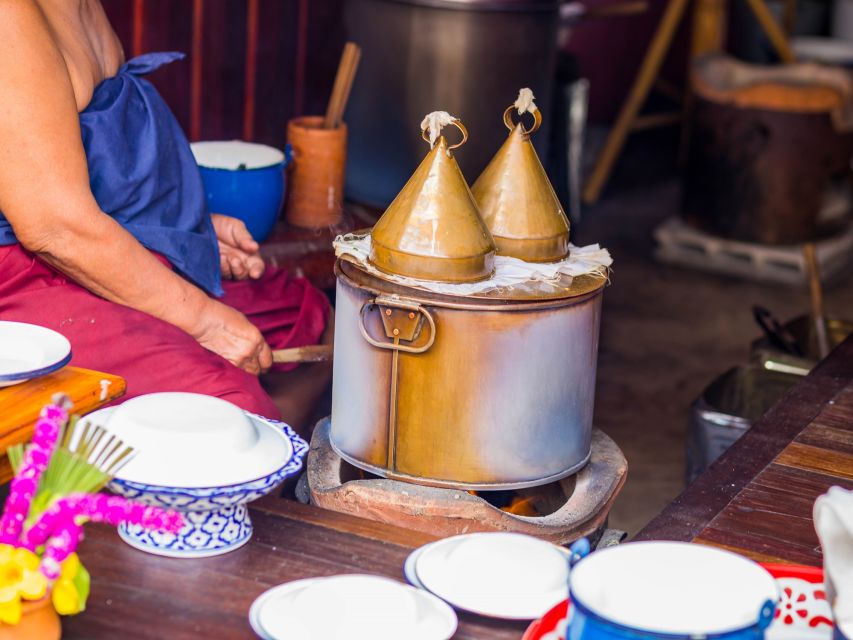
The tour’s first stop is Lung Khajohn Wat Ket, a place known for sweet steamed rice-skin dumplings stuffed with peanuts. The snack is often called khao kriab pak moh.
This is a smart opening dish because it sets the tone for Chiang Mai street food: textures first, then flavor. The rice skin is soft and slightly chewy, and the peanut filling gives you that warm, sweet-savory balance that doesn’t overpower everything else you’ll eat. It’s also one of those items you might walk past and never try on your own, especially if you don’t know what to look for.
If you’re the type who likes to understand food quickly, this stop gives you an instant win. You learn that not every Thai snack is spicy and salty. Some are dessert-like, breakfast-like, and snack-like all at once.
Ton Lam Yai Flower Market: a colorful break between snacks
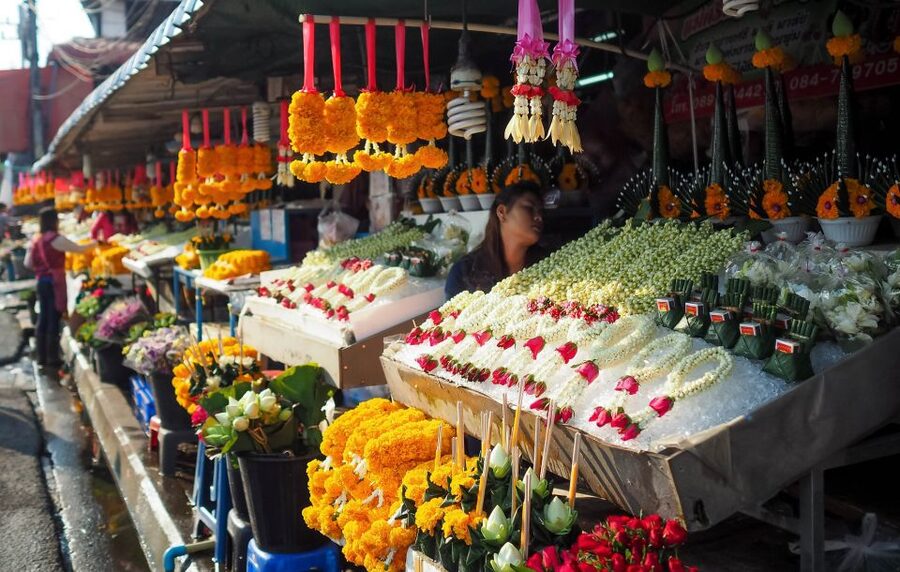
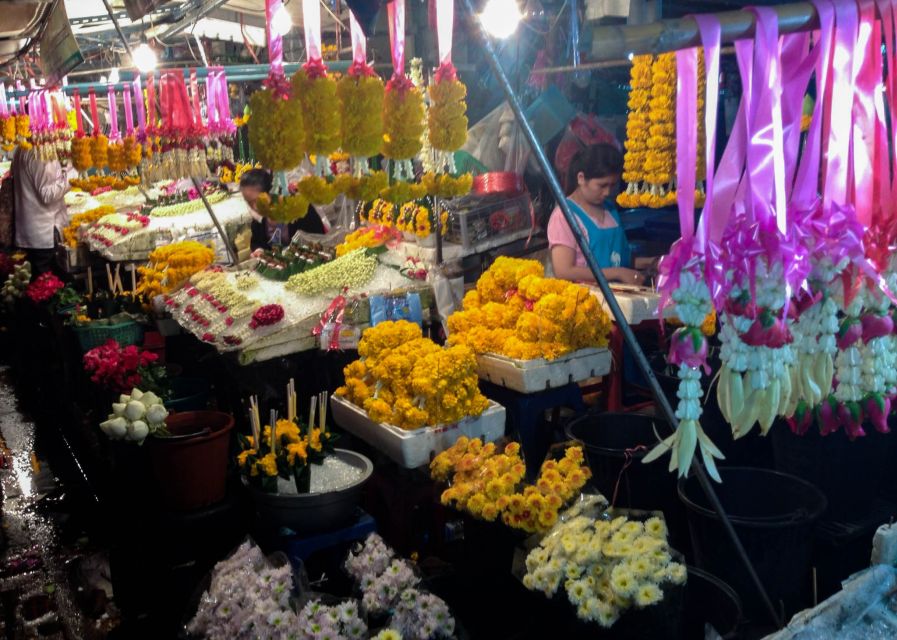
Between the first food stop and the rest of the market loop, you pass through Ton Lamyai Flower Market. It’s not just pretty wallpaper for photos. It’s a real local market atmosphere: colors, vendors, and that feeling of everyday life moving around you.
This is also a helpful pacing tool. You’re already eating, so you don’t want the whole route to be a continuous calorie train. A flower market stop gives you a short reset, plus it helps you orient yourself visually in the area—later, when you’re wandering on your own, you’ll recognize where you were.
Bring a camera. If you’re sensitive to sun, sunglasses and sunscreen matter here. The morning light can be gorgeous, but you’re still outside.
Go Neng and pa thong ko: Chinese-Thai dough snack with character
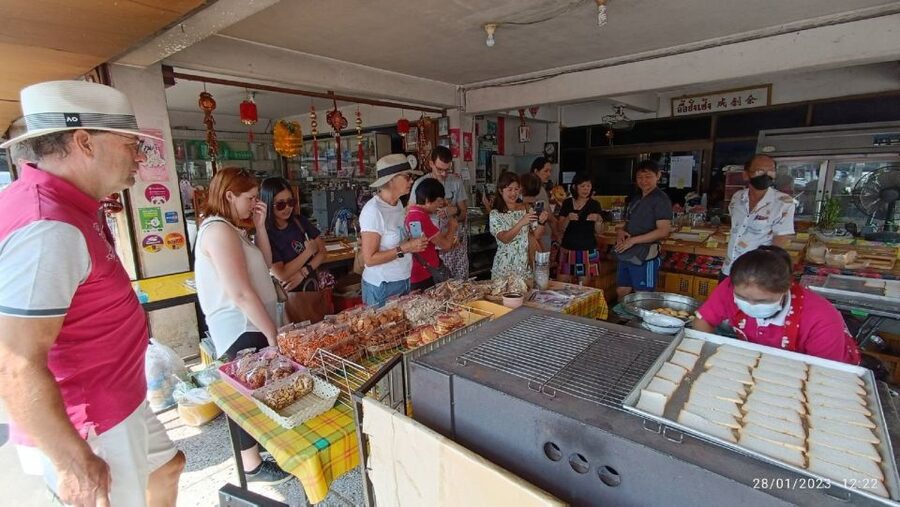
Next up is Go Neng for pa thong go, a Chinese specialty snack that shows up throughout Northern Thailand. The dough is deep-fried and shaped in unusual ways—some people jokingly compare them to dinosaur-like forms—and it’s popular with locals.
What I like about starting your snack list with fried dough after a sweet dumpling is contrast. You get one texture spectrum right away: soft, steamed, sweet; then crisp, fried, snacky. It’s the kind of pairing that keeps your taste buds awake instead of numbing them.
This is also a good stop if you’re curious about cultural overlap. Chiang Mai doesn’t eat in a straight line of one tradition. You’ll see Chinese influence in snack shapes and cooking methods, but served through Thai street-food style and flavors you’ll recognize across the city.
Warorot Market: the real-world chaos where you learn what to order
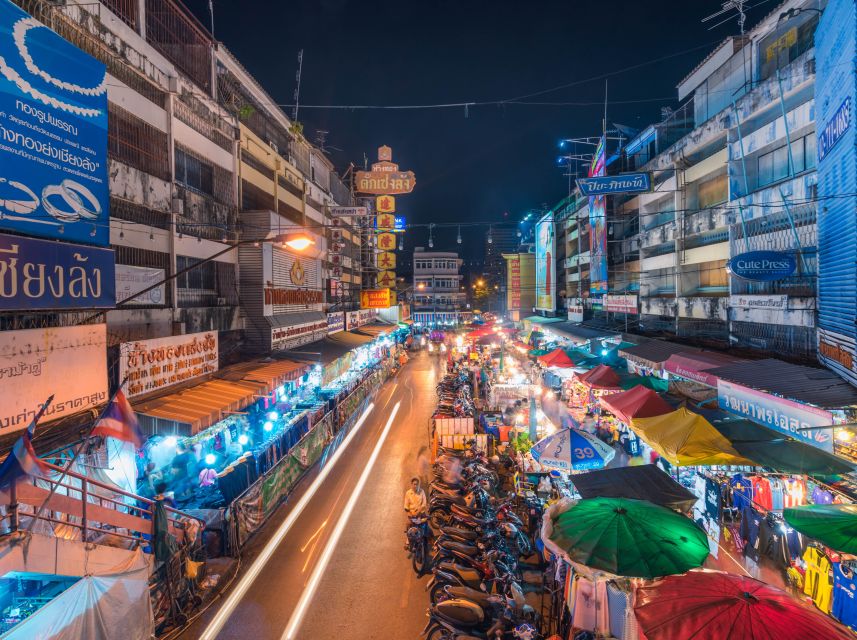
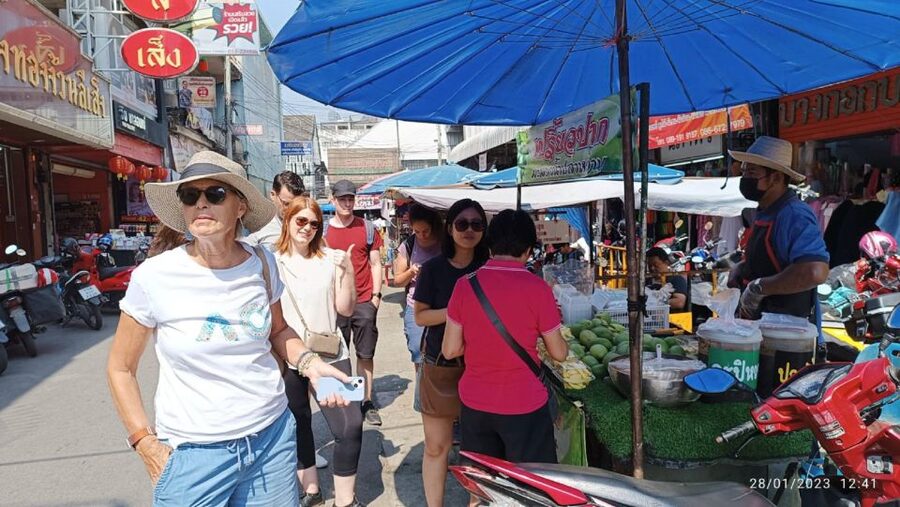
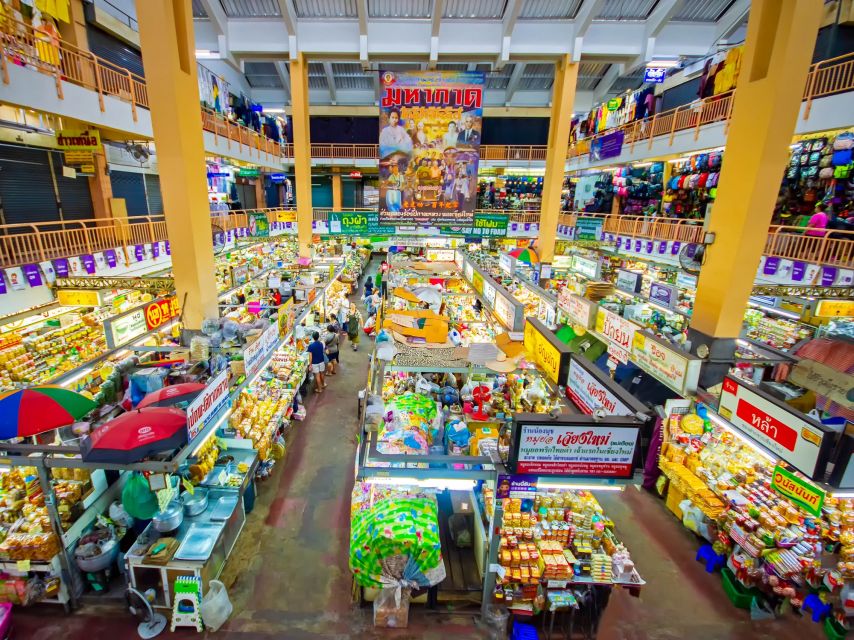
Warorot Market is the big market stop, and it’s where the tour becomes more than just eating. You’ll get a guided walk through stalls and snack zones, with time to taste and see what’s actually for sale.
This is one of the highest-value parts for first-timers because it answers a question you’ll have all trip: What do people buy here for daily eating? When you’re with a guide, you don’t just chase famous dishes—you see how locals shop, browse, and snack.
One specific highlight: you’ll hunt down the famous Thai mango sticky rice from a particular stall. Mango sticky rice is an obvious crowd-pleaser, but doing it through a guided stop helps you avoid two common problems: buying mango sticky rice that’s just fine and moving on, or spending time searching when you could be eating something better.
Warorot also helps with confidence. After this stop, you’ll feel less intimidated about wandering markets later and pointing at things without fear.
Thana Ocha Hakka-style noodles: the filling finale
The tour ends with a savory dish at Thana Ocha: Hakka-style noodles with Hakka stuffed tofu, fish sausage, and wontons.
This finale is great for two reasons. First, it’s the most “meal-like” part of the route. Second, it caps the tour with a dish that ties back to the Northern-Chinese influence you started tasting earlier with Chinese-style snacks.
If you’re looking for something to anchor your memory of Chiang Mai food, this is it. Hakka-style noodles bring comfort and depth—especially once you add the savory components like tofu, fish sausage, and wontons. It’s filling without feeling like you spent the whole day in one heavy restaurant bowl.
One more practical note: because this is the end stop, you’ll be glad you didn’t eat a massive breakfast beforehand. A couple of guides and groups emphasize this kind of pacing in their own experiences—so if you’re doing this around lunchtime, keep breakfast light so you can enjoy the last portion instead of packing it away in the form of regrets.
What the price really buys you (and what you should budget extra)
The tour costs $48 per person for 150 minutes of guided walking, plus carbon emissions offset credits. What’s not included is food and tasting expenses.
That means the real “cost” of the experience depends on what you choose to eat at the stops. The tour may offer tasting choices such as:
- Hakka-style noodle
- Sticky rice with mango
- Pa thong ko (deep-fried dough sticks)
- Khao kriab pak moh (steamed rice skin dumplings)
From a value standpoint, you’re paying for:
- someone to get you to the right stalls fast
- explanations so you know what you’re tasting
- a structured path through markets where wandering alone can cost time and confidence
- the sustainability component (carbon offset credits and a GSTC-certified tour structure)
If you budget for several tastings and keep cash handy, it usually feels like a fair trade. You’re basically buying access to taste-testing with guidance.
Pace, walking, and how to set yourself up for success
This is a walking tour. Wear comfortable shoes, and expect you’ll be moving between stops and back-and-forth across market areas.
You also should plan for a faster pace. Some people love that style because you cover a lot of ground in a short window. If you prefer slow, sit-down restaurant meals and long explanations, you may want to treat this as a sampler plus orientation rather than a full deep lecture on Thai food.
Your best move is simple: hydrate, protect yourself from sun, and eat smart. Bring:
- comfortable shoes
- sunglasses, hat, sunscreen
- insect repellent
- camera
- cash
And keep in mind there’s no vegan option available. If that’s a dealbreaker for you, this specific tour won’t work.
The route is also not suitable for people with mobility impairments, pregnant women, heart problems, or respiratory issues. That’s not about the food—it’s about the walking and physical demands of market streets.
Guides who make the difference: Nom, Koi, Patty, and others
A big reason this tour earns strong marks is how the guides handle the day in real conditions—busy stalls, closed spots, and timing. Several guide names come up repeatedly in positive feedback, including Nom, Koi, Pim, Patty, Watsana Chaiya, Nana, Banana, Maggie, Nancy, Nick, and Sunny.
What those guides have in common in the way they’re described is practical help:
- strong English
- clear explanations of what you’re tasting and how to approach each stall
- friendly service, including help with small things like shopping bags
- flexibility when a planned stop is too busy or closed, with substitutions that keep the tour worth your time
So if you want a tour that feels like someone is taking care of you while also acting like a local foodie, this is the type of guiding style to look for.
Should you book this Chiang Mai market tour?
Book it if you want a fast, structured way to eat your way through Chiang Mai without guessing. It’s a great first-day or early-trip tour because it helps you learn what you like and where to return on your own—especially after Warorot Market and that mango sticky rice hunt.
Don’t book it if you:
- need vegan food options
- have mobility or health limits that make walking uncomfortable
- dislike tours where food tastings cost extra and you’ll be paying at stops
- want a long, slow meal experience instead of a short sampler loop
If you can handle a brisk walking pace and you’re ready to pay for tastings, you’ll likely leave with a clearer sense of Chiang Mai street food—and a short list of dishes you’ll actively look for again.
FAQ
What’s the duration of the Chiang Mai local food and markets walking tour?
The tour lasts 150 minutes.
Where do I meet the guide?
You meet at Chansom Memorial Bridge (Khua Khaek), opposite Ton Lam Lamyai Flower Market. The guide will be holding a TripGuru sign.
Are food tastings included in the tour price?
No. Food and tasting expenses are not included, so you should bring cash for the tastings.
Is the tour suitable for vegans?
No vegan option is available.
What should I bring for the walking tour?
Bring comfortable shoes, sunglasses, a hat, a camera, sunscreen, insect repellent, and cash.
What languages does the tour guide speak?
The tour is guided in English and Thai.
Can I change my plans if I need to cancel?
You can cancel up to 24 hours in advance for a full refund, and you may also be able to reserve now and pay later to keep flexibility.