REVIEW · MDINA
Mdina and Rabat: Guided City Walking Tour
Book on GetYourGuide →Operated by City Walking Tours Malta · Bookable on GetYourGuide
Mdina feels like a movie set, but it’s real. This guided walk turns the island’s hilltop medieval heart (plus nearby Rabat) into an easy, two-hour history lesson you can actually follow on foot.
I especially like the way the licensed guide gives context as you move—starting with Mdina’s Roman roots and its role as Malta’s administrative and episcopal seat. I also like the practical pacing: you get frequent stops to notice details in palaces, churches, and convents, not just a fast sweep through the main views.
One thing to consider: some churches or smaller sights may be closed on certain days (public holidays can do that), so you may have to rely on exterior views and the guide’s storytelling rather than museum-style access.
In This Review
- Key takeaways before you go
- Mdina and Rabat: why this guided walk beats wandering alone
- Starting at Mdina Main Gate: the story that sets the pace
- Citta Notabile streets: palaces, churches, convents, and the little details
- Rabat right after Mdina: vernacular streets that feel like a natural extension
- The guide and the listening setup: hearing clearly in tight streets
- Price and value: what $24 buys you in plain terms
- Timing and closures: when openings affect the experience
- Who this tour fits best (and who might want something else)
- After the tour: smart add-ons in Mdina and Rabat
- Should you book the Mdina and Rabat Guided City Walking Tour?
- FAQ
- How long is the Mdina and Rabat walking tour?
- What does the tour cost?
- Where do I meet the guide?
- Is there an entrance fee included?
- Is the tour guided in English?
- Is the tour wheelchair accessible?
- What should I bring?
- Does the tour include anything beyond the walking and guide talk?
- Can I cancel for a refund?
- Is there a reserve-and-pay-later option?
- What places will we see besides Mdina?
Key takeaways before you go
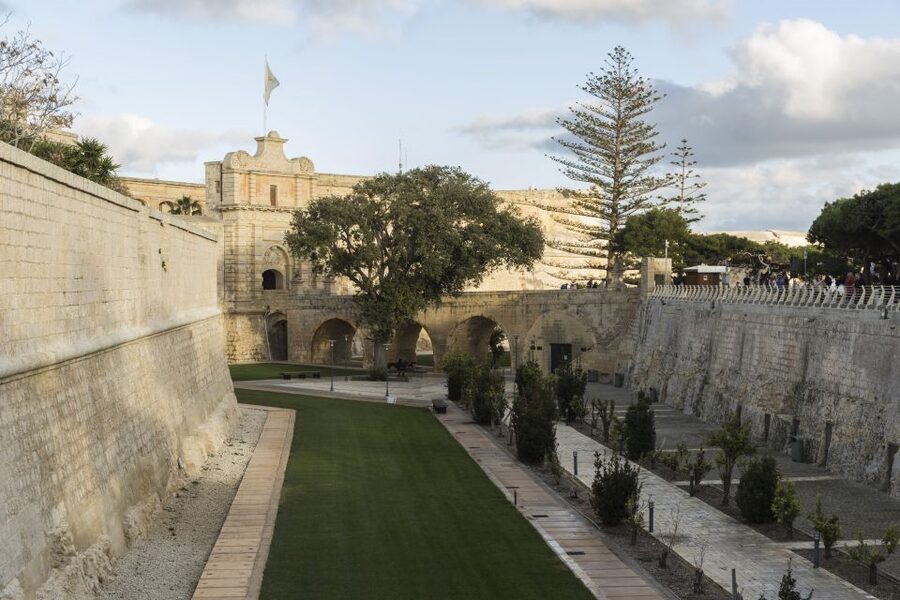
- Meet at Mdina Main Gate by the bridge and start with the city story immediately, not after you’re already lost in stone streets
- Citta Notabile (Noble City) is where the guide’s explanations really make the architecture click
- You’ll walk at an easy, leisurely pace along narrow medieval streets with comfort built in
- Rabat is close enough to feel like a continuation, with its older quarter and Maltese vernacular streetscape
- Many groups benefit from an audio system/headsets that helps you hear clearly on busy days
Mdina and Rabat: why this guided walk beats wandering alone
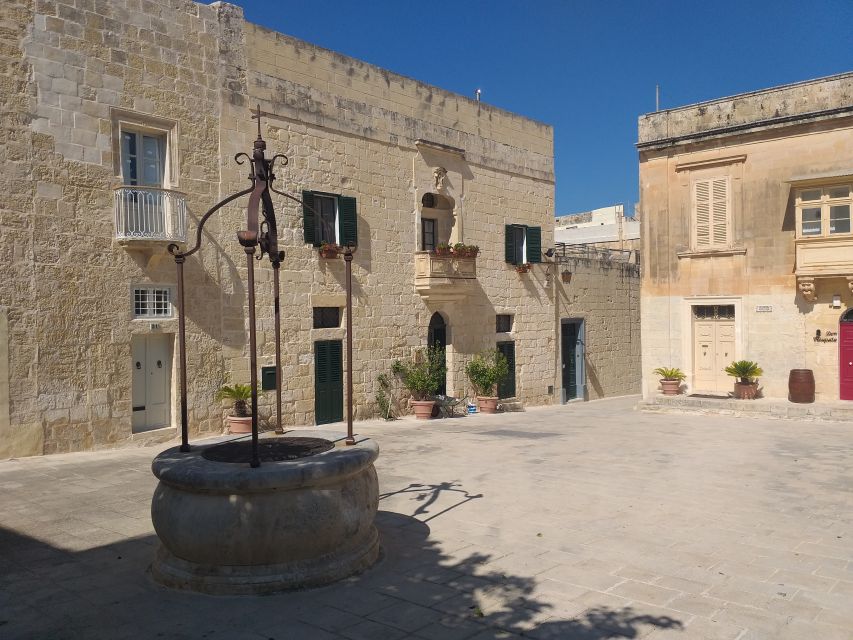
Mdina is often described as a Silent City, and you’ll understand why once you’re on its hill and inside its walled streets. The architecture is striking, but the real payoff is comprehension. Without someone pointing things out, it can turn into “pretty buildings + great views.” With a good guide, you start to recognize patterns: who lived here, what the different eras left behind, and why certain buildings sit where they do.
This is also a smart choice of format. A 2-hour walking tour keeps the day light and gives you just enough structure to get your bearings fast—then you’re free to keep exploring on your own afterward. If you want Malta’s history in a way that matches how you actually experience the streets, Mdina and Rabat are a strong pairing.
And at $24 per person, the value comes from what you’re buying: a professional, English-speaking guide spending the whole time with your group, plus local storytelling that helps you see what you’d likely miss while self-guiding.
You can also read our reviews of more walking tours in Mdina
Starting at Mdina Main Gate: the story that sets the pace
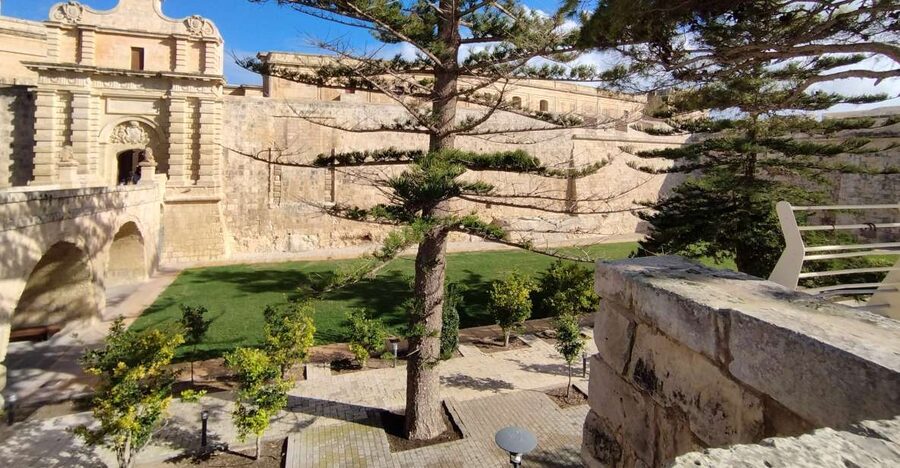
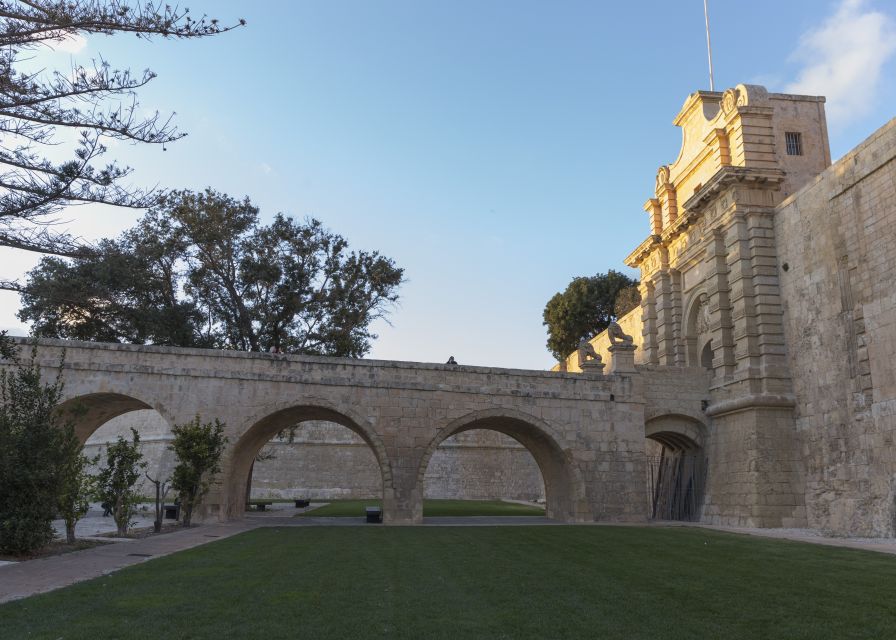
Your tour begins at the Mdina Main Gate by the bridge. Meeting there matters because it’s the start of the medieval loop—once you’re inside the walls, it’s easy to lose your sense of direction. The best guided tours solve that problem early, and this one does it with an introduction that gives the key timeline before you start walking.
Expect to hear how Mdina was founded by the Romans and how, for nearly two centuries, it functioned as Malta’s administrative and political capital. The guide also places it in the later spiritual role: Mdina remains the seat of Malta’s episcopacy. That detail might sound like a name-drop until you’re standing near the religious architecture—then it becomes clear why the church presence feels central to the city’s identity.
From there, the walk flows toward Citta Notabile, the Noble City, the medieval name that fits because Mdina historically housed Malta’s noble families. That theme helps everything you see make sense. Instead of random facades, you start noticing what looks “grand” and what looks “defensive,” and you understand that these streets were built for real power and real daily life, not just tourism.
Citta Notabile streets: palaces, churches, convents, and the little details
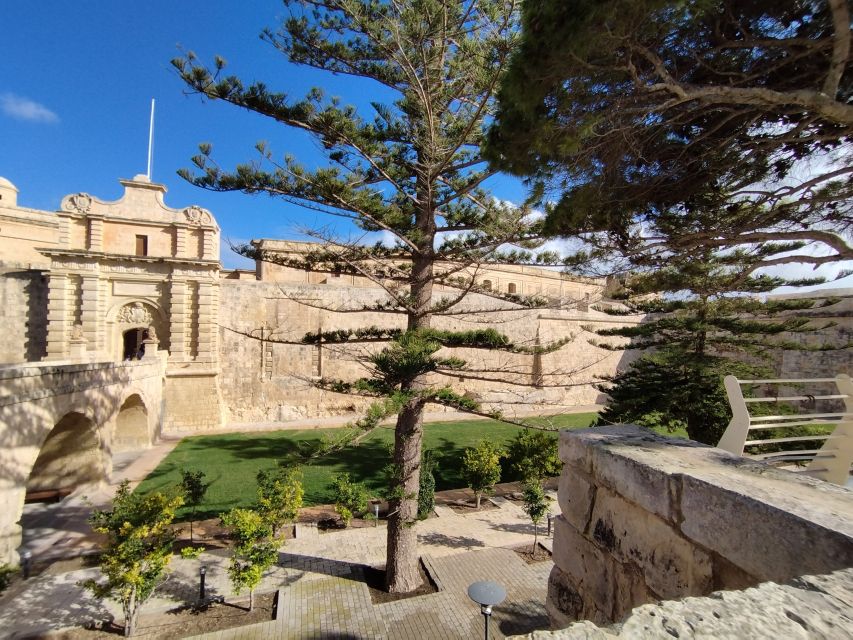
This is the core of the tour. Mdina’s streets are narrow, and the buildings crowd in close enough that you can miss details unless someone deliberately stops you. That’s where the guide’s style makes the experience feel worth the time. In many tours, the guide keeps momentum without rushing, with multiple short pauses that let you look up, look closely, and take photos while still hearing the explanation.
You’ll see palaces, churches, and convents lining the way. On a self-guided walk, it’s easy to treat them all as “historic.” With a guide, they become categories with stories: who built or owned them, how religious life shaped the city, and how the centuries layer over each other in Malta’s stonework.
A standout in the vibe here is the way guides bring personality to the facts. The group experience varies by guide, but the tone commonly leans lively and interactive. You’ll hear examples of that across the guides who lead this walk—names like Marisa, Ernest, Nadine, Charlotte, Angela/Angele, and Petra show up in past group experiences—so you can expect a confident delivery rather than a script read at you. A few guests also pointed out that humor and an easy listening pace keep it moving, even when you’re standing still.
One practical tip you can take from the way these tours are often described: if you’re the type who likes details, slow down with the group when the guide tells you to. People who do that often come away remembering specific features—like door knockers—because the guide connects them to stories rather than leaving you to guess.
Rabat right after Mdina: vernacular streets that feel like a natural extension
Mdina sits on a hill, and Rabat is right next door—literally a short walk away. That makes this pairing efficient. You don’t need transportation logistics to “switch neighborhoods.” You simply change altitude and atmosphere.
After the fortified hilltop, Rabat feels more like the living, everyday continuation of Malta’s story. The tour goes into Rabat’s old quarter and focuses on Maltese vernacular architecture, the kind that’s less about single-photo monuments and more about how people built and lived over time. If Mdina is where power and religious identity show up in dramatic architecture, Rabat is where you see the textures of daily life.
This section is often a relief if you’ve been in heavy sightseeing mode. The walk remains relaxed, and you get more context without the “only big-ticket sights” pressure. It’s a good way to end a day with your brain switched from “wow” to “I get it.”
The guide and the listening setup: hearing clearly in tight streets
In Mdina, sound carries weirdly. Streets can be narrow, groups can bunch up, and it’s hard to see the guide if you’re standing to the side. That’s why the audio support matters. Many guests highlight that headsets or radio earphones help you hear the guide clearly, even on busier days or when the group is larger.
You’ll want to think of it as comfort and clarity rolled into one. When you can hear the explanation without leaning in or trying to catch every word, you can actually enjoy the moment—standing still for a view, walking slowly, and taking photos without losing the thread.
Guides also tend to manage the practical side of walking in Malta weather. On hot days, you might hear comments about staying in shade for most of the tour. And because the timing is only 2 hours, there’s less exhaustion than on longer walking tours—especially if you’re wearing comfortable shoes as recommended.
Price and value: what $24 buys you in plain terms
At $24 per person for a 2-hour fully guided walking tour, the value is mostly about time and interpretation. You’re not paying for transportation or entry tickets (entrance fees to churches or museums are not included). Instead, you’re paying for a licensed professional to connect what you see to why it matters.
That matters in Mdina and Rabat because the “why” is the difference between sightseeing and real understanding. When the guide explains what you’re looking at—palaces, churches, convents, and the role of elite families—you get a payoff that lasts longer than a quick photo.
If you plan to go inside any churches or museums on your own, then you’ll need extra budget, since those entrances aren’t covered. But even then, having the guide’s orientation first can make your self-guided time feel smoother and less random.
Timing and closures: when openings affect the experience
Malta can be full of surprises depending on the calendar. One guest noted that many places were closed due to a bank holiday, which meant the experience leaned more on what could be seen from the outside and what the guide could still explain.
So here’s the practical way to plan: treat the tour as a guided walk plus interpretation, not a guaranteed series of entrances. If you want interior stops, double-check opening hours for the day you’re going. If something is closed, you’re still in a beautiful setting—and the guide’s explanations can still do the heavy lifting.
Who this tour fits best (and who might want something else)
This tour is a good match if you:
- Want first-timer clarity on Mdina and Rabat without figuring things out alone
- Enjoy learning while walking, especially when the streets are narrow and easy to miss details
- Like architecture stories—palaces, churches, and convents—more than just scenic overlooks
- Appreciate an English live guide and a listening setup that helps you hear clearly
It may be less ideal if you:
- Want a long, high-intensity workout or a very fast pace (this one is meant to be leisurely)
- Are only interested in paid museum interiors, since entrance fees aren’t included and closures can happen
- Have very limited patience for walking cobbled stone streets, even though the walking is described as easy and wheelchair accessible
Wheelchair accessibility is specifically noted, which is a big plus. You’ll still want comfortable shoes yourself, but it’s reassuring to know the tour isn’t designed for only fully able-bodied visitors.
After the tour: smart add-ons in Mdina and Rabat
Once you’ve got the city context, you’ll enjoy the next steps more. One guest directly suggested looking at door knockers and said each one has a story—exactly the kind of detail that’s easier to appreciate after a guided explanation.
Another practical add-on: St Paul’s catacombs were mentioned as worth it, with a noted price of €6 in that context. Whether you go depends on your schedule and what’s open, but as an add-on idea, it pairs well with a Mdina-Rabat day because it continues Malta’s older layers beyond the street scenes.
Should you book the Mdina and Rabat Guided City Walking Tour?
I’d book it if you want Malta’s story made simple and enjoyable in just 2 hours. The best reason is the structure: you’re not just wandering inside Mdina’s walls—you’re walking with a guide who explains what you’re seeing as you go, then carries that understanding into Rabat so the day feels connected.
Also, the $24 price feels fair when you factor in a licensed live guide and the way many groups benefit from hearing support on narrow streets. The one caution is day-of openness. If a bank holiday or scheduling issue closes some interior sights, your experience will still be strong—but it’ll be more about architecture and storytelling than ticketed stops.
If you’re short on time in Malta and want your first taste of Mdina and Rabat to make sense, this is a smart, low-stress way to do it.
FAQ
How long is the Mdina and Rabat walking tour?
The tour lasts 2 hours.
What does the tour cost?
The price is $24 per person.
Where do I meet the guide?
You meet at Mdina Main Gate by the bridge, though the exact meeting point may vary depending on the option you booked.
Is there an entrance fee included?
No. Entrance fees to any church or museum are not included.
Is the tour guided in English?
Yes, the live tour guide is listed as English.
Is the tour wheelchair accessible?
Yes, wheelchair accessibility is mentioned.
What should I bring?
Wear comfortable shoes.
Does the tour include anything beyond the walking and guide talk?
The key inclusion is a 2-hour fully guided tour with a professional licensed tour guide.
Can I cancel for a refund?
Free cancellation is offered up to 24 hours in advance for a full refund.
Is there a reserve-and-pay-later option?
Yes. It’s listed as reserve now & pay later.
What places will we see besides Mdina?
You’ll also walk in Rabat, including its old quarter and Maltese vernacular architecture.