REVIEW · KYOTO
Kyoto Nishiki Market Food and Culture Walking Tour
Book on Viator →Operated by Japan Wonder Travel · Bookable on Viator
Food in Kyoto starts at Nishiki Market. This 3-hour walk blends Kyoto street food with quick stops at a Shinto shrine and Buddhist temple, so you get context for what you’re eating, not just bites on the go.
I especially like that you can skip restaurant planning and still eat like a local. I also like the small group (max 6) setup, which keeps the pace comfortable and makes it easier to ask questions as you move through crowded lanes.
One drawback to plan around: the tour cannot accommodate dietary restrictions (including vegetarian, halal, kosher, gluten-free, or allergy-related requests). If that’s you, you’ll need a different plan.
In This Review
- Key Things You’ll Notice on This Walk
- Nishiki Market Is the Main Stage, Not a Side Trip
- The “3 Hours” Advantage in Kyoto Timing
- How the Route Works: A Planned Food Walk With Cultural Stops
- What a Small Group Changes
- Stop 1: Nishiki Market Shopping District (1h 40m) Where the Food Culture Comes Alive
- What You Gain by Starting With a Guide
- A Practical Note: The Market Gets Crowded
- Stop 2: Nishiki Tenmangu (15m) A Shinto Shrine Stop That Adds Meaning
- Why This Stop Works in a Food Tour
- Stop 3: Shinkyogoku Shopping District (20m) Pedestrian Streets Where Kyoto Meets Commerce
- Stop 4: Takoyakushido Eifukuji Temple (10m) Quick Zen Break in the Middle of Shopping
- Stop 5: Teramachi-dori Street (15m) Long-Established Shops and Current Trends
- Food Amounts and “How Full Will I Be” (Real Talk)
- Drinks and the Legal Age
- Price and Value: Is $80.92 Fair for a 3-Hour Walk?
- Weather, Pace, and Comfort Details That Matter
- Who This Tour Is Best For (And Who Should Rethink It)
- Guide Styles: What You Can Hope For
- Should You Book This Kyoto Nishiki Market Food and Culture Tour?
- FAQ
- How long is the Kyoto Nishiki Market Food and Culture Walking Tour?
- How big is the group?
- Where does the tour start?
- Does the tour include enough food to be a meal?
- Can the tour accommodate dietary restrictions like vegetarian, halal, gluten-free, or allergies?
- Does the tour run in bad weather?
- Is hotel pickup or transportation included?
Key Things You’ll Notice on This Walk
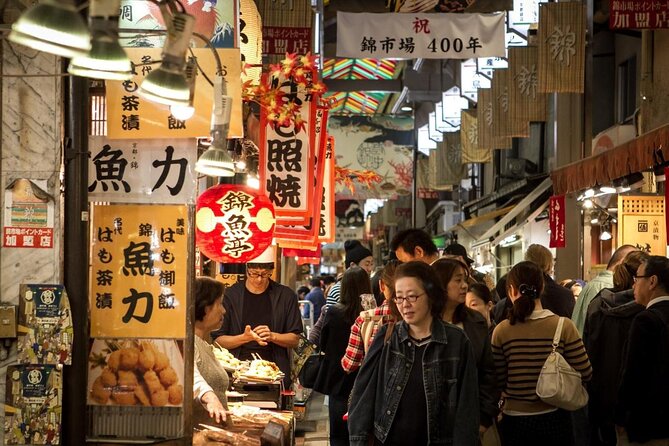
- Nishiki Market starts it all: a 400-year-old food street with about 130 shops along a five-block stretch
- You’re not just tasting: quick cultural stops include Nishiki Tenmangu (Shinto) and a nearby temple
- Small group pace: maximum 6 travelers means less waiting and more time to interact
- Food is meant to replace a meal: tastings are substantial enough to leave you satisfied
- No diet accommodations: if you need special meals, this isn’t a safe bet
Nishiki Market Is the Main Stage, Not a Side Trip
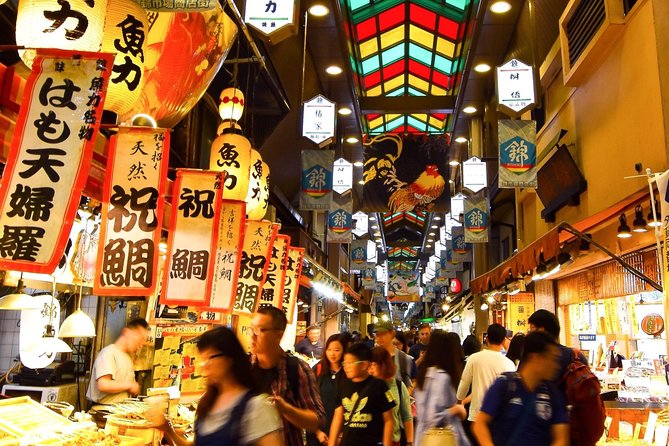
If you’ve ever tried to navigate Nishiki Market on your own, you know the feeling: too many stalls, too many smells, and not enough time to figure out what’s worth stopping for. This tour is built for that exact problem. You start at Nishiki Market Shopping District, known as Kyoto’s kitchen, and you’ll follow your guide through the narrow lanes where the action is happening all day.
What makes this work well is the balance. The market gives you the food experience, but the tour also adds short cultural visits nearby so you understand the setting. That matters in Kyoto. Food isn’t just food here. It’s tied to how people shop, how shrines and temples shape daily life, and how “everyday” looks in a city that’s also tourist-heavy.
You can also read our reviews of more walking tours in Kyoto
The “3 Hours” Advantage in Kyoto Timing
Three hours sounds short until you try doing this area on foot. Nishiki Market is dense, and the surrounding shopping streets can eat up time fast. This tour gives you a structured route so you’re not wandering for an hour trying to choose between pickled things, snack-sized sweets, and seafood-looking stalls you’re not sure about.
You’ll also appreciate the simple promise: you don’t have to make restaurant reservations to eat well. The plan is about sampling as you go.
How the Route Works: A Planned Food Walk With Cultural Stops
The itinerary flows like this: market first, then a small step-out to nearby cultural sites, then back into the shopping network. That structure keeps the tour from feeling like only shopping or only eating.
You’ll spend:
- About 1 hour 40 minutes in Nishiki Market Shopping District
- Short stops around Shrines and temples (including Nishiki Tenmangu and a small Buddhist temple)
- Walk time through pedestrian-friendly shopping streets like Shinkyogoku and Teramachi-dori
This matters because Kyoto food isn’t limited to one kind of place. Some of what you’ll notice on this walk is how people mix modern commerce with older traditions. Those quick shrine/temple pauses help you read the area instead of treating it like a theme park.
What a Small Group Changes
This max-6 setup is one of the best values in the whole experience. In a crowd like Nishiki Market, a large group becomes a traffic jam. A smaller group means you can slow down when something catches your eye, and your guide can keep explanations moving without shouting.
It also shows up in reviews. Guides like Keiko, Takuma, Miku, Toshi, Naoko, and Annie were repeatedly praised for pacing and for mixing food with cultural context. Different guides have different styles, but the common thread is that you’re not just pushed forward.
Stop 1: Nishiki Market Shopping District (1h 40m) Where the Food Culture Comes Alive
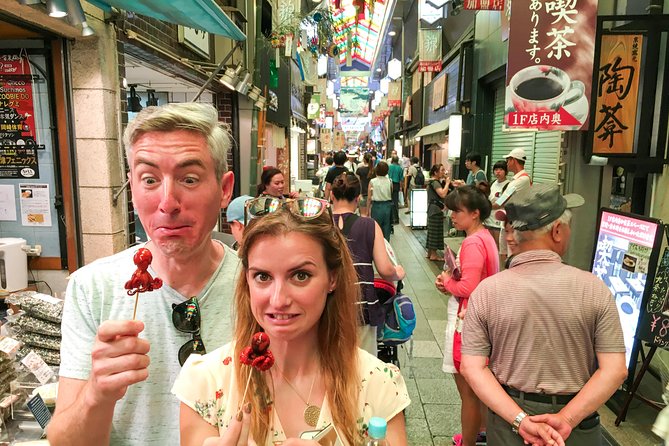
Nishiki Market is about 400 years old and runs along a narrow five-block street with roughly 130 shops. That’s a lot to see in a short time. The tour turns that chaos into a route.
Here’s what you’ll feel as you start:
- Constant movement of shoppers and vendors
- Lots of ready-to-eat snack options
- A “search and taste” vibe where you’re learning what certain foods are and why they’re sold here
You can also read our reviews of more food & drink experiences in Kyoto
What You Gain by Starting With a Guide
On your own, you might do fine. But the guide helps you avoid two common mistakes:
- You stop at stalls that look appealing but don’t match your tastes.
- You miss the foods that Kyoto is known for because you wouldn’t think to look for them.
Reviews mention tastings like Japanese snacks, fruit items, wagyu-related items, and items tied to Kyoto specialties. One review also points out the standout items can include things like minced meat pies (and similar shop specialties). You can’t guarantee the exact lineup on every date, but the tour’s goal is consistent: you should leave having tried Kyoto-leaning foods you probably wouldn’t pick on impulse.
A Practical Note: The Market Gets Crowded
This market can be very busy. If you’re traveling with a stroller, the provider asks you to let them know in advance. That’s your signal to expect tighter navigation and occasional stop-and-go movement. Even if you have a stroller, be prepared for sections where you’ll likely slow down.
Stop 2: Nishiki Tenmangu (15m) A Shinto Shrine Stop That Adds Meaning
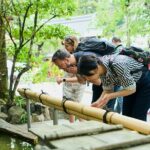
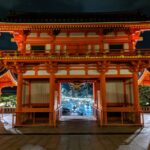
After the market, you’ll visit Nishiki Tenmangu, a local Shinto shrine. This stop is short on purpose, but it adds a layer that most food-only walks skip.
You’ll learn basic shrine etiquette and the basics of how Shinto worship works in daily life. Even if you’ve seen shrines before in Japan, this helps you connect the cultural dots. In Kyoto, food is one part of the city’s culture; places of worship are the other part that locals move around without thinking.
Why This Stop Works in a Food Tour
Because you’re still in the neighborhood, it doesn’t feel like a detour. It’s also a good mental reset after heavy browsing in the market lanes. You get to slow down, observe how people pray, and then re-enter the shopping rhythm with a more “Kyoto-literate” lens.
Stop 3: Shinkyogoku Shopping District (20m) Pedestrian Streets Where Kyoto Meets Commerce
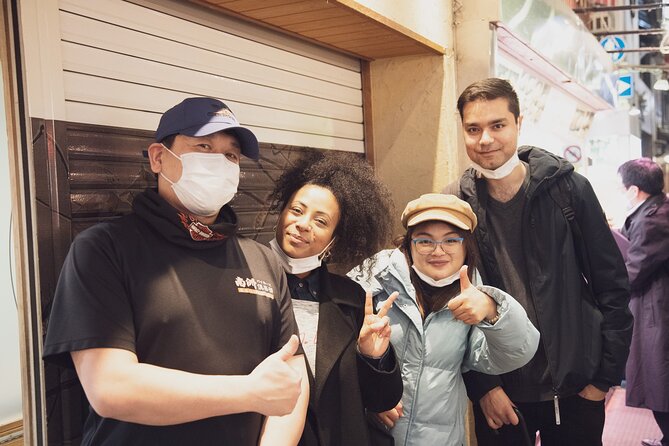
Next up is Shinkyogoku Shopping District, described as a pedestrian-only arcade street. This is where you see the mix of traditional and modern that makes Kyoto feel like a real city, not only an old postcard.
This stop is mostly about atmosphere and orientation. You’ll feel the pace of local shopping life and get a sense of what surrounds the market. It’s also a useful stretch to take a breath between food bites.
Stop 4: Takoyakushido Eifukuji Temple (10m) Quick Zen Break in the Middle of Shopping
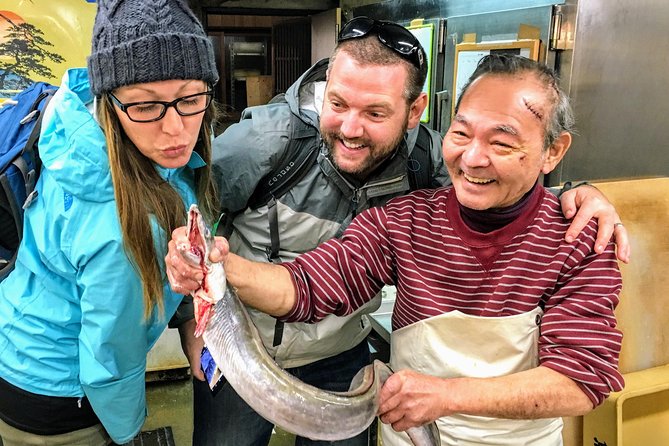
This is a small Buddhist temple located near the corner of the shopping street: Takoyakushido Eifukuji Temple. Kyoto has temples everywhere, and the tour uses this one to make that fact feel immediate instead of abstract.
Even though it’s only about 10 minutes, it helps you notice something: the religious sites aren’t isolated attractions. They’re part of the same streets you’re already walking.
Stop 5: Teramachi-dori Street (15m) Long-Established Shops and Current Trends
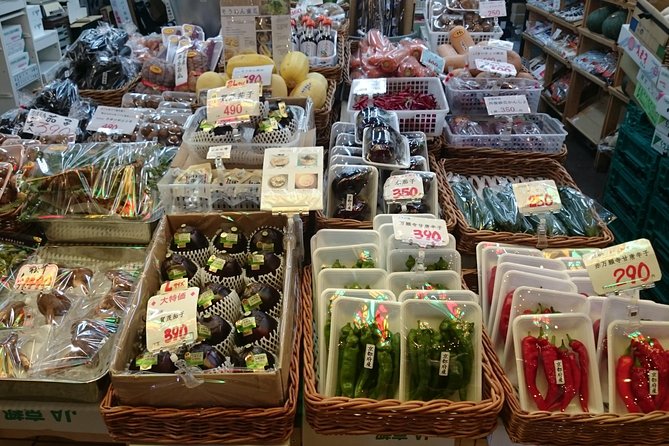
Your walk finishes with Teramachi-dori Street, another everyday shopping street lined with both long-established stores and newer ones.
This stop is a good way to wrap your head around where you’ve been. The market provides the food intensity; the surrounding streets show you how people live between buying supplies, meeting friends, and grabbing snacks. If you’re hoping to take home ingredients or small edible souvenirs, this final stretch is where you often spot them without the pressure of trying to “shop while hungry.”
Food Amounts and “How Full Will I Be” (Real Talk)
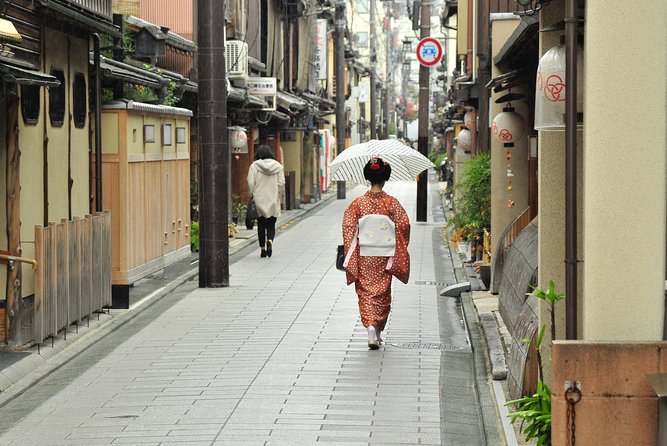
The tour is designed so the included food samples are enough to fill you up in place of a meal. That’s the intention, and many reviews match the vibe of leaving satisfied.
At the same time, you should know there’s at least one negative review that complains the tour has too few tastings for the price and that the included items felt limited compared to self-guided wandering. That doesn’t mean the tour is bad, but it does tell you how people’s expectations can clash.
So here’s my practical advice for you:
- If you want guidance plus a culture walk, this is a strong fit.
- If you want a maximum-number-of-stalls tasting marathon, you may feel like you could do more on your own.
A good compromise is to treat this tour as the “Kyoto intro” meal. After the tour, you can still do one or two snack stops on your own if you want extra variety.
Drinks and the Legal Age
Japan’s legal drinking age is 20, which is listed for this activity. If you plan to drink, you’ll want to keep that in mind and follow the local rules.
Price and Value: Is $80.92 Fair for a 3-Hour Walk?
The price is $80.92 per person for about 3 hours. You’re paying for more than walking and snacks. You’re paying for:
- A guide who leads you through a crowded market so you don’t waste time
- Cultural stops that add context (shrine and temple visits)
- Included food samples built to replace a meal
- A small group max of 6, which is hard to replicate if you go fully independent
Where the price may feel less fair is if you measure value purely by the number of items. The complaints you’ll see aren’t about the guide skills—they’re about the amount of food included relative to expectations.
In other words: this is better viewed as a guided Kyoto food and culture experience, not a “count every bite” deal.
Weather, Pace, and Comfort Details That Matter
This tour runs rain or shine. In Kyoto, that’s useful because your schedule doesn’t have to collapse when clouds show up.
Pace-wise, reviews highlight that the schedule is comfortable. One review even calls out that the blend of walking and sitting worked well for someone with back problems. That’s a great sign if you’re looking for less intensity than a full-day market sprint.
Who This Tour Is Best For (And Who Should Rethink It)
I’d point you toward this tour if:
- You want to try Kyoto foods without spending time figuring out where to start
- You like walking but want someone to manage the crowded parts
- You value cultural context alongside food
- You want a small-group experience where questions don’t get ignored
I’d think twice (or choose a different plan) if:
- You need any dietary accommodations, because the tour states it cannot accommodate vegetarian, halal, kosher, gluten-free, or allergy-related needs
- You’re only interested in chasing the absolute maximum number of tastings, because some reviews felt the tour didn’t deliver enough for the cost
- You’re traveling with a stroller and need wide, easy pathways the whole way, since Nishiki Market can be very crowded
Guide Styles: What You Can Hope For
One of the biggest strengths in the reviews is how guides connect food to culture and keep the day flowing.
Examples that popped up across reviews:
- Keiko and Toshi were praised for mixing history and Japanese culture with the food stops.
- Takuma was called out for strong English and for not making people feel rushed.
- Miku received praise for enthusiasm and for covering notable market items.
- Yasuko guided a long list of tastings and tied them to both market education and shrine/temple culture.
- Chizuko was praised for linking culinary interests to what’s around Nishiki and for helping with shopping decisions.
You can’t pick your guide in advance from the info provided, but you can use these names as signals: the experience tends to be strongest when the guide keeps explaining what you’re seeing and tasting.
Should You Book This Kyoto Nishiki Market Food and Culture Tour?
Book it if you want a well-paced introduction to Nishiki Market that includes food plus cultural meaning, and you’re fine with the no-dietary-restrictions rule. The small group size and the fact that the food is meant to replace a meal make this a practical choice for a first (or second) time visit.
Skip or switch plans if dietary needs are part of your trip. Also consider skipping if your top priority is a huge tasting count above all else. For those cases, you may do better with a self-guided market plan plus a separate cultural visit.
If you’re a “show me where to go and what to try” person, this tour has the right structure—and it’s hard to beat Nishiki Market with someone walking you through it.
FAQ
How long is the Kyoto Nishiki Market Food and Culture Walking Tour?
The tour lasts about 3 hours.
How big is the group?
The tour has a maximum of 6 travelers.
Where does the tour start?
It begins at Nishiki Market Shopping District, also described as Nishiki Market, known as Kyoto’s kitchen.
Does the tour include enough food to be a meal?
Yes. The tour includes food samples meant to be enough to fill you up in place of a meal.
Can the tour accommodate dietary restrictions like vegetarian, halal, gluten-free, or allergies?
No. The tour states it is unfortunately unable to accommodate dietary restrictions, including vegetarian, halal, kosher, gluten-free, or allergy-related requests.
Does the tour run in bad weather?
Yes. The tour takes place rain or shine.
Is hotel pickup or transportation included?
No. Hotel pickup and drop-off, transportation to/from attractions, and extra expenses are not included.