REVIEW · NISHIKI MARKET
Kyoto: Nishiki Market Brunch Walking Tour-7 Tastings+Brunch
Book on GetYourGuide →Operated by MagicalTrip · Bookable on GetYourGuide
Kyoto breakfast without the crowd stress. This 3-hour walk turns Gion’s early quiet into a real food lesson, ending at Nishiki Market—the Kitchen of Kyoto. You get strolling time, shrine context, and a guided hunt for flavors you’d miss on your own.
I love how the tour builds your appetite with 7 tastings before you settle into brunch. I also love the small group setup (max 7), which makes it easy to ask questions instead of just following the herd.
One consideration: this tour isn’t set up for everyone. It’s not wheelchair or stroller friendly, and it can’t accommodate vegan or gluten-free needs.
In This Review
- Key things I’d circle on your Kyoto map
- Meeting in Gion Shijo: start calm, start early
- Walking the classic route: Izumo-no-Okuni, Shijo-ohashi, and Pontocho
- Nishiki-Tenmangu Shrine: a stop that changes how you see the market
- Nishiki Market: the Kitchen of Kyoto in 7 tastings
- Brunch at the restaurant: how the meal ties everything together
- Guide style matters: why people keep name-dropping certain hosts
- Price and value: what you’re really paying for at $66
- Food rules and reality checks (vegan, gluten-free, allergies)
- Who should book this Nishiki Market brunch tour?
- Should you book this Nishiki Market brunch walking tour?
- FAQ
- What’s included in the Kyoto Nishiki Market brunch walking tour?
- How long is the tour, and how many people are in the group?
- Where do we meet, and where does the tour end?
- Is the tour wheelchair or stroller friendly?
- Can I book if I’m vegan or gluten-free?
- Can I cancel and get a full refund?
Key things I’d circle on your Kyoto map
- Gion morning start: you’ll walk calm backstreets before the city’s daytime rush hits.
- Shrine stop with real context: you pause at Nishiki-Tenmangu Shrine to understand local worship patterns.
- Nishiki Market like a guided food plan: 7 tastings plus brunch means you don’t have to guess what to try.
- A guide who talks culture, not just food: people often mention guides like Reiko, Takaya, Yusuke, Aki, and Chie for clear explanations and great pace.
- You get photos too: the tour includes photo moments so you’re not stuck asking strangers.
- Cash helps: you’ll want yen on hand since extra snacks and drinks aren’t included.
Meeting in Gion Shijo: start calm, start early
You’ll meet at Gion Shijo Station, right outside Exit 5, where your guide holds a sign that says MagicalTrip. The tour runs about 3 hours, so it’s a good fit on a day when you want Kyoto time without committing to a full morning tour marathon.
The best part of the early start is mood. Kyoto feels different in the morning—quieter streets, slower pace, and a better chance to actually hear your guide. You’re also walking before most people decide they suddenly need breakfast.
Bring cash. The included meal and tastings do the heavy lifting, but extra drinks and side snacks are on you. Also pack for weather shifts: Kyoto can swing from very hot summers (around 40°C/110°F) to chilly winters.
Walking the classic route: Izumo-no-Okuni, Shijo-ohashi, and Pontocho
After meeting, the walk threads through some of Kyoto’s recognizable landmarks, which helps you build a mental map fast. You’ll begin at the Statue of Izumo-no-Okuni, then head toward Shijo-ohashi Bridge for a short stop.
From there, you move into Pontocho, an area many people associate with Kyoto’s evening atmosphere. The trick here is the timing: you’re seeing it early, when the street feels reflective instead of hectic. It’s a small but meaningful contrast that makes your later market stop feel even more like a shift in gears—from streetscape to serious food time.
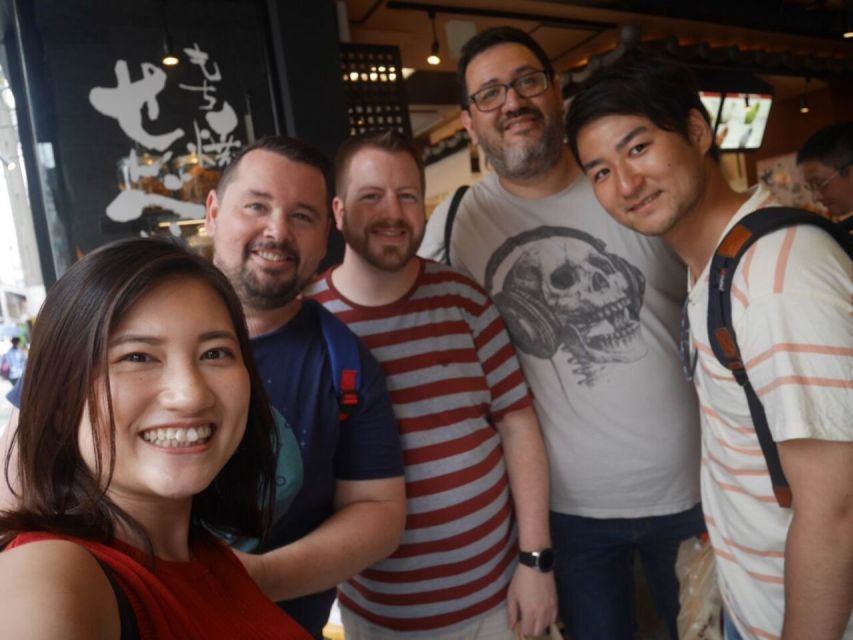
Along the way, your guide is expected to connect what you see with how people live and eat. You’ll get chances to ask questions about the city’s food culture and local customs, and the small group size helps your questions not get swallowed.
One practical note: the tour includes a fair bit of walking, including areas that may be tough for anyone using a stroller or needing step-free routes.
Nishiki-Tenmangu Shrine: a stop that changes how you see the market
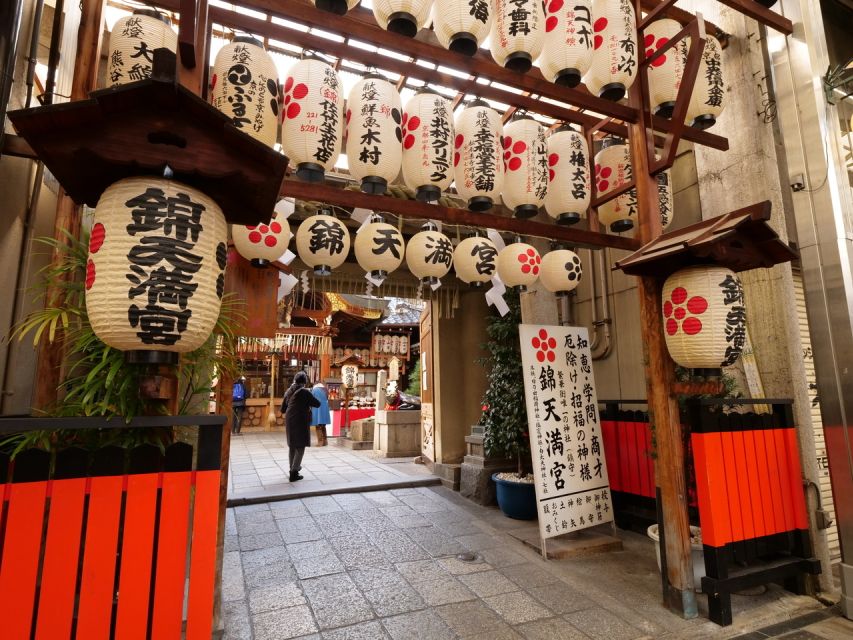
Right before Nishiki Market, you’ll visit Nishiki-Tenmangu Shrine. This is the kind of stop that can feel like a detour—until you realize it frames the rest of your morning.
A shrine visit gives you a quick cultural baseline: how locals think about ritual, respect, and everyday devotion. It also helps explain why food markets in Japan often feel tied to daily life rather than just tourism.
From the way the tour is described and how guides are praised, expect your guide to explain the basics in plain language—how to tell shrine customs from temple customs, and what locals might be thinking about when they stop in.
You’ll take in the calmer atmosphere, then head into the market with a different mindset. Instead of treating everything like a snack buffet, you start noticing ingredients, seasonality, and presentation.
Nishiki Market: the Kitchen of Kyoto in 7 tastings
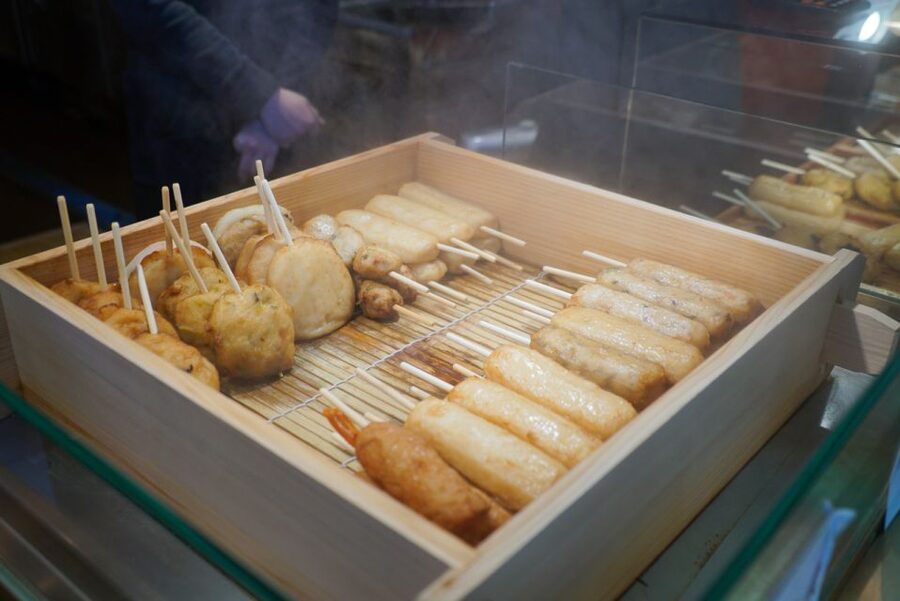
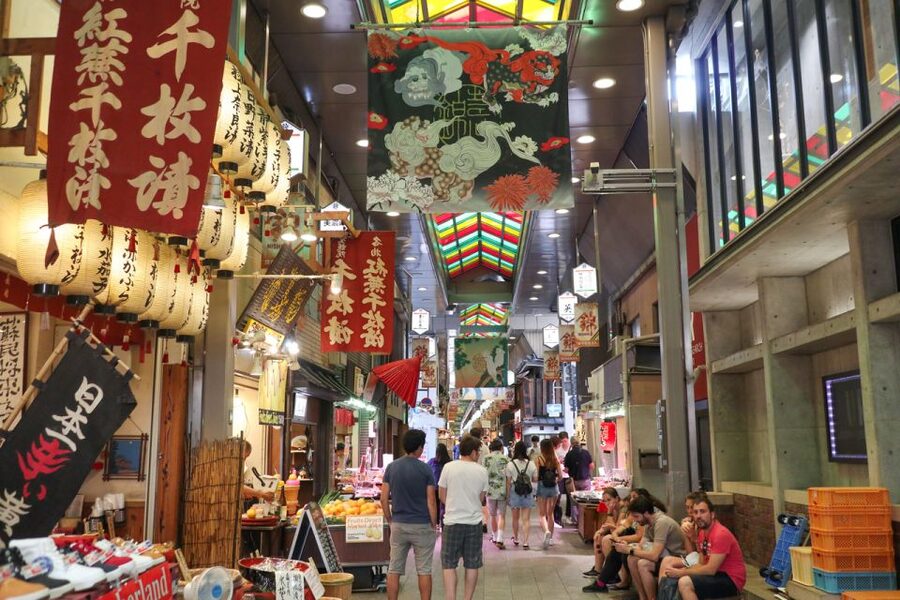
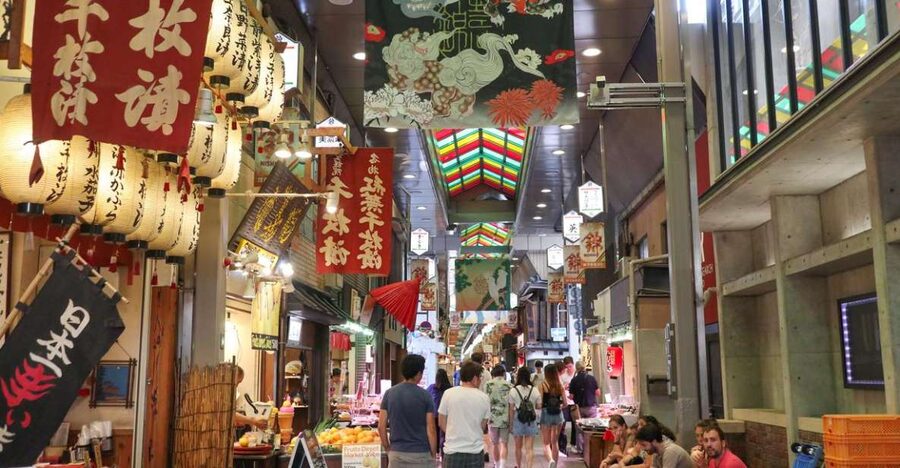
Now the main event. Nishiki Market is famous as the Kitchen of Kyoto, and it’s also known for having over 400 years of history. Think of it as a long, dense corridor of stalls—less a “square” and more a steady stream of storefronts and counters.
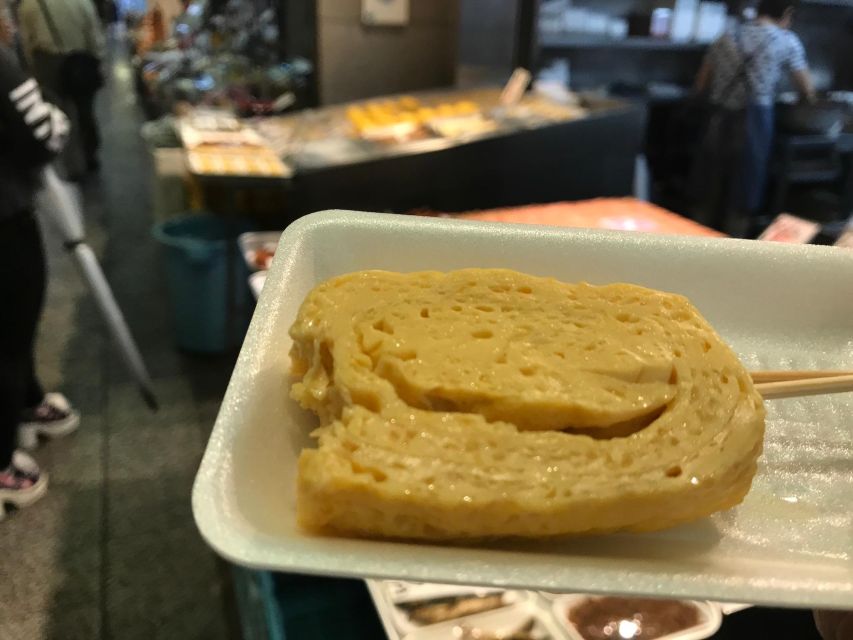
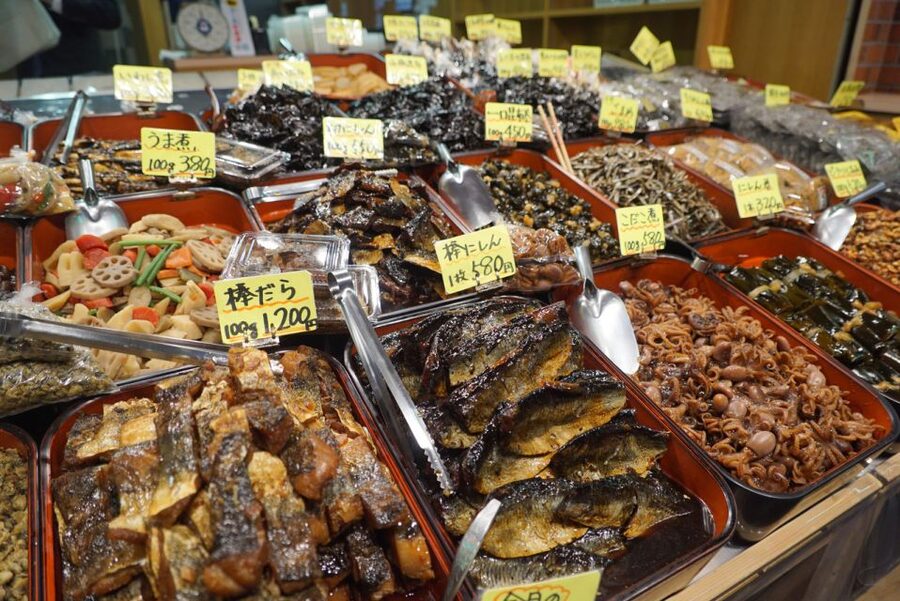
Your guide leads you through the market with a purpose: 7 kinds of tastings, selected so you taste the range of what Kyoto does well. This is where guided value shows up. You get variety without the stress of choosing blindly while also trying to translate labels at speed.
You’ll also learn what each item is and why it matters locally. In particular, you’re not just eating; you’re building context. That’s what turns a market visit from random consumption into a real food education.
Here’s what to mentally prepare for: Nishiki is packed. Even though your morning timing helps, it’s still a busy place. Your best move is to let your guide do the navigating and focus on tasting, asking questions, and spotting the styles you like.
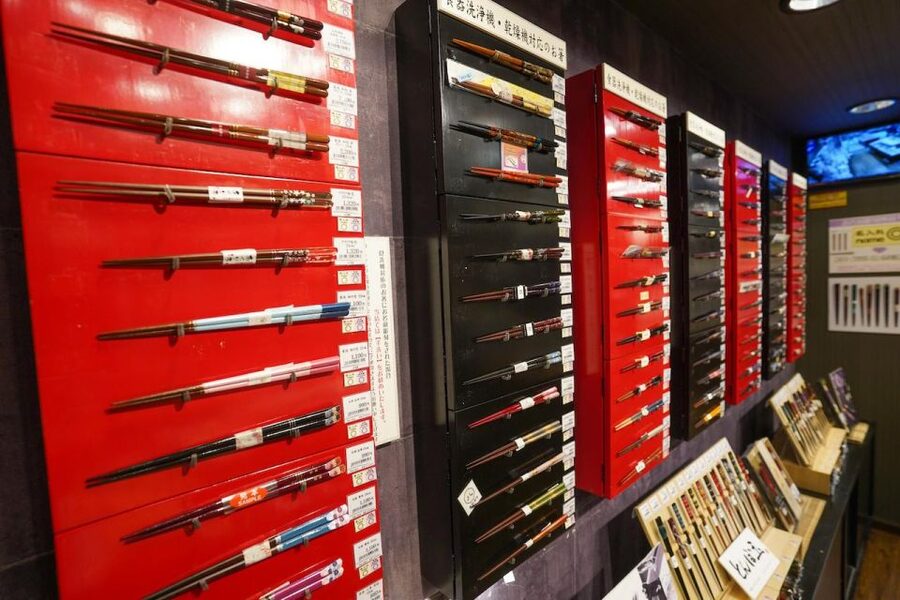
Also, don’t assume you’ll leave empty-handed mentally. After the tour, you’ll usually know what you’d want to buy back—because you tasted the “why,” not just the “what.”
Brunch at the restaurant: how the meal ties everything together
The tour ends with brunch at a restaurant inside the Nishiki area. The brunch is included, and it’s part of the same guided flow: you sample at the stalls, then sit down for a more complete meal.
The tastings are the appetizer course for your curiosity. The restaurant meal becomes the punctuation mark—where you eat something fuller and more cohesive. Guides are often praised for making sure the brunch fits what the group wants, and many diners highlight that the lunch options feel like a real win, not an afterthought.
You should also know what’s not included: additional food and drinks. So if you want sake, tea, soda, or any extra sweets beyond the included items, budget for it separately.
What makes the brunch component worth it is the lesson. A good market experience teaches you how to order and what combinations make sense. The guide’s explanations help you leave with better instincts for your next market visit—whether you come back the same day or later in the trip.
Guide style matters: why people keep name-dropping certain hosts
One thing that comes through strongly is the difference between a “walk-and-point” guide and a teaching guide. Many people mention guides—like Takaya, Yusuke, Aki, Yuma, Nori, Yutaka, Yuki, and Chie—for explanations that stay friendly and easy to follow.
Look for what that means in practice:
- Clear English and patient pacing, so you’re not lost while everyone else moves on.
- Cultural notes that connect the dots between the street, the shrine, and the market.
- Photo help at the right spots, so you don’t spend your morning doing the awkward tourist arm-flail.
If you like learning while you eat, this is the kind of tour that fits your style. If you want silence and speed, you might feel chatty during parts of the walk. But you’re paying for the context, and the group size helps keep it natural.
Price and value: what you’re really paying for at $66
$66 per person sounds like a lot until you break down what’s included. You’re not just buying access to a market—you’re buying:
- 7 tastings, chosen for variety and flow
- Brunch at a restaurant
- A 3-hour live guide who helps you understand the food culture behind the stalls
- Photos during the experience
Markets can be fun on your own, but Nishiki is long, dense, and full of tempting choices. Without a guide, you often end up spending time deciding and money on random picks. With the tour structure, you get the “best of the morning” sampling plan.
The small group cap (max 7) also matters for value. In a crowded market, a larger group can slow down your food time and reduce questions. Here, the pace tends to stay workable, so you actually finish the meal experience feeling full—not frazzled.
If you’re on a shorter Kyoto visit and you want one morning that makes the rest of your food wandering smarter, this price can feel fair fast.
Food rules and reality checks (vegan, gluten-free, allergies)
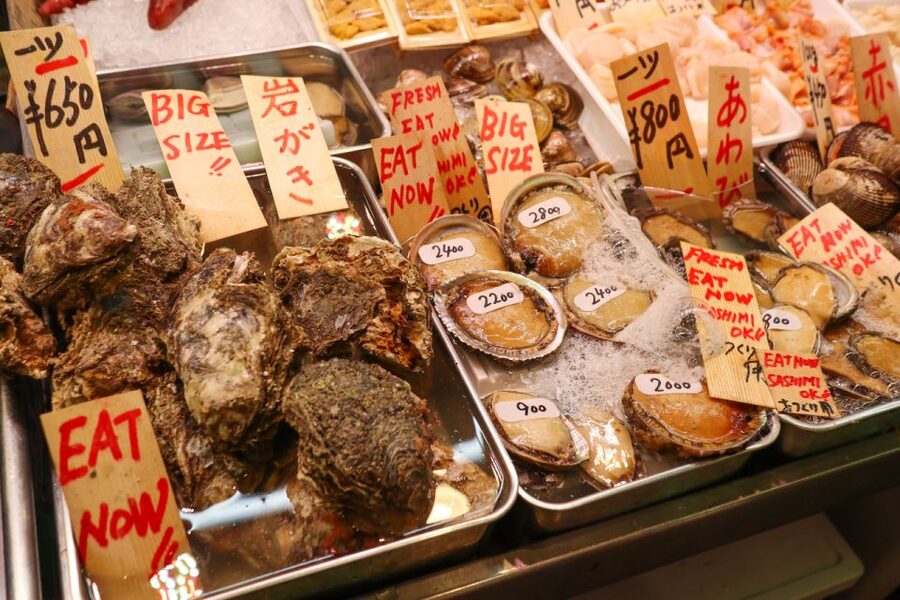
This tour has limits. It cannot accommodate vegan & gluten-free requests. It also can’t guarantee an allergy-free experience, because the food is prepared in kitchens that do not belong to MagicalTrip.
If you have dietary needs, the best move is to contact the company at least one day before so the guide can mention what’s relevant. Even then, substitutions may not always be possible at every stop, but the tour is set up to make an effort to compensate at other points.
Also plan around the fact that you might still be able to taste some things while skipping others, but that depends on your specific situation and what’s offered that day. If your needs are strict, treat this as a “discuss first” tour, not a guarantee.
And remember: extra drinks and additional snacks outside the included items are not covered, so double-check anything you want to add.
Who should book this Nishiki Market brunch tour?
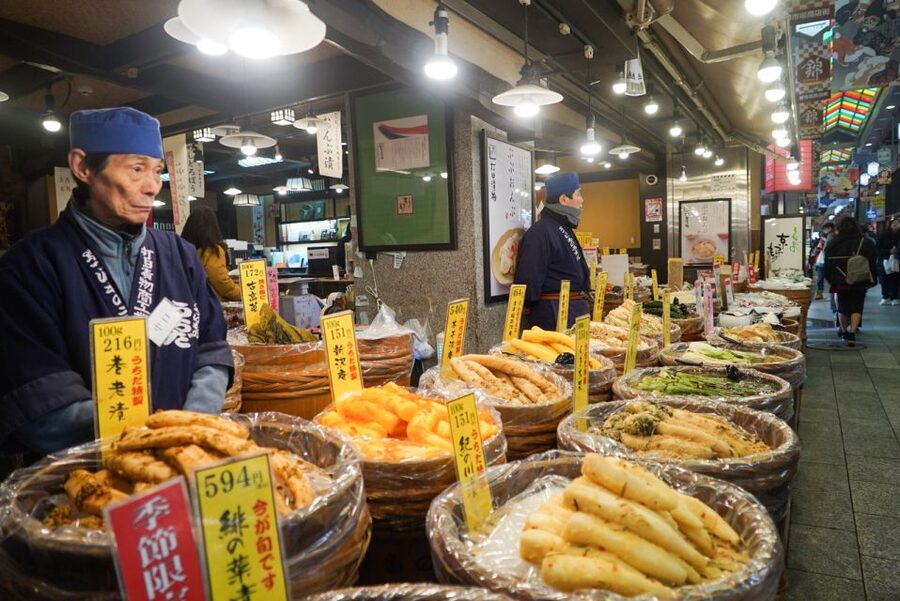
This tour is a strong match if you want:
- A morning Kyoto walk that feels calmer than night
- A guided way to taste multiple foods without the decision fatigue
- Shrines and street culture woven into your food plan
- Easy structure for a market visit, plus photo help
It’s also a good choice for people who love asking questions. The format supports that—small group, time to stop, and a guide who answers questions about history and culture.
Skip it if you need wheelchair or stroller access, or if vegan or gluten-free meals are non-negotiable. And if allergies are severe, plan carefully, because the tour data says an allergy-free guarantee isn’t possible.
Should you book this Nishiki Market brunch walking tour?
Yes, if you want one Kyoto morning that feels like real local food time, not just sightseeing. You’re paying for the combination of guided walking + 7 tastings + brunch, and the market context turns that meal into something you’ll remember.
If you’re sensitive to dietary limits or you need strict allergy control, book only after a careful message and confirmation. For everyone else, this is a smart “start Kyoto food” move—especially if you like markets, shrines, and learning while you eat.
FAQ
What’s included in the Kyoto Nishiki Market brunch walking tour?
You get brunch at a restaurant, plus 7 kinds of tastings during the market. The tour also includes photos during the tour.
How long is the tour, and how many people are in the group?
The tour lasts 3 hours and is a small group limited to 7 participants.
Where do we meet, and where does the tour end?
You meet at Gion Shijo Station outside Exit 5, where the guide is holding a sign that says MagicalTrip. The tour finishes at Nishiki Market.
Is the tour wheelchair or stroller friendly?
No. The tour includes locations that are not accessible by a wheelchair or stroller.
Can I book if I’m vegan or gluten-free?
No. The tour is unable to accommodate Vegan & gluten-free requests.
Can I cancel and get a full refund?
Yes. You can cancel up to 24 hours in advance for a full refund.