REVIEW · BANGKOK
Bangkok: City Highlights Temple and Market Walking Tour
Book on GetYourGuide →Operated by Bigcountry Experience Co.,Ltd. · Bookable on GetYourGuide
Bangkok is louder than you expect, until the temples quiet it down. This tour strings together the Grand Palace, the Emerald Buddha Temple, and the dawn-to-dusk highlights of Wat Pho and Wat Arun, with local-market flavor along the way. I especially like how the guide turns the rules (dress code, shoe-off moments, where you can photograph) into something easy to follow, and how you get context for what you’re seeing. One thing to consider: you’ll be doing a good chunk of walking in Bangkok heat, and temple attire rules are strict.
What makes it work is the pacing and the small group vibe. You meet at River City Bangkok (Bigcountry Experience office) by 9:00 AM, then head out on local transport with a licensed guide (English or German) in a group limited to 10 people. You can also choose the Wat Pho and Wat Arun options, so you’re not forced into extra temples if your legs (or schedule) are limited.
In This Review
- Quick Take: What You’ll Enjoy Most
- Meet at River City Bangkok: The Easy Start That Sets Up the Day
- Wat Phra Kaew (Emerald Buddha Temple): Where Sacred Rules Actually Matter
- Dress code and behavior: don’t wing it
- Through Rattanakosin’s Market Pulse: Amulets and Tha Thien Seafood
- Grand Palace: Royal Power, Ceremonies, and a Photo Stop That Teaches You How to Look
- What I think is most valuable here
- Wat Pho (If You Choose It): The Reclining Buddha and the Thai Massage Origins
- Marble inscriptions and the “hospital” side of the temple
- Practical note
- Wat Arun (Temple of Dawn): The 70-Meter Tower and Porcelain-Glass Detail
- Markets After the Tour: Tha Tien as Your Launchpad
- How Transport and Timing Shape Your Experience
- Expect queues and careful steps
- Price and Value: Why $42 Can Be a Bargain
- What you pay extra for
- Who Should Book This Tour (and Who Might Not)
- Should You Book This Bangkok Temple and Market Walking Tour?
- FAQ
- FAQ
- What temples are included in the Bangkok tour?
- How long does the tour take?
- Where do I meet the guide?
- What’s the tour drop-off location?
- What time does the tour start?
- What dress code is required for the temples?
- Do I need to remove my shoes inside temples?
- Is photography allowed?
- What languages are offered for the live guide?
- Is the group size limited?
Quick Take: What You’ll Enjoy Most
- Real temple context, not just photos: you’ll learn why each site matters, including Rama I’s role at Wat Pho
- Sacred stops with clear rules: no bare shoulders or knees, shoes off indoors, and photo limits inside buildings
- Market flavor en route: pass the amulet market on Rattanakosin Island and see Tha Thien Market’s dried salted seafood
- Iconic Bangkok landmarks: Emerald Buddha, the Reclining Buddha, and Wat Arun’s 70-meter tower
- Small-group comfort: limited to 10 participants, plus drinking water
Meet at River City Bangkok: The Easy Start That Sets Up the Day
The meeting point is River City Bangkok, right by the river area where it’s simple to orient yourself. You’re told to meet at the Bigcountry Experience office there by 9:00 AM, which is a smart move because the main temples get crowded later in the day. The tour is built around quick transitions: a bit of transport, then enough guided time at each sight to make it feel more than a checklist.
One practical benefit: because this is a small group (up to 10), you’re less likely to get lost in the shuffle when you hit ticket lines, dressing checks, and the shoe-off stations. I also like that the tour includes drinking water. In Bangkok, that’s not a “nice to have,” it’s part of whether you enjoy the day.
You can also read our reviews of more walking tours in Bangkok
Wat Phra Kaew (Emerald Buddha Temple): Where Sacred Rules Actually Matter
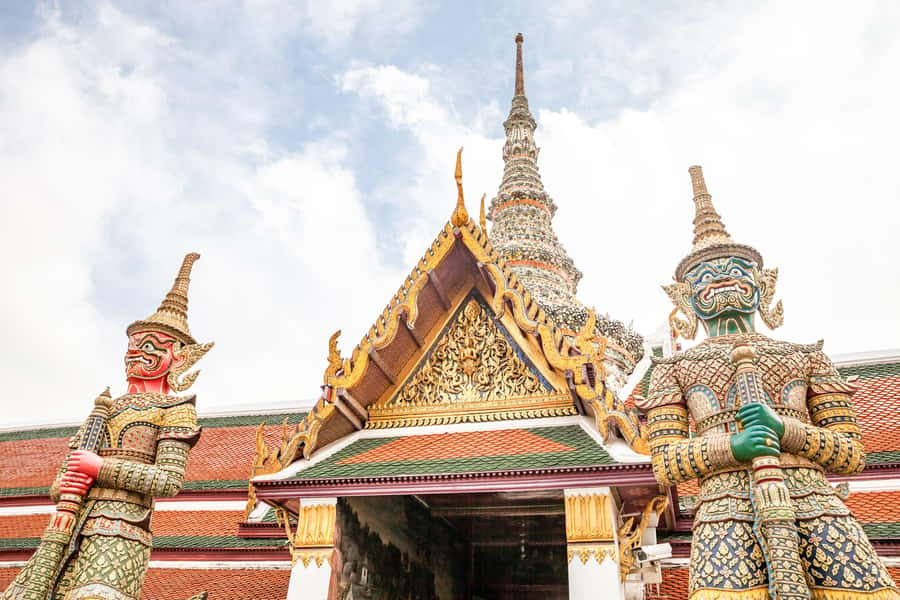
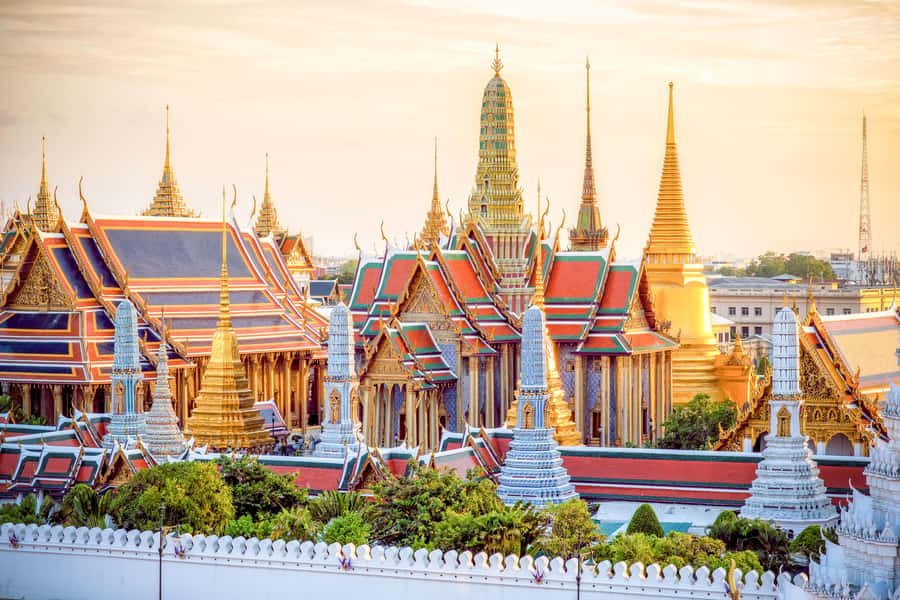
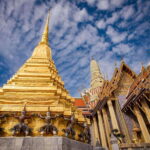
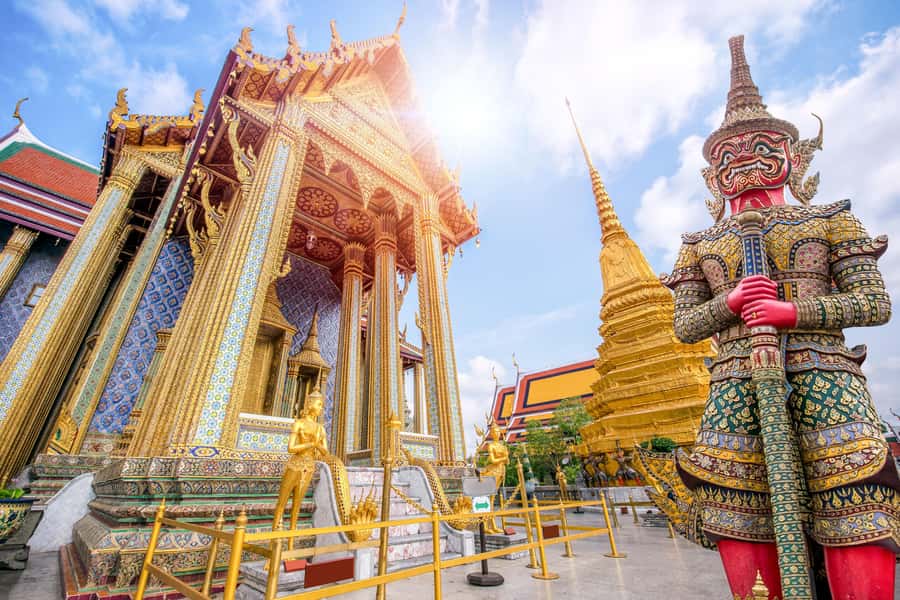
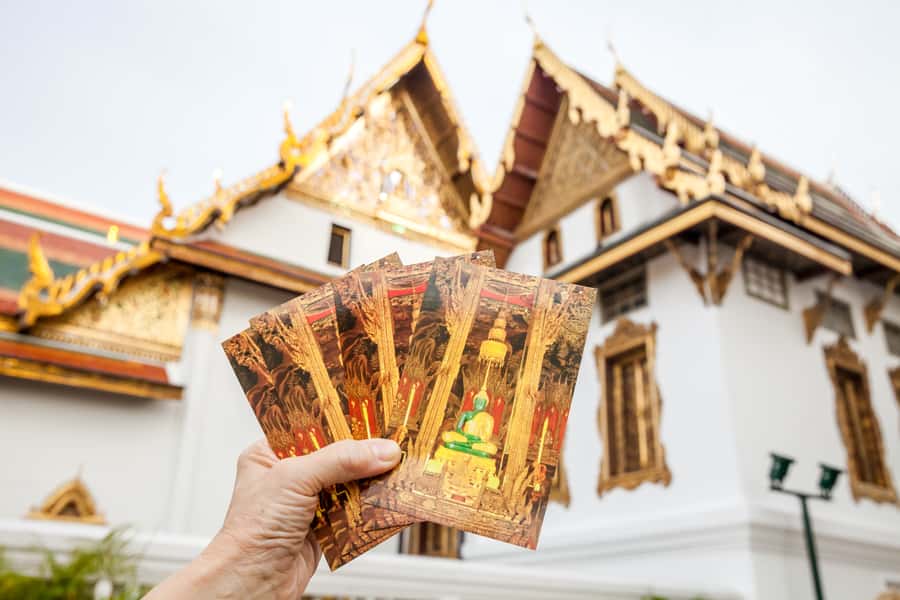
The first big temple stop is Wat Phra Kaew, also known in English as the Temple of the Emerald Buddha. It’s officially Wat Phra Si Rattana Satsadaram, and it’s considered the most sacred Buddhist temple in Thailand. Even if you’ve visited temples before, this one tends to feel extra serious because of how carefully it’s managed.
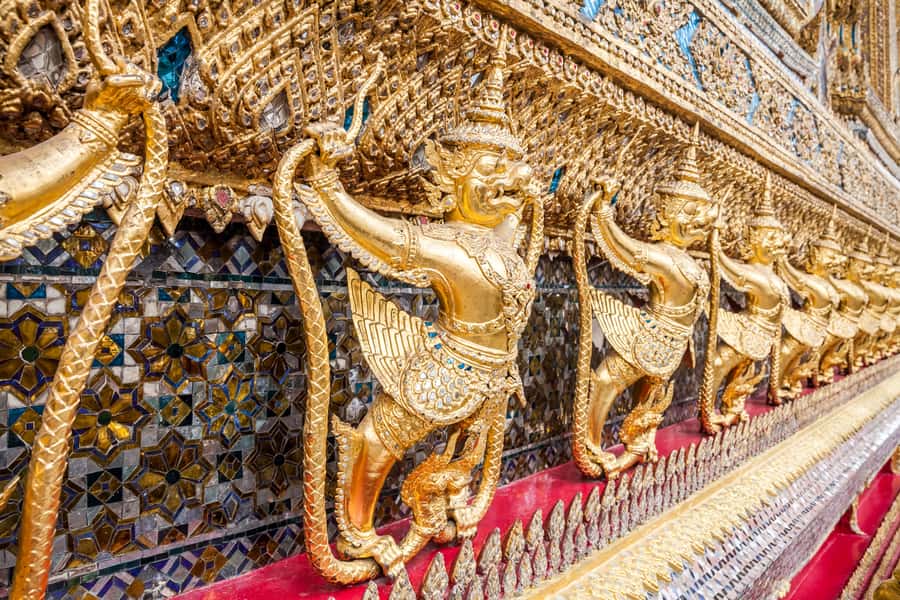
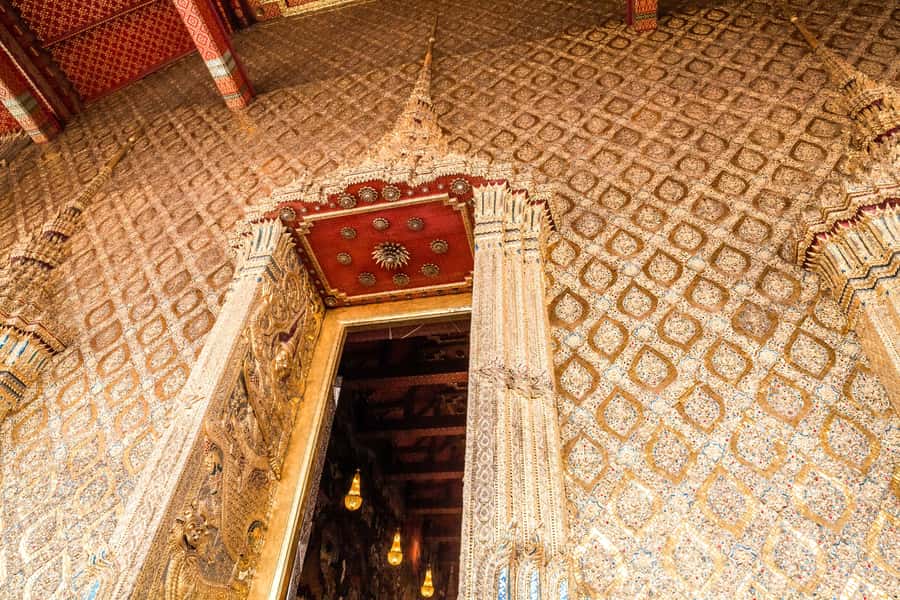
Here’s what to look for beyond the obvious shine. The temple complex is known for brightly colored buildings, golden spires, and glittering mosaics. But the guide’s job is to help you understand the experience you’re walking into—why certain spaces are treated differently, why visitors are expected to dress properly, and why there are restrictions on how you move and where you shoot photos.
Dress code and behavior: don’t wing it
This is where the tour’s guidance matters. You’ll be required to wear proper attire: no bare shoulders or knees, and strapless-heel shoes aren’t allowed. Sleeveless shirts are also not allowed. And yes, you’ll remove shoes before entering temple buildings.
Photography is allowed in the Royal Palace Grounds and in the compounds of the Emerald Buddha Temple, but not inside the buildings. That sounds limiting until you realize it changes how you look—you’ll focus on what you can see from outside, and you’ll avoid getting stressed trying to shoot inside.
If you’re wondering what to wear, plan on something that covers your knees and shoulders. A lightweight long skirt or long pants with a breathable top makes the day easier and keeps you from paying for last-minute clothing rentals.
Through Rattanakosin’s Market Pulse: Amulets and Tha Thien Seafood
Between stops, the tour passes by local community markets that give you texture. You’ll see an amulet market along the route—one of the most famous, historical community markets on Rattanakosin Island. If you like cultural oddities (and Bangkok has plenty), you’ll likely enjoy spotting the small shrine displays, the belief-driven commerce, and the everyday rhythm of locals doing their errands.
Later, you pass Tha Thien Market, a cultural food market known for dried salted seafood and wholesale products. Even if you don’t plan to buy anything, it’s a fast education in what Bangkok food culture looks like behind the scenes. You get to see the practical side of the city, not just the tourist-facing sights.
A tip: if you want to snack later, don’t expect the tour to include it. This experience includes water, but personal expenses are on you. Still, seeing markets up close helps you decide what you want to chase after the tour ends.
Grand Palace: Royal Power, Ceremonies, and a Photo Stop That Teaches You How to Look
After the Emerald Buddha Temple, you move on to the Grand Palace, the official residence of the kings of Thailand. Today, it’s still used for official events, royal ceremonies, and state functions held inside the walls each year. That means you’re not just touring something frozen in time—you’re entering a living ceremonial space.
The tour includes time for a photo stop plus a guided visit and sightseeing walk (about 1.5 hours at this part). That guided time is key because the Grand Palace is dense. Statues, paintings, architectural details, and myth references can feel overwhelming if you’re just wandering.
What I think is most valuable here
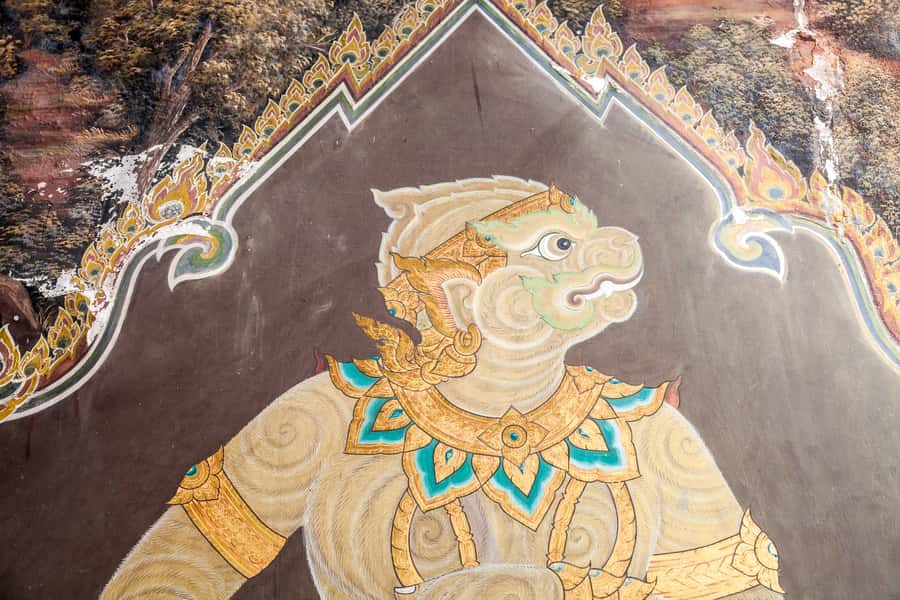
I like the way the guide helps you connect the dots. You’re more likely to notice recurring characters in statues and paintings once someone explains what they represent and how the Thai dynasty mythology fits together. You also get practical context about how the Emerald Buddha’s presentation changes with the seasons—its outfits are changed periodically, and you’ll learn that it’s made of jade.
Remember the photo rule: photography is permitted in the palace grounds, but not inside buildings. So you’ll plan your shots around what’s visible from the open areas. That makes your time smoother and prevents the frustration of arriving somewhere and realizing you crossed a line.
Wat Pho (If You Choose It): The Reclining Buddha and the Thai Massage Origins
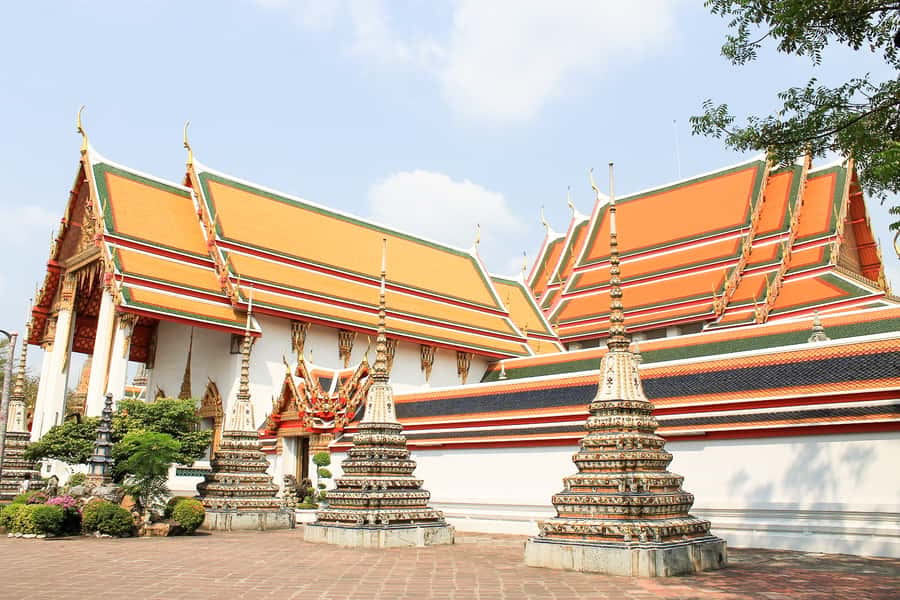
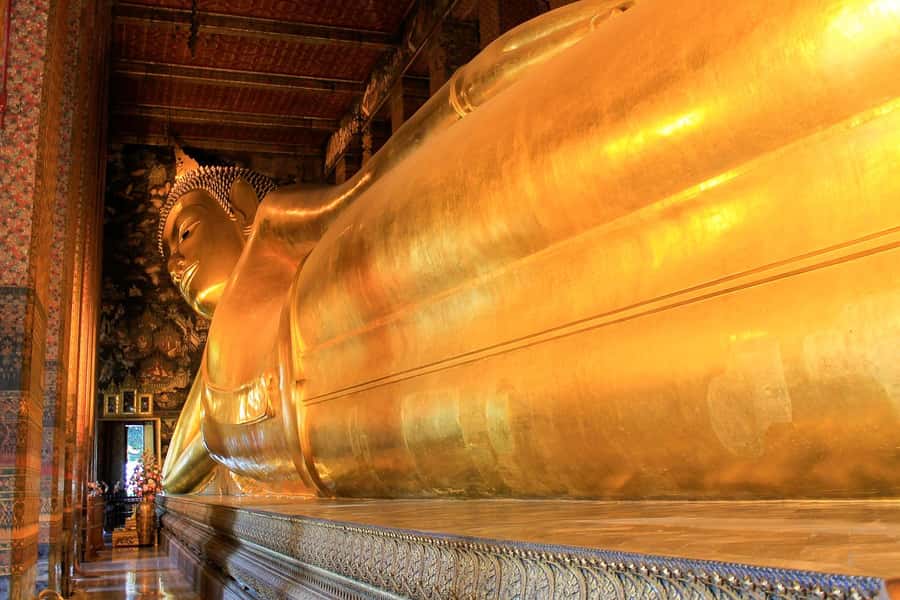
Wat Pho is the big one if you want depth. It’s described as the oldest and largest temple complex in Bangkok, and the tour focuses on the Temple of the Reclining Buddha. This matters because Wat Pho isn’t just another landmark temple. It’s tied to education, medicine, and the origins of Thai massage.
You’ll learn how King Rama I rebuilt the temple complex on an earlier temple site and made it his main temple, with some of his ashes enshrined there. That gives the reclining Buddha area a stronger emotional base. It’s not only about posture and scale; it’s about dynastic legacy and spiritual duty.
Marble inscriptions and the “hospital” side of the temple
One of the most interesting details here is the temple’s role in public education. Wat Pho is considered an early center for medical public instruction, with marble illustrations and inscriptions meant for public guidance. It has also been recognized by UNESCO in its Memory of the World Programme, which is the kind of credential that tells you this wasn’t just symbolism—it was information meant to be used.
The tour also highlights something you can feel even if you’re new to it: Wat Pho is considered the birthplace of traditional Thai massage, and the practice is still taught and carried on at the temple today.
Practical note
If you pick the Wat Pho option, the admission fee is included. The main “drawback” is physical: this temple complex involves more walking and more time standing around. If you’re heat-sensitive, wear breathable clothing you already know won’t trigger dress-code issues. Stick with covered knees and shoulders, then prioritize comfort over looks.
Wat Arun (Temple of Dawn): The 70-Meter Tower and Porcelain-Glass Detail
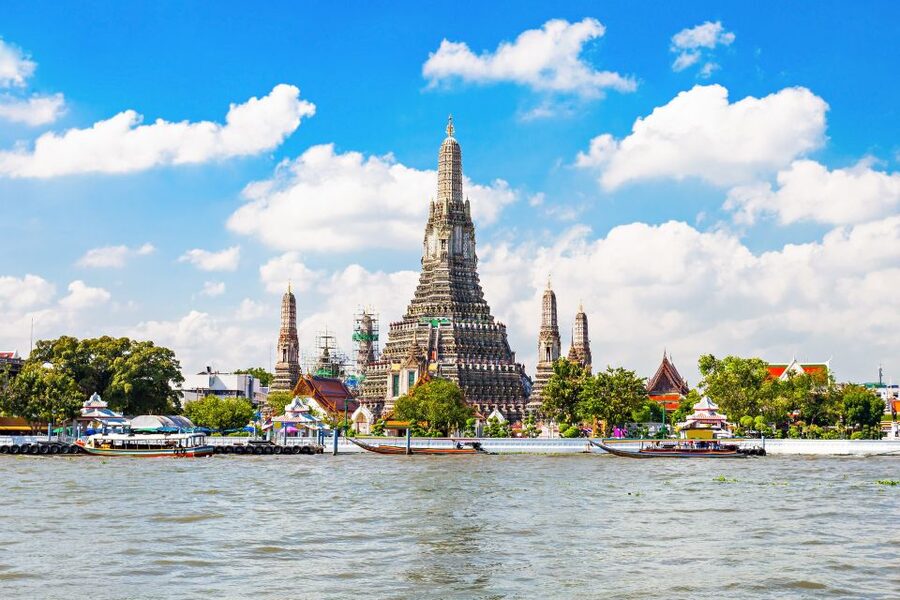
If you choose Wat Arun, you’ll finish the temple set with one of Bangkok’s most recognizable silhouettes. Wat Arun is known as the Temple of Dawn, and it sits by the Chao Phraya River. The landmark feature is its giant 70-meter tower, covered in tiny pieces of colored glass and decorated with Chinese porcelain.
This is the kind of place where your eyes need time. Up close, the surfaces look like they’ve been assembled from thousands of small decisions. From farther away, the tower reads like a sculptural icon that anchors the skyline.
Your tour includes the Wat Arun admission fee if selected, and it’s structured as the final “must-see” temple stop after Wat Pho. That’s a good order because Wat Pho slows you down with stories and inscriptions, and Wat Arun gives your day a visual crescendo.
Markets After the Tour: Tha Tien as Your Launchpad
Your tour ends near Tha Tien market, which is close to the Grand Palace area. That drop-off matters because it gives you an easy next move if you want street food or souvenir browsing right away. It also helps if you want to continue by river transit afterward.
And even if you don’t plan to shop, Tha Tien is handy for regrouping. You can find shade, figure out your next transport option, and refuel before heading back to your hotel.
One theme in the feedback I reviewed: guides don’t just toss you off. People noted that guides helped them with onward directions and even made sure they got on the right boat back toward ICONSIAM. That kind of extra care isn’t guaranteed, but it tells you the guides pay attention to what happens after temples, not only during them.
How Transport and Timing Shape Your Experience
The tour uses local transport between stops (about 30 minutes at a couple of points). That keeps your energy for walking inside the temple zones. It also changes the feel of the day: you’re not stuck in one vehicle for everything, and you’re exposed to normal Bangkok movement along the route.
The schedule runs for 2 to 4 hours, depending on the selected options and the session start time you choose. You meet at 9:00 AM at River City Bangkok, so plan your morning to arrive relaxed. Bangkok mornings can be warm already, and temples are strict about clothing.
Expect queues and careful steps
Even with a guide, you’ll deal with the reality of popular sites. What you’re buying with a guided experience is smoother decision-making: when to pause, where you can stand, what the clothing rule really means in practice, and what you can photograph.
And in terms of enjoyment, small details matter:
- shoe removal zones can take longer than you think
- groups need time to gather so you don’t split
- shade breaks and water matter when you’re walking in heat
Good guides manage those transitions.
Price and Value: Why $42 Can Be a Bargain
At $42 per person, this tour is priced in a way that makes sense once you look at what’s included. You get admission tickets to the Grand Palace and the Emerald Buddha Temple as part of the price. If you choose them, Wat Pho and Wat Arun admissions are included too. On top of that, you get a professional licensed guide and drinking water, plus the structure that prevents you from wasting time figuring out logistics solo.
If you were to buy tickets on your own and line up a guide separately, the cost usually climbs fast—especially for the Grand Palace area, where you also need to manage dress-code compliance. This tour handles the heavy lifting: ticketed entry, timing, and interpretation while you’re there.
What you pay extra for
Personal expenses are not included. That means food, drinks beyond the water provided, shopping, and any other add-ons are on you. But since markets are part of the route, you’re not likely to be bored before you decide what you want to eat next.
For value, the bigger question is your interest level. If you want the “why” behind what you see—the stories about Rama I, the educational inscriptions at Wat Pho, and the design logic of Wat Arun—the guide earns the price. If you just want a quick photo sprint, you might feel the time is too guided.
Who Should Book This Tour (and Who Might Not)
This tour fits best if you want a guided temple day that also includes market texture. You’ll probably enjoy it if:
- you like history tied to real places, not just vague facts
- you want help with temple rules so you don’t scramble at the gate
- you prefer small groups (up to 10) and a guide who keeps the day moving
- you want flexibility via options for Wat Pho and Wat Arun
It may not be ideal if:
- you hate walking in heat and standing in temple compounds for extended periods
- you want a totally self-paced day where every step is your own decision
- you’re visiting mainly for one single site and don’t care about the rest
Should You Book This Bangkok Temple and Market Walking Tour?
If you’re doing Bangkok temples for the first time, I’d book it. The combination of Grand Palace, Emerald Buddha Temple, and Wat Pho (and/or Wat Arun) is a high-impact route, and the guide role makes the rules and details easier to handle. At $42 with major admissions included, it also offers solid value.
Go in with two mindsets. First, treat the dress code and shoe rules like part of the experience, not an obstacle. Second, use the guide time well—ask questions, listen for why the stories matter, and don’t just rush from one photo angle to the next.
FAQ
FAQ
What temples are included in the Bangkok tour?
The tour includes admission to the Grand Palace and the Emerald Buddha Temple. Wat Pho and Wat Arun are included if you select those options.
How long does the tour take?
The duration is listed as 2 to 4 hours. Exact starting times depend on availability.
Where do I meet the guide?
Meet your guide at the Bigcountry Experience office at River City Bangkok.
What’s the tour drop-off location?
The tour drop-off is near Tha Tien Market (Tha Tian), close to the Grand Palace area.
What time does the tour start?
You meet by 9:00 AM at the starting location.
What dress code is required for the temples?
Sleeveless shirts are not allowed. You must wear proper attire with no bare shoulders and knees, and strapless-heel shoes are not allowed.
Do I need to remove my shoes inside temples?
Yes. Shoes must be removed before entering temple buildings as a matter of respect.
Is photography allowed?
Photography is permitted in the Royal Palace Grounds and in the compounds of the Emerald Buddha Temple, but not inside the buildings.
What languages are offered for the live guide?
The live guide is available in English and German.
Is the group size limited?
Yes. This is a small group tour limited to 10 participants.