REVIEW · MALTA
Valletta: Guided Walking Tour with Optional Cathedral Tour
Book on GetYourGuide →Operated by Robert Arrigo & Sons Limited · Bookable on GetYourGuide
Valletta clicks into place fast once you’re walking. This 4-hour guided stroll through Malta’s walled capital mixes UNESCO sights with story-driven stops like the Upper Barrakka Gardens lookouts over the Grand Harbour. I love how the route helps you understand why this city was built for defense, and how it still feels like an active place to live.
My other favorite part is the optional switch to St John’s Co-Cathedral, where your visit is handled in a guided way instead of winging it. The trade-off is that the pace is designed for fitting a lot in, so you’ll want comfortable shoes and patience if the group gets a little stretched—especially around the meeting point.
In This Review
- Key points worth knowing
- Valletta on foot: what 4 hours feels like
- Pickup timing and meeting-point reality
- Upper Barrakka Gardens: your harbour-view payoff
- Knights of Malta streets: medieval buildings with a purpose
- St John’s Co-Cathedral: optional, but worth the decision
- Malta Experience audio-visual show: a useful history wrap-up
- Pace, group flow, and comfort breaks
- Price and value: is $46 a good deal?
- Who this tour suits (and who should rethink it)
- Little on-the-ground tips that help
- Should you book this Valletta walking tour with optional cathedral?
Key points worth knowing
- Upper Barrakka Gardens delivers the kind of harbour view that makes your camera roll immediately
- Honey-coloured medieval streets plus Knights of Malta stories give context, not just photos
- Optional St John’s Co-Cathedral adds major baroque interior highlights with a guided visit
- Malta Experience audio-visual show ties the day together with a 7,000-year story
- If you skip the cathedral, you still get short free time (around 30–40 minutes) to roam
Valletta on foot: what 4 hours feels like
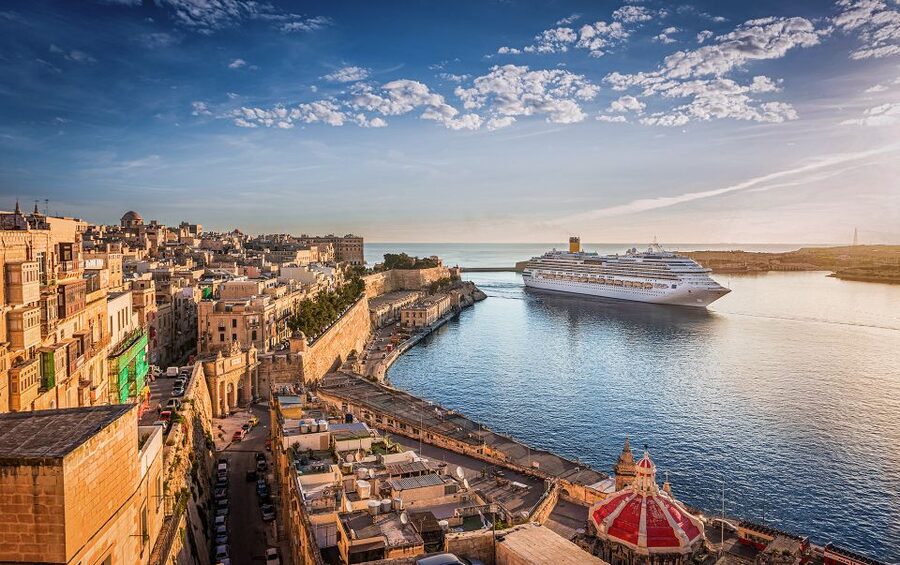
This tour is built for orientation. You’re not trying to “do everything” across Malta—you’re learning how Valletta is laid out, what stands where, and why the Knights of St John mattered so much. Valletta was fortified by the Knights in 1566, and the whole city is treated as an open-air museum, so walking works better than driving.
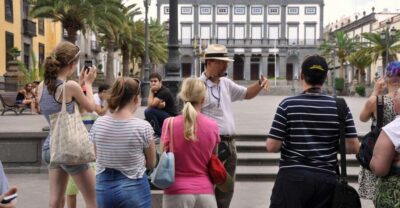
The rhythm is straightforward: you start with a hotel pickup, then you move through several key areas on foot with a licensed guide, finishing with a ticketed audio-visual history show. Along the way, you get short pockets of big-picture story: fortifications and bastions, baroque palaces, churches, and gardens. If you like your sightseeing tied to cause-and-effect—why a building exists, why a street bends, why a lookout was important—this format is a win.
One practical thing: you’re walking at city pace for most of the morning/early day. This tour is not set up for a slow wander. It’s also not suitable for wheelchair users or people with mobility impairments, and the dress code rules (no short skirts, no sleeveless shirts, no see-through clothing) are real, not suggestions.
You can also read our reviews of more walking tours in Malta
Pickup timing and meeting-point reality
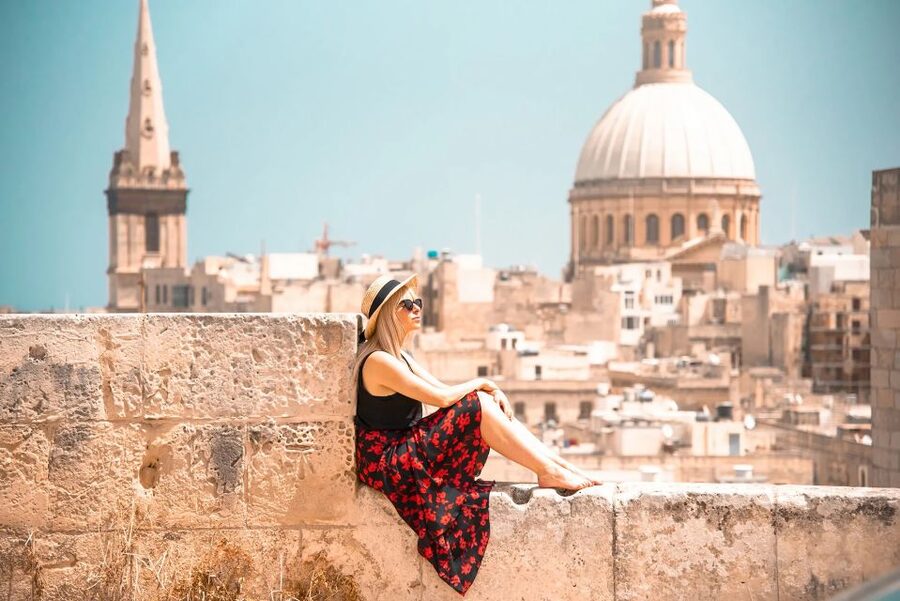
Hotel pickup and drop-off are included, but the tour start time you see on your voucher isn’t the same as pickup time. Pickup can be any time between 8:30 AM and 9:30 AM, depending on where you’re staying. The operator also asks you to confirm your pickup location and time a few days ahead, so don’t assume the generic listed time is exactly when you’ll be collected.
Also, transportation cannot wait for late arrivals. If you miss the morning pickup, you won’t be able to join later. In a city with lots of walking tours, the meeting point can feel like organized chaos at first. Some people note a near-40-minute wait after reaching the central start area, even when everything is ultimately sorted. So I’d treat this as a “get there early and breathe” moment.
Language coverage is another logistics detail you’ll feel in real life. The tour is offered in Italian, German, English, French, Spanish, and Polish. Depending on operating conditions, commentary may be delivered in up to two languages at once. In at least one case, people felt the translation made the cathedral portion feel rushed. If you’re sensitive to multitalk, choose your tour language carefully.
Upper Barrakka Gardens: your harbour-view payoff
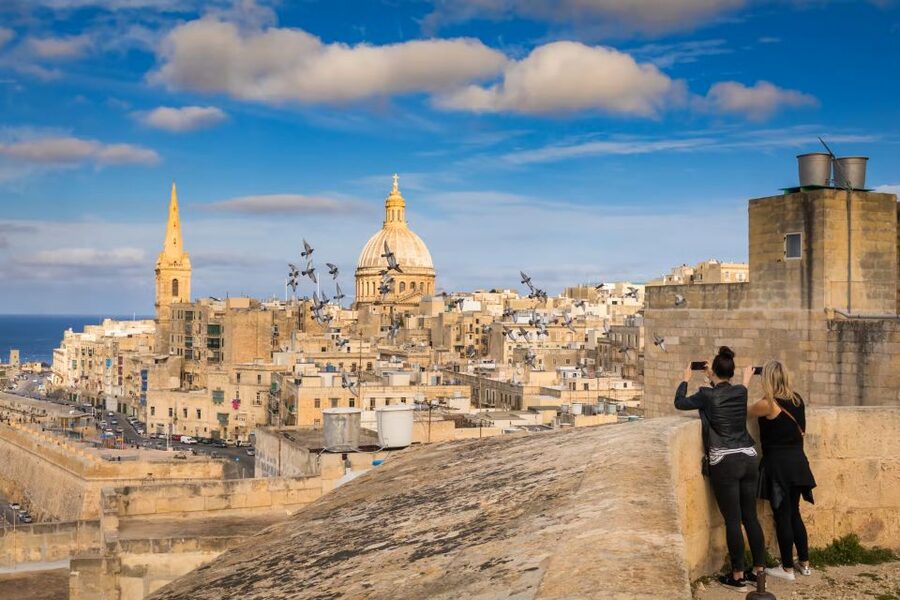
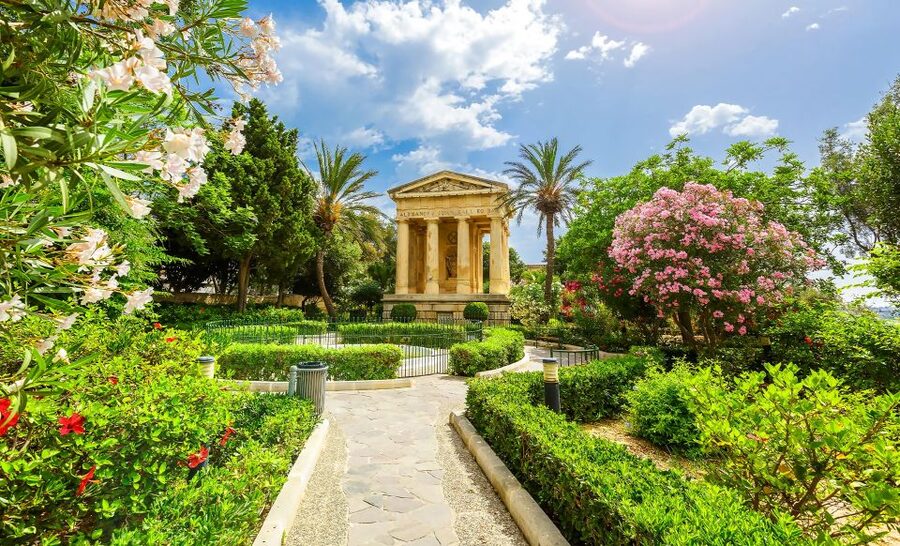
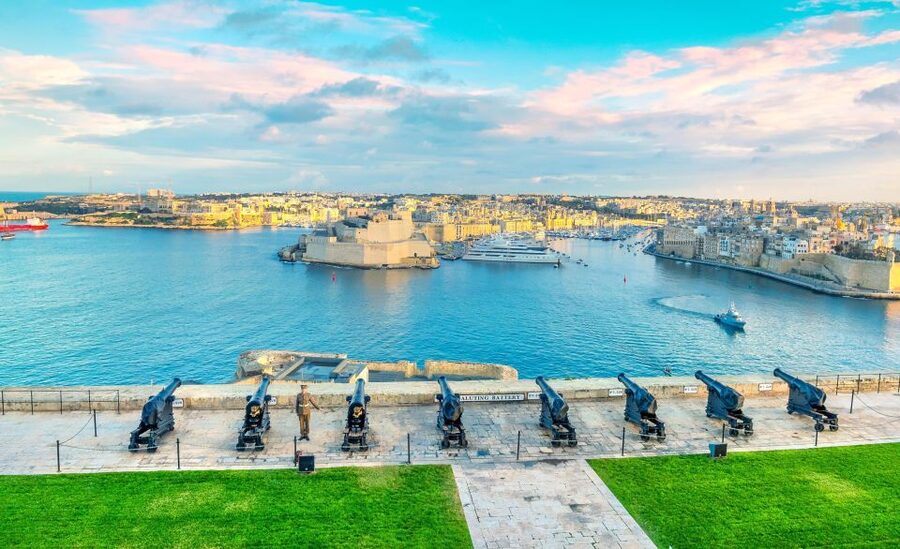
Upper Barrakka Gardens is the stop most people remember. You get the broad, panoramic view over the Grand Harbour—described as the world’s deepest harbour in the tour info—so it’s both pretty and meaningful. This lookout works because it shows the geography that made Valletta worth defending.
You’ll be standing where the story makes sense: where you can imagine ships approaching, where a defensive city needed eyes on the water, and where later visitors simply wanted the view. This is also one of the easiest moments to appreciate why Valletta’s layout is so tight and steep in places. Lookouts like this explain the rest of the city.
Time-wise, it also acts as a mental reset. You spend your morning learning and walking, and then you get a view moment—enough to catch your breath and re-focus before you move onward.
Knights of Malta streets: medieval buildings with a purpose
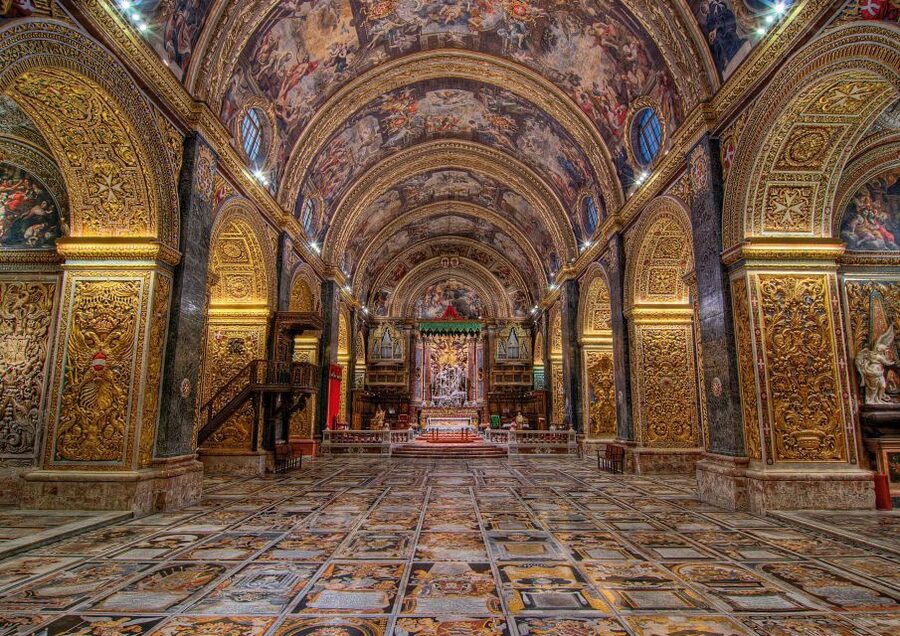
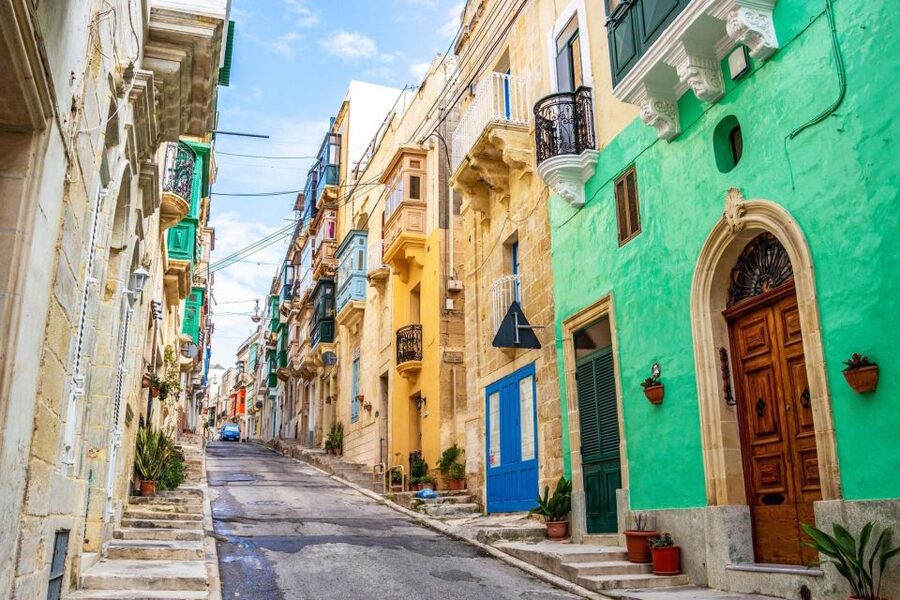
After the harbour outlook, the tour shifts into Valletta’s streetscapes. You’ll stroll among beautifully preserved, honey-coloured medieval buildings, but the guide’s job is to keep it from feeling like a list of pretty facades. This is where the “why” matters: Valletta is described as fortified by the Knights of St John in 1566, and the stories of the Order show up throughout the narration.
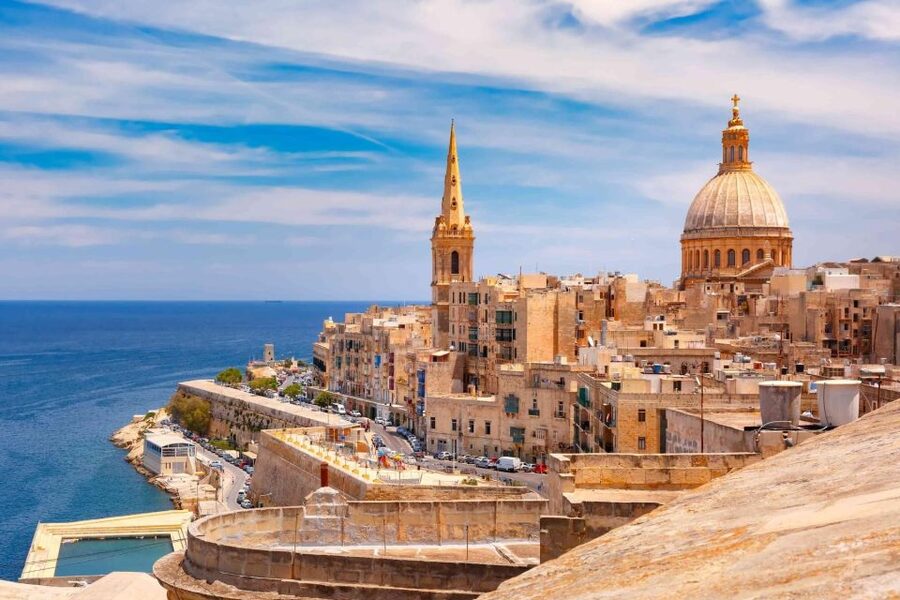
You’ll also pass major architectural styles—mid-16th-century to baroque and beyond. That matters because Valletta isn’t frozen in one era. It’s a layered city. You’ll see imposing fortifications and bastions, baroque palaces, and churches, plus gardens and modern touches. When you hear the tales alongside what you’re looking at, you get a clearer sense of how power, religion, and wealth shaped streets and squares.
One of the best things about this walking portion is that it gives you “orientation you can use.” Afterward, many people can navigate Valletta much more confidently on their own, because the guide’s route teaches you the logic of hills, steps, and where the bigger sites cluster.
St John’s Co-Cathedral: optional, but worth the decision
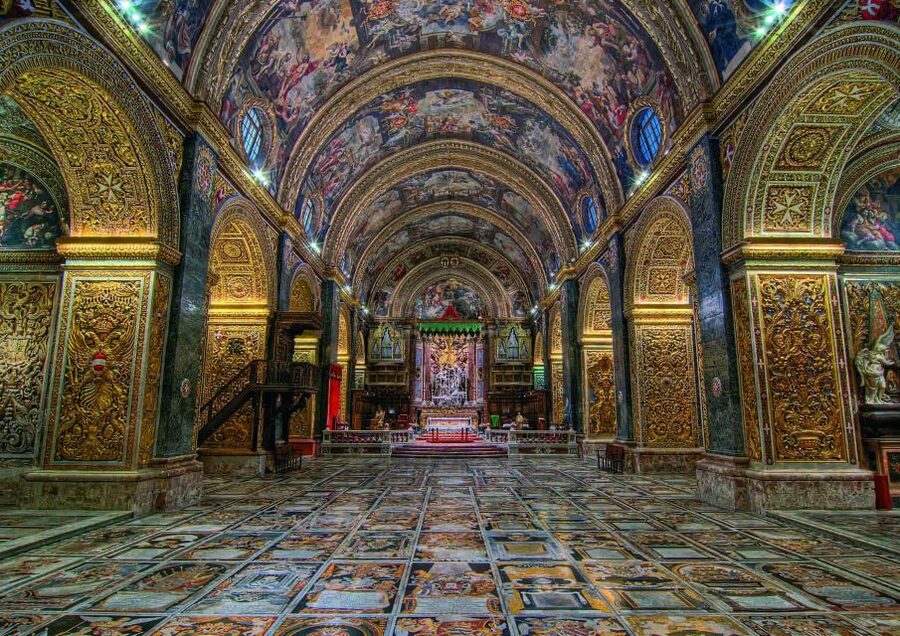
If you book the option with the cathedral, St John’s Co-Cathedral (dedicated to St John the Baptist) becomes a centerpiece rather than a quick stop. Your group gets a guided tour inside, with entry included. You’ll spend time appreciating the ornate interior details the cathedral is famous for: adorned interiors, carved stone walls, painted vaulted ceilings, paintings, precious relics, baroque art, and opulent altars.
This stop is valuable for two reasons.
First, it saves you from the hard part of cathedral visits: trying to figure out what you’re looking at while also dodging crowds and noise. A guided interpretation helps you notice details you would likely miss alone.
Second, it changes the feel of your day. Without the cathedral option, the tour gives you some free time to roam the streets for about 30–40 minutes. With the cathedral option, you trade that wandering time for a deeper, structured look at one of Valletta’s most dramatic interiors.
One balanced warning: the cathedral portion can feel rushed if the group dynamics get complicated (for example, when translation has to stretch across languages). In one note, someone said they walked around more independently to ensure they saw everything they wanted. If you’re the type who likes to linger, plan to add your own cathedral time later in the day if schedules allow.
Malta Experience audio-visual show: a useful history wrap-up
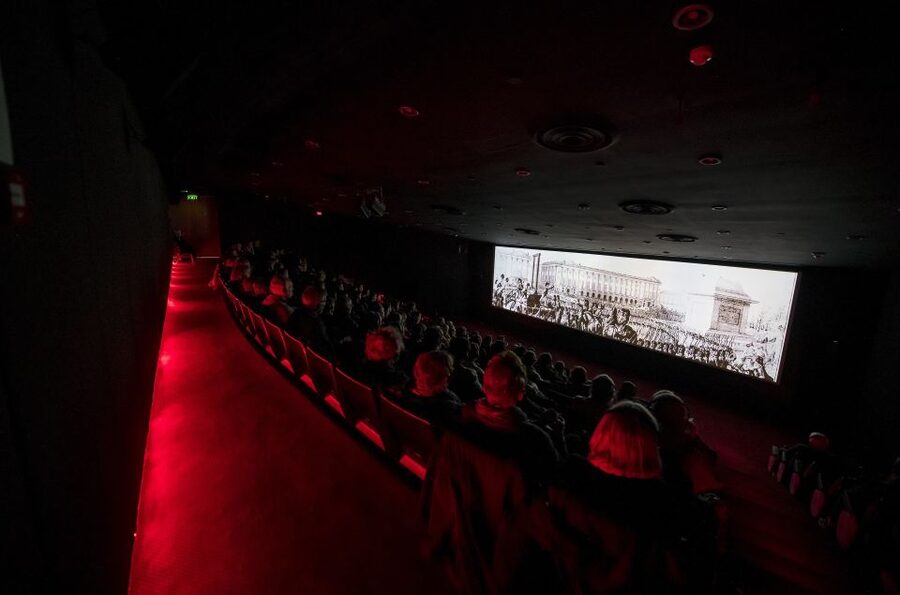
Before the tour ends, you’ll enter the Malta Experience audio-visual show. It’s included, and it’s designed to tie the sites together with a bigger timeline.
The show tells the islands’ 7,000-year history, using an audio-visual format that focuses on how a small island nation survived and prospered despite turbulent odds. Even if you’re not a museum person, this is a good use of time after lots of walking, because it stops the day from feeling like only architecture and no context.
One practical detail: the show is indoors, and in colder months some people find the air-conditioning can feel chilly. If you’re visiting in winter, bring a layer you’ll actually wear.
Pace, group flow, and comfort breaks
Most guides manage a pretty efficient route, and many people praise the pacing as “just right,” with time for comfort breaks. That matters because Valletta involves steps and uneven stone surfaces, and you don’t want to be forced into a power-walk.
Still, there are a few considerations:
- Some people describe the central meeting area as hectic, with delays before the group finally starts.
- The cathedral visit may feel crowded or time-pressed depending on group size and language needs.
- Your end-of-tour freedom can vary. One note says the group could break off at the conclusion and make a self-guided return, which is great if you want to continue your own exploration.
My advice: treat the tour as your spine. After it ends, use the orientation you gained to pick one extra site to spend real time on—something you’ll enjoy without feeling like you’re sprinting.
Price and value: is $46 a good deal?
At $46 per person for a 4-hour experience, this is one of those practical buys you’ll feel in your itinerary planning. You’re not just paying for a guide walking beside you. What’s included is the real value:
- hotel pickup and drop-off
- licensed guide
- audio-visual show entry ticket
- optional St John’s Co-Cathedral guided entry (if you choose that option)
Food and drinks are not included, so you’ll still want to budget for at least one meal or snack stop. But that’s also what makes it good value: the tour gives you structure and major admissions without forcing you into an overpriced meal package.
If you’re visiting Valletta for the first time, paying for guided entry and interpretation often saves time and lets you see the “big hitters” without losing half your afternoon. For that reason, I’d call this a strong starter tour—especially if you plan to explore more of Valletta afterward.
Who this tour suits (and who should rethink it)
This tour fits best if you:
- want a first-pass orientation through Valletta’s key sights
- like historical storytelling tied to what you’re seeing
- prefer guided entry at major landmarks rather than figuring it out alone
- can handle a lot of walking and uneven surfaces
It’s not suitable for wheelchair users or people with mobility impairments, and you should plan for dress-code compliance (no short skirts, sleeveless shirts, or see-through clothing).
One more fit question: if you know you struggle with translation formats, choose your language option carefully. A small number of notes mention translation affecting flow inside the cathedral.
Little on-the-ground tips that help
Here are a few practical ideas drawn from what people actually did and what worked for them:
- If you skip the cathedral option, use your 30–40 minutes to wander Republic Street area and nearby side streets. It’s the time to look at shops and just soak up the street feel.
- After the tour, plan a proper snack or meal. One person recommended grabbing pastizzi and espresso at Cafe Cordina, which is the kind of simple reward that makes the morning feel complete.
- If you’re visiting during the holiday season, Valletta’s evenings can be memorable. One guide’s restaurant suggestions helped someone extend the experience into nighttime.
Also, bring comfortable shoes. Valletta can feel charming right up until you realize you’ve been stepping up and down for hours.
Should you book this Valletta walking tour with optional cathedral?
Book it if you want a smart first afternoon in Valletta. The combination of Upper Barrakka Gardens, story-led walking through the Knights era, and the Malta Experience show gives you both visuals and context in one package. If you care about interiors and art details, choose the St John’s Co-Cathedral option. It turns a good walking tour into a full Valletta highlight day.
Skip or rethink it if you strongly dislike group pacing, or if you know translation logistics can frustrate you. Also, if you want hours of free-form wandering, this tour is efficient by design, not leisurely.
If you’re new to Valletta, this is one of the easiest ways to get your bearings fast and make the rest of your stay more enjoyable.