REVIEW · BERLIN
Berlin: walking tour about Charité
Book on GetYourGuide →Operated by Secret Tours Berlin · Bookable on GetYourGuide
Medicine has a long Berlin address. On this Charité walking tour, you follow the threads of 300 years of medicine while the guide connects the dots between Berlin’s biggest scientific names and the hospital that helped shape them, including Nobel Prize winners like Robert Koch. The pace works well if you like history that feels human: life, death, and the choices doctors made when the world changed fast.
I also like that the tour doesn’t stop at “famous doctor” trivia. You get stories that explain why certain ideas spread, how teaching medicine worked on the ground, and how Berlin’s medical world handled ugly chapters too. The main drawback to plan for: the Charité Bed House is outside-only, and parts of the hospital campus aren’t open for group visits.
Key highlights and why they matter
- Charité’s origin story goes back to the 18th century, starting with a plague house that later became a major university hospital
- You hear about heavyweight medical figures like Rudolf Virchow, Emil von Behring, Robert Koch, and Ferdinand Sauerbruch
- You’ll get a guided look at the Nobel-level science, not just dates and names
- The inside stop is the Animal Anatomical Theatre (TAT), described as Berlin’s oldest teaching building in a hidden courtyard/backyard
- Dark history is included, including doctors’ collaboration with the Nazi regime
- You view the Charité Tower area and hospital grounds externally, since group access inside the campus is limited
In This Review
- Charité in 2 Hours: What Makes This Tour Worth Your Time
- Meeting at Charité Tower: Getting Oriented Fast
- The Charité Bed House: Outside Views of a Major Medical Legacy
- Luisenstraße and the Campus Walk: Following the Medicine Braintrust
- Famous Doctors and Nobel Names: Why These Stories Stick
- The Dark Chapter: Medicine Under the Nazi Regime
- Hunting the Medicine Temple: Animal Anatomical Theatre (TAT)
- What You Actually See Inside vs Outside (So You Don’t Feel Shortchanged)
- Price and Value: How $27 Fits the Offer
- Practical Tips for Making the Most of It
- Who This Charité Walk Is Best For
- Should You Book the Charité Walking Tour?
- FAQ
- How long is the Berlin Charité walking tour?
- Where do I meet for the tour?
- Is the Charité Bed House included inside the tour?
- Can I access the hospital grounds during the tour?
- What will we see besides the main hospital area?
- What language is the live guide?
Charité in 2 Hours: What Makes This Tour Worth Your Time
Berlin has a lot of big-name history. This one is different because it’s history with a pulse. The Berlin Charité started as a medical facility shaped by epidemics and evolving teaching, and the tour traces how those pressures turned into lasting influence across Europe.
If you care about how science actually gets made, this works. You hear how doctors like Rudolf Virchow and Robert Koch became symbols of Berlin medicine, and you see why their names are still used as shorthand for major shifts in medical thinking. I like that the guide keeps the story practical: what the hospital did, how it taught, and how the institution gained power.
You’ll also get an even-handed look at the institution’s darker side. The tour specifically addresses the time when doctors collaborated with the Nazi regime. That’s not a comfortable add-on—it’s part of understanding how medicine and politics can tangle.
Meeting at Charité Tower: Getting Oriented Fast

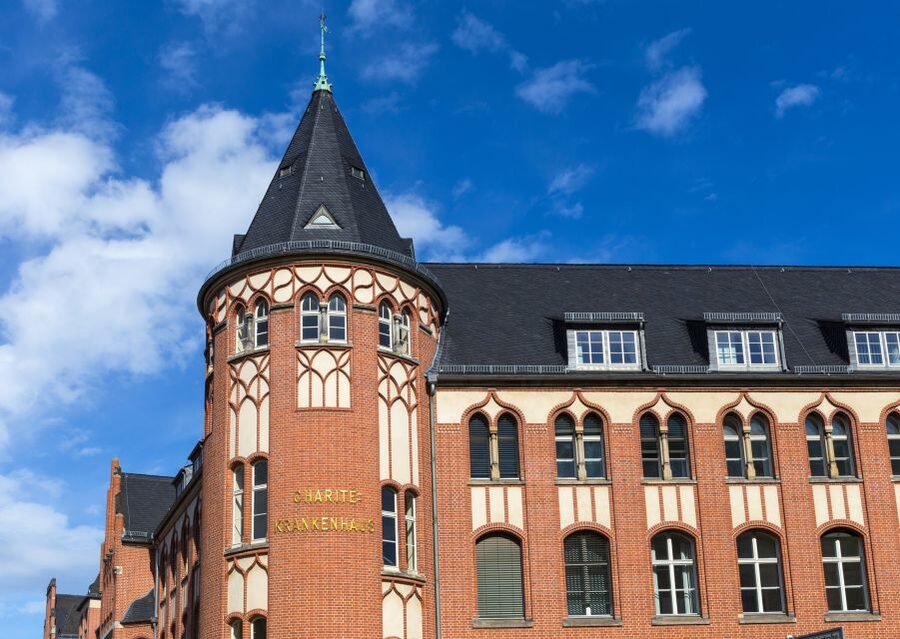
You start at the Charité Tower, at the crossroads of Schumannstraße / Charitéplatz / Charitéstraße. It’s a clear meeting point and you’ll begin on time, which matters on a walking tour with a tight schedule.
From the start, you’re placed at the right “visual anchor.” The Charité Tower area helps you orient to the larger hospital environment before you start walking along Luisenstraße and across the university campus. If you’re the kind of traveler who likes to know what you’re looking at, this setup makes the story easier to follow.
Also, the guide language is German. If you don’t read German and you’re not comfortable listening in German, you’ll want to think about how much you can follow. The tour is built for live guided listening, not for a self-guided museum walk.
You can also read our reviews of more walking tours in Berlin



The Charité Bed House: Outside Views of a Major Medical Legacy

One of the first things you’ll see is the Charité Bed House, viewed from outside. That’s an important expectation-setting detail: the tour does not go inside the Bed House, since it’s a hospital facility with the usual protection and hygiene rules.
Still, the outside look matters because it gives you the “institutional scale.” You’re not staring at one building like a postcard. You’re seeing the way the Charité fits into Berlin’s medical landscape—an environment that has operated for centuries and kept evolving.
The tour also frames the Bed House and the hospital’s development within a larger timeline. It starts in the 18th century, when Charité’s earlier form grew out of a plague-house situation. Then it becomes what you recognize today: a key university hospital in Europe.
Luisenstraße and the Campus Walk: Following the Medicine Braintrust

After the initial tower area, you walk along Luisenstraße and cross the university campus. This part of the tour is less about one landmark and more about how you move through space while the guide gives context.
I like this section because it turns the campus layout into a story map. When the guide connects names like Emil von Behring and Ferdinand Sauerbruch to the institution’s role in teaching and research, the campus walk helps it feel grounded rather than abstract.
You should also know the campus access reality up front: the hospital grounds (Charité Campus Mitte) aren’t accessible for group tours. So you won’t have that “step into the operating world” feeling. Instead, you get smart external viewing plus explanations—often the best option when a working hospital is involved.
Famous Doctors and Nobel Names: Why These Stories Stick
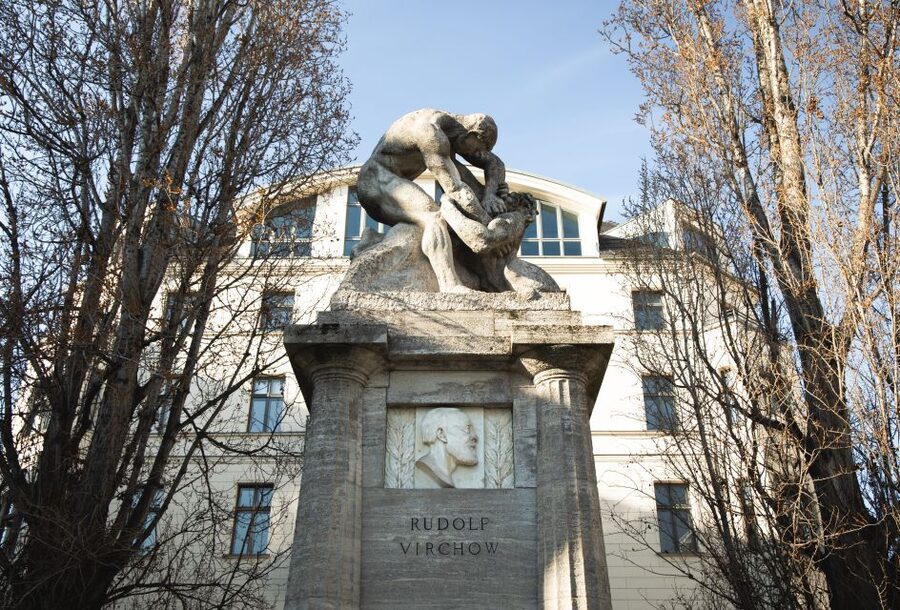
This tour’s biggest payoff is the way it links Berlin medicine to specific people. You’ll hear about Rudolf Virchow, Emil von Behring, Robert Koch, and Ferdinand Sauerbruch—names that show up in medical history for a reason.
What makes it valuable isn’t just recognition. It’s the narrative logic: how one era’s problems shaped what doctors studied, taught, and prioritized. When the tour talks about Nobel Prize winners, it’s not treating awards like trivia; it’s showing how institutional support and medical ambition can line up with world-changing discoveries.
And then there’s the human side. The tour is described as a moving journey through medical history, with stories that include life and death. If you’ve ever wondered how hospitals became more than treatment centers—how they became teaching engines—this is the section where it clicks.
The Dark Chapter: Medicine Under the Nazi Regime
This is the part of the tour that deserves your attention. The experience includes the fact that some doctors collaborated with the Nazi regime. That’s a heavy topic, and it’s handled as part of the institution’s history rather than as a side note.
You should go in ready to think, not just to learn facts. Medicine relies on trust, and history shows what happens when that trust gets twisted by ideology and power. Hearing this in context of an institution that also produced major scientific achievements forces you to see the contradiction instead of pretending it wasn’t there.
I think that’s one reason the tour resonates. It refuses to make Charité sound like a purely heroic story. It gives you the chance to understand how a world-class medical institution could still participate in morally disastrous systems.






Hunting the Medicine Temple: Animal Anatomical Theatre (TAT)
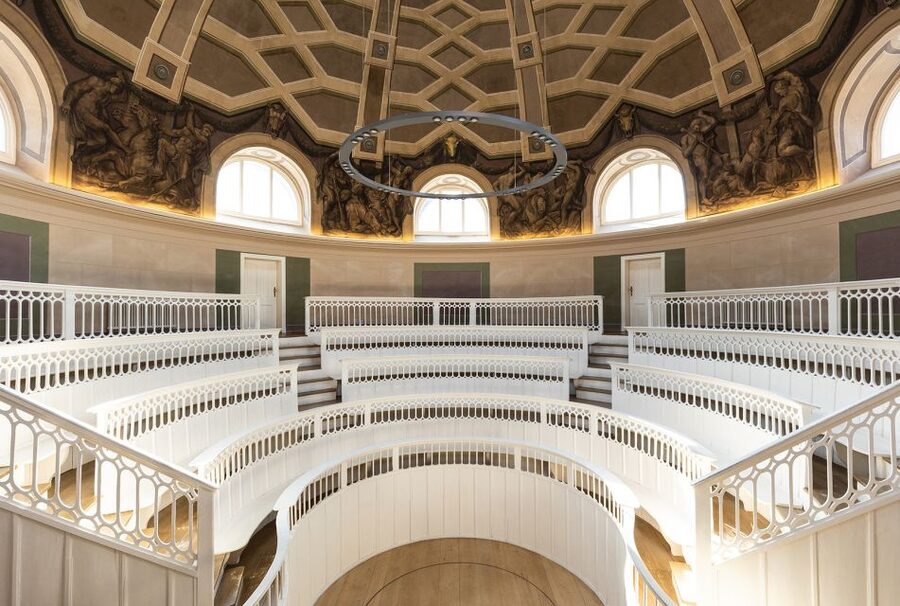
One of the most unique parts is the “medicine temple,” described as Berlin’s oldest surviving teaching building, hidden in a backyard. In practice, your inside visit here is the Animal Anatomical Theatre (TAT).
This stop is powerful for a simple reason: you get to see how teaching anatomy worked in earlier times, tied to real medical education rather than a generic lecture-room concept. An anatomical theatre isn’t just a building—it’s a teaching technology. It reflects how students learned, how knowledge was displayed, and how formal observation shaped medical careers.
Important practical note: the TAT reserves the right to adjust opening hours on short notice due to closed events. It’s also closed on public holidays. So if your visit lands on a holiday, you may have to accept that the inside timing could be affected.
What You Actually See Inside vs Outside (So You Don’t Feel Shortchanged)
Let’s be straight about the experience format. You’ll do a mix of external viewing and one key inside stop.
- You do not enter the Charité Bed House. It’s outside-only due to hospital protection and hygiene regulations.
- You cannot access the hospital grounds (Charité Campus Mitte) for group tours.
- You do visit an inside historic teaching site: the Animal Anatomical Theatre (TAT).
If you’re expecting a full hospital tour with wards and clinical rooms, you’ll be disappointed. But if you want the story behind the institution—plague origins, scientific giants, and teaching history—the structure makes sense. It also keeps the tour realistic and respectful of a working medical site.
Price and Value: How $27 Fits the Offer
The price is $27 per person for a 2-hour guided tour. That works out to a fairly focused, specialist time commitment, especially because you’re getting more than a “walk and point” experience.
Here’s what you’re paying for, in plain terms:
- a guide telling a 300-year story with named doctors and Nobel-level references
- a walk through the university area where the institution’s influence makes spatial sense
- an inside historic stop (the TAT), not just exterior sightseeing
You’re not paying for unlimited hospital access. And honestly, you probably wouldn’t want that—hospital spaces have their own rules. The best value here is the narrative and the one inside teaching-building visit.
Practical Tips for Making the Most of It
This is a walking tour, so plan accordingly. Wear shoes you don’t mind on city sidewalks and campus paths. The tour is two hours, and you’ll want to keep your energy for listening closely.
Because the tour is in German, you’ll get the most if you’re comfortable with spoken German at least at a basic level. If you’re not, consider reading up on the big names beforehand (Virchow, Koch, Behring, Sauerbruch). Even a quick primer can help the guide’s storytelling land.
Also, keep the “inside stop” timing in mind. The Animal Anatomical Theatre can adjust hours due to events and is closed on public holidays. If your schedule is flexible, choose a day and start time that gives you a bit of breathing room.
Who This Charité Walk Is Best For
This tour is a great fit if you like:
- medical history connected to real people, not only general timelines
- Berlin institutions with complicated stories (including the dark chapters)
- architecture and teaching history—especially when it’s tied to how students learned
It’s also a good match for first-time visitors who want a second layer beyond typical Berlin sights. Charité makes Berlin feel like a city that produced ideas, not just events.
If you want a light, casual “see a building, take photos, move on” tour, this might feel heavier than expected because of the Nazi-era discussion and the life-and-death framing.
Should You Book the Charité Walking Tour?
Book it if you want a guided, 2-hour window into how Berlin medicine evolved—from plague-era origins to a major university hospital, with the major doctor names woven into the story. The inside stop at the Animal Anatomical Theatre (TAT) is the kind of experience you don’t get from a simple exterior walk, and the tour structure keeps the focus on what matters: teaching, research, and consequences.
Skip or reconsider if you need access inside hospital facilities (the Bed House stays outside-only, and the hospital grounds aren’t available for group tours). Also, if German spoken narration is a challenge, you might struggle to fully enjoy the details—this one is built for live listening.
If you pick the right day and start time, this is a strong way to understand why Charité belongs on any serious Berlin itinerary.
FAQ
How long is the Berlin Charité walking tour?
The tour lasts about 2 hours.
Where do I meet for the tour?
Meet in front of the Charité Tower at the crossroads of Schumannstraße / Charitéplatz / Charitéstraße.
Is the Charité Bed House included inside the tour?
No. The tour does not go inside the Charité Bed House.
Can I access the hospital grounds during the tour?
No. The hospital grounds (Charité Campus Mitte) are not accessible for group tours.
What will we see besides the main hospital area?
You’ll visit the Animal Anatomical Theatre (TAT), which is Berlin’s oldest surviving teaching building.
What language is the live guide?
The tour is guided in German.