REVIEW · TOKYO
The Dark Side of Tokyo – Night Walking Tour Shinjuku Kabukicho
Book on Viator →Operated by Localized Walking & Food Tours · Bookable on Viator
Neon meets street stories in Shinjuku. I love the small-group pace that keeps you moving without losing the plot, and I love how the guide gives safe, street-level context for what you’re seeing after dark. One consideration: the tour finishes in the Shinjuku 3-chome area rather than looping back to the exact meeting point.
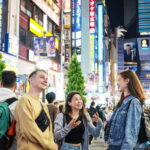
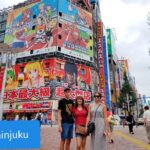
You’ll walk through the Kabukicho orbit with stops that mix classic Tokyo nightlife with cultural detours. Expect major sights like the Godzilla Head area, a Shinto shrine stop, and time spent in the LGBTQI+ district often called Gay Town, all tied together by your guide’s explanations.
It’s also not a tour that tries to sugarcoat the darker edge of nightlife. If that’s your vibe, great. If you prefer only polite, brightly lit tourist sights, you may find parts of Kabukicho a bit intense.
In This Review
- Key things you’ll notice on Shinjuku’s dark-side streets
- Shinjuku Kabukicho at night: why a guide changes everything
- Meeting at Shinjuku Station East Exit Police Box (and why the end point matters)
- Kabukicho: Tokyo’s biggest nightlife zone, explained street by street
- The famous drinking alley and Omoide Yokocho for first taste-of-night energy
- Godzilla Head: a pop-culture stop that breaks the tension
- Narrow bar districts: learning street sense instead of taking risks
- Shinto shrine in Shinjuku: a calm cultural reset
- Gay Town and the LGBTQI+ district: respect, context, and inclusion
- Price and value: $25 for a guided night read of Shinjuku
- Timing, weather, and what to pack for a comfortable two-hour walk
- Who this tour is best for (and who might skip it)
- Should you book The Dark Side of Tokyo night walking tour in Shinjuku?
- FAQ
- Is this tour a good choice for a first night in Tokyo?
- How long is The Dark Side of Tokyo – Night Walking Tour Shinjuku Kabukicho?
- What does the tour price include?
- Where do I meet the group?
- How big is the group?
- What happens if the weather is bad?
Key things you’ll notice on Shinjuku’s dark-side streets
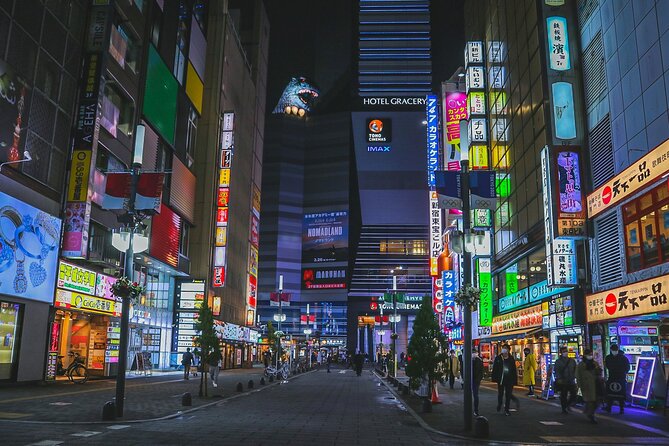
- Kabukicho + Omoide Yokocho: neon and a famous drinking alley, on foot and at night
- Godzilla Head stop: a pop-culture moment with a real crowd vibe
- Street rules explained: legal and practical context so you don’t feel totally out of place
- Shinto shrine pause: a quick cultural breather inside a loud neighborhood
- Gay Town (LGBTQI+ district): history and community context, not just sightseeing
- Small group (up to 12): more questions, less wandering, fewer wrong turns
Shinjuku Kabukicho at night: why a guide changes everything
Shinjuku after dark can feel like sensory overload. Big streets, dense signage, and a lot of people doing a lot of different things at once. That’s exactly why this type of walking tour works better than trying to wing it solo.
What I like most about this experience is that it focuses on understanding, not just spotting. Your guide explains the neighborhood’s culture and subculture, including the legalities and how nightlife scenes operate. That turns Kabukicho from a confusing maze into something you can actually read.
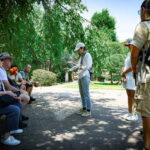
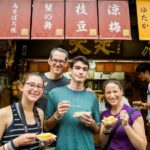
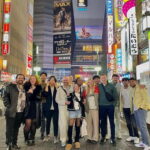
You’ll also benefit from the small-group format. With a maximum of 12 people, you’re not stuck floating behind a crowd. You can ask questions, get answers in English, and keep track of where you’re going. Guides such as Polina, Loc, Gray, Kumi, and Danny are repeatedly praised for being friendly, funny, and good at answering questions clearly.
The tour is also built around safety. Instead of drifting into the wrong corners, you get guided navigation of nightlife areas so you can enjoy the energy without feeling lost or unwelcome.
You can also read our reviews of more walking tours in Tokyo
Meeting at Shinjuku Station East Exit Police Box (and why the end point matters)
You start at Shinjuku Station East Exit Police Box. It’s a clear landmark, but in real life, it can still be tricky to spot if multiple structures look similar in the rain or the crowd.
The bigger practical point: the tour ends around the Shinjuku 3-chome area, not back at the starting police box. That’s normal for neighborhood walking, but it changes your plan for the rest of the night. If you’re trying to catch a specific train right after, give yourself a little buffer time. If you’re planning dinner elsewhere, decide where you want to end up before you start walking.
Because it’s a mobile-ticket tour, you won’t be digging through papers. Still, I recommend having your phone charged. Night walking + navigation usually equals a drained battery if you’re bouncing between maps and messages.
Kabukicho: Tokyo’s biggest nightlife zone, explained street by street
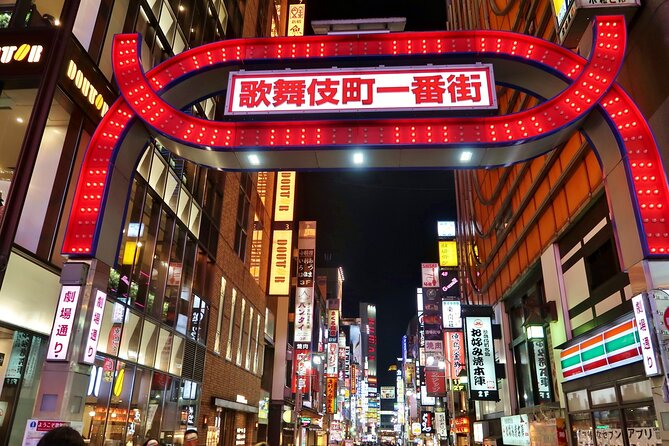
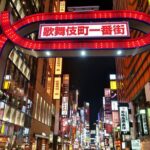
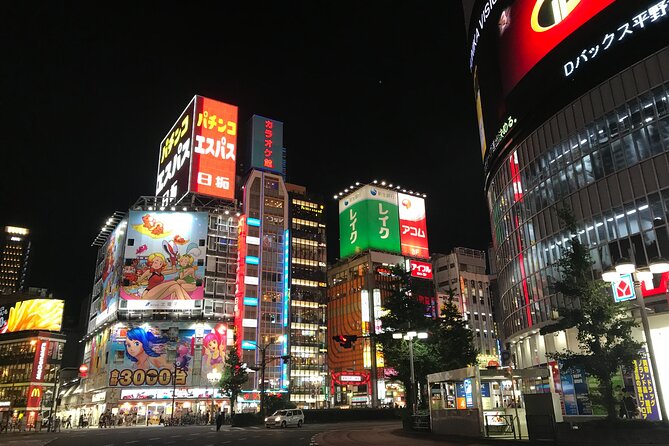
Kabukicho is the big headline. You’ll see why it’s often described as one of the largest nightlife areas in Tokyo, with hundreds of neon signs and a constant stream of people. Up close, it’s not just pretty lights. It’s a working entertainment district with its own rules.
A key value here is interpretation. Your guide helps connect what you’re seeing to how the area functions, including the history and the legal landscape that shapes the nightlife industry. That matters because Kabukicho can look like chaos if you don’t know what’s going on.
This is also where you’ll feel the tour’s tone most. The goal isn’t to make you feel scandalized. It’s to help you understand the social reality behind the flashing signs. One guide-led highlight is the way the tour addresses adult-industry topics with practical detail, including how workers navigate laws. That kind of context is hard to find on your own when most signage isn’t English.
If you’re nervous about walking in adult-oriented neighborhoods, this kind of guided route gives you a sense of control. You’re not just watching. You’re learning what you’re looking at.
The famous drinking alley and Omoide Yokocho for first taste-of-night energy
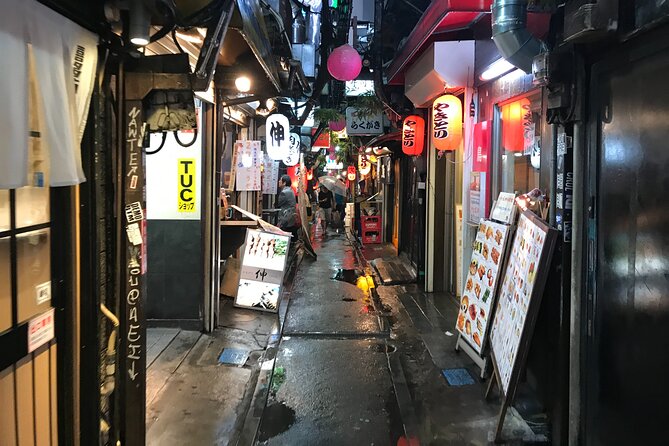
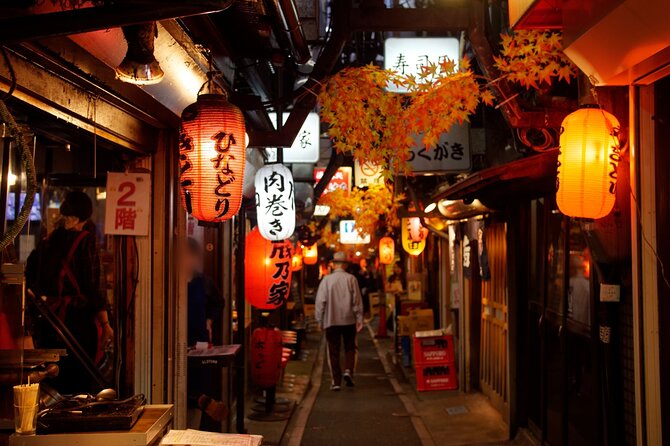
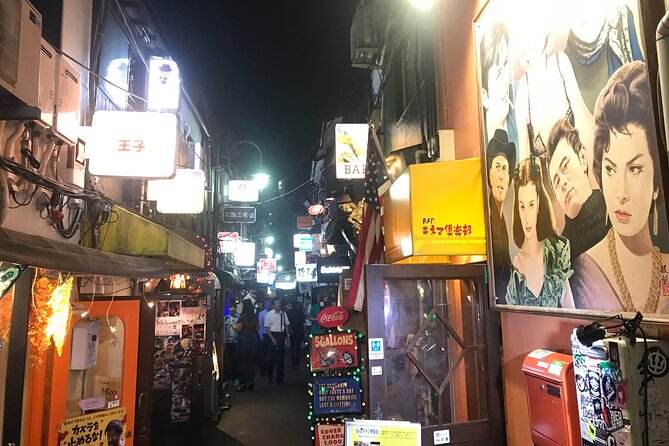
One of the most fun parts of Shinjuku night is the sudden shift from big streets to narrow alleys. The tour includes a stop at the famous drinking alley in Tokyo, and it’s a great match for Omoide Yokocho-style lanes.
This is where the atmosphere turns intimate. Instead of wide sidewalks and grand buildings, you get close walls, tight space, and the hum of people ordering, chatting, and moving between tiny storefronts. Even if you don’t stop for a full meal, it’s a real Tokyo experience.
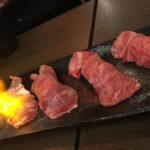
Here’s the practical part: food and drinks cost extra. The tour won’t include dinner, and it won’t hand you a set menu. But the guide can point you toward what’s worth trying, and that’s often more useful than blindly picking a random place.
If you’re hungry, budget for at least one paid stop after the tour or during a pause if there’s time. If you’re not, you can still enjoy the alley as a sensory snapshot of Tokyo nightlife culture.
Godzilla Head: a pop-culture stop that breaks the tension
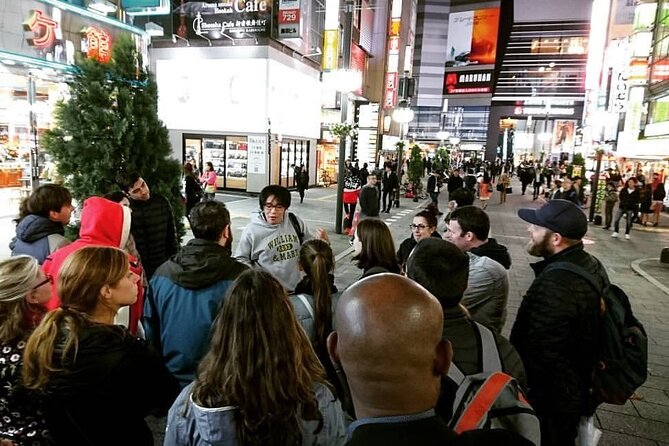
At some point you’ll reach the Godzilla Head area, famous enough that it draws attention even in a neighborhood already full of spectacle. It’s a welcome contrast: part tourism, part local energy, and part pure Tokyo-style theatrical chaos.
The value of this stop isn’t just the sight. It’s the rhythm of the tour. After heavier nightlife explanations and more adult-adjacent topics, you get a pop-culture moment that’s easier to absorb. The crowd vibe also helps you calibrate. You see how casual nightlife can be in Japan—people are out to enjoy themselves, not just to stare at neon.
If you like Tokyo’s character-driven identity—places where a franchise mascot can sit in the middle of a real street—this stop is a memorable one.


Narrow bar districts: learning street sense instead of taking risks
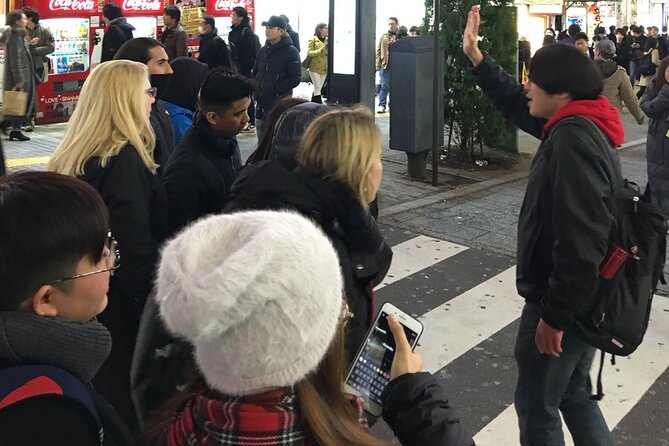
Night walking in Kabukicho isn’t only about landmarks. It’s about understanding how people behave in tight spaces. The tour includes time in the narrow bar district, where everything feels more compressed: sidewalks, storefronts, and the path you take from one entrance to the next.
This is a good moment to lean on your guide. The tour’s whole point is to help you avoid wrong turns and unpleasant corners. That’s especially helpful for first-timers who don’t read the street vibe instantly, especially after dark.
Guides often use humor and story to make sense of what you’re seeing, and that’s practical. You remember the explanations because they’re tied to what’s around you right then—signs, doorway crowds, and the flow of foot traffic.
Also, keep in mind that this part of the night can be visually intense. Neon, crowded lanes, and constant motion can tire you out faster than a daytime walk. Good shoes matter more than you’d think.
Shinto shrine in Shinjuku: a calm cultural reset
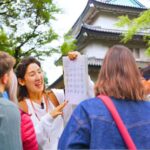
One stop that surprised people in a good way is the Shinto shrine in Shinjuku. Dropping into a shrine space amid one of Tokyo’s loudest districts creates a real contrast.
Even if you don’t know shrine rituals, it’s a meaningful pause. It gives your brain a second to settle after neon glare and nightlife talk. It also reminds you that Tokyo isn’t one mood. It’s layered—religion, tradition, and nighttime entertainment sharing the same city blocks.
This kind of stop is why I think this tour works as a standalone night activity. You’re not trapped in one theme. You get a bit of Japan’s cultural spine inside a nightlife setting.
Gay Town and the LGBTQI+ district: respect, context, and inclusion
The tour includes the biggest LGBTQ town in Japan, often referred to as Gay Town. This is one of the most important parts of the experience because the guide frames what you’re seeing with culture and community context.
What you’re looking for here is not just nightlife entertainment. It’s social history and the way identity shapes spaces. Some guides bring an explicitly inclusive tone, and that matters. It makes the explanation feel less like a cultural lecture and more like a careful guided walk through a real part of Tokyo life.
Practically, it also helps you move through the area with awareness. Your guide can steer the group and explain what’s going on, so you’re not left trying to interpret body language and signage on your own.
If you want a Tokyo night that includes more than standard sightseeing, this stop is a major reason to choose the tour.
Price and value: $25 for a guided night read of Shinjuku
At $25 per person, this tour is priced like a budget-friendly nightlife intro. What you’re really paying for is the guide fee: the street-level explanations, the safe route design, and the small-group format.
Food and drinks aren’t included, and dinner isn’t part of the package. That could be seen as a drawback if you want a one-price dinner solution. But it’s also a smart way to keep the tour flexible. You can spend on what you actually want—something quick in an alley, a drink where you feel comfortable, or save bigger spending for after the walk.
In value terms, the two hours feel like a solid “get your bearings fast” experience. Instead of spending your first night wandering and guessing, you leave with a mental map of where the major nightlife zones are and what kind of atmosphere each area has.
Add in the strong overall rating (4.7) and the high recommendation rate (95%), and you get a clear signal: people mostly come for the guidance and context, and they’re happy with what they get for the money.
Timing, weather, and what to pack for a comfortable two-hour walk
This is an approximately two-hour walking tour. Two hours sounds short until you’re navigating crowded streets, standing for short stops, and moving at night in neon glare. Comfortable shoes are non-negotiable.
Weather matters too. The experience requires good weather, and if it’s canceled due to poor conditions, you’ll be offered another date or a full refund. That means it’s worth checking forecasts and bringing a light layer just in case.
If you’re going on a rainy night, be prepared for the reality of crowd movement. Some people struggled to find the group at first when visibility was low. My practical advice: arrive a little early, stand near the police box landmark, and be ready to ask someone for clarification rather than guessing.
Who this tour is best for (and who might skip it)
This is a great fit if you’re:
- A first-timer in Tokyo who wants the lay of the land before wandering
- Curious about how nightlife districts work culturally and legally
- Looking for a safe way to see Kabukicho without turning it into a risky solo mission
- Interested in LGBTQI+ nightlife in Gay Town with context and respect
It may be less ideal if you:
- Want only daytime sights or quiet neighborhoods
- Prefer a tour that includes meals or a set nightlife plan
- Don’t want adult-industry topics discussed, even in an educational, street-context way
Should you book The Dark Side of Tokyo night walking tour in Shinjuku?
I’d book it if you want a Tokyo night that teaches you while you see. The mix of Kabukicho neon, Omoide Yokocho-style alley energy, Godzilla pop culture, a Shinto shrine reset, and a Gay Town stop makes this more than a simple photo walk.
The strongest reason to go is the combination of small-group guidance and the explanations that help you interpret the neighborhood. It’s one of the better ways to experience Shinjuku at night while staying oriented and safe.
If your goal is a safe, informative start to your Tokyo nightlife, this tour hits the mark. Just remember the end point is different from the start, and plan your next move before you step into the neon.
FAQ
Is this tour a good choice for a first night in Tokyo?
Yes. It’s designed to help you get oriented in Shinjuku’s nightlife areas and understand what you’re seeing so you don’t feel lost when you explore on your own later.
How long is The Dark Side of Tokyo – Night Walking Tour Shinjuku Kabukicho?
It runs about 2 hours.
What does the tour price include?
The tour includes the tour guide fee. Dinner and meals are not included, and food and drinks cost extra.
Where do I meet the group?
The start is at Shinjuku Station East Exit Police Box, and the tour finishes around the Shinjuku 3-chome area.
How big is the group?
The tour has a maximum of 12 travelers.
What happens if the weather is bad?
This experience requires good weather. If it’s canceled due to poor weather, you’ll be offered a different date or a full refund.