REVIEW · LEIPZIG
Leipzig: 1.5-Hour Historical Walking Tour in German
Book on GetYourGuide →Operated by Leipzig Erleben GmbH · Bookable on GetYourGuide
Leipzig starts making sense fast when you walk it. This 1.5-hour historical walking tour in German turns a cluster of famous sights into a linked story, with anecdotes that connect street corners to big moments in the city’s past. You pass key landmarks like the Opera House, Gewandhaus, and university grounds, then slow down around older places such as the Mädler Passage, the Old Town Hall, and St. Thomas Church.
I especially like two things. First, the guide keeps the pace easy and the talk lively, with certified professionals who explain what you’re looking at without turning it into a lecture. Second, you get the kind of Leipzig details you don’t find on a postcard, including odd legends and curiosities like why the Central Station is made up of two halves and stories that range from Greenlanders ending up in Leipzig to Shakespeare’s stockings.
One consideration: this tour is German only. If your German is basic, you may still enjoy the landmarks and the general flow, but the funniest and most meaningful bits depend on following the live commentary.
In This Review
- Key highlights you’ll care about
- Why 1.5 hours works so well in Leipzig
- Starting at Katharinenstraße 8: the simplest way to begin
- Opera House, Gewandhaus, and the university zone
- Mädler Passage: where Leipzig’s character feels close-up
- Old Town Hall: civic power explained in street-level terms
- St. Thomas Church: the tour’s emotional anchor
- Central Station’s two halves, fountains, and odd legends
- What the guides do (and why it matters)
- German-only narration: how to make it work
- Price and value: is $17 fair for Leipzig?
- Who this tour suits best
- Should you book this Leipzig historical walking tour?
- FAQ
- Where does the tour start?
- What time should I arrive?
- How long is the walking tour?
- Is the tour in German or English?
- What sights will I see?
- What is included in the price?
- What is not included?
- How much does it cost?
- Can I cancel and get a refund?
- Can I reserve now and pay later?
Key highlights you’ll care about
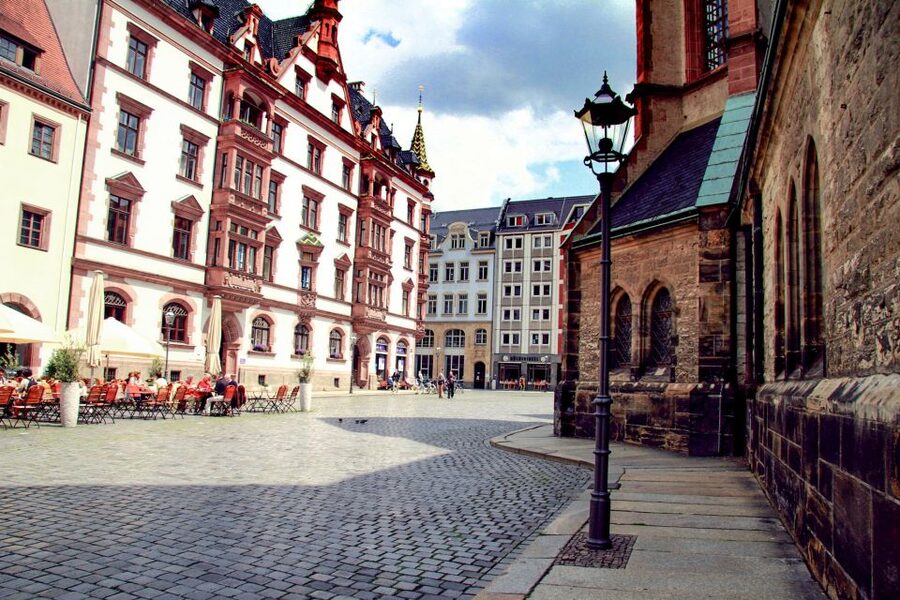
- Old Town landmarks on foot: Mädler Passage, Old Town Hall, St. Thomas Church, plus major cultural stops along the route
- Certified guide with live German narration: clear storytelling geared to people walking with you
- Legend-style city facts: Central Station’s two halves, fountain stories, Greenlanders, and Shakespeare’s stockings
- Easy time commitment: 1.5 hours is long enough to connect dots, short enough to keep your day flexible
- Comfortable group experience: the tour can feel small and conversational, which helps with questions
Why 1.5 hours works so well in Leipzig
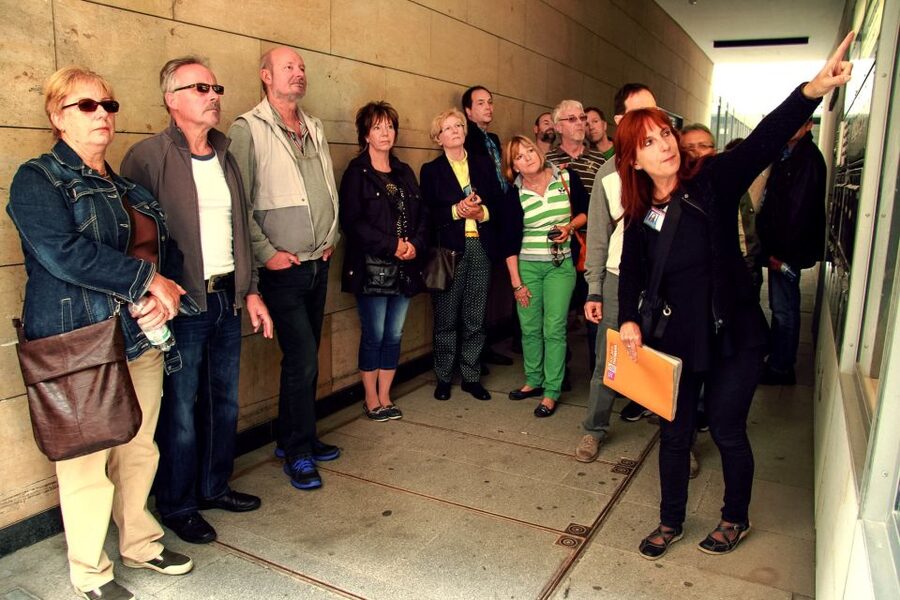
A walking tour that lasts just one and a half hours can be smarter than a longer, heavier one. You’re not trying to cover every street in Leipzig. You’re getting a guided thread that helps you read the city as you keep exploring after the tour.
This one is timed for first-time orientation. In that span, you’ll see a mix of major cultural buildings and older civic landmarks. That blend matters because Leipzig’s identity isn’t just one era. It’s the way the city carries older street-level stories while still showing serious music-and-university life.
You can also read our reviews of more walking tours in Leipzig



Starting at Katharinenstraße 8: the simplest way to begin
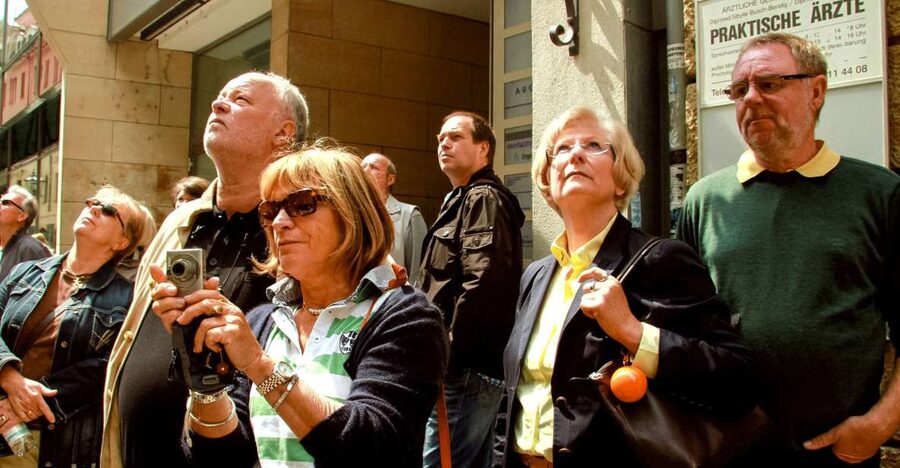
The tour meets at the Tourist Information Center at Katharinenstraße 8. The practical tip here is to arrive 15 minutes early, not right on time. Leipzig is a walking city, and being early gives you an easy buffer to find the group and get settled before the guide starts.
If you’re planning your day tightly, this start point is handy because it’s in the central area where you can continue on foot afterward. No transfers are included, so keep that in mind if you’re coming in from farther out.
Opera House, Gewandhaus, and the university zone
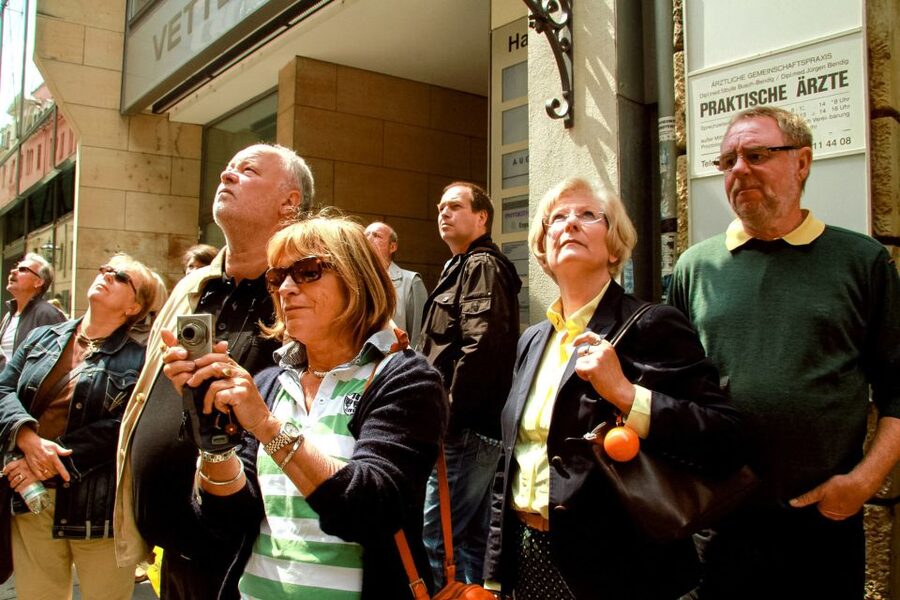
One of my favorite parts of this kind of tour is the way it builds context before you reach the older sites. You’ll see big cultural landmarks along the way, including the Opera House, the Gewandhaus concert hall, and the university area.
Even without going inside, those stops are useful. They help you understand that Leipzig is not only about medieval streets and church towers. It’s also a city where classical music, public life, and education are part of everyday identity. When your guide ties these places to stories, the buildings stop being background scenery and start acting like signposts.
What you’ll likely notice as you walk: your guide is pointing out things you’d normally skip. That’s the whole value of a guided walk—turning attention into understanding.
Mädler Passage: where Leipzig’s character feels close-up
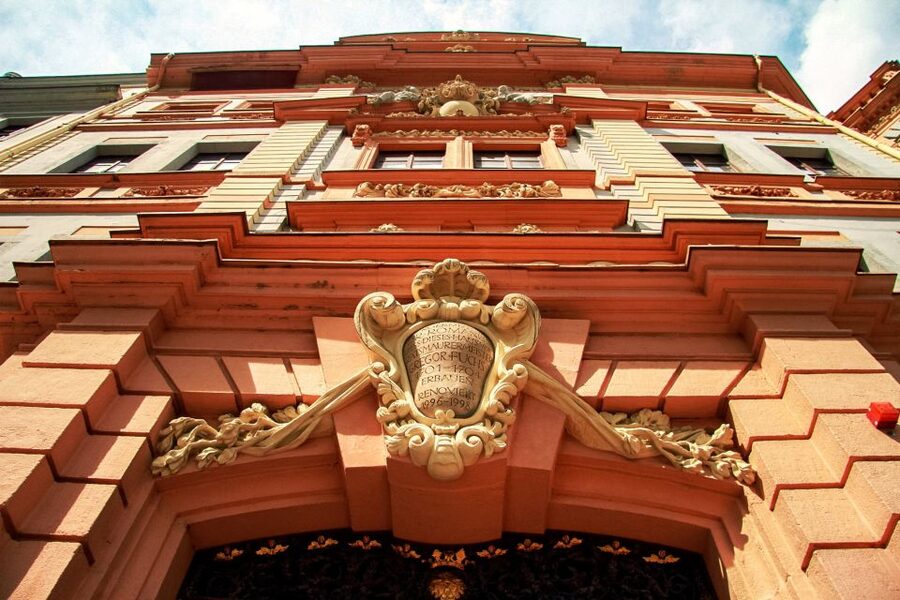
Then you hit one of the most memorable older stops on the route: Mädler Passage. Passageways like this matter because they’re Leipzig’s “in-between spaces.” You get a sense of how people moved, traded, gathered, and talked—without needing a museum ticket.
This is also where the tour’s storytelling style really comes alive. The commentary isn’t only about dates and names. It’s about how Leipzig got its habits and legends. You’re meant to walk through the space with the narrative layered on top.
If you like architecture that tells a story through its layout—corridors, entrances, and that slightly theatrical feel of passages—this is a great moment. And if you don’t know much yet about Leipzig, you’ll still be able to connect the guide’s remarks to what you see in front of you.
Old Town Hall: civic power explained in street-level terms
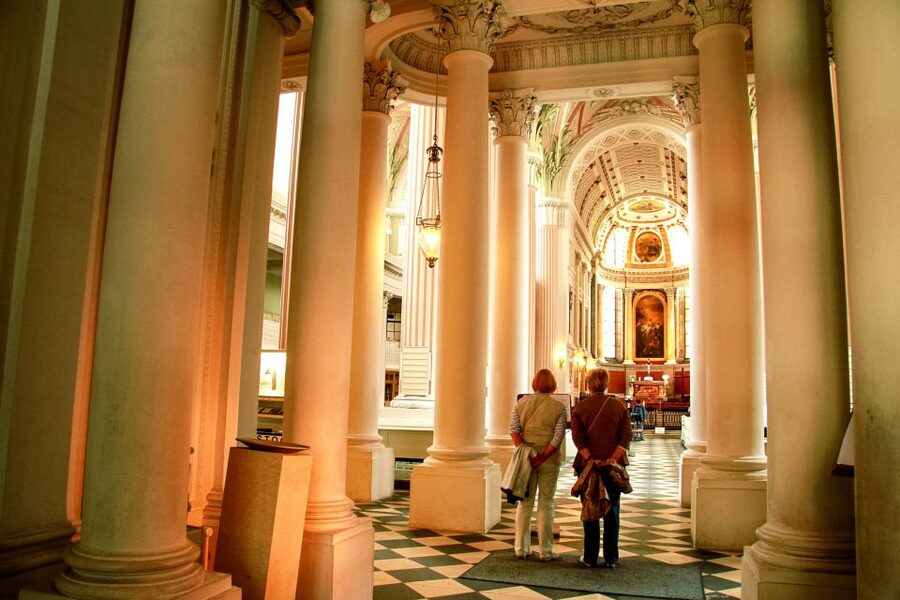
Next comes the Old Town Hall, and this stop shifts the tone. Town halls are about more than impressive facades. They represent how a city organized itself, handled arguments, and made decisions that affected real lives.
On this walk, the guide uses that location to bring in history as explanation, not just trivia. If you’ve ever wondered why a city’s layout feels logical once you understand the institutions behind it, this is where it starts to click.
One practical benefit: you don’t need to read a guidebook to appreciate this. Your guide’s job is to point out why this building and its surroundings matter. In a short tour, that kind of guided interpretation is worth its weight.

St. Thomas Church: the tour’s emotional anchor
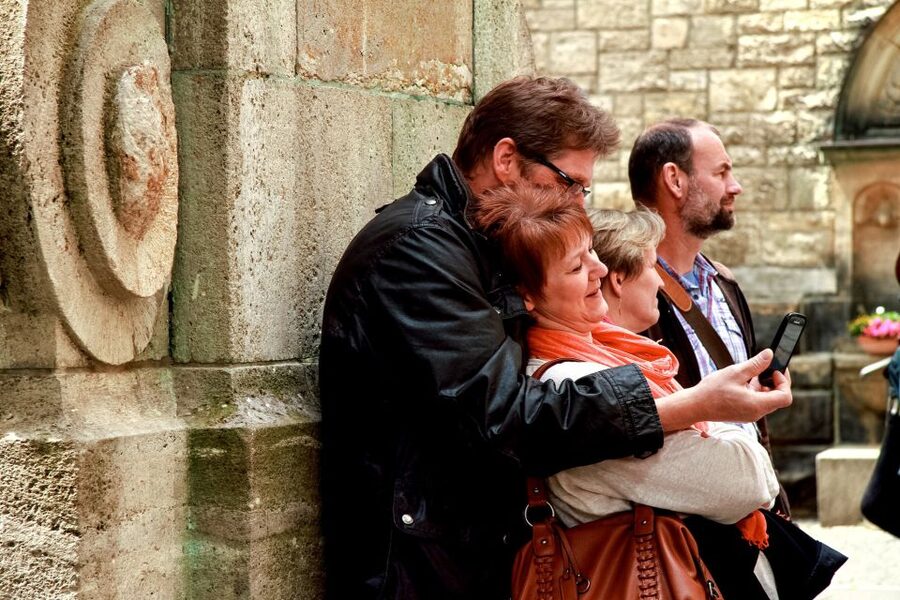
You’ll also visit St. Thomas Church. Church stops can go two ways on tours: either they’re dry facts, or they’re a lively sense of place. Here, the focus is on Leipzig’s stories, legends, and the human moments behind them.
This is the kind of stop where your guide’s delivery makes a difference. Some guides on this route are known for strong storytelling energy and humor. In the feedback you’ll see names like Uwe Lange and Thorsten credited for making the time fly with clear, entertaining narration.
Even if you’re not religious, a place like St. Thomas Church still gives you something concrete: a landmark that helps you understand why Leipzig is Leipzig. It’s a fixed point in the city’s narrative, so the other sites you pass along the way feel like they connect back to it.
Central Station’s two halves, fountains, and odd legends
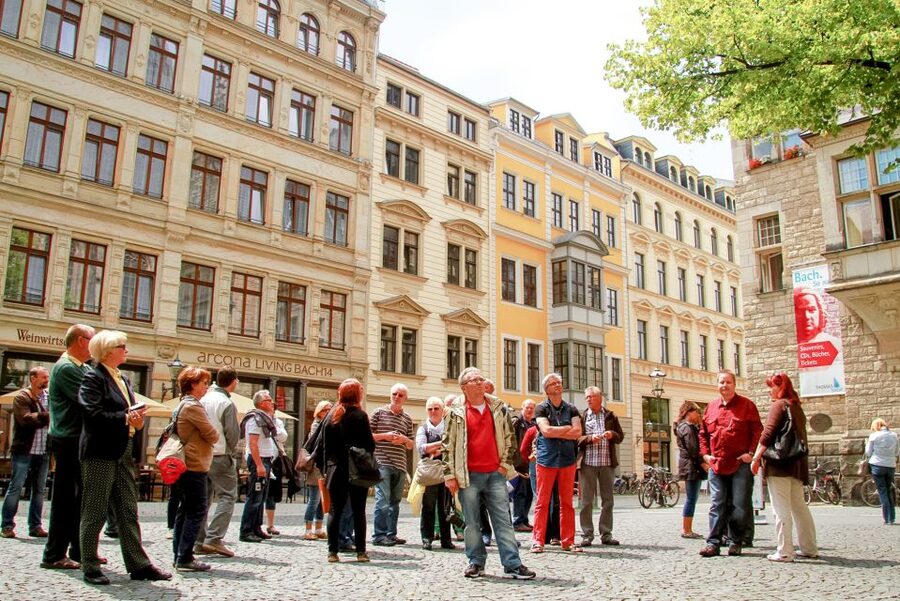
Not all the best parts of a Leipzig history tour are tied to the biggest buildings. Some of the most fun material is the unexpected stuff your guide brings up as you walk.
You should expect stories like:
- Why the Central Train Station was made up of two halves
- An interesting account about the fountains
- The claim that Greenlanders end up in Leipzig (yes, really, and the guide explains the connection)
- A quirky narrative about Shakespeare’s stockings
These sound like jokes, but that’s the point: they make the city memorable. Facts stick when they’re paired with a story you can picture. If you’re the kind of traveler who likes to leave with a handful of details you can tell later, this portion is made for you.
And it has real value for independent exploring. Once you’ve heard these explanations, you’ll start noticing how Leipzig’s public space and landmark design reflect history and culture.
What the guides do (and why it matters)
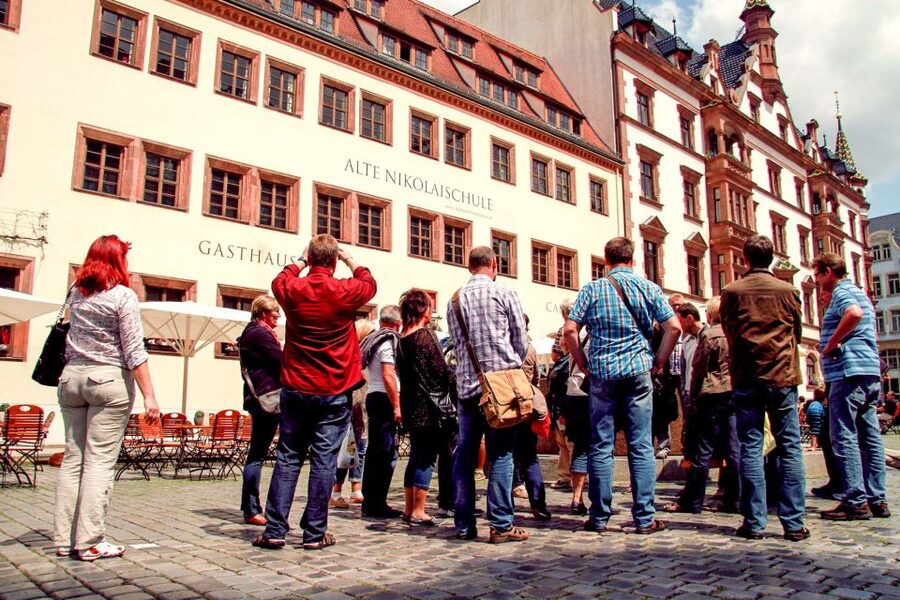
The tour is led by certified tour guides, and the quality shows in two areas: clarity and pacing. Several guide examples show up in the feedback, including Uwe Lange, Thorsten, and others, with praise focused on humor, storytelling, and the ability to explain clearly so you can follow even if you’re not standing in the front.
That matters because your enjoyment of a walking tour depends on more than content. You need someone who can keep the information moving while you’re also trying to look around and walk. A good guide also makes the route feel intentional—like each stop prepares you for the next one.
For your comfort, this is also a walking experience, so it helps that the duration is short. You’re not stuck for hours if you find you’re tired. It’s enough time to learn, not enough time to drag.
German-only narration: how to make it work
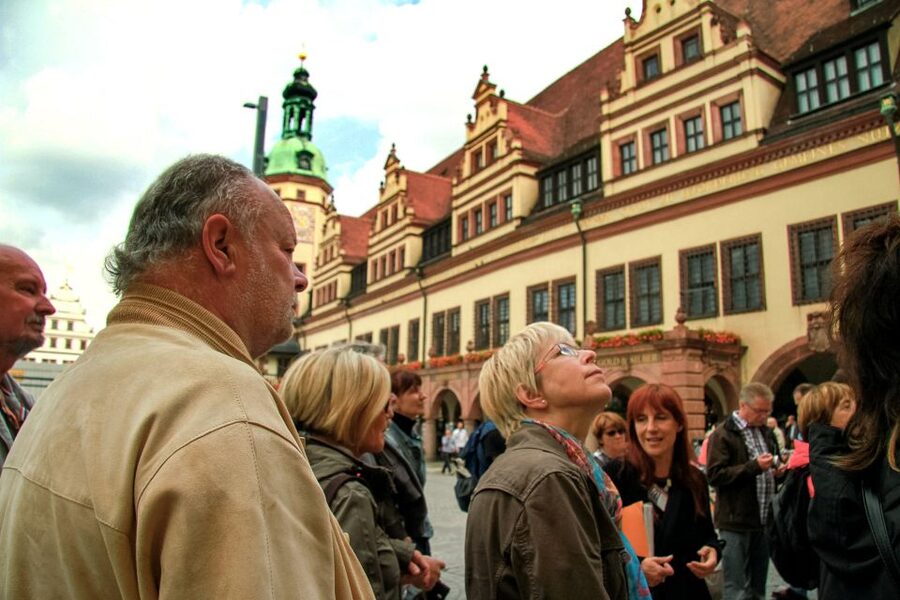
Since this tour runs in German, you’re choosing between two styles of travel:
- If you speak German (even moderately), you’ll get the full benefit: the anecdotes, the legends, and the humor land the way they were meant to.
- If your German is limited, you can still enjoy the route and learn from the visuals. But you’ll want to accept that the best parts—the punchlines and details—might pass quickly.
My practical suggestion: treat the tour as both a history lesson and a listening workout. Even if you only catch key words, you’ll still learn names of landmarks and themes. That alone helps you orient yourself when you return to read a sign, browse a plaque, or ask a question at a café.
Price and value: is $17 fair for Leipzig?
At $17 per person for 1.5 hours, the biggest value driver isn’t just the time. It’s the fact that you’re paying for a guided way to understand what you’d otherwise see as a list of buildings.
You get:
- A walking tour
- Live narration in German
- A certified guide
No transfers are included, which is normal for a city-walk, but it means you’re responsible for getting yourself to the meeting point. Still, compared with many city tours that cost far more and only scratch the surface, $17 is a strong deal for a route that covers multiple major landmarks and older sites in a single afternoon block.
The return is also psychological. When you finish, you’ll feel like you can name places and explain why they matter. That makes the rest of your Leipzig day more enjoyable, because you’re not wandering with blinders on.
Who this tour suits best
This is a great match if you:
- Want a first-pass orientation to Leipzig without committing to a full day
- Like walking tours that use stories and legends, not just dates
- Enjoy music-and-history landmarks on the same route
- Can handle German commentary, or at least want to practice listening
It’s also a good choice if you’re traveling with someone who likes humor and lively storytelling. The feedback repeatedly points to guides using humor and clear explanation, which tends to keep people engaged.
If you’re only interested in one neighborhood or you want a museum-style deep dive, this probably won’t replace that. But as a “get oriented and get the good stories” outing, it fits well.
Should you book this Leipzig historical walking tour?
Yes—if you’re open to German narration and you want a compact, story-driven way to learn Leipzig. The combination of well-known landmarks (Opera House, Gewandhaus, St. Thomas Church) and memorable odd details (Greenlanders in Leipzig, Shakespeare’s stockings, the Central Station’s two halves) makes the tour stick in your memory.
I’d skip it only if you need an English-language guide for most of the meaning. In that case, you may still enjoy the buildings, but you’ll miss the heart of the experience: the live anecdotes and legends.
If you want a practical plan for your Leipzig day, book this tour early enough that it can guide the rest of your walking. Then take those stories and use them as your personal map. You’ll feel like you’re seeing Leipzig twice: first with the guide, then on your own.
FAQ
Where does the tour start?
The tour starts at the Tourist Information Center, Katharinenstraße 8, Leipzig.
What time should I arrive?
Arrive 15 minutes before the tour begins so you have time to find the group.
How long is the walking tour?
The duration is 1.5 hours.
Is the tour in German or English?
The tour includes live commentary in German. Languages listed: German.
What sights will I see?
You’ll see the Opera House, Gewandhaus concert hall, the university, the Mädler Passage, the Old Town Hall, and St. Thomas Church.
What is included in the price?
The tour includes the walking tour and a guide.
What is not included?
Transfers are not included.
How much does it cost?
The price is $17 per person.
Can I cancel and get a refund?
Yes. The tour offers free cancellation with a full refund if you cancel up to 24 hours in advance.
Can I reserve now and pay later?
Yes. There is an option to reserve now & pay later to keep your plans flexible.