REVIEW · LILLE
Vieux Lille 2-Hour Guided Walking Tour
Book on GetYourGuide →Operated by Office de Tourisme de la Métropole Européenne de Lille · Bookable on GetYourGuide
Two hours is plenty for Lille’s old heart. This Vieux Lille guided walk strings together headline landmarks—then wraps up near the Hospice Comtesse—with local storytelling you can actually use to plan the rest of your trip.
It’s a short, practical introduction to Hauts-de-France’s most atmospheric streets, with a guide who explains what you’re seeing as you go.
I especially like the street-by-street history. In particular, guides such as Celeste and Isabelle bring Lille’s past to life with clear explanations and lots of room for questions.
I also like the tight, highlight-heavy route that keeps moving through the old town core—so you don’t waste your first afternoon guessing where to start.
One thing to consider: the walking is along old cobbled streets, so bring shoes with grip, and plan for weather changes since the guide may adjust the day’s flow.
In This Review
- Key takeaways
- Why Vieux Lille Makes Sense in Two Hours
- Getting Started: Meeting Point, Languages, and Timing That Actually Works
- Palais Rihour and the Main Square: Where the Old Town Shows Off
- Old Stock Exchange, Opera House, and the Chamber of Commerce: Commerce, Culture, and Power
- Notre-Dame de la Treille Cathedral: A Key Stop That Changes the Tone
- The Hospice Comtesse Finale: Jeanne de Flandre’s Legacy in Everyday Objects
- What the Guide Brings: Local Names, Real Stories, and Practical Tips
- Price and Value: Is $17 Reasonable for a 2-Hour Guided Walk?
- Best Day and Time to Go (and When Lille Goes Quiet)
- Who This Walking Tour Suits Best
- Should You Book This Vieux Lille Guided Walk?
- FAQ
- How long is the Vieux Lille guided walking tour?
- What sights will I see during the walk?
- How much does the tour cost?
- What languages are offered, and when do tours run?
- Where does the tour meet, and where does it end?
- Is the tour wheelchair accessible?
Key takeaways
- 2 hours, big payoff: you cover the core sights of Vieux Lille without needing a full day
- Guides with real local voice: Celeste, Isabelle, Stephanie, and Peter are examples of the passionate guiding style
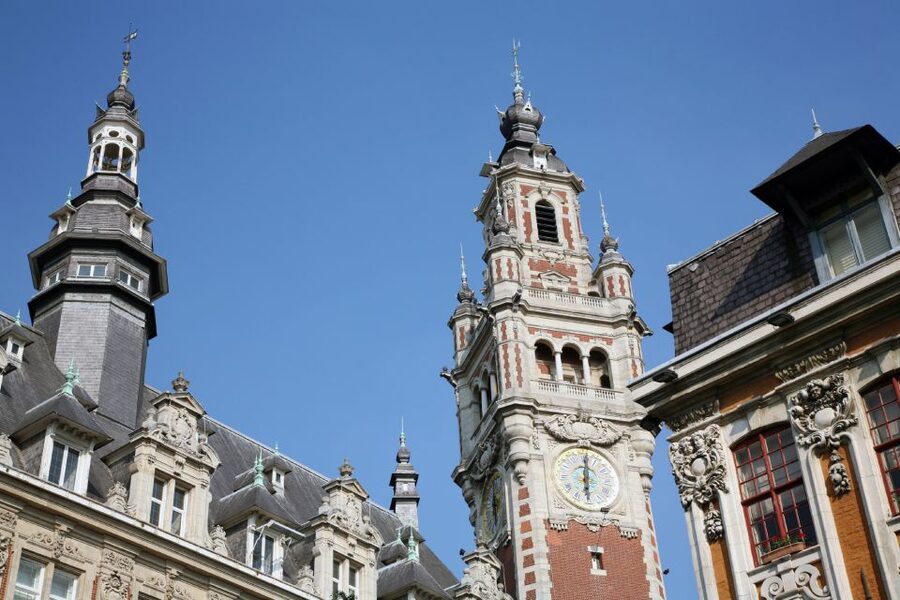
- Must-see architecture in one loop: Palais Rihour, Old Stock Exchange, Opera House, Chamber of Commerce, and Notre-Dame de la Treille
- A thoughtful ending at the Hospice Comtesse, founded in 1237 by Jeanne de Flandre
- Good value at $17 for a live guide and a landmark-focused route
- Easy first-visit momentum: it’s ideal for getting your bearings fast and choosing what to do next
Why Vieux Lille Makes Sense in Two Hours
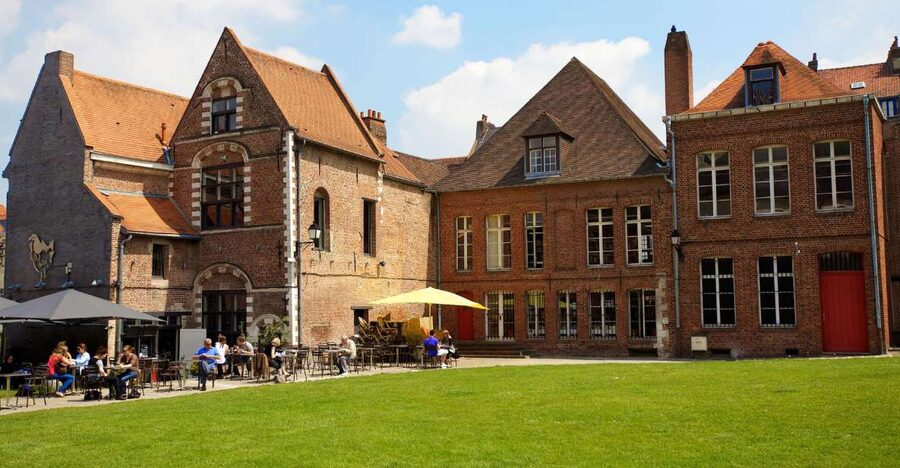
Vieux Lille is the kind of place where you could wander for hours and still not connect the dots. This tour solves that problem with a short timeline and a smart focus: you see the main monuments, then get the context to understand why they’re there.
In practice, that means you’ll spend less time thinking about what to look for and more time enjoying the streets.
At 2 hours, the pace is usually friendly for a first afternoon. You get a guided introduction to the old town’s character—public squares, historic civic buildings, and a cathedral stop—without turning the walk into an all-day endurance test.
If you’re planning to visit museums or specific neighborhoods afterward, this format helps you pick with confidence.
Getting Started: Meeting Point, Languages, and Timing That Actually Works
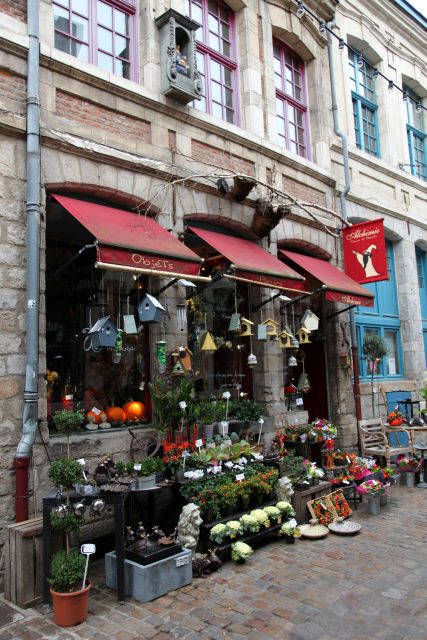
The meeting point may vary depending on the option booked, so treat it as a real part of your plan. Once you find the group, the tour moves quickly into the old town core, where the sights are close enough for an efficient 2-hour loop.
It also helps that the tour is led by a live guide in French or English, so you’re not stuck with just a printed map.
Timing is straightforward. French tours run daily at 15:00, while English tours run every Saturday at 11. That makes it easy to plug into a day schedule—especially if you want something planned early for sightseeing momentum.
One more small but important detail: tours don’t run on 1 January, 1 May, 25 December, during the first weekend in September, or during the Heritage Day weekend (3rd weekend in December).
Palais Rihour and the Main Square: Where the Old Town Shows Off
The walk begins by putting you in front of Vieux Lille’s key public spaces. Palais Rihour and the main square are the kind of landmarks that instantly give you a “this is the center of things” feeling.
Even if you’re not a hard-core architecture fan, these stops help you understand how the city shaped daily life around major civic and public areas.
This is where the guide’s role really matters. You’re not just looking at buildings; you’re hearing what shaped the streets and institutions around them. The best guides on this route—people like Celeste—tend to connect what you see to the story behind it, so the square and palace don’t feel like random big sights.
Also, this portion is great for photos. The streets and façades here are built for that classic old-town perspective.
A practical note: if you’re sensitive to walking, this early stretch is where you’ll feel the cobbles most. Go slow for the first few minutes, especially if your shoes are slick or worn.
Old Stock Exchange, Opera House, and the Chamber of Commerce: Commerce, Culture, and Power
As you continue, the tour shifts from civic squares to the buildings that reflect how Lille functioned—social life, culture, trade, and governance. You’ll pass major landmarks including the Old Stock Exchange, the Opera House, and the Chamber of Commerce.
Taken together, these stops sketch a clear picture of a city that built prestige through institutions, not just monuments.
This is also where the commentary tends to shine. Guides like Stephanie are known for keeping facts organized and readable while still sounding like a human who loves her city. That matters because in old European centers, it’s easy to get lost in dates and jargon.
Instead, you’ll get enough context to understand what type of building you’re looking at and why it matters in the city’s layout.
If you like having something to follow in your head, this segment gives you that. By the time you reach the Opera House and nearby commerce-related buildings, you can start connecting the dots between where people gathered and where ideas, performances, and business intersected.
That connection makes later independent exploring much easier.
Notre-Dame de la Treille Cathedral: A Key Stop That Changes the Tone
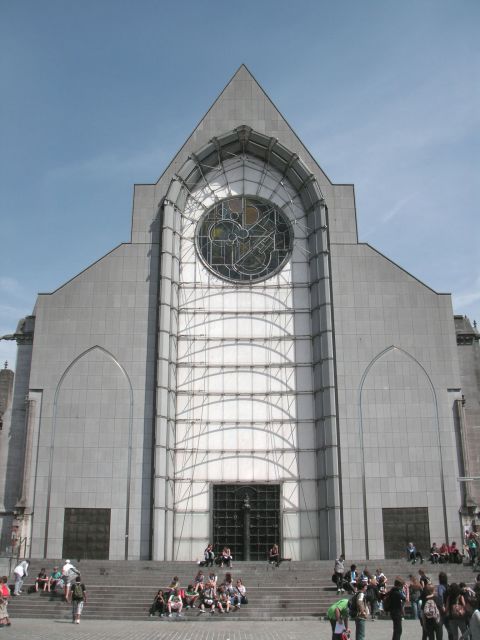
Next comes Notre-Dame de la Treille Cathedral, one of the landmark moments that lifts the tour from streetscapes into something more monumental. It’s the kind of stop you naturally slow down at, because a cathedral does that even when you’re just passing.
The guide’s job here is to help you see beyond the exterior—so you understand why it stands out in the old town’s story.
What I like about including a cathedral on a short walking tour is balance. You get the everyday street energy earlier, then a distinct shift to a major religious and architectural marker.
That rhythm makes the two hours feel purposeful, not like a checklist of stops.
Also, it’s a good point to ask questions. More than one guide on this route is praised for answering freely and adapting to the group. If your group likes extra explanation, this is a nice place to ask why specific details exist or what the area used to be like.
The Hospice Comtesse Finale: Jeanne de Flandre’s Legacy in Everyday Objects
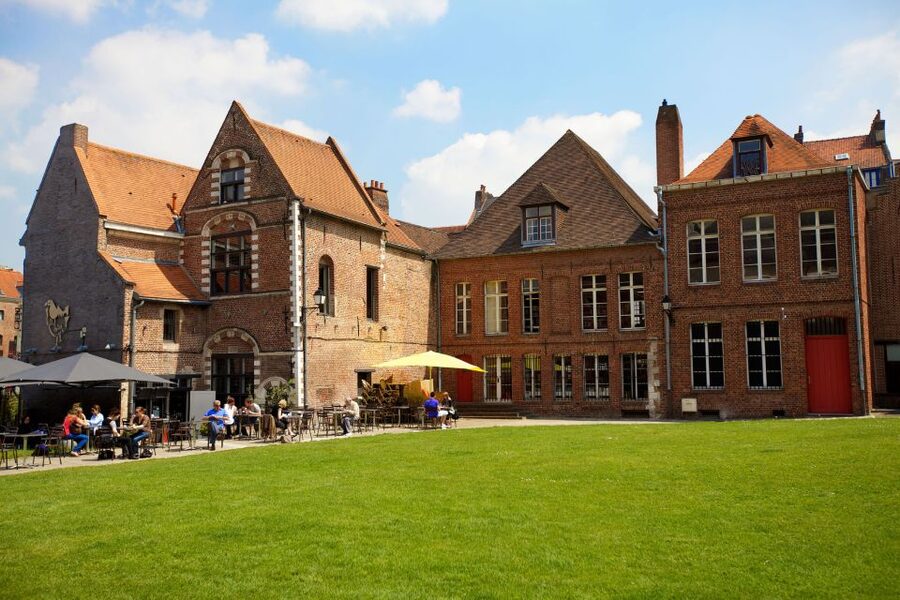
The tour concludes near the Hospice Comtesse, which is a fitting ending because it moves from grand buildings into the human side of history. The hospice was founded in 1237 by Jeanne de Flandre, and the site presents works from Lille’s past through objects from daily life.
You’ll get a glimpse of things like wooden sculptures, earthenware, furniture, and paintings—not just big monuments.
This ending is valuable because it changes how you think about what you saw earlier. After you’ve walked past institutions—markets, civic spaces, and culture buildings—the Hospice Comtesse adds perspective on how ordinary life and care systems fit into the city’s long timeline.
If you like museums but don’t want a full museum day, this stop is a smart compromise.
It also gives you an easy “next step” location. Ending near the hospice means you can keep going in the same area if you want a longer break, a closer look, or a slower walk afterward.
What the Guide Brings: Local Names, Real Stories, and Practical Tips
In a tour like this, the guide can make or break the experience. Here, the strongest praise is very consistent: guides are passionate about Lille and good at translating the city’s past into something you can follow on foot.
People such as Celeste, Isabelle, Stephanie, and Peter show up in praise for different styles—clear explanations, humor, and a friendly Q&A vibe.
You’ll also get practical help beyond storytelling. At least one guide-style emphasized food suggestions and local dishes to try, which is exactly what you want from a first-day introduction.
So while you’re walking past major sites, you’re also building a short list of what to eat and where to go later.
A nice detail: some guides use photo props to explain what you’re seeing, and that can be especially helpful in an old town where layers of time can blur together. If the day’s weather turns, another strong point is that the guide may adjust plans to keep things interesting even when conditions aren’t great.
In other words, you get a tour that responds to the day instead of forcing a rigid script no matter what’s happening outside.
Price and Value: Is $17 Reasonable for a 2-Hour Guided Walk?
At $17 per person for 2 hours with a live guide, the value depends on what you want from your visit. If your goal is orientation plus context, the math works well. You’ll see multiple top sights—Palais Rihour, the main square, the Old Stock Exchange, the Opera House, the Chamber of Commerce, Notre-Dame de la Treille, and an ending near the Hospice Comtesse—all on a route you don’t have to plan from scratch.
That’s a lot of concentrated sightseeing for the time.
If you already know Lille deeply and have your own route and reading materials, you might feel it’s closer to a guided overview than a deep specialist experience. Some people also compare it to lower-cost walking tours they’ve tried elsewhere, so it’s fair to say the price sits in the middle for guided walking.
Still, you’re paying for a structured walk, live explanation, and a well-chosen end point near a site connected to Jeanne de Flandre.
For many first-time visitors, the real value is psychological: you walk more confidently afterward. You know what you just saw, you can name key places, and you’re less likely to wander in circles.
Best Day and Time to Go (and When Lille Goes Quiet)
If you want the easiest schedule, plan around the fixed start times. French tours run at 15:00 daily, and English tours run at 11:00 every Saturday.
If you’re traveling midweek and want English, you’ll need to match the Saturday option, since the provided schedule is specific.
Also plan around the downtime dates. The tour doesn’t run on 1 January, 1 May, 25 December, during the first weekend in September, or during the Heritage Day weekend (3rd weekend in December).
That’s not just trivia—those are exactly the moments when you’re likely to be in town for holidays or weekend events.
Who This Walking Tour Suits Best
This is a smart fit for people who want a guided introduction to Vieux Lille without signing up for something long. You’ll enjoy it if you like architecture, public squares, and learning how a city’s institutions connect.
It’s also a good choice if you’re planning museums afterward, because the route sets you up with the right neighborhood context.
It’s practical for mixed groups, too. The tour is wheelchair accessible, which is a major plus in historic centers where cobbles can be tricky.
And while exact group size isn’t guaranteed, some groups have noted a smaller group feel, which often makes questions and conversation easier.
If you’re traveling with kids, this can work if your family is happy with a walking pace and short stops with explanations. If you’re someone who hates being on your feet for even two hours, you might want a lighter option instead.
Should You Book This Vieux Lille Guided Walk?
Yes—if you’re going to Lille for the first time, you’ll likely get a lot out of this 2-hour orientation loop. For $17, the combination of major landmarks plus an ending near the Hospice Comtesse (with objects tied to Jeanne de Flandre’s legacy) is a strong way to understand the city fast.
You’ll also leave with the names of key buildings and a sense of what to look for next.
Book it especially if you care about storytelling that makes the streets click. The tour’s biggest strength is the guide factor: people like Celeste and Isabelle are repeatedly praised for their connection to Lille and their ability to answer questions.
Just go in with comfortable shoes for cobbles, and you’ll get an efficient, satisfying start to your Vieux Lille day.
FAQ
How long is the Vieux Lille guided walking tour?
The tour lasts 2 hours.
What sights will I see during the walk?
You’ll see major stops such as Palais Rihour, the main square, the Old Stock Exchange, the Opera House, the Chamber of Commerce, Notre-Dame de la Treille Cathedral, and it concludes near the Hospice Comtesse.
How much does the tour cost?
The price is $17 per person.
What languages are offered, and when do tours run?
The tour is offered in French and English. French tours run daily at 15:00, and English tours run every Saturday at 11.
Where does the tour meet, and where does it end?
The meeting point may vary depending on the option booked. The tour concludes near the Hospice Comtesse.
Is the tour wheelchair accessible?
Yes, the tour is wheelchair accessible.