REVIEW · LONDON
London: Witches and History Bankside Walking Tour
Book on GetYourGuide →Operated by Enthral Experiences · Bookable on GetYourGuide
London’s witches come alive on foot. This 75-minute character-led Bankside walk turns Southwark and the South Bank into a storybook of accused healers, nicknames, and punishments. I especially liked how the guide stays in character while still keeping the facts clear, whether it’s Gary the Grey or Witch Veronica.
Two things I really liked: first, you get real landmarks in the mix, from Southwark Cathedral to the Golden Hinde and on to St Paul’s. Second, the guides are funny and responsive, like Beatrix keeping kids hooked without making it feel like a kids-only show.
One consideration: it’s an outdoor walk in rain or shine, so if you dislike standing and walking in weather, this could be less fun.
Key things to know before you go
- Costumed character guides (names you might meet include Gary the Grey, Veronica, Victoria, Beatrix, and Felix) keep the pace lively and the stories memorable.
- You’ll cover a focused slice of London: Southwark to the Thames, then over to St Paul’s area, without marathon distances.
- The tour leans into witch-history and the people behind accusations, not just spooky vibes.
- You’ll pass major photo-and-sight stops like Shakespeare’s Globe, the Millennium Bridge, and St Paul’s.
- Includes notable sites tied to crime and justice, including Clink Prison Museum.
- It’s a 75-minute format, which means you’ll finish while energy is still high.
In This Review
- Starting at Southwark Viewpoint: where the witch story begins
- Southwark Cathedral, Borough Market edges, and Bankside street-level details
- The Golden Hinde Tudor ship and why sea stories fit witch lore
- Winchester Palace ruins and the Clink Prison Museum: fear gets real
- Shakespeare’s Globe Theatre clues across Bankside
- Thames crossing: Millennium Bridge and the walk to St Paul’s
- Costumed guides and the humor that keeps the pace right
- Value for $24: why 75 minutes feels like more
- Who should book this Bankside witches walk (and who might skip)
- Should you book London’s Witches and History Bankside Walking Tour?
- FAQ
- How long is the London Witches and History Bankside Walking Tour?
- How much does the tour cost?
- Where do I meet the tour guide?
- Where does the tour finish?
- Is the tour wheelchair accessible?
- Does the tour run in rain or shine?
- What language is the guide?
- What’s included in the price?
- Is there free cancellation or reserve-and-pay-later?
Starting at Southwark Viewpoint: where the witch story begins
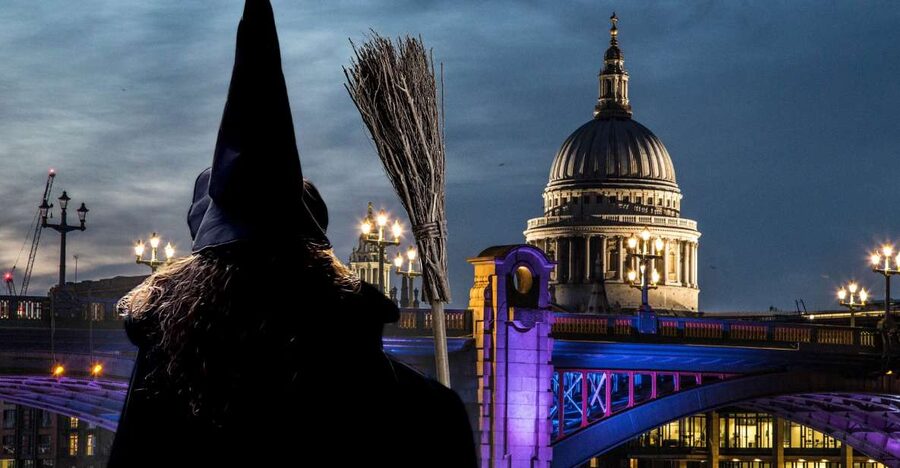
I like tours that start with a real place, not a generic street corner. This one begins at Southwark Viewpoint, Minerva Square, right opposite Southwark Cathedral’s entrance—an easy landmark to find and a strong first image for the evening.
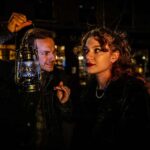
From the start, the guide sets the tone fast: you’re not only learning names and dates, you’re hearing how fear, superstition, and community rumor shaped how people treated each other. The guides wear full costume and keep the performance going, which is part theatre, part street history, and part lesson in how easily accusations can take over.
If you’re going with kids, this is one of those tours that can work well because the guide is used to holding attention. Some guides even invite roleplay or offer witch-apprentice style participation, and that kind of interaction tends to land better than a lecture.
Dress matters here. It’s outdoors, and it runs in rain or shine, so bring a rain layer and something with decent grip for pavement.
Southwark Cathedral, Borough Market edges, and Bankside street-level details
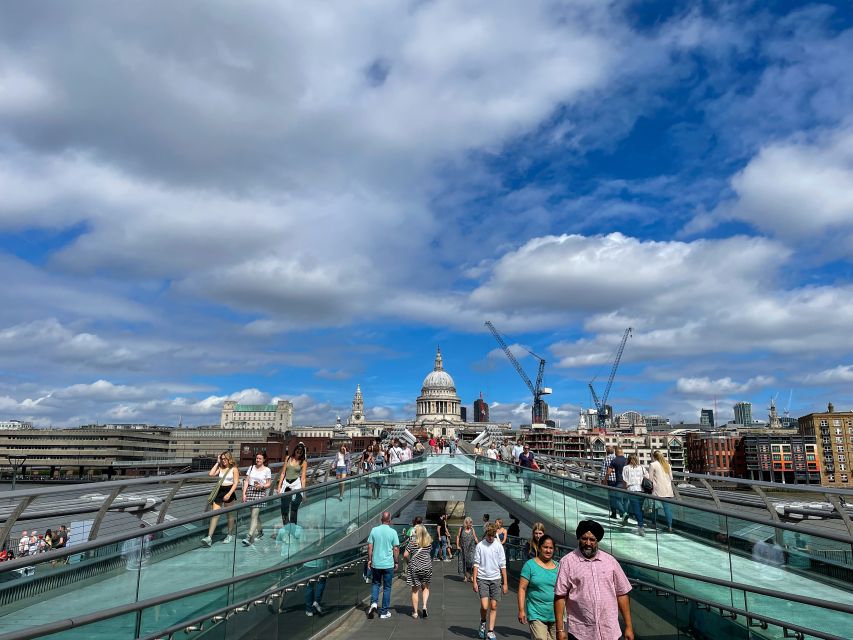
Southwark is one of those London areas where the modern city keeps brushing shoulders with older layers. You’ll walk past Southwark Cathedral, then move through the area around Borough Market and down toward Bankside streets—places where you can still feel how people once moved through the city: on foot, close to commerce, and near the places where news traveled fast.
The witch-history angle works best at this walking speed. You’re close enough to the buildings that you can actually look, then the guide turns that sight into a story. You might hear questions like whether certain historical figures were seen as herbalists with useful knowledge—or as troublemakers with forbidden power.
Around Borough Market, you also get a useful “real world” contrast. The market area is busy in modern life, but the stories the guide tells make you think about who had access to food, who knew remedies, and how quickly someone’s skill could be re-labeled as danger.
There’s also a practical benefit: you’re not hopping in and out of transit constantly. In a 75-minute tour, that matters. You’ll spend your time watching the city rather than waiting for it.
You can also read our reviews of more walking tours in London



The Golden Hinde Tudor ship and why sea stories fit witch lore
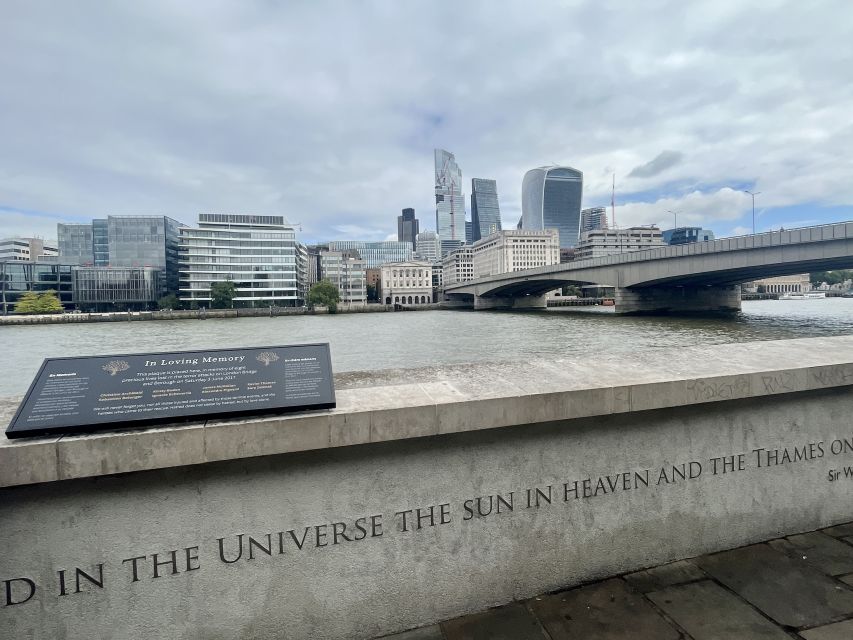
One of the stops I’d plan around is the Golden Hinde, the Tudor ship tied to the famous privateer Sir Francis Drake. It’s not a random “London highlight” pasted onto a spooky theme. The guide uses it to show how wide London’s world was—ports, travel, sailors, and the flow of people and ideas.
That matters because witchcraft accusations weren’t only local superstition. They traveled. People returned with new stories, new fears, and new ways to explain what they didn’t understand. A ship is a perfect symbol for that exchange.
Even if you don’t know much about witch trials going in, this part helps you understand the broader context. The guide ties together reputation, rumor, and the social pressure that can turn a person into a target.
If you like historic sites that are tangible—wood, metal, something you can stand near—this stop delivers. And because it’s on the same walking circuit as the rest of the tour, it doesn’t feel like an add-on.
Winchester Palace ruins and the Clink Prison Museum: fear gets real
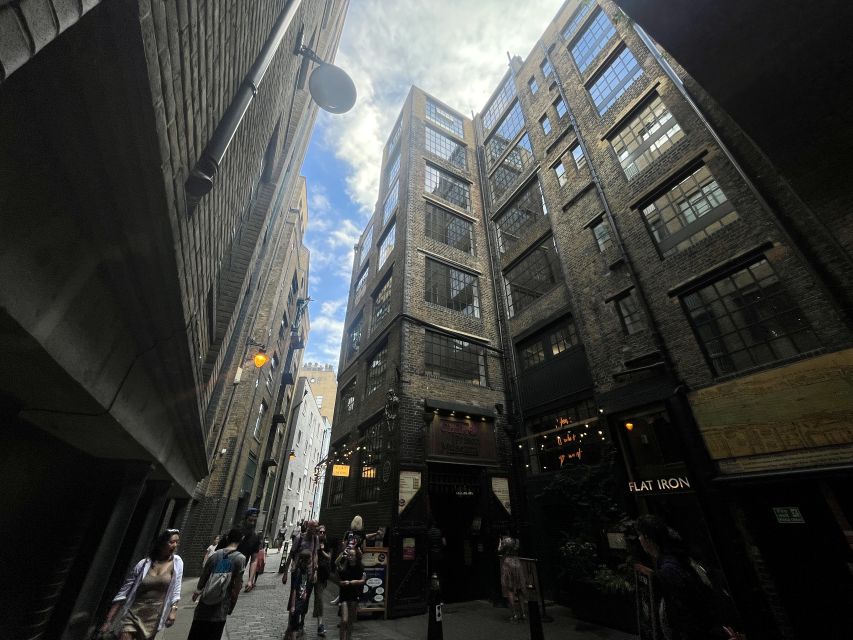
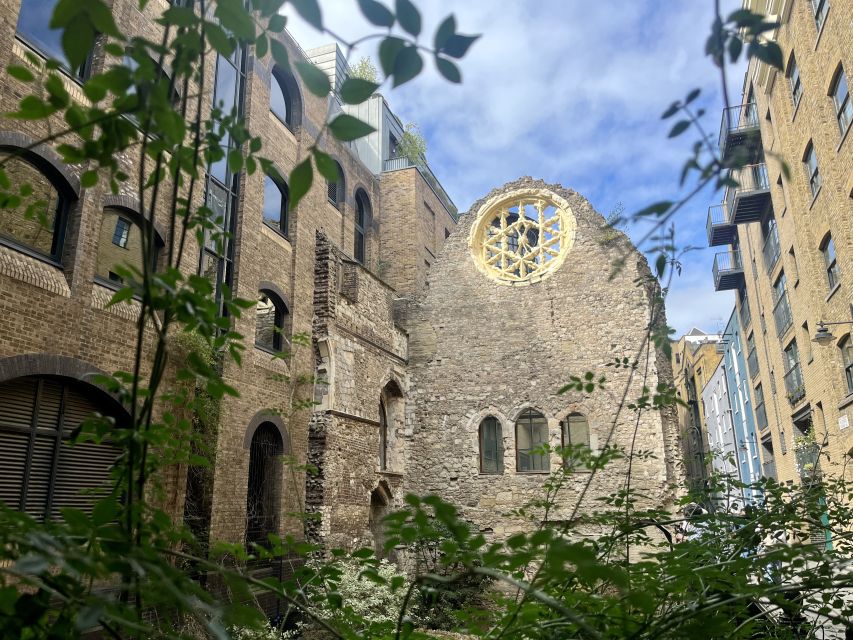
Then the tour pivots into darker territory. You’ll pass Winchester Palace, described here as a ruined palace space, and later you’ll reach The Clink Prison Museum on Clink Street.
The Clink is the heart of the “history with teeth” part of the walk. It’s tied to medieval imprisonment, so instead of treating witchcraft as faraway folklore, you see how the legal system could work with public fear. When the guide talks about suspected witches across ages, it lands differently once you’re standing near a place built for punishment.
This is also where the guide’s storytelling style pays off. Because the tour is short, it can’t cover everything. The guide instead pulls focus: key figures, sharp twists, and the kind of “how did society get to this?” storytelling that sticks in your head.
You might hear names like Nicholas Culpepper (herbalist, or bad doctor depending on who was talking), Elizabeth Barton (portrayed as gifted by some), Jinny Bingham (linked with the nickname Mother Damnable), and Old Joan Butts (associated with “scot-free” escaping punishment). Whether you agree with the guide’s framing or not, the stories are built to make you think about how accusations got shaped—and how power used them.
One small drawback: because this section is heavier, if you’re in a group with very young kids, you may want to check that they’re comfortable with grim history. The tour has a family-friendly feel overall, but the subject matter includes persecution and prison.
Shakespeare’s Globe Theatre clues across Bankside
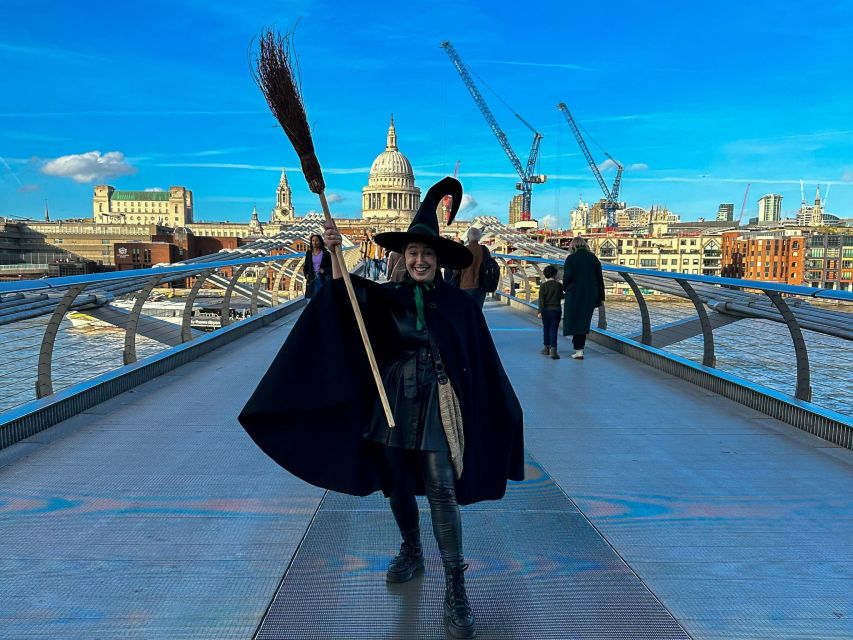
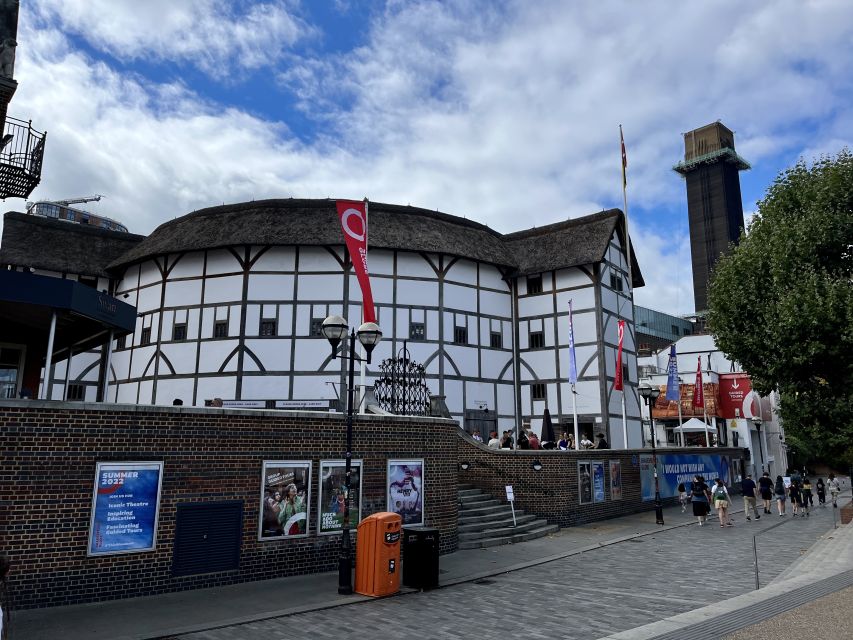
Next comes Shakespeare’s Globe Theatre area, one of the best “London contrast” points on the route. You get theatre right after you’ve been hearing about fear, punishment, and how stories can rewrite a person’s fate.
It’s a smart pairing. Theatre in London helped audiences process ideas, and witchcraft was one of the themes that could show up in popular imagination. When the guide points out an Elizabethan playhouse and connects it to the era’s beliefs, you start seeing how superstition and entertainment lived side by side.
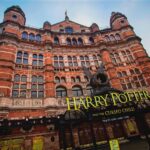
You may also catch hints that overlap with pop culture filming locations (including possible Harry Potter filming spots). The tour doesn’t rely on that for value, but if you’re the kind of person who enjoys spotting familiar visual cues, this adds extra fun.
If you care about the relationship between “history as reality” versus “history as story,” this stop is a turning point. The guide keeps you thinking about how tales get told—and who benefits when they spread.
Thames crossing: Millennium Bridge and the walk to St Paul’s
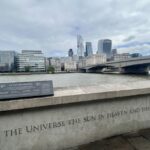
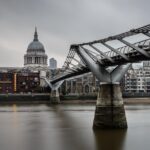
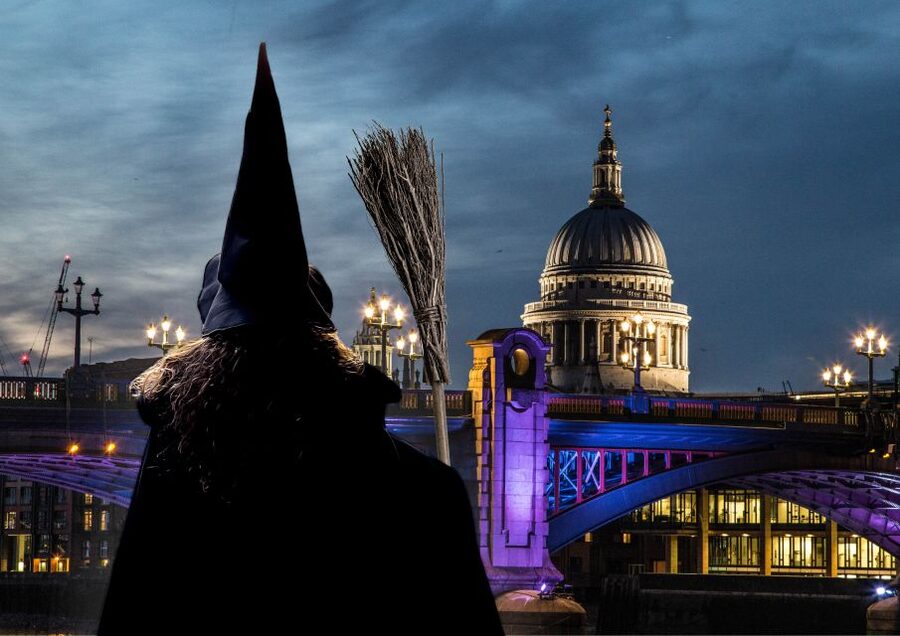
After Bankside, you move toward the River Thames, then reach the Millennium Bridge. This stretch is where the tour shifts from close-up street history to city-scale views.
I like this part because it gives you a breather. You go from narrow streets and specific sites into open sky and wide angles—then the guide ties it back to London’s long memory. The Thames has always been a line people used for trade, travel, and movement, which is exactly the kind of environment where rumors could spread and explanations could multiply.
From there, you finish near St Paul’s Cathedral. Even if you’ve seen St Paul’s before, arriving during a story-led walk makes it feel less like a postcard and more like the anchor point of an entire city that has changed a lot over time.
If you’re a photographer, this is a strong payoff section: the bridge and river views give you light and angles that differ from the tighter Southwark streets.
You can also read our reviews of more historical tours in London




Costumed guides and the humor that keeps the pace right
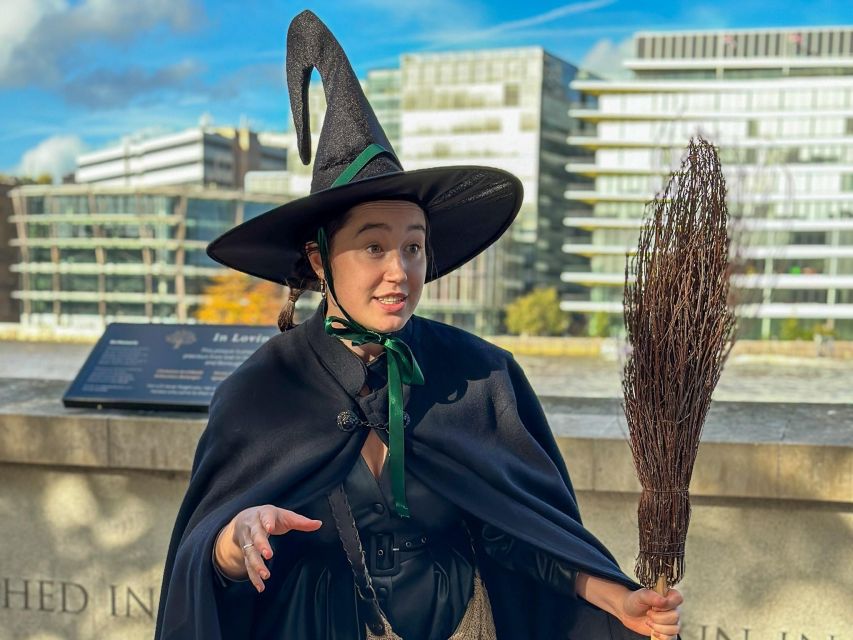
What makes this tour work for me isn’t only the topics. It’s the way the guides deliver them.
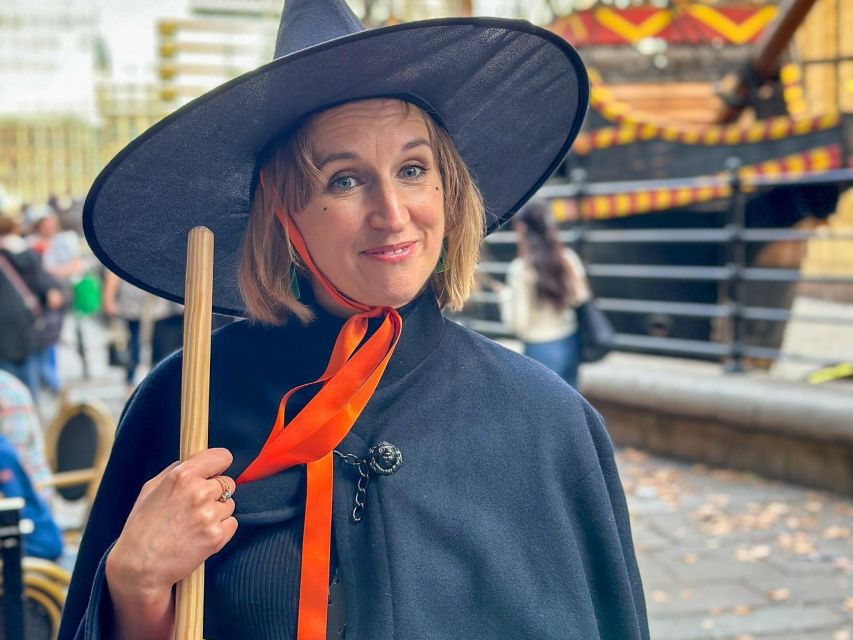
Names you may meet include Gary the Grey, Witch Veronica, Victoria, Beatrix, and Felix. Across those different guides, the pattern is similar: performance in full character, sharp humor, and enough historical grounding that you’re not just hearing spooky lines.
A standout detail from the experience is how guides handle different groups. One tour setup included families with kids, and the guide’s tone stayed fun without losing the historical thread. Another setup even became a very small-group or private-feeling experience at certain times, which can make Q&A easier.
If you want a standard lecture tour, this isn’t it. If you want a walk where the guide actually performs the atmosphere while you still learn something real, this is a good fit.
Also, because the tour is only 75 minutes, the guide doesn’t run out of steam. The timing feels designed for attention, not for endurance.
Value for $24: why 75 minutes feels like more
At $24 per person for a 75-minute walking tour, the value comes from two places.
First, you’re not just buying a theme. You’re buying access to a guided route that hits multiple big-name sights in the same general area: Southwark Cathedral, Borough Market vicinity, The Golden Hinde, Winchester Palace, Clink Prison Museum, Shakespeare’s Globe Theatre, Millennium Bridge, and St Paul’s.
Second, you’re paying for a guide who is clearly committed to character delivery. When guides stay in role and keep it funny, you’re more likely to remember details than if you just passed each stop silently.
Is it short? Yes. Some people may wish for more time, especially if you love London history. But for most visitors, the length is practical. It’s a “do this and still have energy left” option that doesn’t swallow your whole evening.
Who should book this Bankside witches walk (and who might skip)
You should book this tour if you want:
- A story-driven way to see Southwark, Bankside, the Thames, and St Paul’s within one compact walk.
- A witch-history angle that includes real historical people and how accusations worked in everyday life.
- A guide experience with humor and performance, not just facts on repeat.
You might skip it if:
- You want a quiet, purely academic history tour.
- You dislike outdoor walking, especially in rain or shine.
- Prison history will be too intense for your group.
This tour also makes sense as a first London history plan for people who feel overwhelmed by the city. Instead of trying to master “all of London,” you focus on one slice and let the guide connect the dots.
Should you book London’s Witches and History Bankside Walking Tour?
Yes, if your idea of a great London evening includes both landmarks and a guide who turns history into something you can follow while walking. The character-led format, the mix of famous stops (Shakespeare’s Globe, Millennium Bridge, St Paul’s) and darker sites (especially Clink Prison Museum) makes it feel different from the usual “look at that building” tours.
I’d book it early in your trip if you like context, because it helps you read this part of London with new eyes.
FAQ
How long is the London Witches and History Bankside Walking Tour?
It runs for 75 minutes.
How much does the tour cost?
The price is $24 per person.
Where do I meet the tour guide?
You meet at the Southwark Viewpoint, Minerva Square, opposite Southwark Cathedral’s entrance (London SE1 9DF).
Where does the tour finish?
The tour finishes at 101 Queen Victoria St, London EC4V 4EH.
Is the tour wheelchair accessible?
Yes. A wheelchair accessible route can be arranged by request in advance of booking.
Does the tour run in rain or shine?
The tour takes place in rain or shine since it’s an outdoor walking tour.
What language is the guide?
The tour is guided in English.
What’s included in the price?
You get a costumed guide and the walking tour experience.
Is there free cancellation or reserve-and-pay-later?
You can cancel up to 24 hours in advance for a full refund, and there is a reserve now & pay later option.