REVIEW · LISBON
Lisbon: Alfama District 2.5-Hour Walking Tour
Book on GetYourGuide →Operated by Sandemans New Europe - Portugal · Bookable on GetYourGuide
Alfama hits you in the first turn. This 2.5-hour walk through Lisbon’s Alfama district explains why it survived the 1755 earthquake and how fado grew from that kind of pain and pride.
I especially like the smooth, get-going pace and the way guides build the story as you walk. Guides such as Teresa, Rita, and Antonio have a knack for keeping groups moving while pointing out the viewpoints that matter.
One heads-up: this tour isn’t wheelchair accessible, and the streets can be hilly and slippery underfoot, so plan for some real walking effort.
In This Review
- Key highlights that make this Alfama tour worth your time
- Alfama’s street-level story: where Lisbon feels old and human
- Meeting at Praça do Comércio: start smart, not lost
- Walking Alfama’s lanes: the earthquake lesson that changes how you see the district
- São Jorge Castle photo stop: views first, then the meaning
- Miradouro da Senhora do Monte: the Lisbon postcard angle
- Lisbon Cathedral and St. Anthony: where the route ends with meaning
- Guides and pace: the real reason this tour scores so high
- Price and value: is $30 a fair deal for 2.5 hours?
- Who this Alfama walk is best for (and who should skip it)
- Small practical tips to make it easier
- Should you book this Lisbon Alfama walking tour?
- FAQ
- Where does the tour start?
- How long is the walking tour?
- How much does it cost?
- What is included in the price?
- Is the tour wheelchair accessible?
- Is this tour suitable for children?
- Can I change or cancel my booking?
Key highlights that make this Alfama tour worth your time
- Praça do Comércio start, easy orientation fast: you begin right in the action and get pointed in the right direction immediately.
- Alfama’s 1755 earthquake survival: you connect the district’s survival to the Lisbon that came after.
- Fado culture, not just trivia: you’ll hear how fado fits the neighborhood’s mix of languages, faiths, and everyday life.
- São Jorge Castle photo stop with proper payoff: great views, timed to keep the walking manageable.
- Miradouro da Senhora do Monte for big panoramas: the stop that makes the climb feel worth it.
- Finish at Lisbon Cathedral (plus St. Anthony): the tour ends where Lisbon’s religious and historic layers overlap.
Alfama’s street-level story: where Lisbon feels old and human
Lisbon’s Alfama doesn’t try to be polished. It feels like it grew one cobblestone at a time, with small squares, tight lanes, and sudden openings to the view. That’s why this tour works well as an introduction: you’re not just looking at sights, you’re learning how the district became itself.
You’ll walk through the kind of streets where different eras overlap. The area’s story connects Phoenician traders, calls to prayer, Moorish streets, and even Roman foundations that are said to show up under the neighborhood. It’s not presented as a lecture. It’s presented as a way to understand why the district looks and sounds the way it does.
And yes, fado is part of the point. This walk treats fado as more than a song genre on a playlist. You’ll learn how the district’s mix of communities helped shape that sound of longing and loss, and why it still feels personal.
You can also read our reviews of more walking tours in Lisbon



Meeting at Praça do Comércio: start smart, not lost
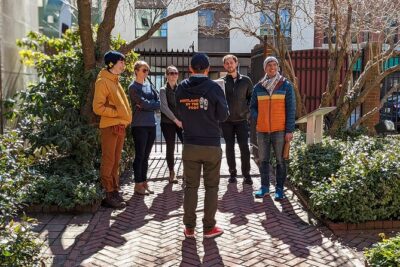
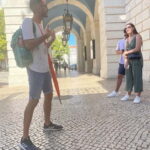
The tour begins by the monument at Praça do Comércio. The guide is easy to spot: a red T-shirt and an umbrella with the local partner’s name on it.
Why this meeting point matters: Praça do Comércio is central and recognizable. If you’re in Lisbon for the first time, it’s a practical place to regroup and set your bearings. You’re also starting close to major river views, so the city immediately feels connected to the Tagus River.
There’s no accommodation pickup. That’s typical for walking tours, but it’s good to know so you don’t build your schedule around a driver that never comes. Plan to arrive a few minutes early and start the tour without stress.
Walking Alfama’s lanes: the earthquake lesson that changes how you see the district
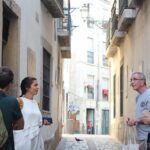
The heart of the tour is Alfama itself. You’ll spend about 40 minutes walking through the neighborhood, moving at a pace designed for sightseeing rather than endurance.
The standout historical theme is Alfama’s link to the 1755 earthquake. You’ll learn that Alfama was the only part of Lisbon to survive that disaster, and you’ll connect that survival to the district’s later role as a witness to Portugal’s rise, fall, and reinvention. Even if you know the earthquake story in broad terms, this tour helps translate it into something you can see in the streets.
You’ll also notice how the guide threads cultural layers together. The district gets described in terms of sound and movement: tram rattles, religious calls, and the everyday atmosphere that turns “history” into something you can picture.
One practical thought: Alfama streets can be uneven and sometimes slippery. Bring shoes you trust. The tour is short, but you’re still walking through a historic neighborhood, not a flat museum corridor.
São Jorge Castle photo stop: views first, then the meaning
Next comes São Jorge Castle, mainly as a photo stop with big-picture context. You’ll get about 40 minutes here for views and photos.
The payoff is the angle. From up high, Lisbon makes sense: the city layers, the river, and the way the older districts hug the hills. You’ll also hear about the sun-bleached sandstone walls and how the castle sits on a summit that makes the climb feel purposeful.
About expectations: the tour is focused on seeing from the outside and learning what you’re looking at. Entrance to sites or museums is not included, so don’t assume you’ll automatically go inside the castle grounds.
If you want to extend your visit, plan extra time on a separate trip. The tour gives you the orientation and the best viewpoints without turning your afternoon into paperwork and ticket lines.
Miradouro da Senhora do Monte: the Lisbon postcard angle
After the castle, the tour adds one more view-heavy stop: Miradouro da Senhora do Monte. You’ll spend about 40 minutes sightseeing here.
This is where Lisbon often lands for people. The angle is dramatic, and it helps you connect what you learned above ground to what you walked through below. Alfama doesn’t feel like a random maze of streets anymore. It looks like a district with logic, defense, faith, and survival built into the geography.
You also get to breathe. The tour is timed so you’re not constantly stuck standing still. That’s a big deal in a city where hills can turn a “quick stroll” into a slow grind.
If you’re the kind of person who likes photos, treat this as your main camera moment. If you prefer to just watch and absorb, that’s fine too. The point is the same: you’re seeing the whole story from the right perspective.




Lisbon Cathedral and St. Anthony: where the route ends with meaning
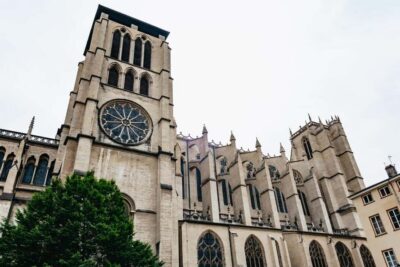
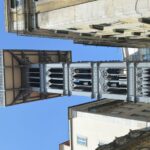
The tour finishes at Lisbon Cathedral. You’ll have a final stretch that wraps up the walking route and ties back into the neighborhood’s long cultural thread.
You’ll also explore the Church of St. Anthony as part of the experience. These religious stops matter because they add another layer to what you’ve been learning. Alfama isn’t only about one chapter of Lisbon’s past. It’s about how communities kept rebuilding their identity through faith, art, and everyday life.
Because entrances aren’t included, you should expect mostly outdoor viewing and guided explanation rather than a sit-down museum-style experience. If you want to go inside, you’ll likely need to pay separately.
That said, ending here is smart. The cathedral finish gives the tour a clear landing point that feels historic but not confusing. It’s easy to keep going afterward, grab a meal, or catch a tram without feeling like you’re wandering with no plan.
Guides and pace: the real reason this tour scores so high
This tour’s biggest strength is how it’s guided. The guides aren’t just reciting facts while you shuffle along. They’re shaping the walk so you understand what’s in front of you.
In past groups, names that show up often include Teresa, Antonio, Rita, Kike, Fred, Raquel, Pascal, and Yuri. Even when guide personalities vary, a common theme comes through: they keep things engaging, keep the group moving, and focus on the parts of Alfama you’ll actually care about—especially the viewing spots.
The pace also gets praised. People like that it doesn’t turn into long stops where you’re standing around waiting for the next point. In a place with hills and stones underfoot, that kind of pacing feels like a gift.
Price and value: is $30 a fair deal for 2.5 hours?
At $30 per person for 2.5 hours, this isn’t a bargain tour. It’s also not overpriced for what you’re getting.
Here’s the value logic that matters:
- You’re paying for a local guide who can connect Alfama’s layers into a route you can follow.
- You’re hitting the major “first-time Alfama” highlights, including the castle viewpoint and the Miradouro.
- You’re getting context around fado and the 1755 earthquake, which you might miss if you just wander on your own.
What’s not included matters for budgeting. Entrance to sites or museums isn’t covered, so if you want to go inside places rather than just look, you may pay additional entry fees separately. Still, for many people, the guided exterior viewing plus the viewpoints is exactly what they want.
Bottom line: if you like walking tours that teach while you move, this price feels fair.
Who this Alfama walk is best for (and who should skip it)
This tour fits best if you’re:
- In Lisbon for a short time and want a high-impact orientation to Alfama
- Interested in fado as culture, not just entertainment
- Curious about the 1755 earthquake and how it shapes the district you’re standing in
- Okay with hills and uneven cobblestones for a couple hours
You should think twice if you:
- Need wheelchair accessibility (this tour isn’t wheelchair accessible)
- Have trouble with steep, uneven walking surfaces
- Want a museum-only day with lots of paid indoor time (entrances aren’t included, and the tour is built around streets and viewpoints)
Small practical tips to make it easier
A few things will make your day smoother:
- Wear comfortable walking shoes. Cobblestones can be slippery, and you’ll feel it after a while.
- Bring a light layer. If you climb to viewpoints, wind can catch you even when the rest of Lisbon feels mild.
- Charge your phone or camera. The castle and miradouro stops are designed for photos and panorama watching.
- Bring a little patience. Alfama streets are narrow and busy in spots, and a guide’s job is to keep you moving without losing the story.
Should you book this Lisbon Alfama walking tour?
I’d book it if you want a guided introduction that turns Alfama from a confusing set of turns into a coherent neighborhood with a point of view. The combination of the earthquake story, the fado connection, and two viewpoint stops gives you real payoff for 2.5 hours.
I would skip it if walking over hills and cobblestones sounds miserable to you, or if you expect included museum entrances and long indoor visits.
If you’re asking what to look for when you arrive: find the guide in the red T-shirt with the partner-named umbrella, then let the route do the heavy lifting. This tour is built so you can leave with both photos and a better sense of how Lisbon became what it is.
FAQ
Where does the tour start?
The meeting point is by the monument at Praça do Comércio. Your guide will be wearing a red T-shirt and carrying an umbrella with the local partner’s name.
How long is the walking tour?
The tour lasts 2.5 hours.
How much does it cost?
It costs $30 per person.
What is included in the price?
A local guide is included. Entrance to sites or museums is not included.
Is the tour wheelchair accessible?
No, the tour is not wheelchair accessible.
Is this tour suitable for children?
Children under 13 years old go free of charge.
Can I change or cancel my booking?
Yes. You can cancel up to 24 hours in advance for a full refund, and the booking offers reserve now & pay later.