REVIEW · BERLIN
Cold War, Berlin Wall, Spies and the East Side Gallery
Book on GetYourGuide →Operated by Insider Tour Berlin · Bookable on GetYourGuide
Berlin’s border story still hits hard.
This 3-hour Cold War walking tour strings together places that explain how fear, surveillance, and daring escape attempts shaped daily life in divided Berlin. I really like the way the route moves from major city spaces to the Wall line without feeling rushed. Guides like Paul and Jamie g are praised for turning dry facts into tight, human stories. One thing to consider: you’ll be on your feet for long stretches, and you need an AB public transport day pass to hop between sites.
What sold me on this experience is the mix of famous sights and specific Cold War geography. You visit the Tränenpalast, then head through East Berlin’s big public spaces like Alexanderplatz and Karl-Marx-Allee—where even the architecture was built to send messages. After that, the story shifts back to the Wall, including the original death strip area and the fear that went with it.
The main drawback is the structure: you cover several distinct stops in a short window, so if you want one site to be your entire focus, you may crave more time on the Wall itself. Also, the tour runs in any weather, so plan like it might rain.
In This Review
- Key highlights worth packing into your Berlin plan
- A tight, walkable Cold War route you can actually fit in
- Meet at Friedrichstraße and start with the Wall story in mind
- Tränenpalast: why this stop fits the whole Cold War theme
- Alexanderplatz: East Berlin’s everyday center, explained through the people
- Karl-Marx-Allee: propaganda you can walk on
- Friedrichshain and the death strip: where the fear becomes real
- East Side Gallery: from oppression to open-air art
- How the pacing works (and how to enjoy it more)
- Price and value: what $18 gets you in Berlin time
- Who this tour suits best
- Should you book Cold War, Berlin Wall, Spies and the East Side Gallery?
- FAQ
- How long is the tour?
- How much does the tour cost?
- Where do I meet the guide?
- Is a public transport ticket included?
- What stops are included in the experience?
- Is food or drink included?
- Does the tour run in bad weather?
- What language is the guide?
- Is the tour wheelchair accessible?
- Are there restrictions during the tour?
Key highlights worth packing into your Berlin plan
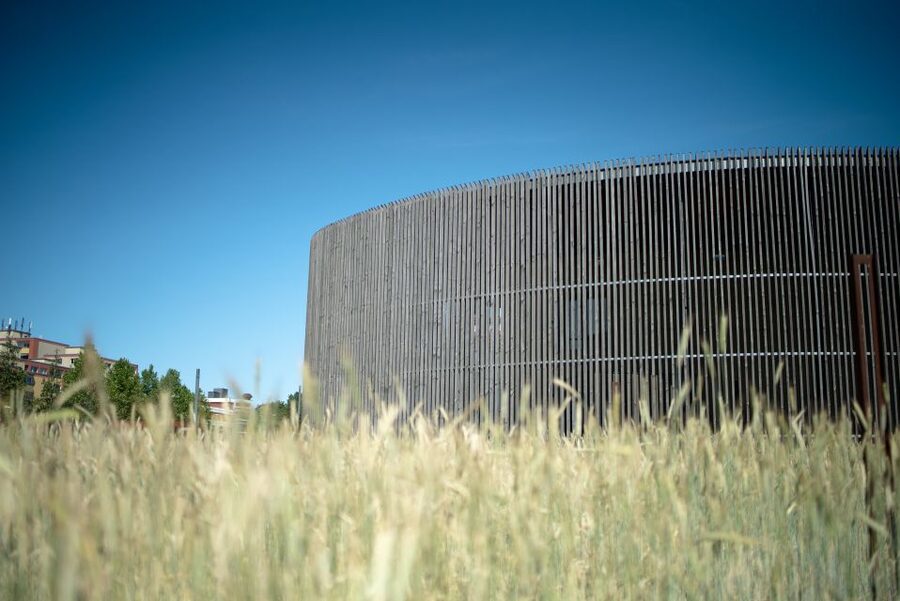
- Tränenpalast (Palace of Tears): a named stop tied to separation and escape stories in Cold War Berlin.
- Karl-Marx-Allee: you’ll walk a grand boulevard and unpack propaganda hidden in the buildings.
- Death strip + Berlin Wall line: you get the real feel for where people crossed under threat and watch.
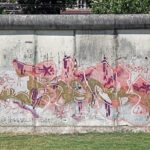
- East Side Gallery: graffiti turned the Wall into an open-air art gallery you can walk alongside.
- Alexanderplatz: a classic East Berlin square where you can picture everyday life behind the Iron Curtain.
- Guides with serious storytelling chops: people consistently mention guides such as Xavier, Maria, Klaus, Nikolai, and Tina for bringing the era to life.
A tight, walkable Cold War route you can actually fit in
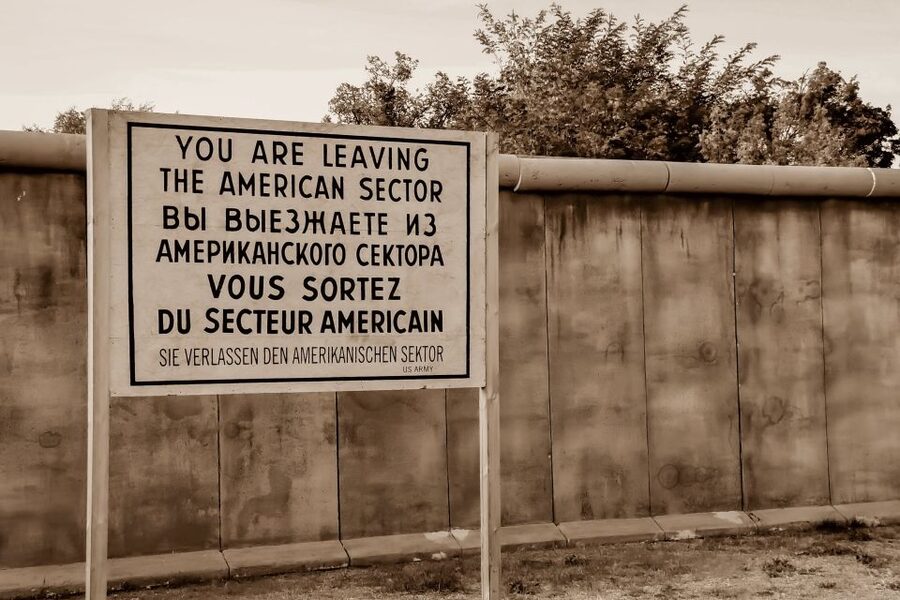
Three hours sounds small, but this tour uses that time well. You start near Friedrichstraße and move through the East Berlin core, with short train hops between clusters of sights. That matters because Berlin distances can eat a day, and here you get a “big picture” path without a full-day time sink.
The other logistics piece is important: an AB public transport day pass is required to travel between sites during the tour. The good news is you can buy it on the day with help from staff. Still, build in a moment to sort your ticket before the first train hop.
The tour is designed for a living feel of the era. Expect story-driven stops about spies, informants, Stasi surveillance, and escape attempts, then visual checkpoints where you can connect the story to the street you’re standing on. This is not just monuments. It’s the route where power tried to control movement.
You can also read our reviews of more museum experiences in Berlin

Meet at Friedrichstraße and start with the Wall story in mind
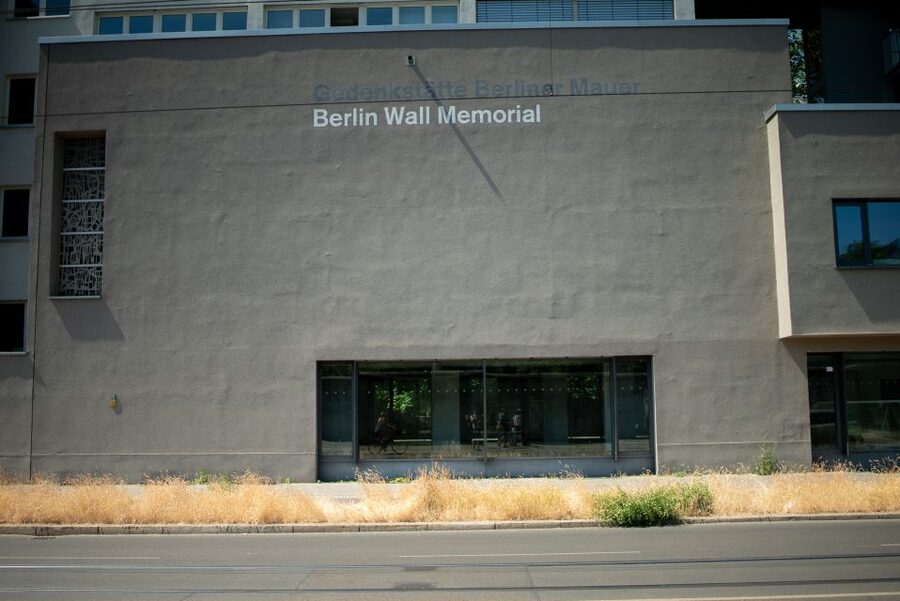
You meet your guide outside Friedrichstraße station, on the square beside the Traenenpalast (Palace of Tears). Look for the guide holding a yellow umbrella and wearing a yellow name badge.
If you choose pickup, you’ll be collected at your accommodation and then meet at the Tourist Information at Brandenburg Gate, Pariser Platz 1, 10117 Berlin. That option is handy if your hotel is convenient, but the core meeting is still easy to find if you’re arriving by train.
Two practical notes that make the tour smoother:
- Comfortable shoes are non-negotiable. This is a walking-and-hopping route, not a sit-down museum hour.
- Bring your camera and weather gear. The tour proceeds regardless of conditions, so you’ll want to be ready.
Tränenpalast: why this stop fits the whole Cold War theme
The tour begins with a visit to Tränenpalast (Palace of Tears) for about 20 minutes. Even if you know little about the Cold War going in, this site works as a quick emotional anchor. The name alone hints at separation, and the tour’s story framing links it directly to the reality of people trying to leave the East and meet the people they were separated from.
What I like about starting here is the way it sets expectations. Your guide doesn’t just list dates. You get the human stakes first, then you move outward into the wider geography of control and escape.
Potential downside: if you’re hoping for a purely outward-looking architecture walk, you might find this section more story-and-meaning heavy than photo-heavy. But that’s also why it works.
Alexanderplatz: East Berlin’s everyday center, explained through the people
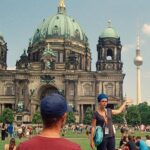
Next you’re at Alexanderplatz for around 20 minutes with a guided stop. Alexanderplatz is one of those places where you can read history in layers: the square, the feel of the city space, and how everyday movement worked under political pressure.
The tour uses this stop to connect the big Cold War machine to ordinary life. The guide frames what people feared, what people watched, and what people risked—so when you look around, you don’t just see a landmark. You start picturing how it might have felt to navigate daily routines under surveillance.
If you love street-level context, you’ll enjoy this part. If you want intense detail on military strategy only, this might feel more social than technical. Either way, it’s a good pacing change before the Wall line.
Karl-Marx-Allee: propaganda you can walk on
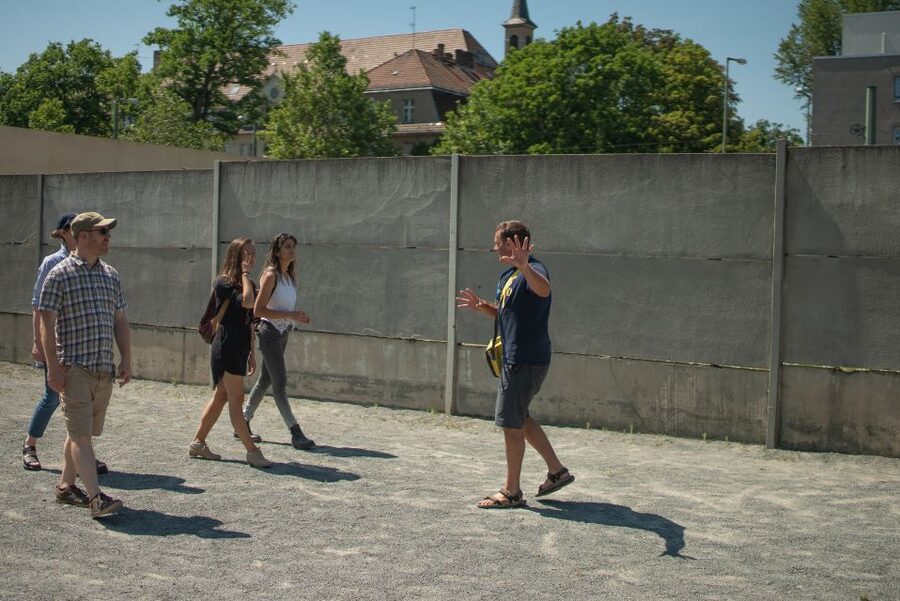
Karl-Marx-Allee gets a guided walk and sightseeing time of about 20 minutes. This is one of the tour’s strongest “wow, that’s huge” moments, because you’re walking a boulevard designed with power and ideology in mind.
What’s genuinely useful here is the guide’s interpretation. You’re not just told it was socialist-era planning. You learn how the architecture was used to send signals—monumental scale and design meant to communicate something to everyone who walked or lived around it.
This is also where you get a story about the 1953 workers’ uprising, described as shaking the foundations of the communist regime. Even without turning this into a history lecture marathon, the guide ties political tension back to the spaces where it erupted.
Quick caution: Karl-Marx-Allee is long and exposed in parts, depending on the weather. Since the tour continues in rain or shine, wear layers you can handle.





Friedrichshain and the death strip: where the fear becomes real
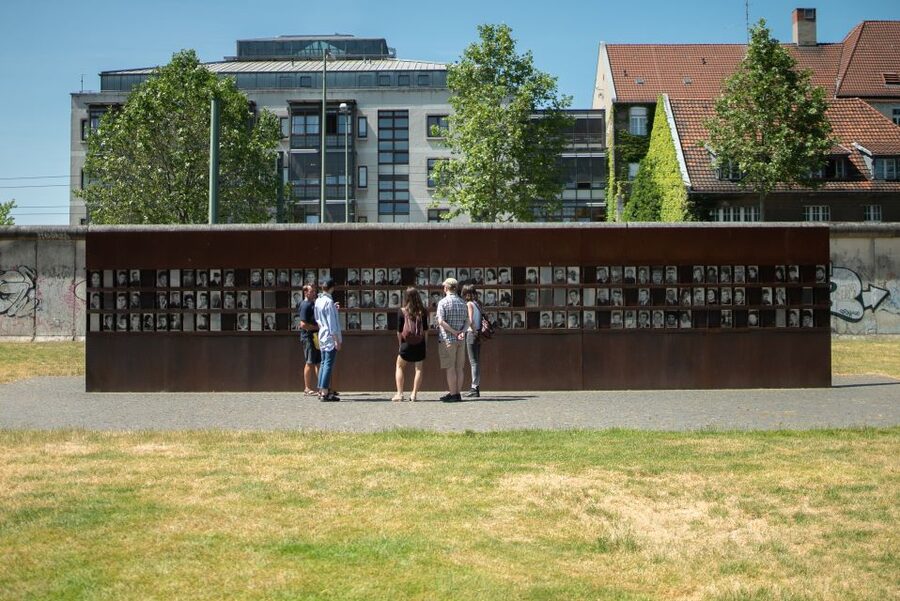
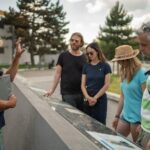
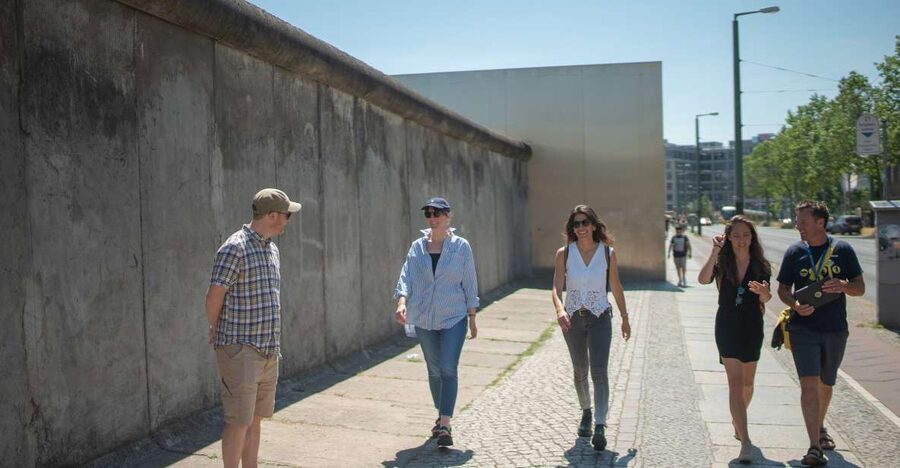
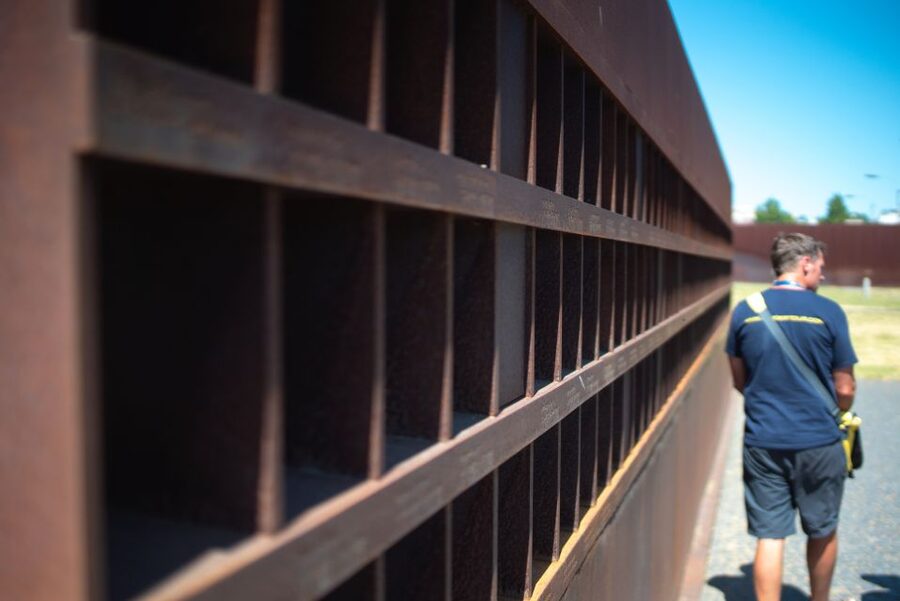
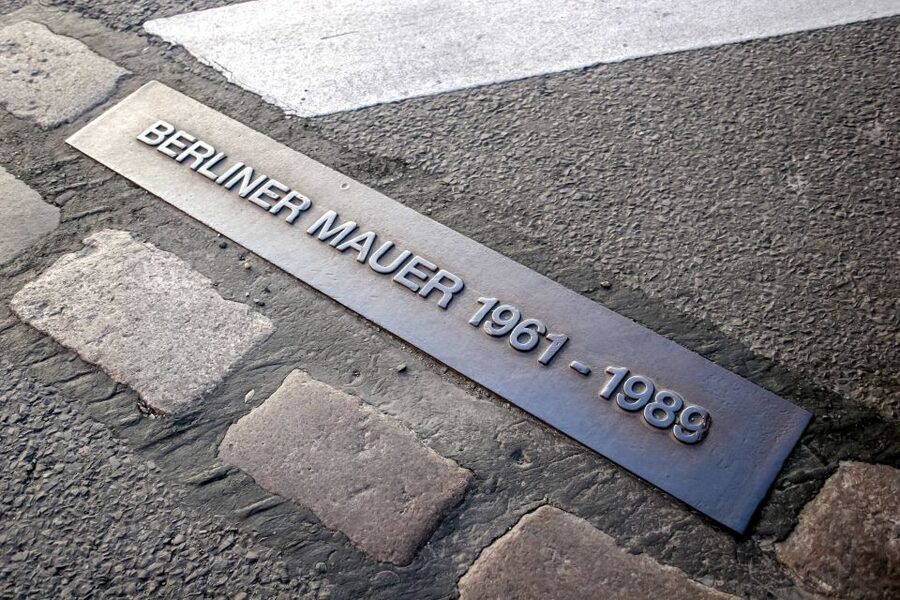
Then comes one of the tour’s most intense sections. You move into Friedrichshain for guided sightseeing, and you spend time along the Berlin Wall with a focus that includes the original death strip area.
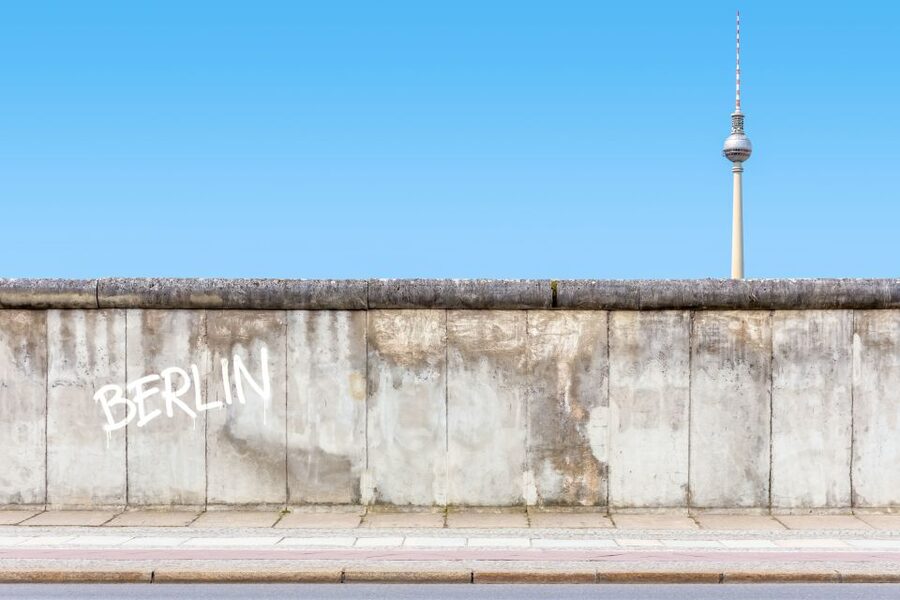
This is the part where the tour earns its name. The Wall isn’t treated as a single line you pose next to. It’s explained as a system—surveillance, informants, the reality of attempts to flee, and the way the Stasi watched from the shadows.
I appreciate that the guide keeps grounding the story in movement and decision-making: where people tried to go, what could go wrong, and why ordinary folks faced extraordinary risk. Several guides mentioned in reviews are praised for this storytelling approach, including Paul, Xavier, Nikolai, and Klaus. The common thread is strong narration plus room for questions.
One consideration: people who want only the most visually dramatic Wall remnants might feel this segment is heavier on explanation than on wall-snapshot time. But if you’re building a real understanding of what the Wall did to daily life, this is where everything clicks.
East Side Gallery: from oppression to open-air art
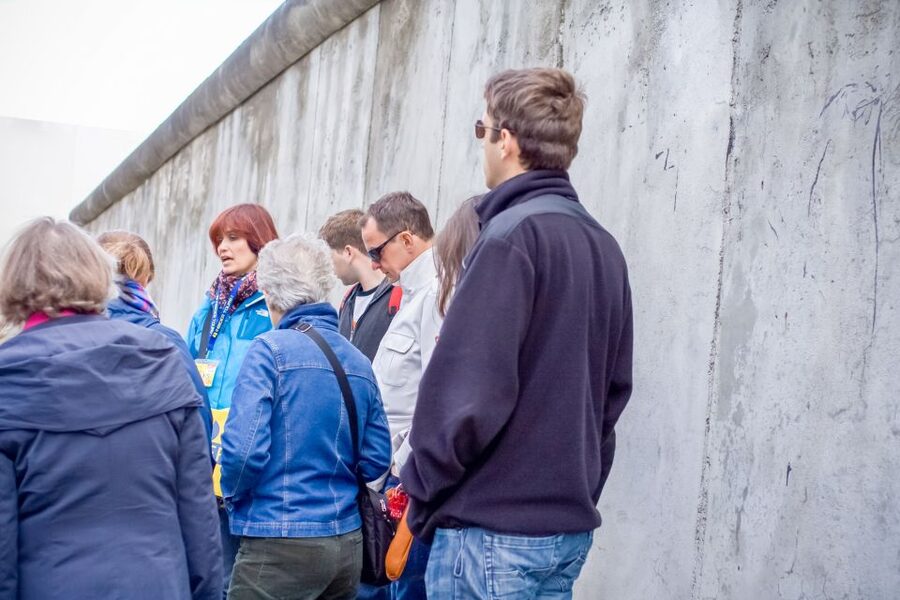
The final big “anchor” stop is the East Side Gallery, with guided sightseeing for about 20 minutes and a walk along the graffiti Wall. This is where the tone shifts just enough to breathe, without pretending the past is gone.
You’re shown how the Wall was transformed into an open-air canvas—described as the world’s longest open-air art gallery in the tour framing. The guide connects this transformation to the broader arc from a divided Berlin to a Berlin that repurposes its scars into public memory.
I like this section because it’s both visual and reflective. You’re walking along art, but your guide keeps the Cold War context attached so you don’t just get a photo stop. You get a meaning stop.
How the pacing works (and how to enjoy it more)
The route includes a few short train rides between zones—think about it as quick transitions so you don’t lose time walking between disconnected areas. With a 3-hour total duration, the pacing is tight, so it helps to treat this as a guided course in Cold War Berlin geography rather than a deep dig into one single museum.
Since it’s a walking tour, your comfort affects your experience. Bring:
- Comfortable shoes
- Weather-appropriate clothing
- A camera
- A small willingness to keep moving while your guide talks
If you’re traveling in a bigger group, you may want to stay near the guide so you catch questions and answers clearly. One review specifically mentioned a microphone would have helped in high headcount, which is a good reminder that sound can matter in crowded weather.
Price and value: what $18 gets you in Berlin time
At $18 per person for 3 hours, this tour is priced like a smart “high-impact” move. The real value isn’t just the Wall. It’s the fact that you get several high-recognition locations—Tränenpalast, Alexanderplatz, Karl-Marx-Allee, the Wall area, and the East Side Gallery—stitched into one guided explanation.
Add in the included guide time (professional English-speaking guide) and the walking structure, and it starts to look like a bargain compared with piecing together transit, entry tickets, and guide time on your own.
The one extra cost to plan for is the AB day pass for public transport between stops. It’s required, and it’s not included. Still, you can buy it with staff help on the day, which keeps it from becoming a hassle.
My honest takeaway on value: this is a strong choice if you want the Cold War story tied to places you can stand in front of, without burning half a day figuring out logistics.
Who this tour suits best
This tour fits you if:
- You want a guided story about how the Cold War and the Wall affected real people.
- You like walking Berlin with context, not just sightseeing.
- You’re curious about spies, informants, and escape attempts, and how the Stasi shaped behavior.
It may be less perfect if:
- You want a long, slow museum-style experience at one site.
- You’re sensitive to walking in weather, since the tour proceeds in all conditions.
Language-wise, you’re covered with English or German with a live guide, which is a big plus if you want real conversation rather than a headset tour.
Should you book Cold War, Berlin Wall, Spies and the East Side Gallery?
I’d book it if you’re trying to understand Berlin’s division in a way that’s more than dates on a screen. The best reason is the combination: major East Berlin public spaces (Alexanderplatz, Karl-Marx-Allee) plus the Wall line with death strip context plus the reflective ending at East Side Gallery. That arc makes the Cold War feel like one story, not five disconnected stops.
Also, the guide quality seems consistently strong. Reviews repeatedly praise specific guides by name—Paul, Jamie g, Xavier, Maria, Klaus, Nikolai, and Tina—for storytelling, answering questions, and bringing lived perspective when the guide has it.
If you do book, do two things to get more out of it: wear good shoes, and come with at least a basic curiosity about how surveillance and escape shaped daily life. Do that, and this tour will give you the kind of Berlin understanding you can actually carry into the rest of your trip.
FAQ
How long is the tour?
The tour lasts 3 hours.
How much does the tour cost?
The price is $18 per person.
Where do I meet the guide?
Meet your guide outside Friedrichstrasse station, on the square beside the Traenenpalast (Palace of Tears). Look for a guide with a yellow name badge and yellow umbrella.
Is a public transport ticket included?
No. You need an AB public transport day pass to travel between sites during the tour, and you can buy it on the day with help from staff.
What stops are included in the experience?
You’ll see Tränenpalast, Alexanderplatz, Karl-Marx-Allee, the Berlin Wall area (including the original death strip area), and the East Side Gallery.
Is food or drink included?
No. Food and drink aren’t included.
Does the tour run in bad weather?
Yes. The tour proceeds regardless of the weather.
What language is the guide?
The guide is available in English and German.
Is the tour wheelchair accessible?
Yes, the tour is wheelchair accessible.
Are there restrictions during the tour?
Yes. Alcohol and drugs are not allowed.