REVIEW · SYRACUSE
Syracuse: Ortigia and Neapolis Guided Walking Tour
Book on GetYourGuide →Operated by MySicilyGuide · Bookable on GetYourGuide
Syracuse hits different when you walk it. This small-group guided route links Greek temples, Roman stages, and Ortigia’s white-stone streets into one smooth story, and the headset makes the guide easy to follow.
What I love is how the tour treats the sights like clues: you’re not just looking, you’re learning how the city’s religions and rulers shaped the architecture. A possible drawback to flag up front: monument entrance fees aren’t included, so your final cost can be higher than the tour price.
The second thing I really like is the mix of Ortigia and Neapolis within one outing, so you don’t miss the big-picture Syracuse that people come for. You’ll spend time around the Temple of Athena and then keep pushing into the Archeological Park areas tied to the Greek Theater, the Roman Amphitheater, and places like the Paradise Latomia and the Ear of Dionysos. The only other consideration: it’s a walking tour, so comfy shoes matter a lot.
In This Review
- Key things you’ll notice on this Syracuse walk
- Where this tour starts: Neapolis first, Ortigia after
- The value in the headset + skip-the-line setup
- Stop by the Temple of Athena: where old and new share the same stone
- Walking the “labyrinth” streets on Ortigia side
- Cathedral of Syracuse: the pagan temple story made visible
- Neapolis Archeological Park: the theaters and the big-city feel
- A quick note on pace and time
- Paradise Latomia and the Ear of Dionysos: why this site feels strange in the best way
- The Ionian Sea viewpoints: where the city’s geography does the talking
- Guides and storytelling: the human factor that drives reviews
- Price and value: what 317.20 per group really buys you
- What to bring and how to make the most of the 3 hours
- Who should book this Syracuse: the best fit
- Should you book this Syracuse: Ortigia and Neapolis tour
Key things you’ll notice on this Syracuse walk
- Headset-equipped storytelling that keeps you connected to the guide’s explanations on the move
- Temple of Athena stop with both photo time and guided narration
- Neapolis Archeological Park focus with the Greek Theater and Roman Amphitheater included in the route
- Ortigia streets walk that helps you get oriented without feeling rushed
- Paradise Latomia and the Ear of Dionysos tied directly to how the ancient site worked
- Private group feel for up to 5, so questions don’t get lost
Where this tour starts: Neapolis first, Ortigia after
You’ll meet at the Biglietteria Parco Archeologico Neapolis on Via Luigi Bernabò Brea in Syracuse. Your guide meets you at the ticket office with a sign for the local partner, which is handy when you’re arriving in a busy tourist area.
There’s also a second starting option listed: Tempio di Apollo. In practice, that means your timing and exact meeting spot can vary slightly, so it’s worth double-checking your confirmation before you head out.
The tour loops back to the meeting point at the end. That matters on a short 3-hour visit, because it keeps you from having to worry about last-minute navigation across town.
You can also read our reviews of more walking tours in Syracuse


The value in the headset + skip-the-line setup
This is a guided walking tour, not a bus ride with a quick stop at photos. The two practical upgrades are the licensed guide and the headset. When you’re standing in sun, wind, and crowds, it’s easier to hear architectural explanations if you’re not straining.
You also get a skip-the-ticket-line component. One important catch: skip-the-line does not mean the sights are free. Entrance fees for monuments are not included, and the Archeological Park admission is typically something you pay separately when you arrive. (In one set of feedback, the park price was cited at 13 euros per person.)
So think of this as paying for interpretation and time savings, while still budgeting for monument entry.
Stop by the Temple of Athena: where old and new share the same stone
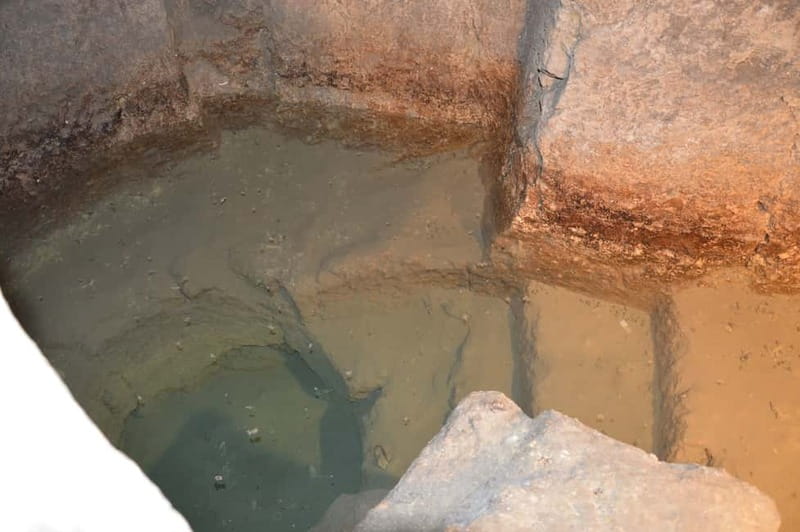
Your first major content stop is at the Temple of Athena. You get a photo stop, then a guided visit with a total time allotment of about 30 minutes here.
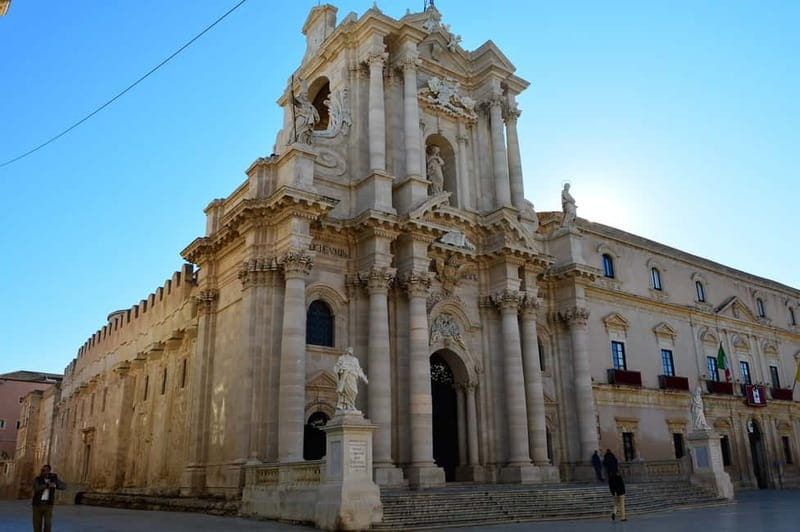
What makes this stop click is the way the city reused ideas and materials over centuries. Syracuse’s big headline is that pagan and Christian worlds overlap in the same places. You’ll later see how that story continues with the Cathedral of Syracuse, which is connected to the older Temple of Athena. The guide’s explanations help you notice details that you’d likely miss on your own.
If you care about architecture (Greek forms, Roman additions, later Christian layers), this is the heart of the tour. Even if you’re not an architecture nerd, the guide will point out what to look for so you can translate the building into a timeline.
Walking the “labyrinth” streets on Ortigia side
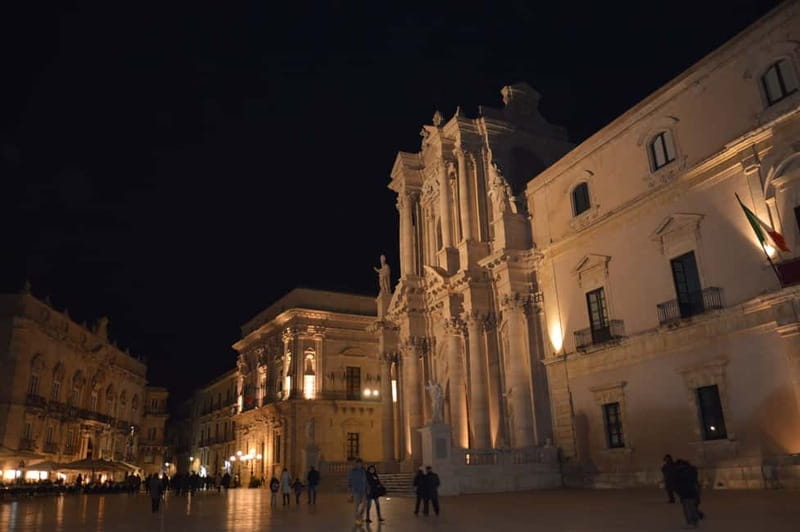
After the Neapolis portion, you’ll move into Ortigia, the lime-white island that gives Syracuse its postcard look. The itinerary includes a guided walk through ancient-feeling lanes, where the city’s history shows up as street layout and reuse, not just monuments behind ropes.
Ortigia is especially good for getting your bearings. When you arrive here after Neapolis, you can feel the shift from classical ruins and theater geometry into the lived-in rhythm of the island: churches, courtyards, and small streets that bend and narrow like they’ve always been that way.
This is also where the tour format helps. Because it’s a private group (up to 5), you can ask questions without the usual “one quick answer and move on” pressure.
Cathedral of Syracuse: the pagan temple story made visible
You’ll also see the Cathedral of Syracuse, and the guide will explain how it incorporates the older Temple of Athena. That blending isn’t just a cool fact; it changes how you read the building.
When you hear the guide’s breakdown of architectural styles, the Cathedral starts to look like a layered record—Greek foundation logic, shifting religious purposes, and later design changes. If you’ve ever wondered why old cities feel like they overlap instead of replacing themselves cleanly, Syracuse is a strong example.
It’s worth pausing here and letting the guide point out what’s actually visible. Without that kind of explanation, you can miss the connection and just see a major church.
You can also read our reviews of more guided tours in Syracuse

Neapolis Archeological Park: the theaters and the big-city feel

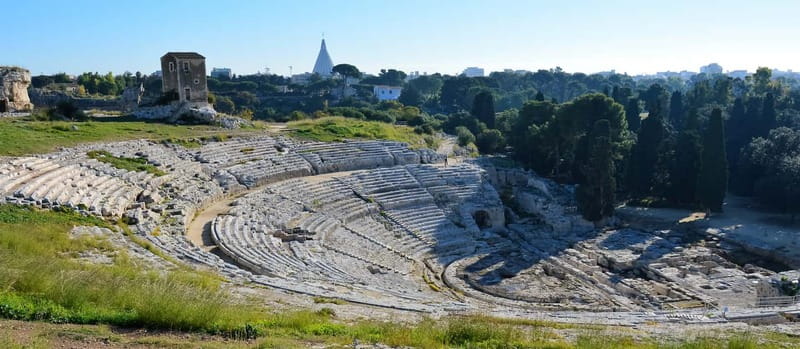
The tour continues into the Archeological Park areas in Neapolis, where Syracuse’s “capital of the Mediterranean” legacy shows up through sheer scale. You’ll see the Greek Theater with views toward the Ionian Sea, plus the Roman Amphitheater as part of the picture the guide builds for you.
The theaters are not just dramatic scenery. They’re about how public life worked—music, performance, civic identity, and (often) power. When your guide links the theater spaces to earlier Greek religion and later Roman uses, it becomes easier to imagine the days when these places weren’t ruins, but operating stages.
Also, these are the sites where the headset matters most. Your attention will bounce between the guide’s explanation and the view lines, and audio clarity keeps your understanding from lagging behind.
A quick note on pace and time
This is a 3-hour tour, and the route includes both Neapolis and Ortigia. That means you’ll get smart focus rather than slow wandering. If you prefer to linger, you may want to schedule extra free time afterward on Ortigia.
Paradise Latomia and the Ear of Dionysos: why this site feels strange in the best way

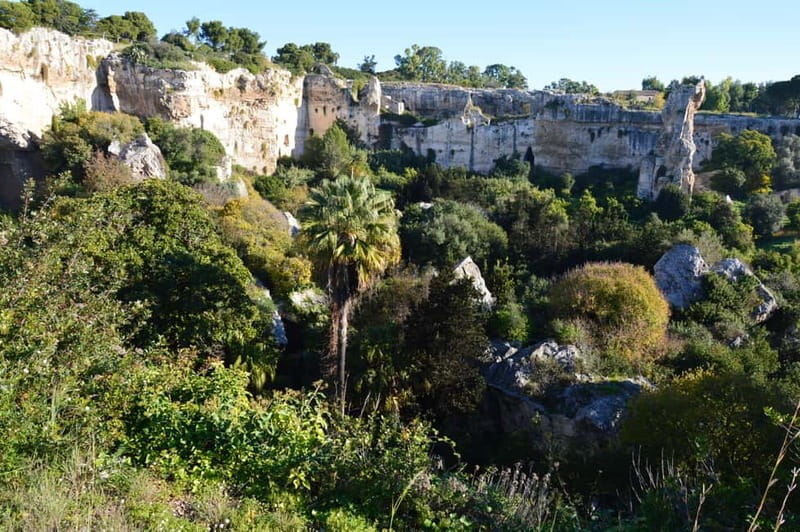
One of the standout parts of the tour is the time tied to the Paradise Latomia and the Ear of Dionysos. Even if you only know Syracuse from famous Greek-era stories, these stops add a real-world feeling for how the landscape and sound-related features were used.
The Ear of Dionysos is the sort of place where you’ll want to understand the purpose before you form opinions. The guide’s role here is crucial: you’ll learn what the feature is and why it belongs in this specific area of the park, instead of treating it like a random scenic spot.
The Paradise Latomia area also helps connect the dots between myth, function, and the physical shape of the site. You’ll come away with a clearer sense of why visitors talk about Syracuse as more than just a pretty coast—it’s a place where engineering and belief meet.
The Ionian Sea viewpoints: where the city’s geography does the talking
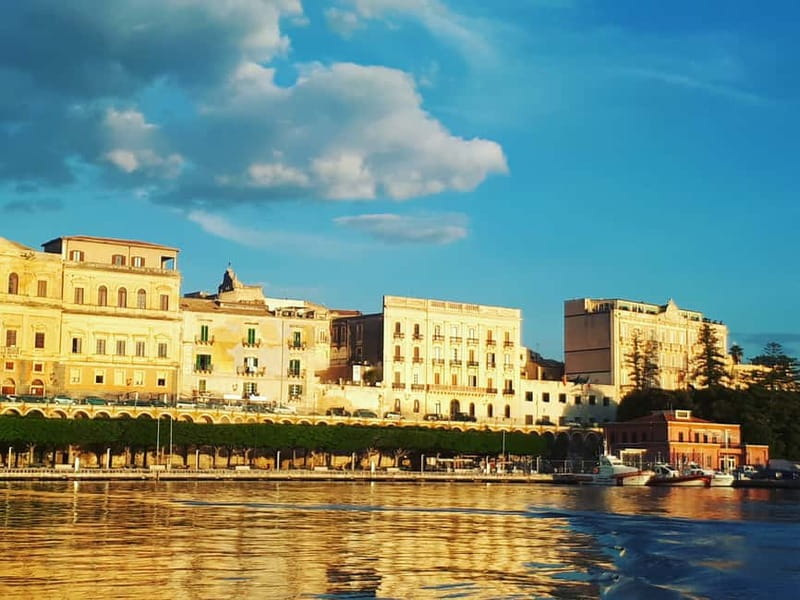
The route includes views from the Greek Theater toward the Ionian Sea. This is one of those “don’t rush the frame” moments. The coastline view gives you scale and helps explain why Syracuse mattered—trade routes, sea access, and the practical reasons a city would grow where it did.
You don’t need to be a geography expert to benefit from this. Just take a moment to look while your guide connects the sight to the historical story.
Guides and storytelling: the human factor that drives reviews

This is where the experience earns its high satisfaction. The tour’s guide quality comes up again and again, with names like Marcelo, Anna, Laura, Giuseppe, and Rosanna showing up as examples of guides who can turn architecture and history into something you actually follow.
Across those feedback notes, a few patterns repeat:
- The guides build clear timelines from Greek origins through later occupations and rule changes.
- They answer questions in a way that fits the audience, including kids, with parents pulled into the explanation too.
- The energy stays steady even if the weather changes.
That last point is practical. Sicily weather can swing, and if you’re with a guide who can keep the tour flowing, your experience stays smooth.
Price and value: what 317.20 per group really buys you
The listed price is $317.20 per group (up to 5) for about 3 hours. For a private group, that’s often in the “not cheap, but reasonable if it fits your priorities” category.
Here’s the honest value math:
- You’re paying for a licensed guide and a headset system, not just a map and an audio app.
- You’re also paying for time savings with the skip-the-line element.
- What you’re not paying for: monument entrance fees and food/drinks.
If you’re traveling as a small group of 2–5, the price tends to feel more fair because the cost per person drops, and you get private pacing. If you’re solo, it can feel like a lot compared to shared tours, so consider whether you truly want Neapolis plus Ortigia in a single guided package.
One more budgeting note: one set of feedback specifically called out Archeological Park admission at about 13 euros per person. Since entrances aren’t included, you should plan for similar charges.
What to bring and how to make the most of the 3 hours
This tour is outdoors and involves walking. Wear comfortable shoes, and bring a hat and bottle of water. That’s not just generic advice. Sun and uneven surfaces in and around the park areas can slow you down if you’re not ready.
If you’re visiting with kids, this tour can work well. The guide is set up to involve children of all ages, with explanations directed in a way that keeps adults engaged too.
Who should book this Syracuse: the best fit
This guided walk is a strong match if you want:
- A focused introduction to Greek Syracuse through the physical sites
- The connection between Temple of Athena and the Cathedral of Syracuse
- The theater-and-sound stops at Paradise Latomia and the Ear of Dionysos
- A private, small-group experience where questions don’t get shut down
It may be less ideal if you’re looking for long, unstructured wandering or if you hate any walking between Neapolis and Ortigia. You’ll cover a lot for 3 hours, and the payoff comes from the guide’s structure.
Should you book this Syracuse: Ortigia and Neapolis tour
I’d book it if Syracuse is one of your “must see” stops and you want the city to make sense fast. The combination of Neapolis Archeological Park (with theaters and key features) plus Ortigia gives you the full Syracuse picture without spending the day hopping between different tour providers.
I would hesitate if entrance fees feel like too much extra budget, or if your ideal pace is slow strolling with minimal listening. In that case, you can still enjoy the sights, but you’ll get less value from paying specifically for interpretation.
If you like your history with clear explanations, and you want a guide who can turn stone and street layout into a story you remember, this one is a solid choice.