REVIEW · TOKYO
Tokyo Private Customized Walking Tour (Option Car Tour Available)
Book on Viator →Operated by Guydeez · Bookable on Viator
Tokyo can feel like a video game you forgot to load. This private tour style turns the noise into a plan you can actually follow, with a local guide who shapes the day around your interests. You pick the time window, and you can walk or upgrade to a car when your feet (or your schedule) need a break.
I especially like two things: hotel pickup within Tokyo (so you’re not fighting train transfers right at the start) and the way the guide helps with practical sightseeing tasks like ticket booking assistance. You’re not just seeing spots—you’re learning how to move through Tokyo with confidence.
One thing to watch: it’s designed to be flexible, so your final route depends heavily on what you request and how much walking you can handle. If you choose a short duration, you’ll still have a great day, but you may not fit every neighborhood and every big temple.
In This Review
- Key Highlights You’ll Feel Immediately
- Private Tokyo Touring: The Real Benefit Is Control
- Walking Plan vs Car Option: Where Tokyo Distance Changes the Day
- How Your Day Starts: Pickup, Meeting Up, and Getting Oriented
- Shinjuku, Harajuku, and Shibuya: A Powerful First Neighborhood Set
- Meiji Shrine: History plus real-world etiquette
- Shinjuku station to the streets: learning the routes
- Harajuku: the street vibe, not just the skyline
- Shibuya Crossing: the classic finale (with a plan)
- Asakusa and Tsukiji: Temples and Early-Morning Market Energy
- Sensoji Temple in Asakusa
- Tsukiji-area market timing matters
- Imperial Palace, Ginza, and Tokyo Tower: Icons with Less Chaos
- Imperial Palace area: photos and a smart lunch idea
- Tokyo Tower and Ginza: skyline + high-street contrast
- Yanaka and Local Stations: Where Tokyo Feels Like a Neighborhood
- Food, Shopping, and the Helpful Extras That Actually Matter
- Ramen and casual dining suggestions
- The “right spot for lunch” effect
- Shopping advice that fits your goal
- Transport coaching that lasts
- Optional help beyond the core tour
- Price and Value: Is $52.19 Worth It?
- Who Should Book This Tour (and Who Might Want Another Plan)
- Should You Book This Private Tokyo Walking Tour?
- FAQ
- How long is the Tokyo private customized walking tour?
- Is this tour private or shared with other people?
- Can I be picked up from my hotel?
- Can I travel by car instead of walking?
- Are attraction tickets included?
- Is food or drink included?
- What is the cancellation policy?
Key Highlights You’ll Feel Immediately
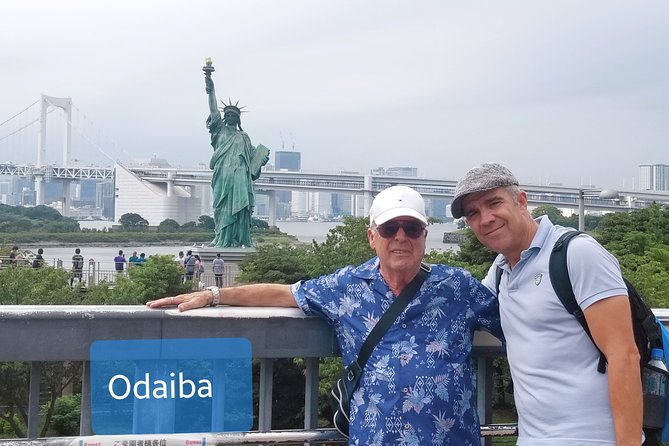
- Private, one-guide pacing that keeps you out of the crowd crush.
- Walking plus optional car when Tokyo distance starts to add up.
- Hotel pickup in Tokyo to reduce stress before you even start sightseeing.
- Ticket help included for attractions, even though attraction fees are not.
- Transit coaching built into the route, especially around major hubs.
- Real “Tokyo life” moments, from protocol at shrines to food stops and local-market wander time.
Private Tokyo Touring: The Real Benefit Is Control
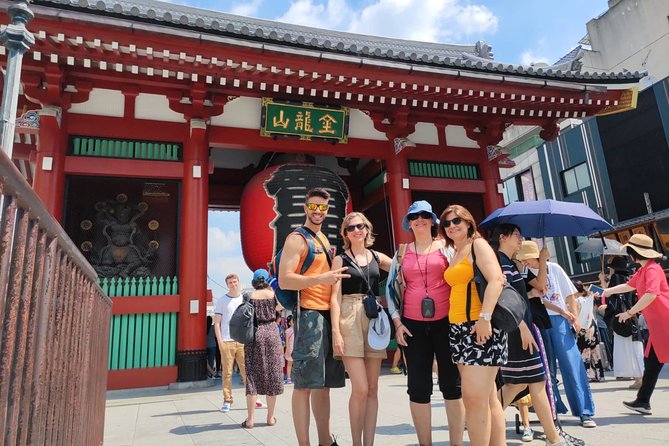
Tokyo is amazing, but it can also be mentally loud. A private walking tour gives you something you can’t buy with a group bus: control. You set the direction—temples, shopping streets, markets, museums, even ramen—and your guide shapes the route to match.
This is also the best way to learn the city while you’re there, not after you’ve already made wrong turns. Guides often use the day to show you how to read the system around your exact stops, which pays off the rest of your trip.
And because it’s private, you don’t have to pretend you’re fine with rushing. If you want more time at a shrine garden, or you’d rather trade one photo stop for a longer market walk, you can.
You can also read our reviews of more walking tours in Tokyo


Walking Plan vs Car Option: Where Tokyo Distance Changes the Day
The tour runs about 2 to 8 hours, and the distance math changes fast in Tokyo. A pure walking day can be perfect for first-timers—when your legs are ready and your goal is “learn the neighborhoods.” If you’re short on time, traveling with kids, or you’re dealing with jet lag, the car upgrade can be the difference between a “great day” and a “why are we still moving” day.
A simple rule of thumb:
- For 2 hours, expect a tight loop: one major area and a couple of highlights.
- For half-day to full-day, you can stack multiple neighborhoods—temple + shopping + viewpoint + transit coaching—without feeling like you’re speed-running.
Guides also tend to tailor how you move. In dense areas like Shinjuku and Shibuya, that often means walking where it makes sense and using rail for connections so you’re not crossing streets like a pinball.
How Your Day Starts: Pickup, Meeting Up, and Getting Oriented
Hotel pickup within Tokyo is a big practical win. It reduces the “where do we meet” friction that can drain the first hour of a sightseeing day. It also helps when your hotel is in a convenient-looking area that still requires multiple transfers.
From there, you typically get a guide who treats the day like a plan, not a checklist. In past tours, guides have been easy to reach through messaging tools, and they’ll often help you navigate tricky stations—especially Shinjuku, which can be a maze when you’re new.
A second practical point: most days aren’t just walking around famous landmarks. You’ll get advice on how to get from stop to stop using public transport, so after the tour you’re not trapped in “tour mode.”
Shinjuku, Harajuku, and Shibuya: A Powerful First Neighborhood Set
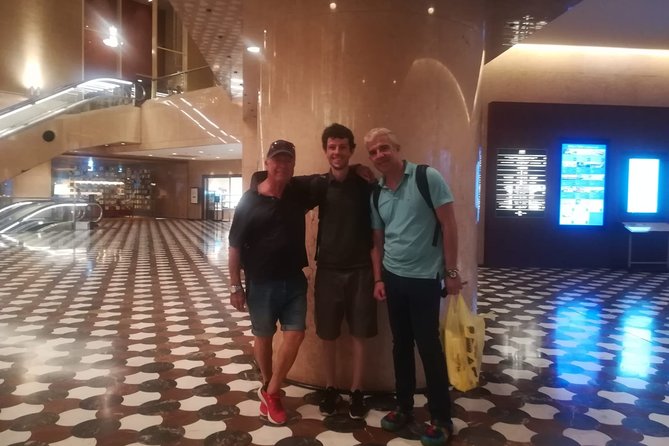
If you want Tokyo’s “wow” in a smart order, this is often the backbone. Many customized days begin in the Shinjuku area, then connect to other iconic districts like Harajuku and Shibuya.
Meiji Shrine: History plus real-world etiquette
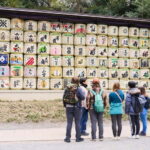
One of the most praised stops is Meiji Shrine, because it’s not just a photo op. Guides often walk you through the meaning behind the space and how to behave there. You may also get small details that make the place feel more respectful and less like a background set.
If your timing lines up, you might even catch rare ceremonial moments. In one tour, the group witnessed traditional Japanese weddings while they were there—one of those “only in Tokyo” surprises that makes a day memorable.
You can also read our reviews of more private tours in Tokyo


Shinjuku station to the streets: learning the routes
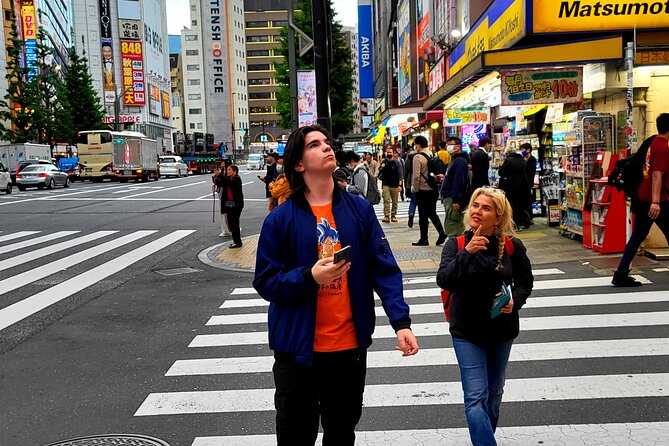
Shinjuku is hard when you’re on your own. A private guide makes it simpler by helping you get your bearings quickly, then showing you the correct paths through station chaos. That kind of coaching is especially valuable because it sticks. After you learn it once, you can repeat it later.
Harajuku: the street vibe, not just the skyline
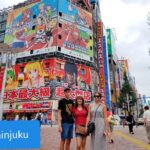
Harajuku is where you see Tokyo’s pop-culture energy. A guide can steer you through the right streets for what you want—fashion browsing, people-watching, or just a pleasant walk that doesn’t waste time.
Shibuya Crossing: the classic finale (with a plan)
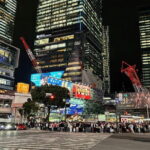
Shibuya Crossing is famous for a reason, but crowds can make it feel like a rush. With a private guide, the stop often works better because you can get oriented before you step into the flow. You can also ask for the best angles for photos without feeling pushed.
Asakusa and Tsukiji: Temples and Early-Morning Market Energy
If you prefer Tokyo that feels older and more human, build your day around Asakusa and Tsukiji-area stops.
Sensoji Temple in Asakusa
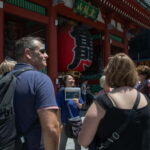
Sensoji Temple is one of Tokyo’s major cultural magnets, and it works even better with a guide who understands crowd behavior. You’ll learn what to focus on so you don’t spend the whole visit threading around people.
This is also where Tokyo’s layers show up: the sacred space and the street-level energy outside it. Guides often help you connect those dots so the area feels meaningful, not just scenic.
Tsukiji-area market timing matters
Markets can be packed, so timing is everything. In one half-day plan, the guide suggested meeting at 8:00 AM specifically to avoid heavy crowding—and that early start made the difference between enjoying the market and just surviving it.
Even if you don’t go into every stall, you’ll usually walk through the main streets with a guide’s eye for what’s worth your time. It’s a great area for souvenir shopping ideas too, especially if you want food gifts that don’t look like generic tourist copies.
Imperial Palace, Ginza, and Tokyo Tower: Icons with Less Chaos
Tokyo’s big landmarks don’t have to feel like a conveyor belt. With a private guide, you can pick photo spots and routes that reduce backtracking, then switch to shopping areas when you’re ready.
Imperial Palace area: photos and a smart lunch idea
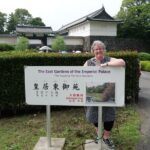
Some tours include a stop near the Imperial Palace area, with guidance on where to position for photos. In one memorable day, the guide recommended a box lunch outside the Imperial Palace, which turned the landmark time into a relaxed break instead of another quick stop.
If Imperial Palace is on your list, this kind of planning is worth it. You get the landmark without the “run here, stand there, leave” feeling.
Tokyo Tower and Ginza: skyline + high-street contrast
Tokyo Tower is a classic view marker, and it pairs well with Ginza later because you can go from skyline photos to browsing shops right after. One tour using the car option included both, and it worked smoothly because the route didn’t force long transfers across peak times.
Ginza is also a good place for shopping if you want that polished Tokyo experience—still, it’s nice to have a guide because it’s easy to waste time there if you don’t know what you’re looking for.
Yanaka and Local Stations: Where Tokyo Feels Like a Neighborhood
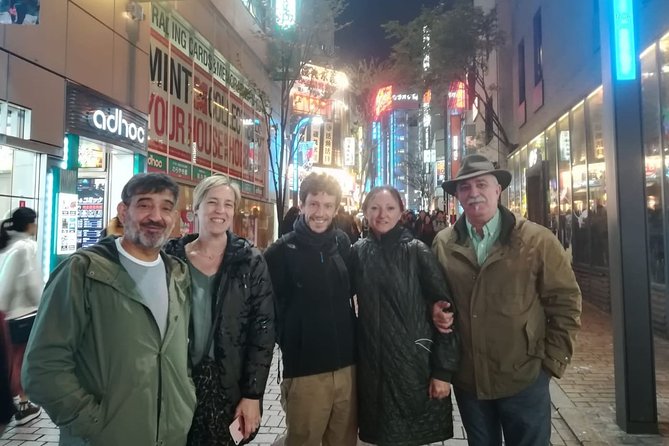
Not every Tokyo day needs the biggest icons. Some of the most loved experiences take you toward the quieter, older-feeling parts of the city—places like Yanaka and local market areas near Ueno.
One guide took a group from Ueno Station to a nearby street market, then walked onward toward Nippori Station. The result was a route that felt tailored and local rather than just “sightseeing with a camera.”
Yanaka in particular is popular for its slower pace and traditional streets. Even if you only spend a couple of hours there, it changes your Tokyo story. Instead of only seeing what’s famous, you get a sense of how the city lives between the landmarks.
Food, Shopping, and the Helpful Extras That Actually Matter
A big reason people love this tour format is the food and practical guidance baked into the day.
Ramen and casual dining suggestions
You can expect stops that match your preferences, from quick bites to more sit-down meals. The tour doesn’t include food, but guides often recommend places that fit your route so you’re not searching hungry.
The “right spot for lunch” effect
In real city sightseeing, lunch timing is chaos. A guide who knows where to stop—like a box lunch spot outside the Imperial Palace—helps you keep the afternoon from turning into a scramble.
Shopping advice that fits your goal
Some guides give specific shopping neighborhood recommendations. If you’re shopping for gifts (or shopping with family), that kind of advice can prevent a whole afternoon lost to wandering.
Transport coaching that lasts
One of the most practical parts of these tours is learning the system as you go. People often mention leaving the tour feeling confident using trains and subways afterward, which is exactly what you want from a guided day in Tokyo.
Optional help beyond the core tour
Some guides have gone beyond the basics—like helping people navigate onward travel plans. For example, in one Shinjuku-focused tour, the guide helped with bullet train tickets to Osaka. That doesn’t mean every guide will handle your next booking, but it’s a nice signal that they take your trip seriously.
Price and Value: Is $52.19 Worth It?
At $52.19 per person, this tour isn’t expensive for private time in Tokyo—especially when you factor in a guide who custom-builds your route and helps with attraction ticket booking.
Here’s the value math that matters:
- You pay for one-to-your-group time, not a shared bus.
- You get hotel pickup, which can save time and reduce early-trip stress.
- You also get ticket assistance for attractions, which is useful when you’re trying to do things correctly the first time.
- Food and drinks are not included, and attraction tickets cost extra, so plan a realistic daily budget on top of the tour price.
The car option changes value in a good way if you’d otherwise lose time to transfers. If you’re determined to cover multiple districts in limited hours, paying for the car can reduce fatigue and make the day feel longer—even if the official duration is the same.
Who Should Book This Tour (and Who Might Want Another Plan)
This tour style fits best if you want:
- A first trip to Tokyo and you don’t want to figure everything out alone.
- A short layover or limited schedule where you need a smart, efficient day.
- A group that values flexibility: you want temples, neighborhoods, and food, but not necessarily all of them in the same order.
- Someone to help you handle station complexity and public transport.
It may not be ideal if you want a rigid route with no choices. Because it’s personalized, your outcome depends on what you tell your guide and how much you want to customize.
It’s also a good pick for most visitors because it’s built around walking with the option to reduce strain with a vehicle upgrade. And if you have specific needs, note that service animals are allowed and the meeting point is near public transportation.
Should You Book This Private Tokyo Walking Tour?
I’d book it if you want Tokyo without the mental overhead. The strongest reason is that you’re buying time savings and better decisions—where to go, how to move between areas, and what to prioritize when Tokyo has too many “must-see” options.
Choose it confidently if your list includes at least one of these:
- Meiji Shrine-style shrine time and cultural etiquette
- Shinjuku/Harajuku/Shibuya loops with real transit coaching
- Asakusa temple vibes and a market stop with good timing
- Icon landmarks paired with shopping areas like Ginza
- Slower, local-feeling neighborhoods such as Yanaka or market walks near Ueno
You might hold off if you’re determined to do everything independently with zero guidance. But if you like the idea of a tailored day that helps you move smarter—and learn how Tokyo works while you’re in it—this is one of the most practical ways to see the city.
FAQ
How long is the Tokyo private customized walking tour?
The tour lasts about 2 to 8 hours, depending on the option you choose.
Is this tour private or shared with other people?
It’s private. Only your group participates.
Can I be picked up from my hotel?
Yes. Hotel pickup within Tokyo is included.
Can I travel by car instead of walking?
Yes. You can take the walking tour, or you can upgrade to a private vehicle option.
Are attraction tickets included?
No. Tickets to attractions are not included, though the guide provides assistance with booking tickets.
Is food or drink included?
No. Drink or food is not included.
What is the cancellation policy?
You can cancel for a full refund up to 24 hours in advance. If you cancel less than 24 hours before the start time, the amount paid is not refunded.