REVIEW · OSAKA
Osaka Walking Tour
Book on Viator →Operated by ALL STAR OSAKA WALK · Bookable on Viator
Osaka can feel confusing on day one. This 3-hour small-group walk strings together Osaka Station orientation, Shinsekai street food, and an end at Ebisu Bridge so you understand the city’s neighborhoods fast.
I especially like that you get a real taste of local life through Kushikatsu (plus 1 non-alcoholic drink) without turning it into a full-on food crawl. The other big win is the guide experience: many guides are praised for clear English and a calm, practical pace. One drawback to weigh: it is not an attraction ticket buffet. You’ll likely pay your own subway fare (adult/youth 430 yen; child 220 yen) and the included food is one snack, not multiple meals.
In This Review
- Key things to know before you go
- Getting oriented at Osaka Station City (and why it matters)
- Shinsekai and Kushikatsu: Osaka’s street-food personality, up close
- Subway like a local, but with one fee in mind
- From alley stops to commercial streets: how Osaka lives between landmarks
- Finishing at Ebisu Bridge in Dotonbori: the easiest place to keep going
- Guides matter: what the best ones consistently do
- Price and value: does $53.06 make sense?
- Practical tips to make the walk easier
- Should you book this Osaka walking tour?
- FAQ
- How long is the Osaka walking tour?
- What is the price per person?
- Where do I meet the guide?
- What is included with the tour?
- Do I have to pay for the subway?
- Does the tour run in the rain?
- How large is the group?
- Is insurance included?
Key things to know before you go
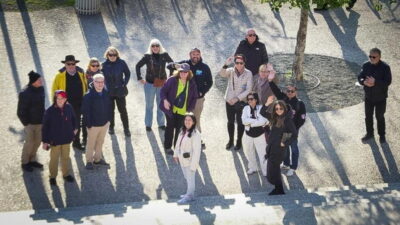
- Small group size (max 10): less waiting, more chances to ask questions.
- Osaka Station start: you begin in the right place to navigate later, especially around Umeda.
- Shinsekai for Kushikatsu: deep-fried Osaka comfort food is the main culinary moment.
- A subway ride is part of the plan: plan on covering the subway fee yourself.
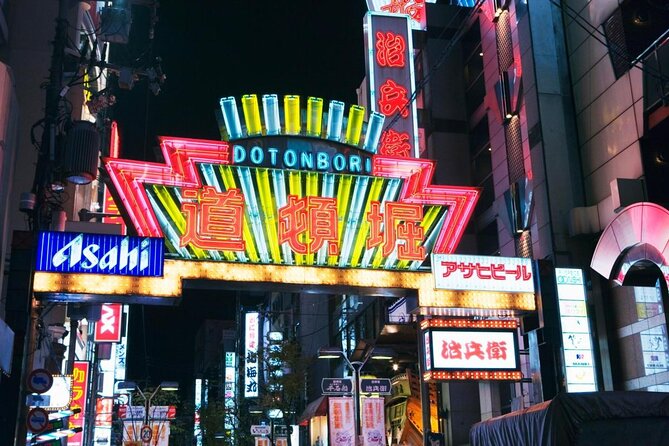
- Ends at Ebisu Bridge in Dotonbori: you finish in the easiest zone to keep exploring.
Getting oriented at Osaka Station City (and why it matters)
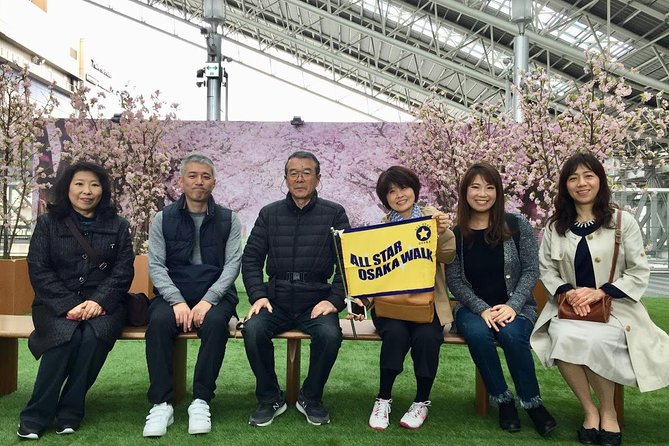
Your morning starts at the Osaka Tourist Information Center at JR Osaka Station (Umeda), central gate side. Plan to arrive early: you meet at 9:50 am and the tour starts exactly at 10:00 am. The guide holds a yellow All Star Osaka flag, so you can spot the group quickly.
This is a smart way to begin, because Osaka Station is one of those places where you can lose time even if you’re good at trains. Starting here helps you understand the geography of the area before you move into the older, more street-level parts of the city.
The tour spends about 45 minutes in the Osaka Station City area. This is a practical block of time. You’re not just standing around looking at buildings; you’re getting a guided sense of how the transit hub connects to the rest of Osaka. That matters because the rest of the route relies on you moving efficiently between neighborhoods.
If you’re tight on time in Osaka, this early orientation can save you energy later. You’ll have a mental map for where things are, so you can make better choices for dinner and evening strolls.
You can also read our reviews of more walking tours in Osaka

Shinsekai and Kushikatsu: Osaka’s street-food personality, up close
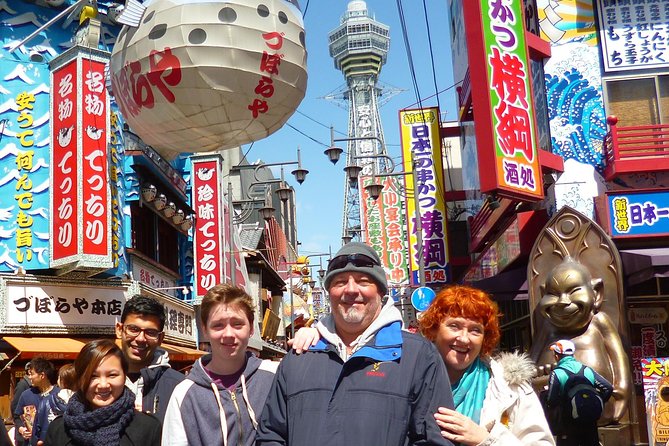
After the station area, you head to Shinsekai, one of Osaka’s most distinctive downtown districts. This is the part of the city that feels like it belongs to a different era, with restaurant signs, snack counters, and side streets that pull you in.
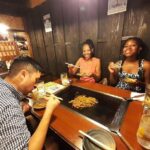
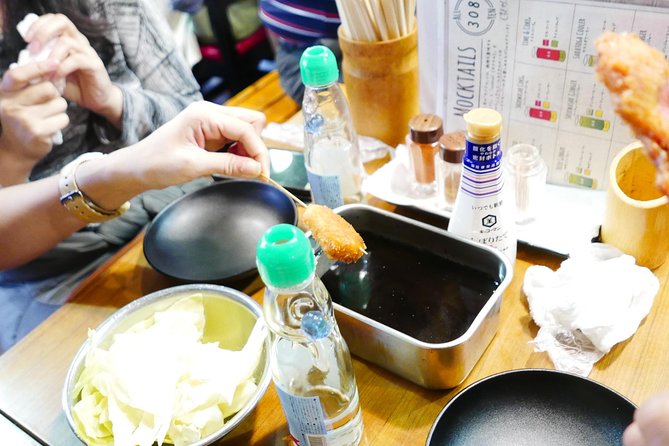
The tour focuses on Kushikatsu, a deep-fried snack commonly served on skewers. At the Shinsekai stop, you’re taken to a restaurant where the snack is part of your included tasting. You also get 1 non-alcoholic drink, so you’re not just “sampling” with nothing to wash it down.
What I like about this approach is that it teaches you how Osaka does casual food. You’re not asked to order like a food critic. You’re guided into the habit of eating street-style: grab a bite, talk with your guide about what you’re seeing, and keep moving.
A couple of review details point to what this moment can feel like on the ground. Some people mention a unique dining setup, like being served in a space that feels more themed than typical storefront dining. Even when the presentation varies slightly, the core value stays the same: you get the local specialty as a true stop, not an afterthought.
Possible consideration: the inclusion is one snack (Kushikatsu) and one non-alcoholic drink. If you’re expecting a multi-stop food tour with lots of different dishes, you may want to plan additional food stops on your own after the tour ends.
Subway like a local, but with one fee in mind
This walk isn’t just strolling. You’ll also ride the subway as part of the route. That’s great for getting around Osaka efficiently, especially if you’re new to the system.
Here’s the key practical note: the subway fee is not included. The tour data lists adult/youth at 430 yen and child at 220 yen. So before you meet, it helps to have some yen ready, because you don’t want to scramble for the right fare while your group is moving.
Also remember that the tour uses escalators and some steps. If you’re traveling with a stroller, the instruction is to mind the baby while moving through stairs. In other words: comfortable shoes help everyone, but stroller users should expect a bit of hands-on navigation.
From alley stops to commercial streets: how Osaka lives between landmarks
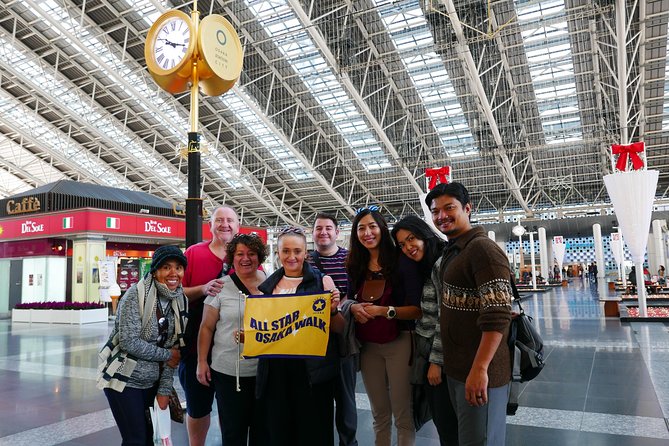
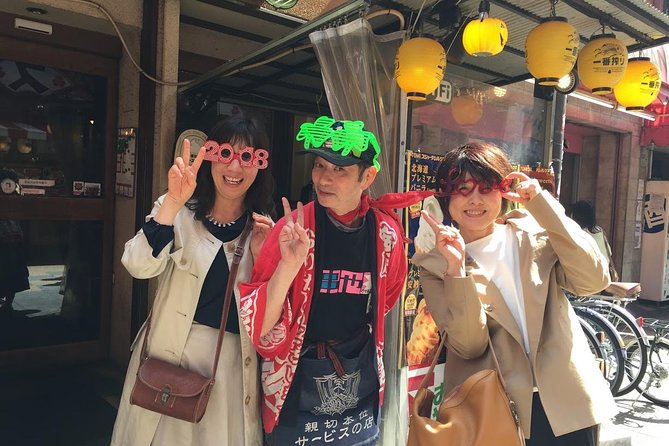
The middle of the walk is where Osaka starts to feel less like a checklist and more like a city you can read. You pass through a small attractive alley lined with restaurants, then continue through a lively commercial zone with shops and theaters and flashy signage.
These sections are easy to miss if you go solo, because they don’t always have the “big monument” energy. But that’s exactly why a guided route helps. You’re shown what to pay attention to: street layout, how storefronts are grouped, and where people actually spend time.
This is also where the guide’s personality can make a difference. Many guides are praised for being easy to talk to and for answering questions on the spot. One reviewer specifically praised how the guide helped with practical orientation and directions for getting back to where they needed to go, including a cruise ship situation. Even if your trip doesn’t involve a cruise, the point is useful: good guides don’t just explain history; they help you plan the next steps.
One small caution: if you’re hoping for constant major-sight stops, this tour includes plenty of neighborhood moving. That’s part of its charm, but it means you’ll want to stay comfortable with walking and short transitions.
Finishing at Ebisu Bridge in Dotonbori: the easiest place to keep going
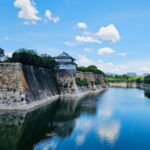
The tour ends after about 3 hours, at Ebisu Bridge (Ebisu-bashi) in Dotonbori. This location is convenient for two reasons.
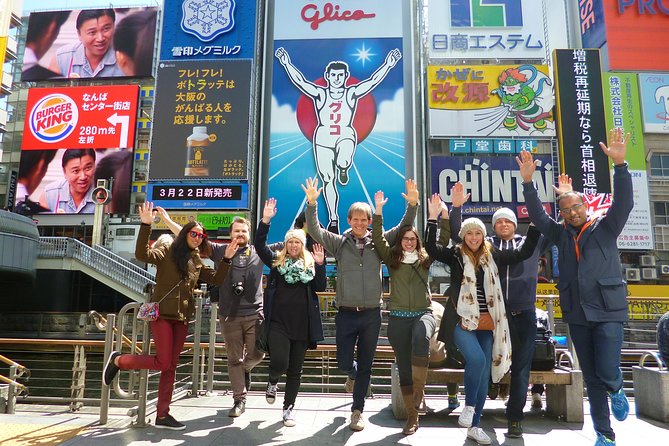
First, it puts you right into one of Osaka’s most famous evening areas, so you can roll straight into dinner and lights without backtracking. Second, finishing on a bridge landmark gives you a clear end point that’s easy to recognize when you’re separated from the group later.
Ebisu Bridge also acts like a social cue. You’ll likely hear more street energy here than earlier in the day. It’s a good ending because it rewards your effort: you’ve spent the morning learning the city’s structure, then you land in the place where Osaka’s “see and do” energy is loud.
If you’re building a one-day Osaka plan, this finish is an advantage. You can schedule your next activity around Dotonbori rather than around your morning meeting point.



Guides matter: what the best ones consistently do
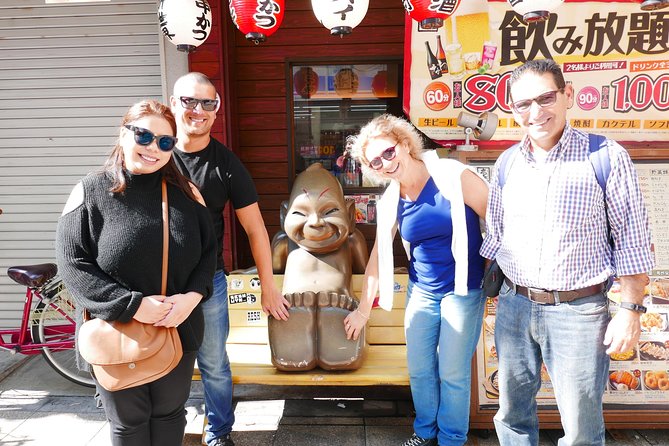
Since this is a small-group tour (maximum of 10 travelers), your guide becomes a bigger part of the experience than on larger bus tours. The best feedback in the information you have points to guides who are:
- clear in English
- patient with questions
- good at explaining what you’re seeing without rushing you
Several guide names come up in the feedback: Hideoki, Mikano/Minako, Harry (Hide), Rika, Yahiro, Kaori, Ichi, Ichiro, and Keiko. People describe guides as professional and easy to talk to, with a pace that feels comfortable.
One review mentions the guide keeping things indoors more on a hot day, which is a smart tactic for anyone traveling in summer heat. Another mentions a well-managed, no-pressure pace—perfect when you’re balancing jet lag and you only have a few hours.
Potential drawback to consider: one piece of feedback mentions the guide/company encouraging frequent photos for social media. If you’re camera-shy, it’s worth knowing that photo moments can be part of the experience style.
Price and value: does $53.06 make sense?
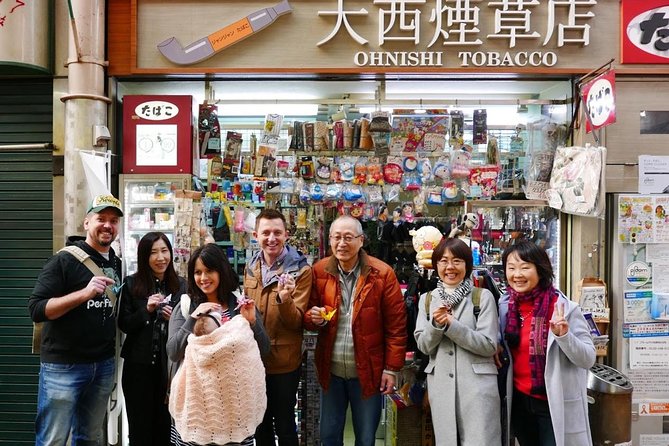
At $53.06 per person, you’re paying for three main things:
- a guided route through key neighborhoods
- an included snack moment (Kushikatsu), plus 1 non-alcoholic drink
- small-group attention from a local guide
That’s fairly good value if you’re the kind of traveler who wants orientation plus one local food highlight. The tour is also timed well: with a 3-hour duration, it works as a first-day activity when you don’t yet know which areas you’ll want to return to.
Where the price can feel less satisfying is if your goal is a longer food experience or lots of paid attractions. Because the subway fare isn’t included and the food included is one tasting, you may still spend extra if you want more meals or multiple snacks.
For many people, that trade-off is fine because the tour gives you direction. You’re not just eating; you’re learning where to go next.
Practical tips to make the walk easier
A few simple things can make this tour feel smooth rather than stressful:
- Wear comfortable walking shoes. The tour notes a moderate amount of walking and includes escalators and some steps.
- Bring yen for the subway fare (430 yen adult/youth; 220 yen child).
- Arrive a little early so you don’t get stuck inside Osaka Station’s many corridors.
- If you’re traveling with a stroller, expect some stair-related moments and plan to keep hands free.
- The tour runs rain or shine, so pack a light rain layer if the forecast looks messy.
Also, the tour uses a mobile ticket, so have your phone charged before you leave. The confirmation is sent at booking time, which is helpful when you’re juggling multiple reservations.
Should you book this Osaka walking tour?
I think you should book this walk if you want a fast, friendly way to understand Osaka’s layout without feeling like you’re dragging your luggage from one attraction to the next. The combination of Osaka Station orientation, a real taste of Kushikatsu in Shinsekai, and a high-energy finish at Ebisu Bridge works well for first-timers and for anyone who only has a short window.
Skip it or go in with your expectations adjusted if you’re looking for a food-heavy tour with lots of different dishes and more paid sights. This one is more about local neighborhood context plus one iconic snack, with the subway ride handled as part of the route (but paid by you).
If you like guided walking, small groups, and clear English explanations, this is a strong start to an Osaka stay.
FAQ
How long is the Osaka walking tour?
The tour is about 3 hours.
What is the price per person?
The price is $53.06 per person.
Where do I meet the guide?
Meet at the Osaka Tourist Information Center at JR Osaka Station. The guide is there at 9:50 am, and the tour starts at exactly 10:00 am.
What is included with the tour?
You get beverages (1 non-alcoholic drink), a food tasting of Kushikatsu, and a local guide.
Do I have to pay for the subway?
Yes. The subway fee is not included: 430 yen for adults and youth, and 220 yen for children.
Does the tour run in the rain?
Yes, it takes place rain or shine. If the experience is canceled due to poor weather, you’ll be offered a different date or a full refund.
How large is the group?
The tour has a maximum of 10 travelers.
Is insurance included?
No, insurance is not included.