REVIEW · TOKYO
Tokyo: Guided Walking Tour of Tsukiji Market with Breakfast
Book on GetYourGuide →Operated by True Japan Tour · Bookable on GetYourGuide
Fish, temples, and breakfast in one walk. I really like how this Tsukiji Hongwanji Temple start sets the tone, then turns into 7 tastings of classic Outer Market foods. I also love the feel of watching the market work as your guide steers you through stalls and busy wholesaler activity.
One thing to plan for: English can be clear, but at times it can be hard to catch every detail, especially when the group is moving fast. Still, the guides I’ve seen work around it with patience and translation support, so you shouldn’t worry you’ll miss the whole point—just keep your expectations realistic.
In This Review
- Quick hits before you go
- Starting at Tsukiji Hongwanji Temple, not a random sidewalk
- The Outer Market walk: how a guide makes the crowd feel manageable
- The tasting lineup: 7 market specialties that tell a story
- 1) Skewers: quick flavor, big value
- 2) Japanese-style omelette: comfort with a different texture
- 3) Tuna sandwiches: the market’s everyday side
- 4) Fried fish paste skewers: the snack that surprises people
- 5) Tea and dashi: the quiet power duo
- 6) A drink: keep moving
- Culture and religion in the details, not a lecture
- Guides matter: translation, patience, and tailoring your choices
- Logistics that actually affect your day
- Price and value: why $85 can be fair, not just a splurge
- Who should book this Tsukiji breakfast walk
- Should you book this Tsukiji Market breakfast tour?
- FAQ
- How long is the Tsukiji Market walking tour with breakfast?
- What does the tour cost?
- Where do I meet the guide?
- How do I get to the meeting point from Tsukiji Station?
- Is the tour guided in English?
- How many people are in a group?
- What food is included in the 7 tastings?
- What’s included besides the tastings?
- Is free cancellation available?
- What should I bring?
Quick hits before you go

- Temple exterior first: an ancient, Indian-inspired Buddhist-style façade before you hit the food.
- 7 tastings, not samples: skewers, omelette, tuna sandwiches, fish paste bites, plus tea and dashi.
- Small group (10 max): easier pacing when lines form in front of popular stalls.
- Culture through food: you’ll connect religion and everyday eating with what you taste.
- Guides who adjust on the fly: they can often work with preferences so you eat more of what you want.
Starting at Tsukiji Hongwanji Temple, not a random sidewalk
You’ll meet in front of Tsukiji Hongwanji Temple, right by Tsukiji Station on the Hibiya Line. From Exit A1, you turn left and walk about 50 meters to the temple entrance. That simple, predictable meeting spot is a big help when you’re arriving in a new city.
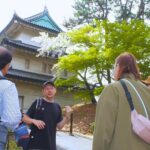
Why begin here? Because the temple façade gives you a quick cultural anchor before the market chaos. The exterior is described as ancient and Indian-inspired, and that detail isn’t just decoration—it helps you understand why food in Japan isn’t only about flavor. It also ties into routine, belief, and the way people respect places and practices.
Practical tip: wear shoes you can trust for uneven sidewalks and narrow lanes. You’ll be on your feet for the full 150 minutes.
You can also read our reviews of more walking tours in Tokyo


The Outer Market walk: how a guide makes the crowd feel manageable
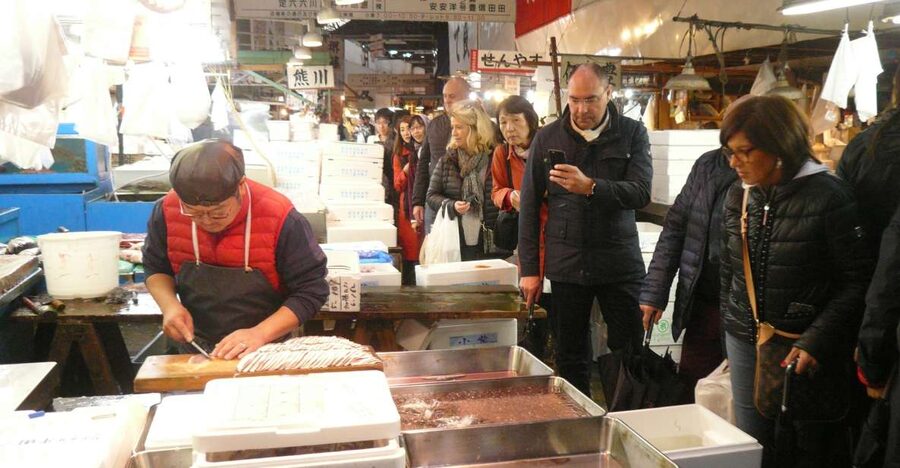
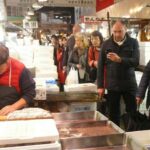
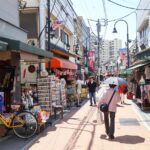
Once you’re in the Tsukiji Outer Market area, your guide does the heavy lifting—route, timing, and introductions to the right stalls. The Outer Market is one of the largest wholesale fish markets in the world, and it’s popular with food lovers. That means you’ll see plenty of people… but you’ll also notice something else: serious market work happening in plain sight.
This is where I like the structure. Without a guide, it’s easy to get stuck in front of a line and wonder what you’re actually looking at. With a guide, you learn how the businesses fit together—restaurants, shops, and vendors clustered in a way that reflects the market’s workflow. You also get a front-row view of wholesalers working at speed, which is part of why Tsukiji feels different from a normal street food scene.
Small-group pacing matters here. With 10 participants max, your guide can move people through tight spots and handle the moment when you need to hear an explanation over the sound of the market.
The tasting lineup: 7 market specialties that tell a story
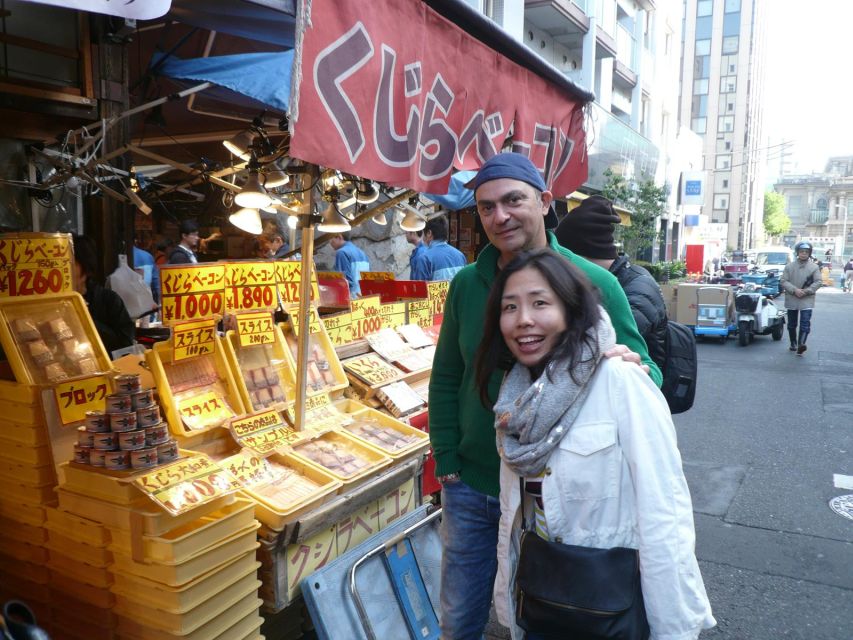
You’re paying for breakfast, but you’re also paying for context. The tastings aren’t random. They cover grilled items, seafood and beef options, egg-based comfort, fish paste snacks, and Japanese basics like tea and dashi.
Here’s what’s included in the 7 tastings (as listed for the tour):
- grilled seafood or beef skewers
- a Japanese-style omelette
- tuna sandwiches
- fried fish paste skewers
- a drink
- a sample of Japanese tea
- a sample of dashi soup stock
1) Skewers: quick flavor, big value
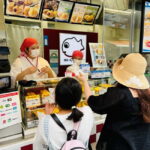
Skewers are one of the best ways to taste the market without slowing everything down. You’ll get grilled seafood or beef skewers, and you can use that first bite to calibrate how salty, smoky, and rich the vendors’ seasonings are. It’s also a good taste test for your own preference—if skewers hit for you, you’ll probably enjoy the rest of the lineup.
2) Japanese-style omelette: comfort with a different texture
A Japanese-style omelette tends to be soft and savory rather than crisp-and-battered. When you taste it on this tour, it acts like a palate reset between the more intense fish and grilled items.
You can also read our reviews of more guided tours in Tokyo



3) Tuna sandwiches: the market’s everyday side
Tuna sandwiches can sound simple, but in Japan they often taste like something carefully balanced. This stop helps you see how market ingredients become breakfast you can actually eat with one hand while walking.
4) Fried fish paste skewers: the snack that surprises people
Fish paste skewers aren’t always on every visitor’s menu at home. The tour’s fried fish paste bites are a chance to try something you might skip if you were ordering alone. If you’re the type who likes to push past the obvious choices, this is one of the stops worth planning around.
5) Tea and dashi: the quiet power duo
This is the part many people don’t expect to matter. You’ll get a sample of Japanese tea and a sample of dashi soup stock. Dashi is a foundational flavor base in Japanese cooking, so tasting it here gives you a clearer sense of what that depth tastes like before you meet it again in other meals around town.
6) A drink: keep moving
You’ll also get a drink as part of the tastings. On a walking tour like this, it helps you keep pace without needing to stop for refreshments.
Important note: the tour is a lot of food in a 150-minute walk. The best mindset is to show up hungry and let the tastings do what they’re designed to do.
Culture and religion in the details, not a lecture
One of the tour’s themes is how Japanese culture and religion connect to cuisine. You’ll feel that through the order of your experience—temple first, then food—and through what you taste afterward.
I like this approach because it avoids turning the market into a generic food parade. Instead, the guide helps you make sense of why certain ingredients and practices show up repeatedly. Even the presence of tea and dashi supports that idea. They’re not only flavors; they’re tools for balance, comfort, and everyday cooking.
And if you’re the type who enjoys explanations but doesn’t want a full classroom experience, this tour is usually a nice middle ground: short stops, clear points, then you move on.
Guides matter: translation, patience, and tailoring your choices
The guides are a major reason this tour scores well. Names that pop up in the experience include Rico, Yumi, and Minoko. More important than the name is the way they handle group dynamics in real time.
From what you can expect, guides tend to:
- adjust food choices based on what you’re comfortable trying
- help translate at the stalls so you understand what you’re getting
- guide you through lines while you’re tasting, not stuck waiting
One practical takeaway: if you’re picky, you’ll have a much better time if you say what you do and don’t want early. The tour’s setup makes it possible to shift the tastings so you’re not stuck forcing something that won’t work for you.
A second practical note: English can vary in clarity. At times, you may miss a detail when the market noise is high. Don’t let that intimidate you. The good guides compensate by checking in and making sure you’re set up to get the food you asked for.
Logistics that actually affect your day
This is a live English tour with a guide, built for walking. It’s also wheelchair accessible, and the group is limited to 10 participants, which helps with spacing and pacing.
What to bring is simple:
- comfortable shoes
- a water strategy (you’ll have a drink included, but extra water can be handy if you run hot)
Timing-wise, it’s a breakfast-oriented market walk. You’ll want to treat it as your first major meal of the day so you don’t sabotage the tastings with a heavy prior breakfast.
Price and value: why $85 can be fair, not just a splurge
At $85 per person for 150 minutes, you’re paying for more than food. You’re paying for:
- guided navigation through a high-scrutiny market environment
- coordination with vendors so you get 7 structured tastings
- translation support where it counts
- the ability to keep the walk efficient instead of wandering and guessing
If you tried to recreate it solo, you’d still pay for multiple items. The difference is you’d likely spend extra time searching, waiting, and not knowing what to order for a balanced breakfast route. Here, the tastings are built to cover seafood, beef, egg, and Japanese staples like tea and dashi—so you leave with a stronger sense of what Tsukiji is about.
For me, the best value sign is the mix: grilled skewers, tuna sandwiches, fried fish paste, and a couple of foundational Japanese flavors. It’s a smart sampling set, not random street bites.
Who should book this Tsukiji breakfast walk

This tour fits best if you:
- want a guided introduction to Tsukiji Outer Market without getting lost
- like breakfast that becomes a mini food education
- enjoy seeing how wholesaler activity looks when it’s working at speed
- want a small group setup that keeps the pace human
It’s also a solid choice for first-time visitors to Tokyo who want something more specific than a generic neighborhood walk. The temple start alone helps you feel grounded, and the tasting list gives you a clear payoff.
If you dislike lines, crowded areas, or heavy walking, you might find the market environment a bit much. But with a guide and a 10-person max, you’re still likely to have an easier experience than going completely on your own.
Should you book this Tsukiji Market breakfast tour?
I’d book it if you want a structured, food-focused morning that doesn’t require guessing. The mix of 7 tastings, the temple meeting point, and the chance to see wholesalers at work add up to a tight Tokyo experience.
Skip it if you’re only in the mood for light snacking or you strongly prefer freedom over guidance. You’ll be walking the full 150 minutes, and it’s designed for people who come hungry and ready to try what the market offers.
If you book, do one thing that improves everything: eat beforehand only lightly, wear good shoes, and tell your guide your do-not-try items at the start so they can steer you toward what you’ll genuinely enjoy.
FAQ
How long is the Tsukiji Market walking tour with breakfast?
The tour lasts 150 minutes.
What does the tour cost?
It costs $85 per person.
Where do I meet the guide?
Meet in front of Tsukiji Hongwanji Temple.
How do I get to the meeting point from Tsukiji Station?
From Tsukiji Station on the Hibiya Line, take Exit A1 and turn left. The temple entrance is about 50 meters away.
Is the tour guided in English?
Yes, the tour guide speaks English.
How many people are in a group?
The group is limited to 10 participants.
What food is included in the 7 tastings?
The tastings include grilled seafood or beef skewers, a Japanese-style omelette, tuna sandwiches, fried fish paste skewers, a drink, a sample of Japanese tea, and a sample of dashi soup stock.
What’s included besides the tastings?
A live tour guide is included.
Is free cancellation available?
Yes. You can cancel up to 24 hours in advance for a full refund.
What should I bring?
Wear comfortable shoes.