REVIEW · TOKYO
Tokyo Tsukiji Fish Market Food and Culture Walking Tour
Book on Viator →Operated by Japan Wonder Travel · Bookable on Viator
Three hours, one seafood education. This guided walk through Tsukiji Fish Market turns Japan’s eating culture into something you can actually see and taste, from temple history to market sights like uni and tuna. You’ll also get samples—so it’s not just looking around.
I love two things most. First, the food rhythm: you snack as you walk, then end with a real serving of sushi or a seafood bowl (plus lunch and snack are included). Second, the guide work matters in a place like this—many guests mention guides such as Kiyo, Naz, Miky, Kayoko, Shoko, and Joy helped them navigate the crowds and find the best-eating spots fast.
One consideration: this tour is fish-only by default. It can’t accommodate vegetarian, halal, gluten-free, or allergy-related requests, and if you can’t eat fish, you can’t join. Also, what you get at the end (sushi vs. seafood bowl) can depend on the day and timing.
In This Review
- Key takeaways before you go
- Meeting at Tsukiji Hongan-ji: get there early, get oriented
- Tsukiji Jogai Market: where the senses do the teaching
- Old Tsukiji Market stop: small food moments that keep you moving
- A pass by Tsukiji Uogashi: hundreds of fish, wholesale-style energy
- Tsukiji Fish Market wrap-up: sushi or a seafood bowl
- The temple and food connection: why this tour starts with culture
- Price and value: what $99.49 is buying you
- Who this tour is best for (and who should skip it)
- Practical tips that make the market day easier
- Should you book this Tsukiji Fish Market food tour?
- FAQ
- Where does the tour meet?
- How long is the tour?
- How much does the tour cost?
- Is a mobile ticket provided?
- What food is included?
- Do you serve sushi or seafood bowls?
- Can I join if I don’t eat fish?
- Is the tour suitable for vegetarians or people with dietary restrictions?
- What shoes should I wear?
- Are there days when parts of the market are closed?
Key takeaways before you go
- Temple start at Tsukiji Hongan-ji keeps the visit grounded in place and purpose
- Snack + lunch structure means you’re not stuck waiting for food later
- Guide support in a maze of stalls helps you spend time eating, not guessing
- Uogashi stop shows wholesale-side variety (when it’s open)
- Fish-focused menu rules out many dietary needs
- Small group max of 20 makes it easier to hear, move, and shop
Meeting at Tsukiji Hongan-ji: get there early, get oriented
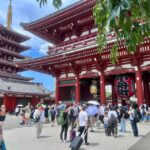
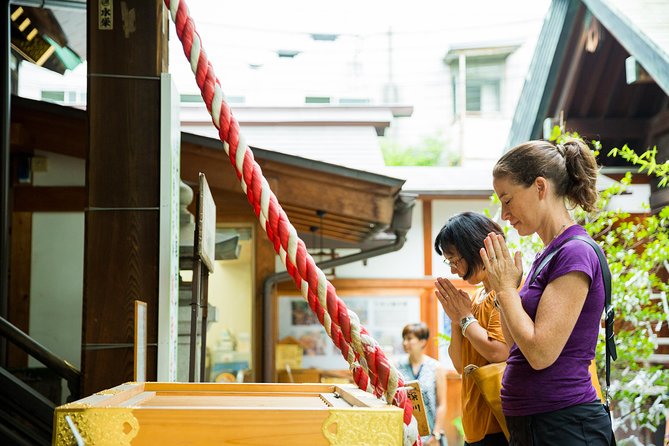
The whole tone of this tour starts at the main gate of Tsukiji Hongan-ji Temple in Tsukiji (3-chōme-15-1). The instruction is simple: show up on time, because the group leaves at the start time and they can’t wait. Also, be careful with directions—Google Maps can send you to the back side, while you need the front side, at the main gate.
This matters because Tsukiji isn’t laid out for casual wandering. It’s tight lanes, lots of people, and fast-moving vendors. Starting with a short orientation at the temple means you don’t spend your first 20 minutes trying to figure out which way is forward.
Guides in this program often highlight the connection between the market and Tokyo’s food world. You’ll see the market not just as a shopping zone, but as part of how chefs and home cooks source ingredients.
You can also read our reviews of more walking tours in Tokyo
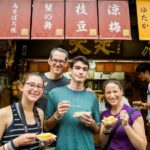


Tsukiji Jogai Market: where the senses do the teaching
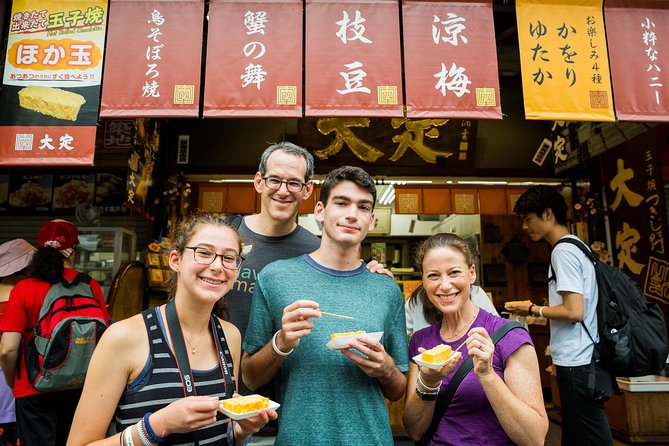
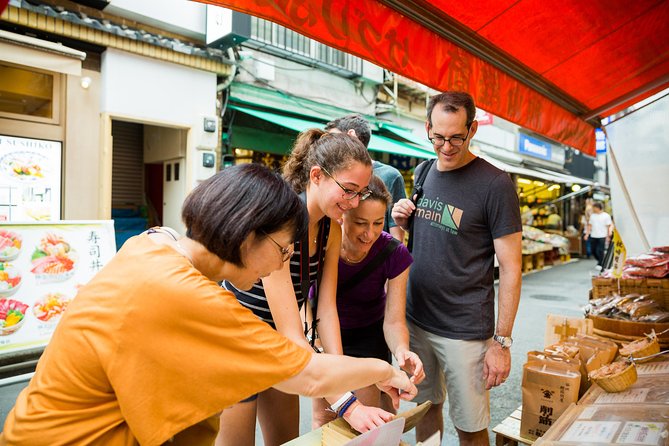
Your walk begins through the Tsukiji Jogai Market area, where you’ll learn the market’s long role in Tokyo’s seafood supply. The tour frames Tsukiji as a place people go daily for fresh, high-quality ingredients—especially chefs.
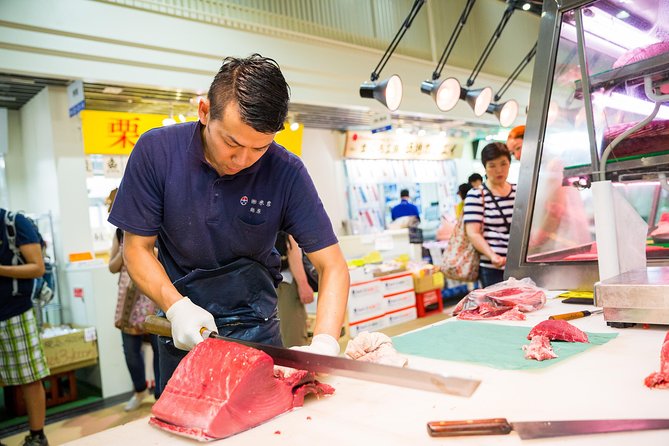
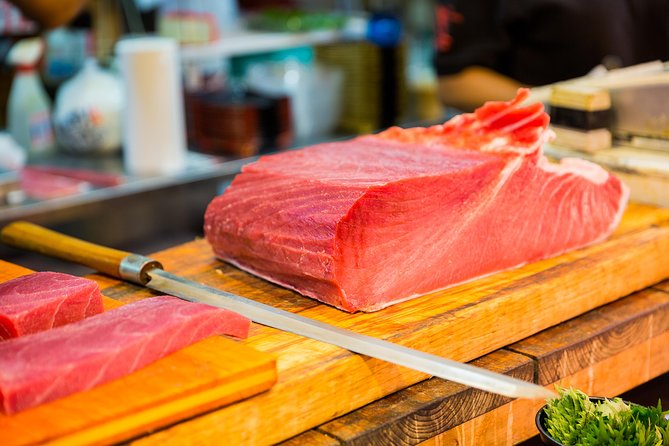
What I like about this stop is how it blends history with sensory cues. You might spot sea urchin (uni) stacked in neat boxes, or see vendors handling big cuts like Bluefin tuna. Pufferfish are even mentioned as something you might notice in tanks. Whether you catch every single scene is day-dependent, but the aim is the same: you start to recognize the scale and the seafood logic of the place.
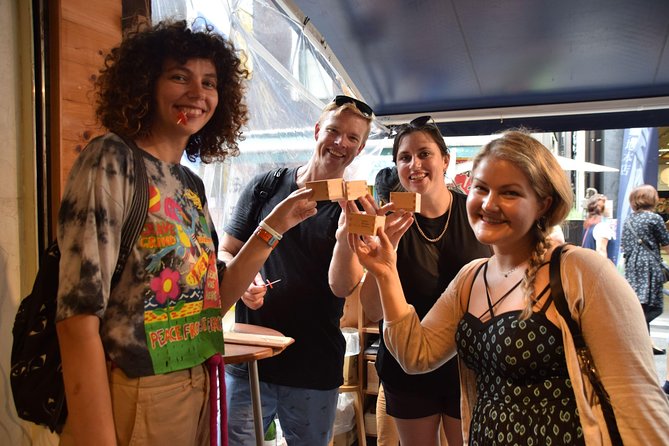
You also get typical snack sampling as you go. Expect items like dashi soup and green tea, with more bites layered in during the walk. This is where the tour earns its price: you’re paying for momentum and guidance, not just entry into a crowded market.
Old Tsukiji Market stop: small food moments that keep you moving
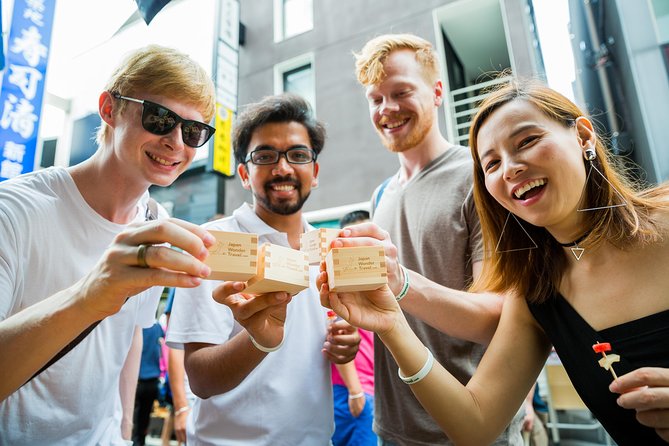
After the Jogai Market, the tour spends time around the Old Tsukiji Market area. The time here is short, and the purpose is practical: keep the flow going through the market corridors while you build a sense of what’s common in Japanese seafood eating.
This stop is also a reminder that Tsukiji has layers. Some areas feel more public-facing, some are closer to the wholesale ecosystem, and some are better for grabbing quick bites. If you’ve ever gone to a market alone and ended up standing in front of stalls trying to decode what you’re looking at, this is the antidote. Your guide keeps you moving, and the food samples give you a reference point so you know what to look for later.
A pass by Tsukiji Uogashi: hundreds of fish, wholesale-style energy
Next comes Tsukiji Uogashi, described as a mini wholesale market with hundreds of fish types. Even if you don’t memorize species names, it helps to see fish categorized and presented with a supply-chain mindset, not just a souvenir mindset.
Important: this stop is not consistent every day. The fish market (Uogashi wholesaler market) is closed on Wednesdays, Sundays, and other closed market days. On those days, the tour still continues, but what you can see and taste may shift because certain shops won’t be operating.
This is also where the tour can feel most different from tourist-heavy market walks. It’s more about ingredients and handling than about branding. And because the program is guided, you’re not stuck guessing which stalls are worth your time.
Tsukiji Fish Market wrap-up: sushi or a seafood bowl
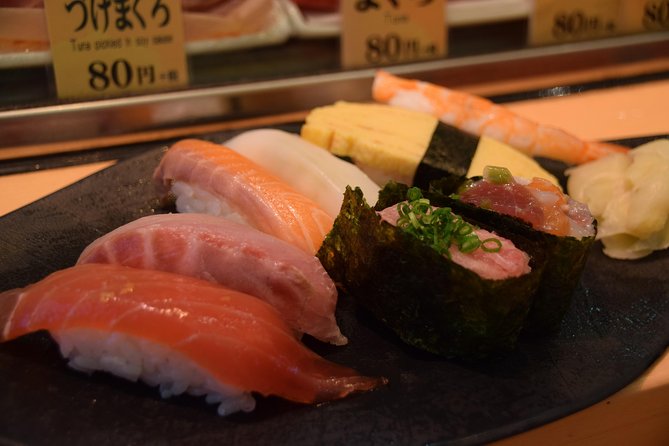
You finish at the Tsukiji Fish Market area with a final serving: either a fish bowl or sushi. The exact choice depends on the day and timing, and the program makes it clear you won’t always get to choose—so plan to be flexible.
This end stop is the payoff. The walking builds an appetite, and the final meal ties everything together: you taste what you were seeing earlier, in a form that’s meant to be eaten and remembered, not just sampled from a stick or tiny cup.
You also get more than one type of food during the tour overall. The program’s flavor lineup includes things like high-grade Wagyu beef skewers, fish cakes, and fruit, plus items like Japanese omelette at certain times (with some menu items not available on closed days). Reviews often mention favorites such as squid and eel, and many groups also mention that the tastings feel well-paced rather than random.
If you’re coming in expecting a huge sit-down seafood feast with unlimited choices, adjust your mindset. This tour is built around a sequence of market samples plus a final serving—not a buffet where you order whatever you want.
You can also read our reviews of more food & drink experiences in Tokyo

The temple and food connection: why this tour starts with culture
A lot of Tokyo food experiences start and end at restaurants. This one does something smarter: it begins at Tsukiji Hongan-ji and then moves into the market world.
That temple start gives you context for why Tsukiji isn’t only about food—it’s about daily rhythms. In a place where chefs hunt for ingredients and vendors run on schedules, the market sits inside a broader cultural pattern. When the guide connects what you’re seeing with market history and how ingredients are used, you leave understanding how Tokyo eats, not only what Tokyo eats.
You’ll also often pass by shrines or other spiritual spots during the route, which gives a quick breather from seafood density while keeping you on-theme.
Price and value: what $99.49 is buying you
At about $99.49 per person, the value equation is simple: you’re paying for access (and time) plus guided navigation and included eating.
Here’s what you actually get for the money:
- A 3-hour structured route through key Tsukiji zones
- Multiple tastings along the way (including snacks like dashi soup and green tea)
- A final serving of sushi or a seafood bowl
- Lunch and snack included
- A small group size (maximum of 20), which helps you hear the guide and move without getting totally boxed in
In practical terms, you’re buying saved decision-making time. Without a guide, you still can visit Tsukiji, but you’ll spend extra energy figuring out what’s worth eating, what’s open, and what to ask for. With a guide, the route becomes a shortcut to the best moments.
Still, be honest with yourself: this is not a tour for people who need full dietary freedom. The program states it doesn’t accommodate vegetarian, halal, gluten-free requests, or allergy-related requests. It also requires you to be able to eat fish.
Who this tour is best for (and who should skip it)
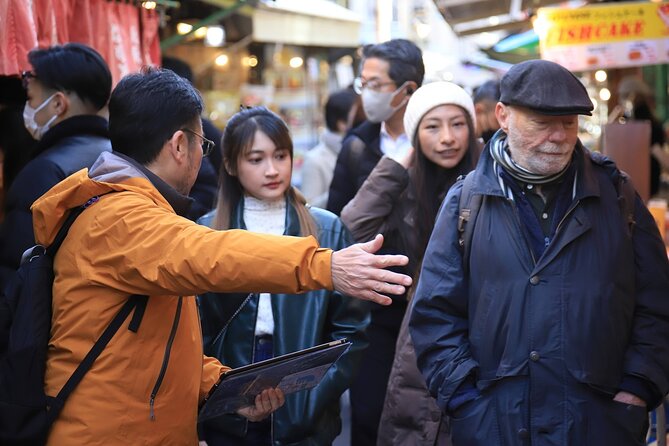
This is a great fit if:
- You love seafood and want to learn while you eat
- You’d rather follow a plan than fight your way through hundreds of stalls
- You’re okay walking and standing for stretches (moderate physical fitness level is requested)
- You want a Tokyo food experience that feels local and ingredient-focused
It’s a poor fit if:
- You’re vegetarian or you avoid fish
- You have allergy needs that require a special menu (the tour can’t accommodate allergy-related requests)
- You want a lot of non-fish variety (the tour is built around seafood culture)
- You need a choose-your-own menu at the end (the sushi vs. seafood bowl serving can depend on the day)
Practical tips that make the market day easier
Wear comfortable walking shoes. Tsukiji involves real walking on uneven crowd flow, and you’ll want your legs to feel good for the final meal.
Arrive at the meeting point—main gate of Tsukiji Hongan-ji—so you’re not stressed. The tour leaves at start time sharp, and if you’re late, the tour can’t be extended.
Bring a realistic hunger plan. You’ll get lunch and snack plus multiple samples, but the samples are part of the market experience. If you’re the type who needs a full meal immediately, you may still want to eat lightly before you meet your guide so you can enjoy the tastings without getting impatient.
Also keep an eye on the day. Since some market areas and menu items are unavailable on Wednesdays and Sundays, your exact tasting lineup can shift.
Should you book this Tsukiji Fish Market food tour?
Book it if you want a guided, food-first way to understand Tsukiji. The temple start, the snack cadence, and the final sushi or seafood bowl make it feel like a complete experience rather than a random walk through seafood chaos. The small group size (max 20) is a real advantage when you’re trying to hear the guide and still enjoy shopping.
Skip it if seafood isn’t in your comfort zone or if you need dietary accommodations. Also skip it if your ideal market visit is pure DIY freedom. This tour is designed to reduce your decisions and keep you on a curated route.
If you match the food rules and you like walking with a plan, this is a strong way to experience Tsukiji for what it really is: a working ingredients marketplace, packaged for visitors who want to learn fast and eat well.
FAQ
Where does the tour meet?
The meeting point is at the main gate of Tsukiji Honganji-Temple (front side). The address given is 3-chōme-15-1 Tsukiji, Chuo City, Tokyo 104-8435, Japan.
How long is the tour?
The duration is about 3 hours.
How much does the tour cost?
The price is $99.49 per person.
Is a mobile ticket provided?
Yes, this activity includes a mobile ticket.
What food is included?
Lunch and snack are included, along with food samples during the walk. The tour includes items such as Wagyu beef skewers, fish cakes, sushi or a seafood bowl (depending on the day), and seasonal fruit.
Do you serve sushi or seafood bowls?
It depends on the day and time. The tour serves either sushi or a seafood bowl.
Can I join if I don’t eat fish?
No. If you can’t eat fish, you won’t be able to join the tour.
Is the tour suitable for vegetarians or people with dietary restrictions?
No. The tour does not accommodate vegetarian, halal, gluten-free requests, or allergy-related requests.
What shoes should I wear?
Comfortable walking shoes are recommended because the tour is mainly a walking experience.
Are there days when parts of the market are closed?
Yes. The fish market (Uogashi wholesaler market) is closed on Wednesdays, Sundays, and other closed market days, which can affect what’s served.