REVIEW · TOKYO
Tokyo: Customizable Private Guided Walking Tour
Book on GetYourGuide →Operated by Jewel Tours Japan · Bookable on GetYourGuide
Tokyo can feel like a maze at first. With a local guide, you get to pick your mix of icons and everyday neighborhoods during a private 4-hour stroll around Honshu’s mega-city.
I especially like two things: the route is customizable, and your guide helps you understand Tokyo’s rhythm instead of just pointing at sights. You can also choose a food-focused day, from casual snacks to sit-down meals your guide thinks you’ll actually enjoy.
One thing to keep in mind: in just four hours, the big landmarks can be spread out, so you may spend part of the time on trains or subways. And yes, you will be walking.
In This Review
- Key things I’d look for in this Tokyo tour
- Why a private, customizable walk works so well in Tokyo
- The classic arc: Tokyo Tower and the Imperial Palace (and what it feels like)
- Tokyo Tower: skyline, photos, and a fast hit of modern Tokyo
- Imperial Palace area: ceremony, gardens, and breathing room
- Shibuya Crossing plus Harajuku-style streets: where Tokyo turns loud
- Off the main drag: alleys, shrines, and neighborhood surprises
- Street performance and tea-house style moments: small culture beats big landmarks
- Subway and trains: leaving with real confidence, not just photos
- Building your day around food: from street snacks to restaurant time
- Price and value: what $87 gets you, and what you pay separately
- Pacing, distance, and why four hours still goes fast
- Who should book this tour, and who should skip it
- Should you book this private Tokyo walking tour?
- FAQ
- How long is the Tokyo private guided walking tour?
- Is this tour private or shared?
- What major sights can be included?
- Are food and drinks included?
- Do I need to pay for entry tickets?
- Is transportation included?
- What languages are the guides?
- Do they pick up and drop off at the hotel?
- Is there wheelchair accessibility, and is it suitable for very elderly travelers?
- FAQ
- Is there free cancellation?
- Can I reserve now and pay later?
Key things I’d look for in this Tokyo tour
- A genuinely private experience with a guide tailored to your pace and interests
- Big-name anchors like Tokyo Tower, the Imperial Palace, and Shibuya Crossing
- Transit coaching so you leave feeling confident using trains and the subway
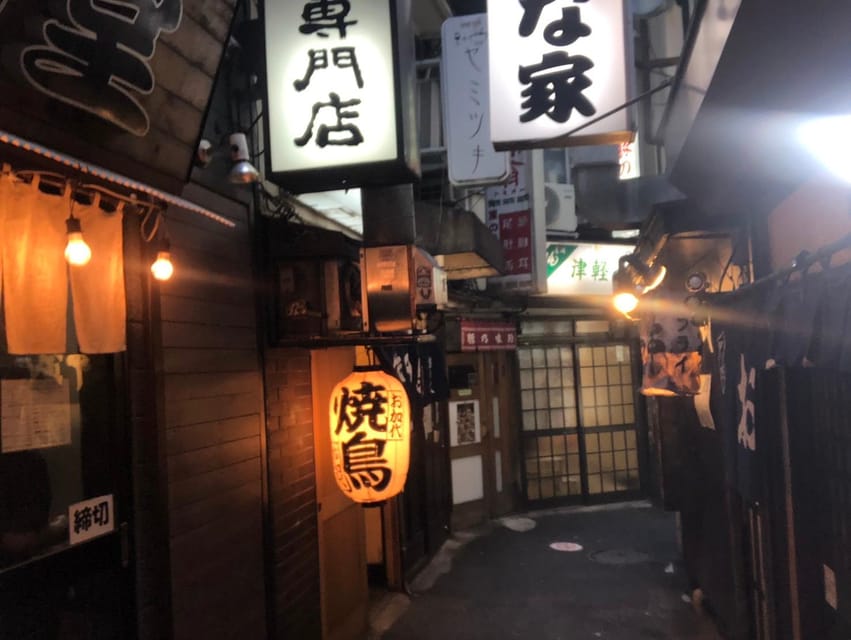
- Street-level Tokyo: alleys, small shop streets, and street performances in the mix
- Food as an itinerary choice, not an afterthought, with meal recommendations along the way
- Pickup and drop-off on foot so the day starts and ends smoothly
Why a private, customizable walk works so well in Tokyo
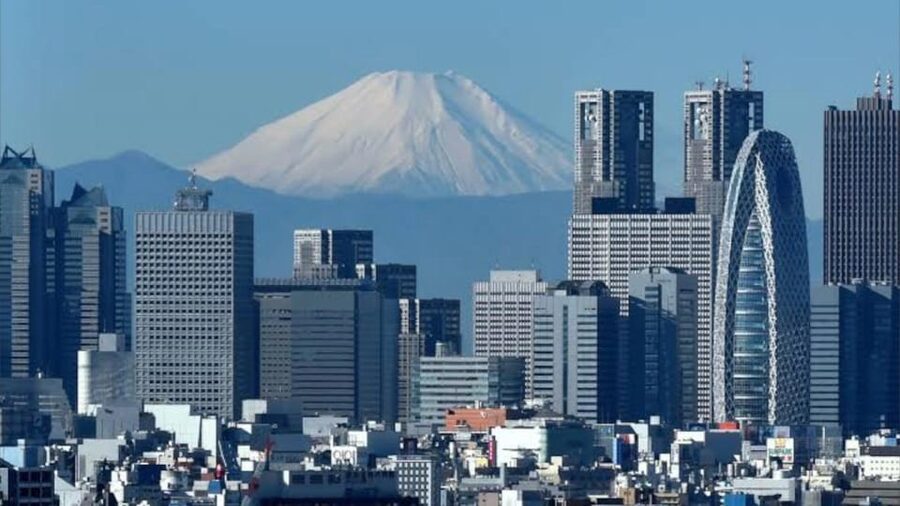
Tokyo rewards curiosity—but it also punishes guesswork. Streets repeat themselves. Station exits multiply. Signage can be clear, yet still overwhelming when you’re trying to orient fast. A private guide fixes that instantly.
What I like about this format is that you’re not trapped in a rigid loop. If you care more about skyline views, you can structure the day around Tokyo Tower-style moments. If you’d rather see ceremonial spaces and quiet garden energy, your guide can steer you toward the Imperial Palace area and other calmer stops. If your main goal is the city’s food culture, you can shape the itinerary around snacks, market vibes, and restaurant time.
You’ll also notice a difference in how guides talk. People mentioned guides like Jack showing subway use step-by-step, and Mika coordinating key reservations and keeping the schedule realistic. Even when you don’t choose “the usual route,” you still get context for what you’re seeing: why a shrine sits where it does, why a neighborhood feels different from one station to the next, and what to look for on the street-level details.
You can also read our reviews of more walking tours in Tokyo



The classic arc: Tokyo Tower and the Imperial Palace (and what it feels like)
If you want Tokyo’s “start here” moments, this tour can stitch them together. The tour highlights include Tokyo Tower and the Imperial Palace, and those two stops give you a nice contrast: modern spectacle versus formal, slower-moving space.
Tokyo Tower: skyline, photos, and a fast hit of modern Tokyo
Tokyo Tower is the kind of landmark that’s easy to spot from a distance, but the best part of going with a guide is not just the photo. Your guide can help you pick the right walking angles and streets for views, and explain what the tower represents in the city’s layout and imagination. It’s a good anchor when you’re trying to build confidence for the rest of the day—because once you’ve seen it up close, Tokyo’s geography clicks.
Potential drawback: if you also want other major stops, Tokyo Tower can eat time simply because it’s popular and there can be crowds in the surrounding areas. A private guide can adjust the pace and positioning so you’re not stuck waiting around.
Imperial Palace area: ceremony, gardens, and breathing room
The Imperial Palace is the opposite energy of a skyline stop. It’s a place to slow down and pay attention to scale—paths, open space, and the way Tokyo builds calm around history. In a short day, this is one of the best ways to balance the “big sights” overload.
One practical point: because this is a walking tour, you’ll likely spend time on the approach streets and nearby lanes that help you understand how the area transitions from dense city blocks into more spacious grounds. That walking time is part of the value, not dead time.
Shibuya Crossing plus Harajuku-style streets: where Tokyo turns loud
If you want Tokyo’s high-volume side, Shibuya Crossing belongs on your list. It’s also a great place to re-calibrate your expectations. Tokyo can be quiet, then suddenly everything moves—buses, bikes, crowds, and the steady click of trains above or below.
From there, your route can shift into shopping streets and energetic alleys. Some guides have taken people toward Harajuku, including Takeshita Street style areas, where the vibe is more fashion and youth culture than formal sightseeing. If your day includes this kind of stop, you’ll probably spend more time walking side streets and reading the neighborhood’s character on foot.
What you’ll like about this segment:
- It gives you a real sense of how Tokyo moves in crowds.
- It’s photo-friendly without needing you to plan your whole trip around one viewpoint.
- Your guide can keep you on the correct streets so you don’t waste time backtracking.
What to watch:
- The iconic crossings and shopping streets can be packed. If you’re sensitive to crowd pressure, ask for a slightly less congested walking rhythm early, then do the loudest intersection later when the flow matches your tolerance.
You can also read our reviews of more guided tours in Tokyo



Off the main drag: alleys, shrines, and neighborhood surprises
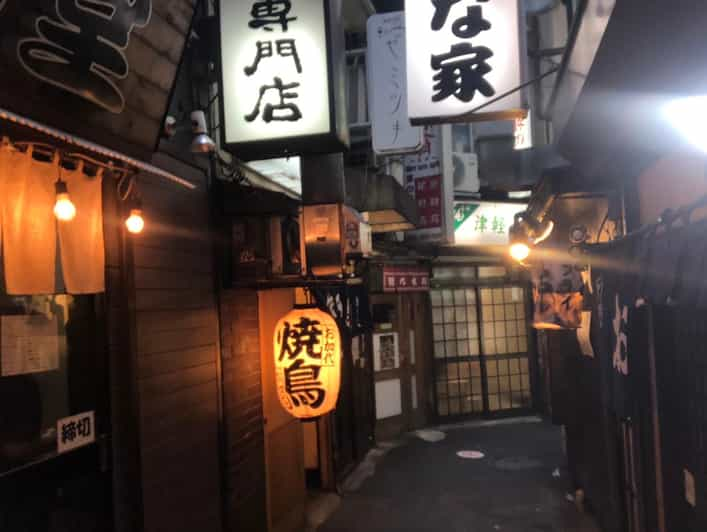
A big promise of this tour is getting away from the most obvious tourist lines. You can expect your guide to steer you through characteristic alleys and smaller streets where local shops and small scenes show up.
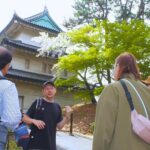
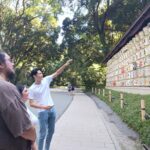
This is where Tokyo feels like Tokyo instead of a checklist. People have mentioned stops like Buddhist temple and shrine areas, plus quieter parks and garden-adjacent places depending on the day’s plan. One guide suggested an itinerary that included Shinjuku Gyoen Park for a calmer break. Another helped arrange a plan that included visiting areas like Meiji Shrine and palace gardens.
A note on phrasing you can use when customizing: ask your guide for the kind of atmosphere you want—quiet, traditional, street culture, or food-first. You don’t need to guess the exact neighborhood name. A guide can translate your mood into an actual route.
Potential drawback: because the itinerary is flexible, you won’t get a one-size-fits-all schedule of exact spots. If you have one “must be at this place at this time” priority, mention it early so your guide can build around it.
Street performance and tea-house style moments: small culture beats big landmarks
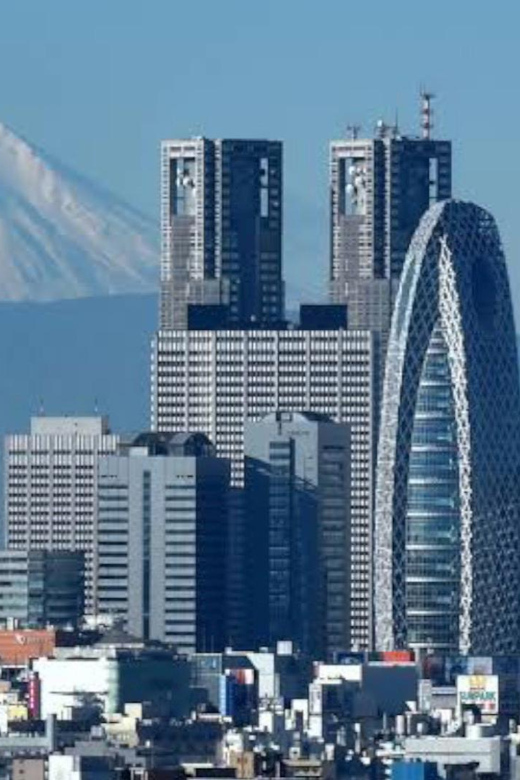
Tokyo isn’t only towers and palace gates. It’s also street scenes that happen when you’re on the right block at the right moment—street performances, small stalls, and the kind of teahouse-like stop that helps you notice how daily life works.
The tour highlights point to this street-level side: alleys, traditional teahouse-style experiences, and even street performance time. In practice, that means your guide may slow down at moments that are easy to miss if you’re just passing through. You’re not only collecting sights; you’re catching Tokyo’s “in-between” culture.
If your group includes people who get bored at standard museum pacing, this is a good section to lean into. It breaks the rhythm. It also helps you feel like a walker in the city, not a tourist in transit.
Subway and trains: leaving with real confidence, not just photos
Tokyo’s transit is excellent, which is the problem: it’s so good it’s easy to overthink it. The best guides treat transit like a skill you can actually learn in half a day.
Multiple guides in the experience have helped with subway navigation. Jack specifically helped with learning how to use the subway system and gave tips on how to get back to the hotel. Marco and others also helped people with trains, and one guide even offered next-step travel help beyond the walk.
Here’s how this becomes practical value for you:
- You’re not just relying on your phone map. You learn which station exits matter.
- You understand how to move with confidence, even if you’re tired or it’s crowded.
- You can handle the next day alone without that early-trip panic.
One warning from lived experience: if you use the subway, stay close to your guide when they’re moving through stations. One person described learning that the hard way, mostly because station flows can separate people fast.
Also remember: transportation is not included. That doesn’t mean the tour won’t use trains; it means you should budget for transit fares if your route includes rail segments. Think of it as “guide time included,” not “all costs covered.”
Building your day around food: from street snacks to restaurant time
Food can be a major reason to book a private guide in Tokyo. This tour explicitly lets you customize around cuisine interests. And even though food itself isn’t included, the guide can still steer you toward choices that fit your day, your tastes, and the vibe you want.
People have described guides taking them to traditional Japanese restaurants and helping them find food they wouldn’t have tried alone. Others mentioned trying things like okanomiyaki and karage during the day. Another guide helped someone rent a kimono and then match the rest of the day to what they felt like eating next.
How to use this in a smart way:
- Tell your guide your risk level. Are you excited for bold street flavors, or do you want safer, restaurant-style choices?
- If you’re picky about timing, say it. A good guide can place food moments where they won’t crush your sightseeing time.
- Ask for a food plan that doesn’t turn into a line marathon. In a four-hour tour, waiting too long can steal your best moments.
If you’re on a tight schedule, building the day around food can actually make the pacing easier. It gives you natural breaks and keeps you moving instead of stopping randomly.
Price and value: what $87 gets you, and what you pay separately
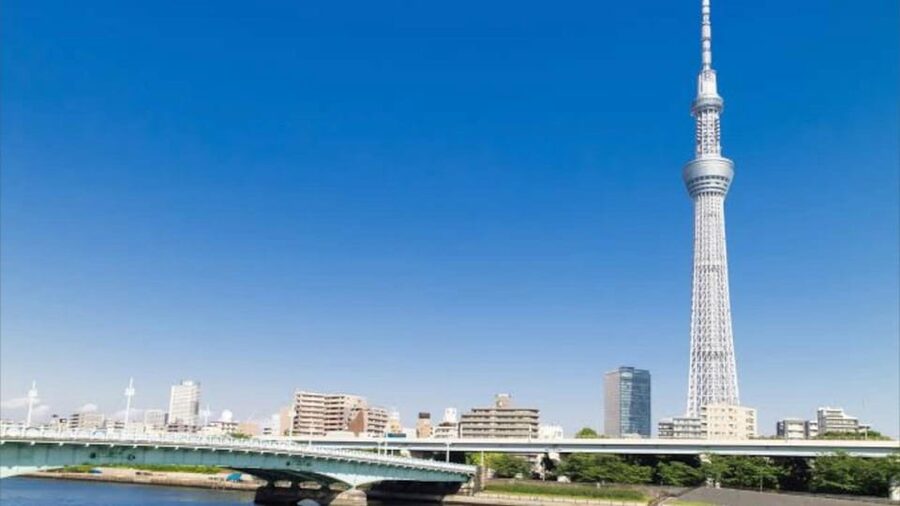
At about $87 per person for a 4-hour private guided walking experience, you’re paying for something Tokyo-specific: guided time plus customization plus local navigation help.
Here’s what that price covers:
- Private local guide
- Hotel pickup and drop-off on foot
And here’s what is not covered:
- Food and drinks
- Entry costs
- Transportation
So is it worth it? I think it’s worth it when you want structure without surrendering control. If you’re new to Tokyo and you want to hit major sights like Tokyo Tower, Shibuya, and the Imperial Palace but still carve out time for smaller streets and neighborhoods, a private guide compresses the learning curve. You spend more of the day experiencing, less time figuring out where you should even be walking next.
It’s also good value if your party includes someone who needs extra help with logistics. Several guides have been praised for easing people into subway use and keeping schedules realistic, even when priorities changed mid-day.
If you’re the type who loves planning every detail yourself and you already know how you’ll move between stations, you might feel the price more sharply. In that case, you could replicate some parts on your own. But if you want to feel guided from the first block out of the hotel, this price can be a practical shortcut.
Pacing, distance, and why four hours still goes fast
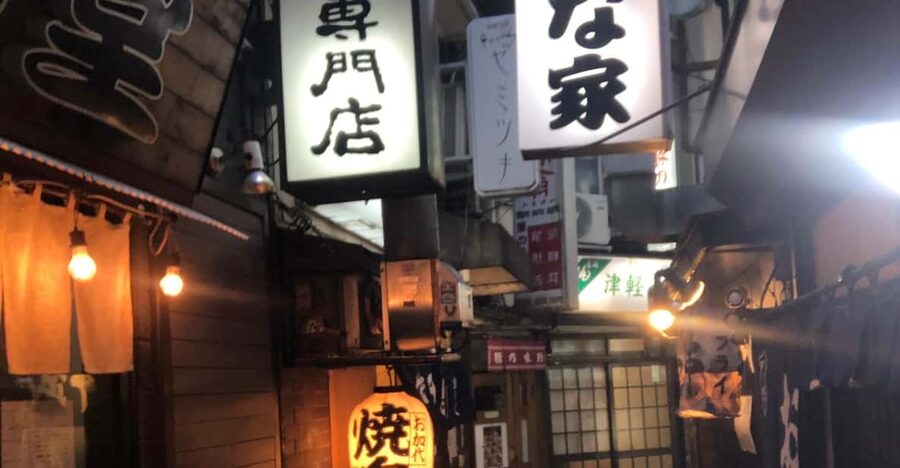
This is a walking tour. Even when public transit is used, the day is still built around moving through neighborhoods on foot. One person clearly warned that you should be prepared to walk a lot, and that it’s still a good way to get oriented.
So how do you make four hours feel comfortable?
- Choose one or two big anchors (like Tokyo Tower and Shibuya Crossing), then let the guide fill in the rest with smaller stops.
- If you’re traveling in hot or humid months, ask the guide to plan short pauses and shade-friendly streets. The pace can adjust.
- If you’re sensitive to crowds, tell the guide that upfront. People have mentioned guides taking them to less-crowded areas and adjusting the route around comfort.
This tour can be flexible, but your legs still matter. Bring water and wear shoes you can walk in for real.
Who should book this tour, and who should skip it
This tour fits best if you want:
- A private day with a guide who can customize the sights and style of the walk
- Help navigating Tokyo’s subway and train system
- A mix of famous landmarks and street-level neighborhood time
- A chance to design the day around food interests
It may be less ideal if:
- You’re hoping for a low-walking, mostly “sit and view” tour.
- You have very strict timing for one attraction that requires heavy entry-line planning, since entry fees and scheduling aren’t part of the included package.
- You’re traveling with members who have mobility limits. The tour is listed as wheelchair accessible, but it’s also noted as not suitable for people over 95 years, so check suitability for your group.
Should you book this private Tokyo walking tour?
If you’re a first-timer, or you’re a returning visitor who wants a guided day that still feels personal, I’d book it. This is the kind of experience that helps you understand Tokyo fast: skyline landmarks plus calmer historical space plus street scenes, with a guide who also teaches you how to move through the city afterward.
Book it especially if one of these is true:
- You want help using the subway/train system without stress.
- You care about food and want the day tailored around what you’ll actually want to eat.
- Your group has different interests and you want a single guide to handle the balancing act.
Skip it if your plan is purely “I want the checklist only” and you already know your transit strategy. This tour earns its keep when you want guidance and personalization, not just famous photos.
FAQ
How long is the Tokyo private guided walking tour?
It’s 4 hours long.
Is this tour private or shared?
It’s a private group experience, so you won’t be mixed with strangers.
What major sights can be included?
Your guide can customize your route, and common highlights include Tokyo Tower, Tokyo Imperial Palace, and Shibuya Crossing.
Are food and drinks included?
No. Food and drinks are not included.
Do I need to pay for entry tickets?
Yes. Entry costs are not included.
Is transportation included?
No. Transportation is not included, though your guide can help you navigate how to use transit if it fits your route.
What languages are the guides?
The live guide is available in English and Japanese.
Do they pick up and drop off at the hotel?
Yes. Hotel pickup and drop-off are provided on foot.
Is there wheelchair accessibility, and is it suitable for very elderly travelers?
The tour is listed as wheelchair accessible. It is not suitable for people over 95 years.
FAQ
Is there free cancellation?
Yes. You can cancel up to 24 hours in advance for a full refund.
Can I reserve now and pay later?
Yes. It offers a reserve now & pay later option.