REVIEW · TOKYO
Tokyo: Kichijoji Walking Tour with Local Guide
Book on GetYourGuide →Operated by O2 Japan Travel · Bookable on GetYourGuide
A cartoon day begins in a real neighborhood. I like the small-group pace with guides like Mina and Yuma, and I like how Inokashira Park slows the day down before you reach the Ghibli Museum; the trade-off is that at $88 this is pricier than a DIY walk if you mainly want to see the streets, not the museum access and guided setup.
This is a relaxed, family-friendly 4-hour plan that mixes neighborhood wandering with a calm green break. The walking portion is guided, then you get museum time on your own, plus a snack to keep energy up.
In This Review
- Key points worth knowing
- Kichijoji: The Tokyo Neighborhood That Feels Like a Hangout
- Meeting at Hanako the Elephant: Easy Start, Clear Direction
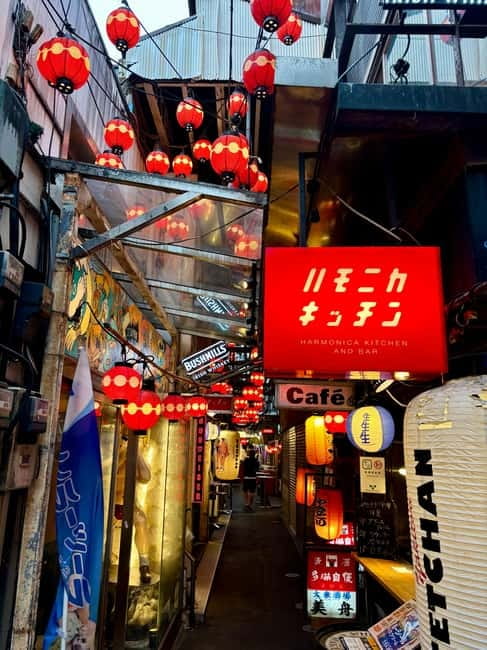
- Kichijoji Sunroad + Harmonica Yokocho: More Than a Walk Through Shops
- Kichijoji Sunroad (guided stop)
- Harmonica Yokocho (guided stop)
- Inokashira Park: The Slow-Breath Break That Makes the Day Work
- The Ghibli Museum at Your Pace: Two Hours to See What You Want
- Why this museum stop is the real value
- Price and Value: Is $88 Worth It?
- Guides Make or Break It: Mina, Yuma, Daiske, and Others
- Food Reality Check: Snack Included, Lunch Is Your Choice
- Photography, Rules, and Small Etiquette Things
- Who Should Book This Tour, and Who Should Skip It
- FAQ
- FAQ
- Where do I meet for the Kichijoji walking tour?
- How many people are in a group?
- How long is the tour?
- What languages are offered?
- Is the Ghibli Museum admission included?
- Is lunch included?
- Does the tour run rain or shine?
- Can I cancel and get a refund?
- What should I bring and what is not allowed?
Key points worth knowing
- Kichijoji street time that feels local: You spend focused guided minutes in areas like Kichijoji Sunroad and Harmonica Yokocho, not just pass by them.
- Park first, then museum: The Inokashira Park stretch helps reset you after Tokyo’s noise.
- Small groups capped at 5: Less crowding means you can actually ask questions and keep a comfortable pace.
- Ghibli Museum admission included: Useful when tickets feel impossible to snag on your own.
- English or Japanese guides: Many guides also handle communication with translation apps or WhatsApp updates.
- Photography rules inside the museum: Your time plan should account for limited photo opportunities indoors.
Kichijoji: The Tokyo Neighborhood That Feels Like a Hangout
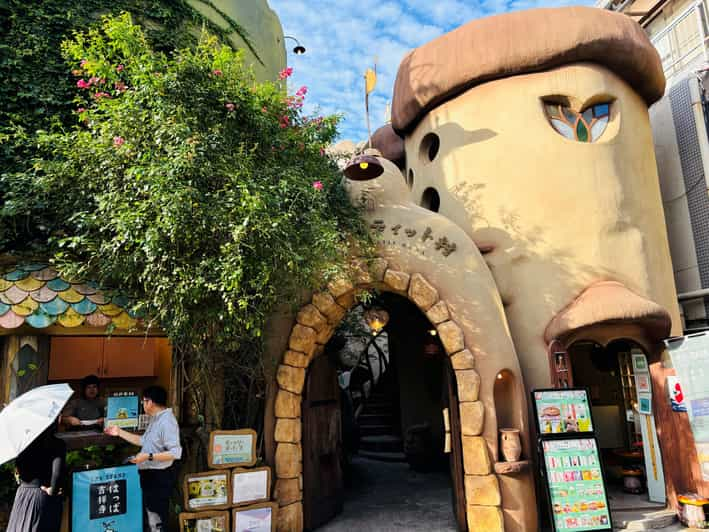
Kichijoji sits in that sweet spot where Tokyo feels both modern and oddly nostalgic. It’s the kind of area that works for families, couples, and solo visitors who don’t want a rushed checklist. The streets you’ll walk aren’t famous in the loud, postcard way. Instead, you get the daily Tokyo vibe: shops with steady foot traffic, side streets that smell like food, and the feeling that people actually live here.
A big reason this tour works is that it’s not only about the Ghibli Museum. The neighborhood part gives you context. When you walk through Kichijoji Sunroad and then into Harmonica Yokocho, you’re seeing how locals spend time—browsing, snacking, and dropping into small storefronts rather than treating Tokyo like a photo studio.
You can also read our reviews of more walking tours in Tokyo



Meeting at Hanako the Elephant: Easy Start, Clear Direction
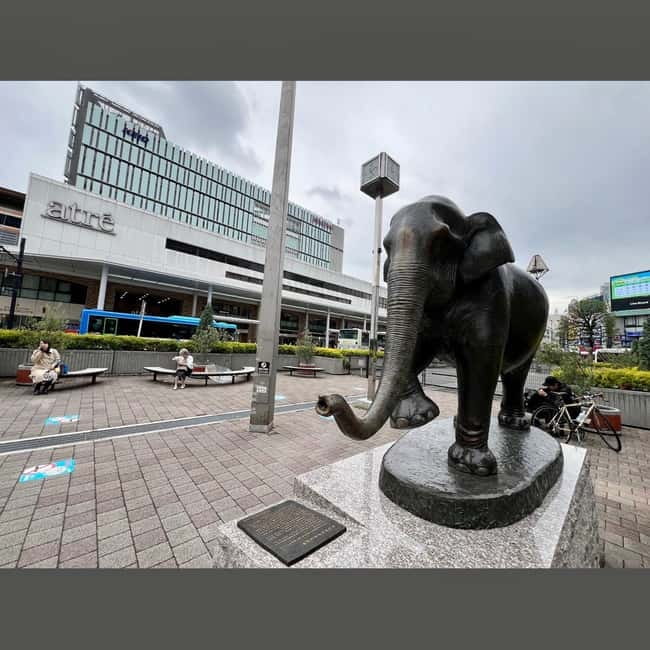
You meet at the “ゾウのはな子” Hanako Elephant Statue at Kichijoji Station, North Exit. Look for your guide holding a lanyard, and you’ll be set. If you’re using your phone for navigation, this statue is a strong landmark, and one helpful tip from past participants is that it’s near Starbucks—handy when you’re scanning the station exits.
Two practical bits that matter:
- WhatsApp contact happens the day before to confirm details.
- The tour runs rain or shine, so plan for weather changes.
For gear, wear comfortable shoes. You’re on foot for multiple segments, and the pace is meant to be relaxed, not slow enough to make sore feet forgive themselves.
Kichijoji Sunroad + Harmonica Yokocho: More Than a Walk Through Shops
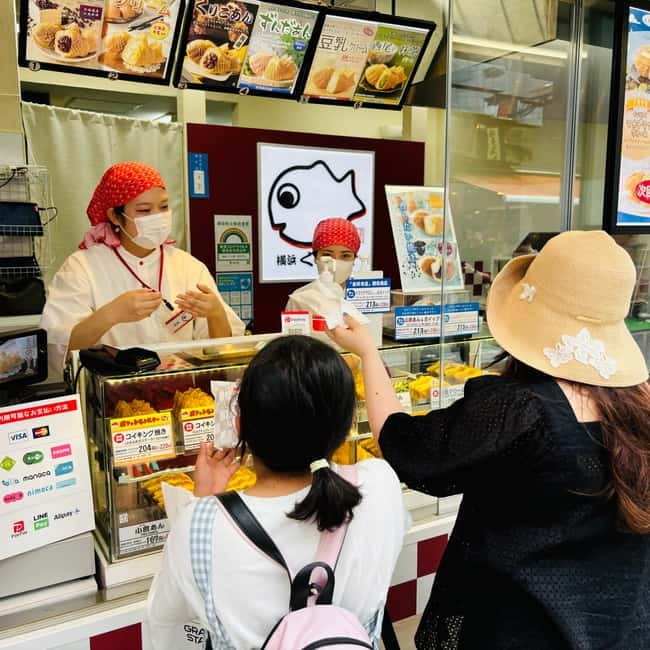
The guided portion begins with a short stroll to Kichijoji’s main shopping arteries. You’ll spend time in two classic areas:
Kichijoji Sunroad (guided stop)
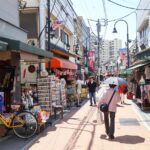
This is where you feel the neighborhood rhythm. Think everyday shopping streets—less spectacle, more atmosphere. You’re not just walking; your guide is pointing out what to notice, like where locals shop, how the streets are laid out, and what kinds of stores show up in this part of Tokyo.
Harmonica Yokocho (guided stop)
Then comes Harmonica Yokocho, a narrow lane packed with tiny food options. The name fits: it’s tight, it’s busy with smells, and it’s the sort of street where you can see why people choose this over larger restaurant districts. One of the most praised parts of the tour is how guides use this stop to share practical info—where to find good options, what to expect from small menu styles, and how to order without stress.
You’ll also get a snack as part of the experience. That’s not meant to replace lunch. It’s meant to keep you going while you do the park-to-museum transition without melting down from hunger.
You can also read our reviews of more guided tours in Tokyo



Inokashira Park: The Slow-Breath Break That Makes the Day Work
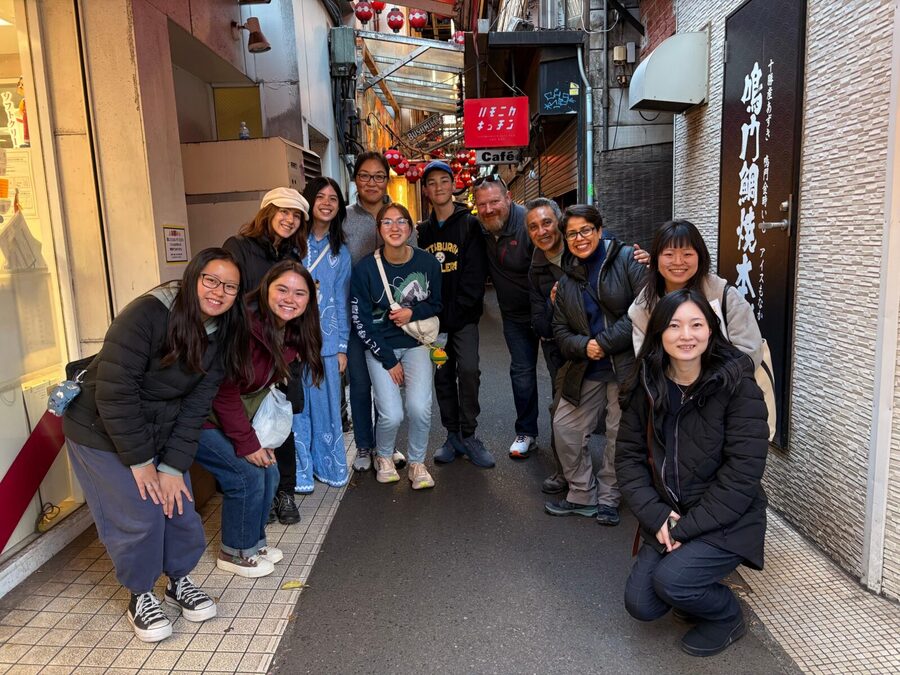
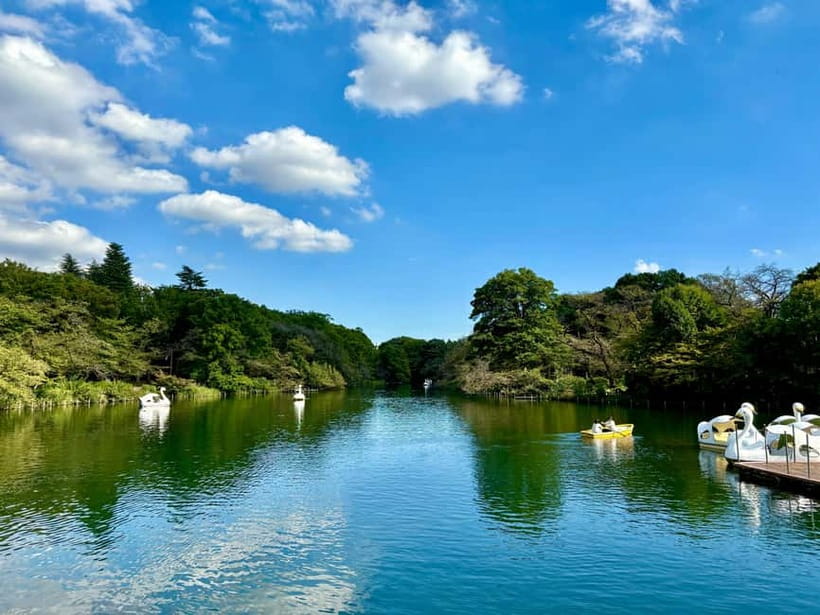
After the shopping streets, you head into Inokashira Park for a guided walk. This is where the tour earns its calm reputation. Tokyo can hit you all at once—noise, crowds, constant movement. The park portion gives you a breather, especially after narrow alley walking.
Inokashira Park is the kind of place that stays useful across seasons, and it’s popular with locals year-round. You’ll see why on a guided stroll: paths feel open, greenery softens the day, and the pace lets you look at details you’d skip while doing a faster sightseeing plan.
You may also notice features that make this park feel more than just “green space,” like the Swan boats people talk about on the lake. It’s the sort of detail that makes your afternoon feel like Tokyo has a personal side.
The Ghibli Museum at Your Pace: Two Hours to See What You Want
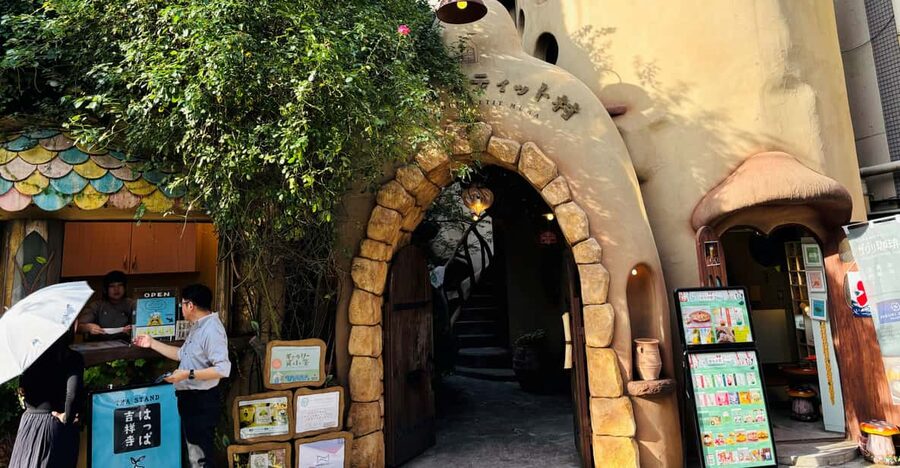
Once you arrive, the schedule shifts. Your guide takes you in, gives you the ticket setup, and then you explore the Ghibli Museum on your own.
You get about 2 hours of free time inside. That timing is important. The museum is small enough that you don’t need to sprint, but it’s big enough that 2 hours gives you room to wander, reread signage, and take breaks without feeling like you’re falling behind.
A few practical expectations before you go:
- Photography may be limited inside the museum. So don’t plan your entire experience around taking pictures of exhibits.
- Some outdoor spots can still be good for photos, and your route through the complex can affect where you end up.
- If you like starting your museum path in one direction and ending in another, try to think about flow: a helpful tip from past participants is that starting at the bottom can make your way end near the gift shop area at the top.
Why this museum stop is the real value
Getting into the Ghibli Museum can be the hard part. The tour includes admission, and the main benefit is that you’re not stuck chasing the official ticket system at the last minute. Many fans book this exact tour because it turns a stressful plan into a sure afternoon.
Just keep your expectations realistic: you’re paying for the combination of admission plus guided neighborhood context plus ticket handling.
Price and Value: Is $88 Worth It?
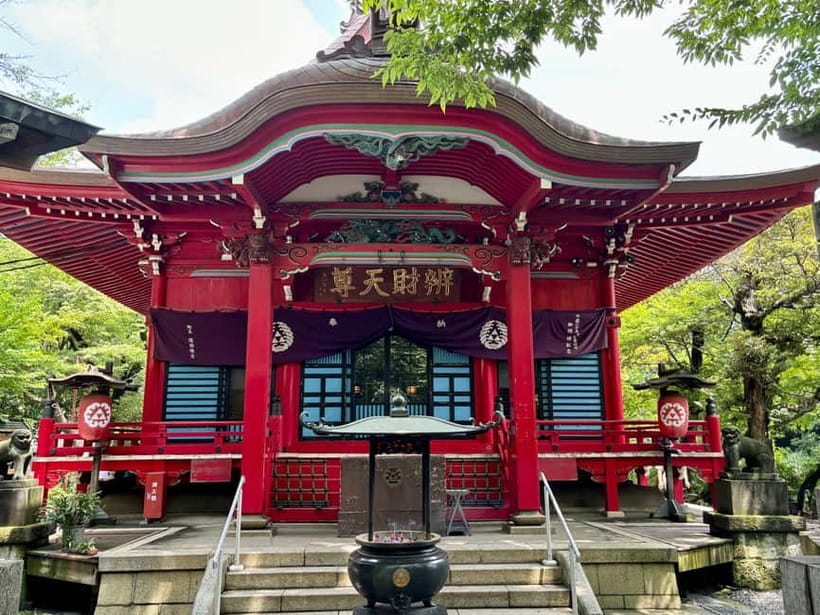
At $88 per person, you’re paying for more than the Ghibli Museum ticket. The cost covers:
- a guided walking tour,
- Ghibli Museum admission,
- a guide,
- and a snack.
Yes, it’s expensive compared to a museum ticket on paper. But value isn’t just math. It’s also about whether the tour solves a real problem for you. If you’re a serious Ghibli fan and tickets sell quickly, that included admission can be the difference between canceling your plans and having a perfect afternoon.
It’s also a solid buy if you want a softer Tokyo day. The neighborhood walking isn’t random. You’re getting a local lens on Kichijoji and a calm park transition that makes the museum time feel less like a separate chore.
Guides Make or Break It: Mina, Yuma, Daiske, and Others
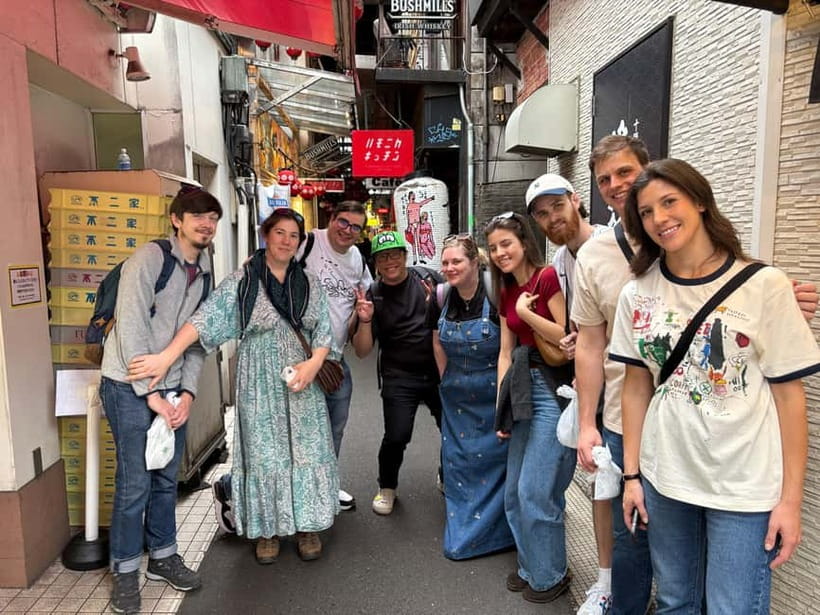
One of the strongest themes here is guide style. Names that come up often include Mina, Mimi, Yuma, Daiske, Shinjo, Kahou, and Yuta. The pattern is consistent: guides are warm, chatty, and happy to share details that connect a street to a story.
What you can expect in real terms:
- You’ll get practical advice about local shops and places to eat around the route.
- Guides help you interpret what you’re seeing instead of treating the walk like transport.
- You’re in a group small enough to ask questions without fighting for attention.
There’s also a behind-the-scenes kindness element. Guides have been understanding about late arrivals due to trains, and some have helped slower walkers with alternate options for getting back toward the station after the museum.
Food Reality Check: Snack Included, Lunch Is Your Choice
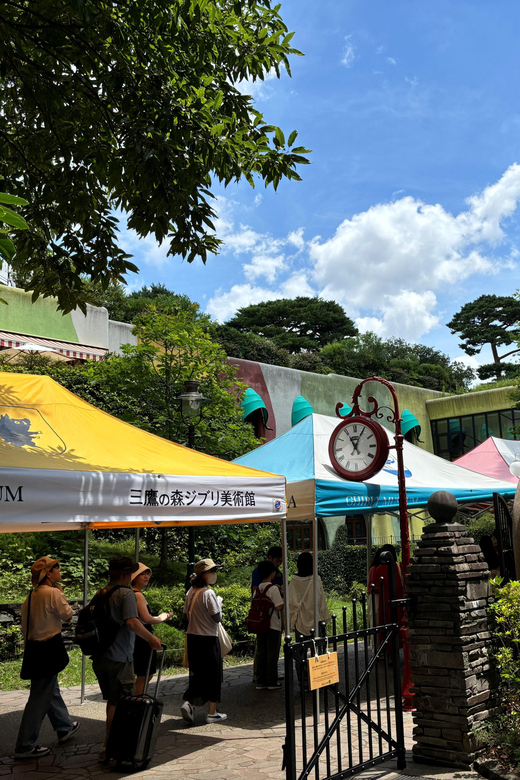
This tour includes a snack, but lunch is not included. That matters for budgeting and for timing.
Here’s how I’d handle food on this kind of day:
- Treat the snack as a bridge, not the meal.
- Use the street stops as scouting time. Harmonica Yokocho is especially useful because you can see multiple small options in one pocket.
- If you have dietary needs, it’s smart to ask your guide. Some guides have contacted guests in advance about dietary issues and helped them find appropriate choices.
You’ll likely pass several places that smell incredible. Try not to make lunch decisions only based on the first tempting sign. You’re in walking distance of many options, so you’ll have time to choose what fits your day.
Photography, Rules, and Small Etiquette Things
Two rules worth keeping on your radar:
- No smoking during the tour.
- Photography may be limited inside the museum.
Outside the museum, you’ll probably take more photos. Inside, plan around viewing exhibits rather than capturing every frame.
Also, don’t forget the basics: if you plan to buy souvenirs, give yourself some room mentally for gift shop time. The tour’s flow is designed so you can wander comfortably without feeling rushed.
Who Should Book This Tour, and Who Should Skip It
Book this if:
- You’re coming to Tokyo mainly for Ghibli Museum access and you want a calmer day around it.
- You want local neighborhood context in Kichijoji, not only museum time.
- You appreciate small-group walking and don’t want a crowd herding experience.
Skip it if:
- You already have museum tickets locked in and you mainly want the cheapest possible Tokyo day.
- You’re allergic to walking time and want purely seated activities. This is a walking tour, and while the pace is relaxed, it still takes time on your feet.
A quick reality check: this is a good fit for families and couples because the structure keeps you moving while still allowing a real break at Inokashira Park.
FAQ
FAQ
Where do I meet for the Kichijoji walking tour?
Meet at the Hanako Elephant Statue at Kichijoji Station, North Exit. Look for a guide with a lanyard.
How many people are in a group?
The tour is a small group limited to 5 participants.
How long is the tour?
The experience runs for 4 hours.
What languages are offered?
The live tour guide supports English and Japanese.
Is the Ghibli Museum admission included?
Yes. Admission to the Ghibli Museum is included, along with the walking tour and snack.
Is lunch included?
No. Lunch is not included.
Does the tour run rain or shine?
Yes. The tour operates rain or shine.
Can I cancel and get a refund?
You can cancel up to 24 hours in advance for a full refund.
What should I bring and what is not allowed?
Bring comfortable shoes. Smoking is not allowed.