REVIEW · TOKYO
Tokyo: Tsukiji Fish Market Food and Walking tour
Book on Viator →Operated by Traveling Tokyo · Bookable on Viator
Tsukiji can feel like sensory overload. This tour turns that chaos into something you can actually follow, with a guide to steer you through the market and help you pick what to eat. I like the choose-your-own food setup (no fixed menu, you pay only for what you order), and I like the small-group pace that flexes based on what you want to see and taste. One possible drawback: food and drinks are not included, so your final spend depends on how adventurous you get.
You’ll start at a very clear landmark near Tsukiji Station, then move from a calm temple stop to the fish market world everyone talks about. Guides like Benjamin, Jim, Rie, and Haydn come up again and again in feedback for making the place feel manageable and pointing out good picks at real stalls.
In This Review
- Key Points You’ll Care About
- Why Tsukiji Feels Easier With a Local Guide
- Price and Value: What the $30 Really Covers
- Meeting Point: The Starbucks Near Tsukiji Station
- Stop 1: Tsukiji Hongwanji Temple for a Calm Reset
- Stop 2: Tsukiji Fish Market and the Stories Behind the Sights
- Stop 3: Tsukiji Jogai Market for Street Food You Actually Want
- Choose-Your-Own Food: How to Spend Smarter in the Market
- Walking Logistics: What 2 Hours Feels Like
- Who This Tour Is Best For (and Who Should Skip It)
- Should You Book This Tsukiji Fish Market Food and Walking Tour?
- FAQ
- How long is the Tsukiji Fish Market Food and Walking tour?
- What is included in the tour price?
- Are foods and drinks included?
- Where does the tour start?
- How many people are in the group?
- Is free cancellation available?
- FAQ
- Can I bring a service animal?
- Do most travelers have to pass any special requirements?
- Do I need a ticket on my phone?
- How flexible is the tour schedule?
- Is the tour near public transportation?
Key Points You’ll Care About
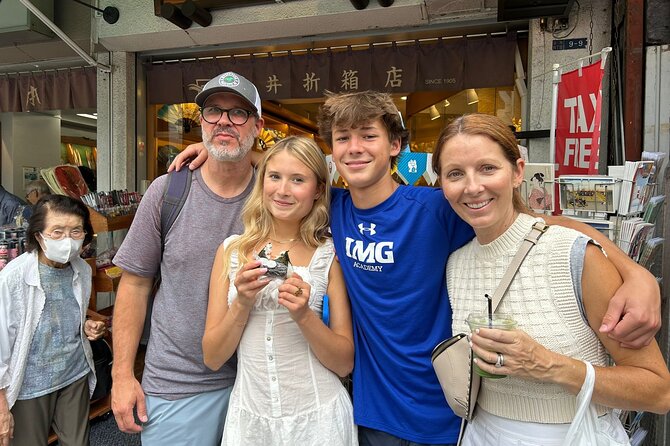
- Choose-your-own tastings: no set menu, so you control what you eat and how much you spend
- Small group max 10: easier to move, ask questions, and keep the pace comfortable
- Guide-led routing: you get help navigating a maze of stalls and crowds
- Temple + markets: the Tsukiji Hongwanji Temple stop adds a quiet reset before the food chaos
- Practical yen planning: you’ll want cash ready for samples you purchase
Why Tsukiji Feels Easier With a Local Guide

Tsukiji is one of those places where the experience can go two ways fast. Left to your own devices, you can end up wandering, guessing, and missing stalls that match your tastes. With a guide, you get a plan—and more importantly, you get context.
The tour uses a simple rhythm: a bit of history, then food you can actually eat, then more market walking. A big part of the value is how guides explain what you’re seeing and what you’re tasting. People consistently praise guides such as Rie, who encouraged tastings like sea urchin and eel, and Haydn, who made the market feel less overwhelming. That kind of on-the-spot guidance matters in Tsukiji, where the hard part isn’t getting there—it’s knowing where to look and what to order.
You also benefit from the “flex” approach. The schedule isn’t locked to one exact sequence of stalls for every group. Instead, the pace adjusts based on what the group wants to try and see. For you, that means you’re less likely to feel rushed through food decisions or stuck in the wrong pocket of the market.
You can also read our reviews of more walking tours in Tokyo


Price and Value: What the $30 Really Covers
At $30 per person for a roughly 2-hour walking experience, the cost can look small. But here’s the key: that price covers the guide and included admissions, not the food itself. Foods and drinks are not included, so you should think of this as a guided tasting and navigation service rather than an all-you-eat deal.
Included in the tour price:
- Local Japanese English-speaking guide
- Entry/admission to Tsukiji Hongwanji Temple, Tsukiji Fish Market, and Tsukiji Jogai Market
- Focus on history and culture, plus food guidance while you’re deciding what to buy
Not included:
- Foods and drinks (you choose and pay for what you eat)
This “you choose, you pay” setup is usually better value for picky eaters and food nerds. You can try a little of several things without committing to a single fixed menu. It also prevents the classic problem of paying for dishes you don’t want. The trade-off is you’ll need a real food budget on top of the $30.
A practical tip from real market-tasting feedback: bring yen (cash) for samples, since many stalls take cash for what you order. One review called out about 10,000 yen as a useful ballpark for sample food. Even if you spend less or more, going in with cash ready keeps the tour from turning into a hunt for an ATM while everyone else is eating.
Meeting Point: The Starbucks Near Tsukiji Station
The meeting point is concrete, which I love. You’ll meet at Starbucks Coffee – Tsukiji Station, Chuo City, Tsukiji, at 2-chōme 128 大広ビル 1F. The tour ends back at the same meeting point, so you’re not figuring out your way across town after a food frenzy.
Two other practical notes:
- Near public transportation, which helps if you’re connecting from another part of Tokyo
- Mobile ticket included, so you should have your phone accessible without digging through paperwork
With a maximum group size of 10, you’re also less likely to feel like you’re stuck in a large herd. That matters in Tsukiji, where spacing and crowd flow affect how much you actually get to see.
Stop 1: Tsukiji Hongwanji Temple for a Calm Reset
The tour starts with 築地本願寺 (Tsukiji Hongwanji Temple) for about 30 minutes. Yes, it’s a temple before the fish. No, it doesn’t replace the market. It works more like a breather and a cultural warm-up.
Why this stop can be a smart move:
- It gives your eyes a rest before the tight, noisy market spaces
- You get a taste of how Tsukiji isn’t only about seafood—it’s also a real neighborhood with religious and community roots
- The guide can explain architectural and local context so you understand the area beyond the food counters
One drawback to flag: some people are surprised that the first stop is a temple. If you only want maximum time eating, that first half hour might feel like a detour. But if you like having the full Tsukiji picture, the temple adds depth and helps the market portion land better.
Stop 2: Tsukiji Fish Market and the Stories Behind the Sights
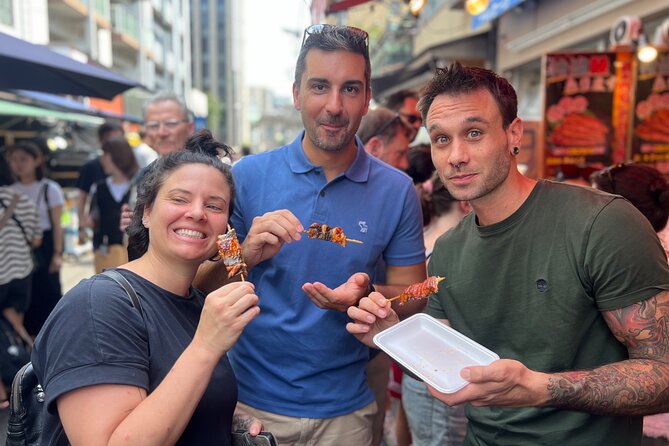
Next comes Tsukiji Fish Market for about 1 hour. This is where the atmosphere does its magic. Even if you’ve seen photos, the scale and the motion still hit in person.
The guide’s role here is huge. You’re not just walking through stalls—you’re learning the language of ingredients and the logic behind what’s popular. A standout focus is traditional sushi ingredients and other local favorites. Expect explanations that make the choices easier: what certain seafood is, why it’s used, and how to think about quality when you’re comparing options.
What you can taste (based on the tour’s described offerings):
- Fresh seafood
- Fruit
- Japanese omelets
- Fried fish cakes
- Plus other market bites the guide recommends
Also, the tour frames Tsukiji around history and culture, including world-famous tuna auction traditions. Whether you’re a seafood expert or you just love eating well, you’ll get a sense of why this market became such a global symbol in the first place.
One more practical reality: the fish market is active, and you’ll likely spend time standing and walking. The good part is the guide helps you keep moving without wasting time crossing back and forth.
You can also read our reviews of more food & drink experiences in Tokyo

Stop 3: Tsukiji Jogai Market for Street Food You Actually Want
The last stop is Tsukiji Jogai Market for about 30 minutes. This is the zone that feels more like street food energy—packed stalls, snack counters, and lots of options to pick what you want next.
This stop is included with admission, and the focus is clear: you’ll walk through a marketplace full of food choices and learn what to look for. It’s also a good moment to try things you might hesitate over earlier—either because the guide talks you into it, or because you’ve built confidence with the first tastings.
If you’re trying to plan your spending, think of this as your “final picks” section. You’ll already know how the market works by then, and you can decide what’s worth your yen at the last moment.
One thing to keep in mind: because foods and drinks aren’t included, you control the final cost by how many tastings you order. With the flexible pace and the no set menu format, you can scale up for a big food mission or scale down for a lighter hit.
Choose-Your-Own Food: How to Spend Smarter in the Market
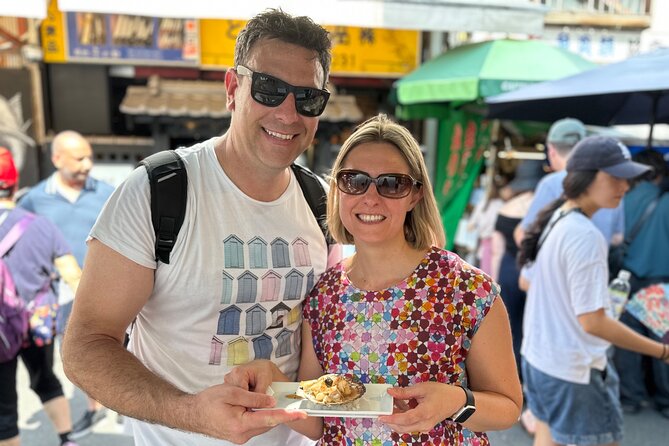
This is the part that makes Tsukiji feel personal. Instead of a fixed list, you get help selecting dishes you’ll actually enjoy. The tour’s design assumes you’ll be making choices in real time, with a guide spotting good deals and pointing you toward stalls worth your money.
Here’s how to get the most out of that model:
- Ask what’s best to try today, not what’s just popular
- Follow the guide’s logic, especially when you’re comparing similar seafood or fried items
- If you see something you’ve never tried, ask if it’s mild, salty, or “strong.” People in feedback specifically liked guides encouraging bolder tastes like sea urchin and eel
Feedback also highlights that good guides watch for value. Some guides were praised for pointing out where prices felt fair and for steering people away from less worthwhile choices. That’s a real advantage when you’re new to the market and don’t speak the full language of what’s on display.
And since cash is common for samples, make it easy on yourself: bring yen and keep a small amount ready so you’re not holding up the group.
Walking Logistics: What 2 Hours Feels Like
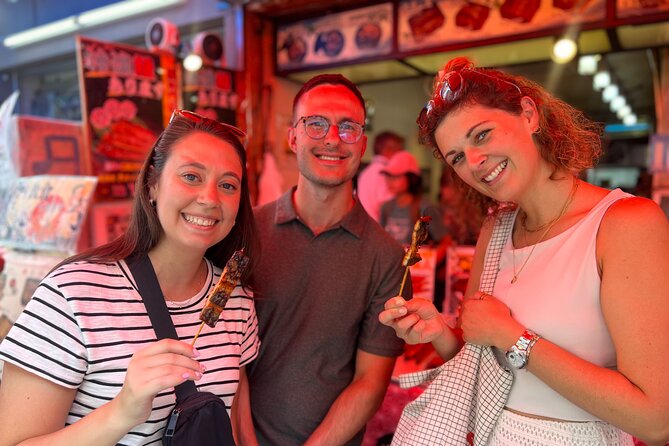
The tour runs about 2 hours. With three stops—temple, fish market, and jogai market—that time includes entry into included spots plus guided walking.
The max group size is 10, so you should feel like you can move at a human speed. You’ll also be near public transportation, and the route finishes back at the start, which reduces stress.
Most travelers can participate, and service animals are allowed. That’s helpful if you want a market experience but still care about comfort and practical access.
One more truth: this is still a walking tour in a busy area. If you’re someone who hates standing for short bursts, consider that trade-off. You’ll get plenty of food choice, but you’re not gliding on a bus.
Who This Tour Is Best For (and Who Should Skip It)
This tour is a strong fit if you:
- Want structure in a place that’s easy to get lost in
- Like food exploration with help making choices
- Enjoy learning ingredients and local context while you eat
- Prefer flexibility over a strict set menu
It’s especially useful for first-timers. Multiple guides were praised for making the market manageable and for helping people try things they might otherwise skip.
You might want to skip or choose a different option if you:
- Only want market time and don’t want a temple stop at the beginning
- Have a very tight budget for food, since you’ll pay for what you eat (and that can add up fast in a market)
- Don’t handle crowds and standing well
Should You Book This Tsukiji Fish Market Food and Walking Tour?
If you’re coming to Tokyo for food and you want Tsukiji to feel doable, I’d book it. The $30 buys you the guide plus admissions, and the choose-your-own structure lets you tailor tastings without wasting money on dishes you don’t want.
My main decision point for you is simple: be honest about your food budget. If you’re ready with yen and open to trying several small bites, this tour can turn Tsukiji from confusion into a great morning. If you want a fully included meal package or you’d rather spend every minute inside the market without that temple warm-up, you may feel slightly impatient with the flow.
FAQ
How long is the Tsukiji Fish Market Food and Walking tour?
It lasts about 2 hours.
What is included in the tour price?
The tour includes a local Japanese English-speaking guide, learning about Tsukiji history and culture, entry/admission to Tsukiji Hongwanji Temple, Tsukiji Fish Market, and Tsukiji Jogai Market.
Are foods and drinks included?
No. Foods and drinks are not included. You choose and pay for the dishes you want to eat.
Where does the tour start?
You start at Starbucks Coffee – Tsukiji Station (Chuo City, Tsukiji, 2-chōme 128 大広ビル 1F). The tour ends back at the same meeting point.
How many people are in the group?
The tour has a maximum of 10 travelers.
Is free cancellation available?
Yes. You can cancel for a full refund up to 24 hours in advance of the experience’s start time.
FAQ
Can I bring a service animal?
Yes, service animals are allowed.
Do most travelers have to pass any special requirements?
Most travelers can participate.
Do I need a ticket on my phone?
The tour offers a mobile ticket.
How flexible is the tour schedule?
There is a flexible schedule and pace based on what the tour group wants to see and try.
Is the tour near public transportation?
Yes, it’s near public transportation.