REVIEW · TOKYO
Tokyo: Meiji Shrine and Shinto Culture Walking Tour
Book on Viator →Operated by Traveling Tokyo · Bookable on Viator
One shrine walk can reset your Tokyo day. This Meiji Jingu tour gives you context for Shinto worship—so you know what you’re seeing, not just where to stand. I like that the guide explains symbolism behind common Shinto rituals and the small customs most visitors miss.
The second big win is the format: a small group (up to 15) keeps things interactive. Names that show up in past groups include Yumi, Sara, Haydn, Matt-san, and Benjamin, and the consistent theme is clear explanations plus real-time help with how to behave at key moments.
One drawback to consider: this is a walking tour at a shrine, not a sit-down show. If you dislike being on your feet for about two hours, you’ll want comfortable shoes and a calm pace.
In This Review
- Key things to know before you go
- Meiji Jingu in Harajuku: a peaceful shrine start point
- The giant wooden torii (12m x 17.1m) and what to watch for
- Purification, bowing, and other Shinto customs you’ll actually use
- Meiji Jingu’s shrine dedication: Emperor Meiji and Empress Shoken
- Two hours of walking, plus a small-group Q&A
- Price check: what $18 gets you (and why it can be worth it)
- Guides like Yumi, Sara, Haydn, Matt-san, and Benjamin set the tone
- Who should book this Meiji Jingu Shinto culture walk
- Should you book this Meiji Jingu tour?
- FAQ
- How much does the Meiji Jingu walking tour cost?
- How long is the tour?
- Where do I meet the tour?
- Is an admission ticket included?
- Is a mobile ticket provided?
- What’s included and what’s not included?
- How big is the group?
- Can I cancel for free?
- Is this tour suitable for most people?
Key things to know before you go
- You’ll learn etiquette, not just facts, including bowing at gates and ritual cleaning steps
- The giant wooden torii is the first wow moment (12 meters tall, 17.1 meters wide)
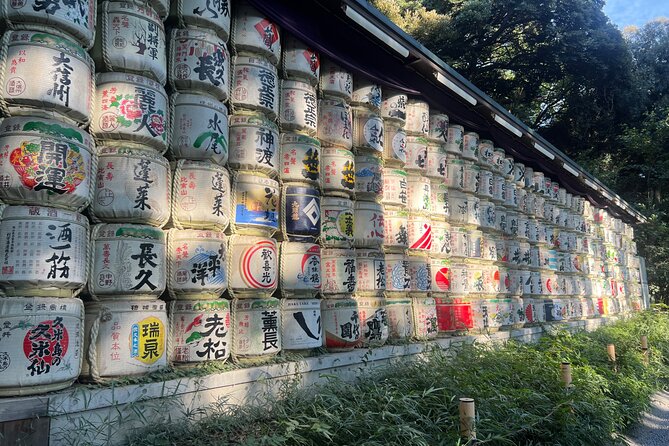
- Meiji Jingu’s setting is part of the experience—a large artificial forest of about 70 hectares
- Small group size helps you ask questions instead of listening silently
- It’s built for real understanding with historical and cultural context during the walk
- Rain doesn’t stop the meaning, and guides keep the experience moving with care
Meiji Jingu in Harajuku: a peaceful shrine start point
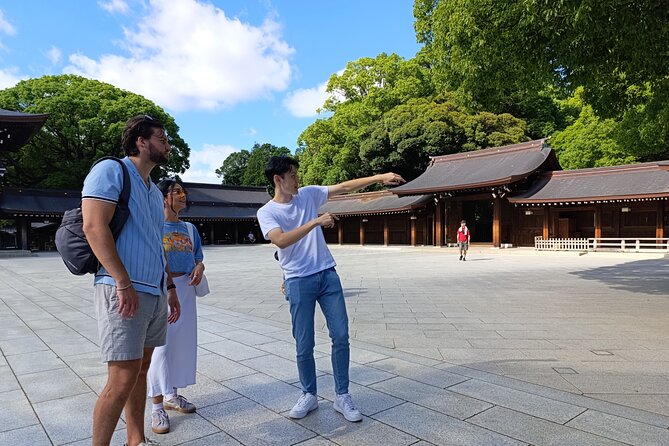
Meiji Jingu sits in the Harajuku/Shibuya area, which means you can go from city energy to quiet forest fast. The tour starts at a very practical meeting spot: Starbucks Coffee With HarajukuJapan in Jingūmae (Shibuya, 1-chōme, 14-30). It’s also marked as near public transportation, so you’re not scrambling with long transfers.
From the start, the design of the outing is clear: you’re not just ticking off a shrine. You’re getting set up to notice what makes the place different. Past groups have praised the way the grounds feel like parkland in one of Tokyo’s busiest areas, which is exactly why this tour works so well early in your day. You begin walking with a guide, and the forest atmosphere does the rest.
The shrine itself sits in a massive artificial forest of about 70 hectares. That detail matters because it helps explain the mood. Even if you’re new to Shinto, you quickly feel the shift from everyday streets into a sacred space. The guide’s job is to help you interpret what you see as you move through it.
You can also read our reviews of more walking tours in Tokyo



The giant wooden torii (12m x 17.1m) and what to watch for
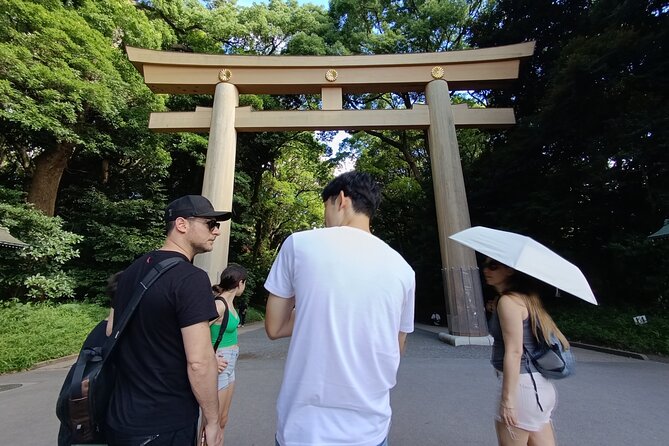
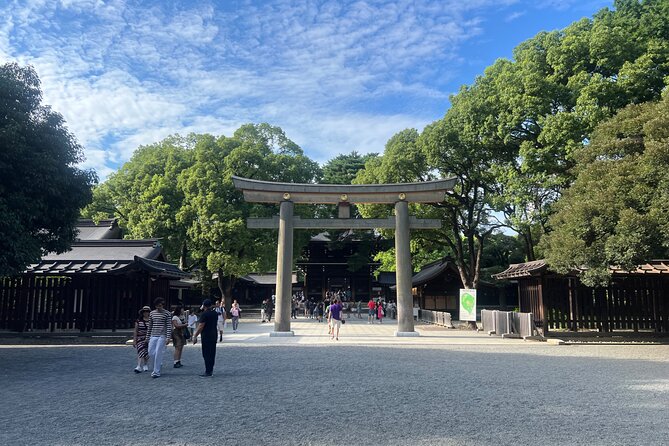
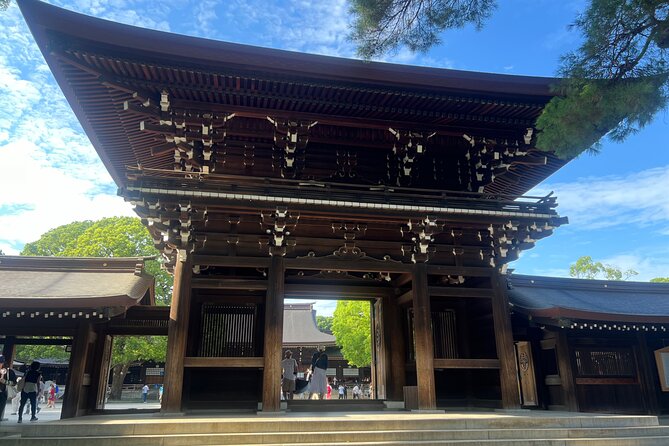
The first major landmark is a torii you’ll remember long after you leave. This one is described as the largest wooden myojin-style torii of its kind in Japan, standing 12 meters tall and 17.1 meters wide. Up close, that size changes how you experience the entrance. It’s not a decorative gate—it’s the kind of structure that makes people slow down.
A good guide is what turns that from a photo moment into an understanding moment. In past groups, guides have explained what visitors should do around the gates and why it matters. You’ll get practical guidance on behavior, including bowing at the gates. That small act is easier when someone shows you the rhythm, instead of you guessing in the middle of a crowd.
The torii entrance also sets expectations for the rest of the walk. You’re heading into a place where people follow traditions consistently. Once you know what to look for—where to stand, when to bow, and what steps come next—you’ll enjoy the procession more instead of feeling lost.
Purification, bowing, and other Shinto customs you’ll actually use
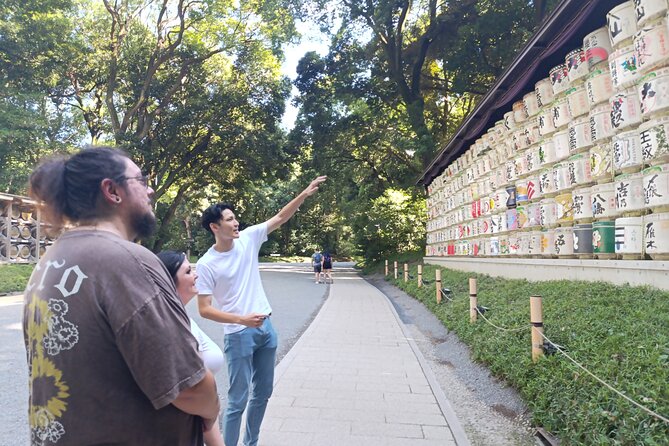
Shinto worship includes small actions that can be confusing if you don’t know what they’re for. The tour is built around exactly that: your guide helps explain temple rituals and the traditions people follow, the parts that many visitors don’t catch when they visit on their own.
In particular, you’ll get help with customs that show up early. One recurring example from past groups is ritual cleaning, often described alongside bowing at the gates. That means you’re not just walking past people doing something. You learn what the gesture represents and what your role should be as a respectful observer.
This is where the small group format helps. When you’re in a group of up to 15, you can ask simple questions like:
- What should I do first?
- When is it okay to move forward?
- What does the guide want me to notice at this stop?
That’s a big difference from a self-guided visit. With a guide, you can correct your behavior on the fly and feel comfortable, which makes the shrine experience calmer.
Meiji Jingu’s shrine dedication: Emperor Meiji and Empress Shoken
Meiji Jingu is dedicated to the deified spirits of Emperor Meiji and Empress Shoken. The shrine was established in 1920, and the tour’s narrative ties the sacred space to the people and era it honors.
Guides also spend time on how Emperor Meiji is connected to major achievements and the broader story of Japan’s modernization. Past groups have highlighted explanations about the Meiji restoration and how the guide linked those historical points to what you see in the shrine environment. Even if you don’t consider yourself a history person, that context tends to make the rituals and symbolism feel less mysterious.
Here’s the practical value: when you understand who the shrine is honoring, you stop treating everything like generic temple décor. You start paying attention to names, themes, and why the setting matters. That shift is what makes a short tour worthwhile, because it gives you a lens you can carry after you leave.
The guide also adds historical insights into the district as you move around. That helps if you’re trying to connect Harajuku’s modern energy with the older layers of Japanese tradition happening just nearby.
Two hours of walking, plus a small-group Q&A
Let’s talk logistics, because the best cultural tours still fail if the timing doesn’t fit your body.
This experience runs about 2 hours and is described as a walking tour through Meiji Jingu’s highlights. Admission ticket for the main stop is included, and the tour uses a mobile ticket, which reduces stress on the day-of. You’ll also get tour guide support throughout, plus historical insights into the district.
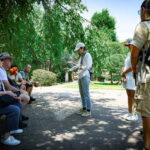
The group limit matters. With up to 15 participants, you’re more likely to get direct answers than quick one-liners. Past groups have praised how guides keep things interactive and accommodating, with room to ask questions during the walk. In practical terms, that means you can clarify etiquette instead of walking away confused.
One more practical point: the tour ends back at the meeting point, so you’re not stranded across town. That makes it easy to plan your next stop in Harajuku or Shibuya without juggling complicated routes.
And yes, it can be rainy in Tokyo. Past groups have even shared that guides keep the experience meaningful despite rain, which is reassuring if you’re scheduling this around unpredictable weather.




Price check: what $18 gets you (and why it can be worth it)
At $18 per person for about two hours, you’re paying for three things:
- A guide who explains rituals and symbolism (the part most people miss)
- A small-group setup that supports questions
- Admission included for the shrine portion
Tips are not included, so you should plan for that if you find the guide helpful. Still, the basic structure is strong value for Tokyo: you’re not just buying access, you’re buying clarity.
If you’re the type who likes to wander and read signs, you might wonder why a guide is needed. Here’s the reality: shrine etiquette and ritual steps often make sense only when someone points them out at the right moment. Paying $18 can save you the awkward feeling of doing the wrong thing and the frustration of not understanding what you’re seeing.
In other words, this tour is less about seeing more, and more about understanding what you already came to see.
Guides like Yumi, Sara, Haydn, Matt-san, and Benjamin set the tone
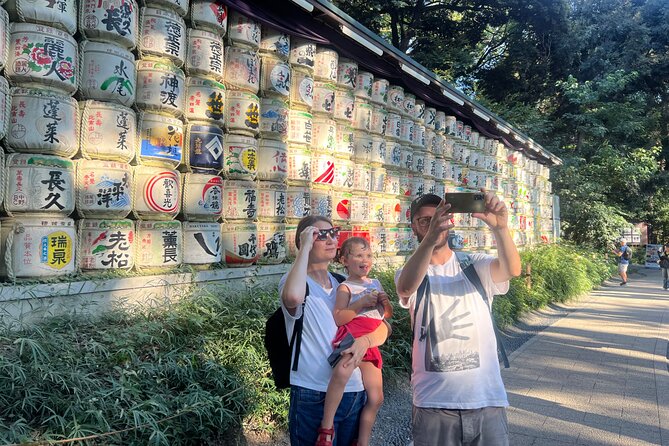
One reason this tour gets strong praise is consistency in the guide approach. While you can’t count on the exact same person every time, past groups have highlighted guides such as Yumi and Sara for being friendly, interactive, and generous with context. They’ve also noted that some guides include practical Tokyo navigation tips, which is a bonus if you’re new to the Harajuku area.
Haydn has been praised for leading a small group smoothly while explaining Shinto culture in detail. Matt-san has been recognized for kind guidance even when weather was rough, plus clear explanations tied to the Meiji restoration and Emperor Meiji’s achievements. Benjamin has been described with a calm, respectful tone, with explanations ranging from bowing at the gates to ritual cleaning.
You can use this to choose your mindset before you go. Go in with questions ready:
- I want to know what I should do at ritual moments.
- I want to understand the shrine dedication without needing a textbook.
- I want to leave with a clearer sense of Shinto traditions I can recognize elsewhere.
With the right guide, that’s exactly the payoff.
Who should book this Meiji Jingu Shinto culture walk
This tour is a good fit if you’re:
- Interested in Shinto religion but don’t want to guess about etiquette
- Visiting Meiji Jingu for the first time and want context fast
- Traveling with family or friends and want a guided pace for about two hours
- Hoping to ask questions rather than silently observe
It’s also described as suitable for most travelers, and the meeting setup is straightforward. If you like structure—where you know what to look for and what comes next—this tour helps you get value without turning your day into a scavenger hunt.
If your ideal shrine visit is fully independent and sign-reading heavy, you can DIY it. But you’d need to accept that many of the meaningful ritual moments will go by without explanation unless you research ahead.
Should you book this Meiji Jingu tour?
Book it if you want a guided, respectful introduction to Meiji Jingu that explains rituals and etiquette while you’re standing in the middle of them. The giant torii, the forest setting, and the shrine dedication are already impressive on their own. What you’re really paying for is the guide’s ability to translate all that into something you understand.
Skip it only if you truly prefer self-guided wandering and you’re comfortable figuring out ritual customs on your own. Otherwise, for the price, the small group size, and the admission included, this is a smart way to make your shrine visit feel meaningful instead of confusing.
FAQ
How much does the Meiji Jingu walking tour cost?
The price is $18.00 per person.
How long is the tour?
The duration is about 2 hours.
Where do I meet the tour?
The meeting point is Starbucks Coffee With HarajukuJapan, listed at 150-0001 Tokyo, Shibuya, Jingūmae, 1-chōme 14-30 (WITH HARAJUKU).
Is an admission ticket included?
Yes. The tour includes an admission ticket for Meiji Jingu as part of the experience.
Is a mobile ticket provided?
Yes. The tour uses a mobile ticket.
What’s included and what’s not included?
Included: a tour guide and historical insights into the district. Not included: tips.
How big is the group?
The tour has a maximum of 15 travelers.
Can I cancel for free?
Yes. Free cancellation is available, and you can cancel up to 24 hours in advance for a full refund.
Is this tour suitable for most people?
It’s described as suitable for most travelers. Confirmation is received at booking time, and the tour is near public transportation.