REVIEW · TOKYO
Tokyo: Tsukiji Fish Market Walking Tour
Book on GetYourGuide →Operated by Travel Tokyo · Bookable on GetYourGuide
Seafood shopping in Tokyo feels like a sport. This Tsukiji Fish Market walking tour takes you through Tsukiji Outer Market and turns it into an easy, guided food mission with real stories from people selling the stuff. You’ll also get culture context, not just a walk-by, and guides you might meet include Yayoi and Nicholas.
I especially like how the tour helps you decide what to eat. With a small group (limited to 10), you’re not stuck hovering at one stall, and I like that guides share what locals actually buy and why. Another big plus is the tastings: you may try items like fatty tuna, Kobe beef, mochi, wasabi beans, eel, and other market bites that are hard to pick out on your own.
One thing to plan for: you’ll need to bring cash. Some sampling spots don’t take cards, and a couple of quick “I wish I had money ready” moments can slow you down in a market this busy.
In This Review
- Key Highlights You’ll Actually Notice on the Tour
- Meet at Starbucks Near Tsukiji Station: A Smooth Start
- Tsukiji Outer Market in Two Hours: What the Walk Really Looks Like
- The Tastings: Foods You Might Try and How to Approach Sampling
- Guide Power: Vendor Stories, Culture Notes, and Fast Ordering
- Price and Value: Why $17 Works for a Market Tour
- Money Tips: Why You Should Bring Cash for Sampling
- Who This Tour Suits Best (and Who Should Rethink It)
- Should You Book This Tsukiji Fish Market Walking Tour?
- FAQ
- Where does the tour start?
- How long is the Tsukiji Fish Market Walking Tour?
- How much does it cost?
- What’s included in the price?
- Is hotel pickup included?
- What language is the tour guide?
- How big is the group?
- Is the tour wheelchair accessible?
- Do I need to bring anything?
- What’s the cancellation policy?
Key Highlights You’ll Actually Notice on the Tour
- Small group (up to 10): easier questions, faster decisions, and less time lost between stalls
- English live guide: you get practical explanations for how seafood is used in Japanese cooking and daily habits
- Tsukiji Outer Market focus: you’ll concentrate on the eating-and-shopping zone instead of trying to “figure it out” alone
- Tastings with choices: you’ll have chances to try multiple foods, including items like tuna sushi, toro, and wagyu skewers (varies by stop)
- Meeting at a familiar landmark: Starbucks near Tsukiji Station makes it simple to find the start
Meet at Starbucks Near Tsukiji Station: A Smooth Start
The tour starts at Starbucks Coffee near Tsukiji Station, about a 2-minute walk away. That matters more than it sounds. Tsukiji’s area can feel like a maze when you’re arriving early, and a clear meeting point helps you get oriented fast, especially if you’re pairing this with the rest of your Tokyo day.
Timing also works well because the tour is 2 hours. You’re not committing to a long food crawl that hijacks your whole morning. If you’re doing other Tokyo highlights that day, this gives you a tight window to taste, learn, and still have energy left.
No hotel pickup is included, so plan to arrive on your own. In practice, that means you should keep your route simple: get to Tsukiji Station first, then walk to the Starbucks meetup point.
You can also read our reviews of more walking tours in Tokyo


Tsukiji Outer Market in Two Hours: What the Walk Really Looks Like
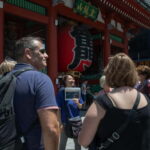
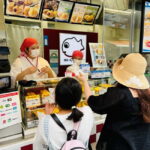
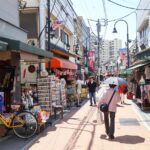
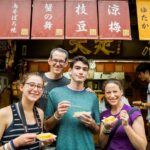
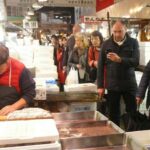
This tour stays centered on Tsukiji Outer Market for the guided portion. You’ll walk stall-to-stall, with your guide guiding where to look and what’s worth stopping for. That focus is valuable because Tsukiji can be overwhelming if you’re trying to do everything at once.
A good part of the experience is hearing the market’s role in Japanese seafood culture and culinary traditions. You’ll also get vendor stories, which turns the stalls from background scenery into something you can actually read. It’s the difference between seeing fish-related displays and understanding why certain items are treated as everyday staples or special treats.
One detail that shows up in some outings: you may make a brief stop at a local shrine, including Tsukiji Hongwanji Temple. Even if it’s short, it’s a nice rhythm break during the market crowds, and it adds a layer of local context beyond food.
Practical expectation: the outer market experience leans more toward stalls, snacks, and specialty goods than a formal “see huge fish auctions” type of view. One participant noted that they didn’t see as much fish display as they expected, so if your mental picture is walls of fish for viewing, keep your expectations aligned with a food-and-shopping market walk.
The Tastings: Foods You Might Try and How to Approach Sampling
The tour is built around tasting and learning, and the best advice is to show up hungry and keep your senses open. People often rave about unique choices you might never order if you were wandering alone, because the guide steers you toward what makes sense right there in the market.
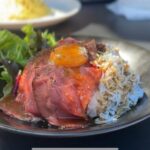
Based on the tastings people describe from these tours, you might encounter:
- Tuna focused bites like tuna sushi and toro
- Wagyu in forms such as skewers
- Rich seafood items like oysters
- Japanese sweets such as mochi
- More adventurous small plates like wasabi beans
- Meat or seafood variety like eel and other specialty bites
- Optional drinks at some stops, including Sapporo (mentioned as part of the experience for some groups)
A useful way to think about it: you’re not just paying for food. You’re paying for decision-making help in a place where the menu options aren’t labeled in a way that makes sense quickly. The guide reduces the guesswork by explaining what you’re looking at and why it’s worth trying.
Also, the food selection tends to be spread out across the walk. That’s why 2 hours feels like the right length: you can try multiple items without turning the market into a full-day endurance test.
Guide Power: Vendor Stories, Culture Notes, and Fast Ordering
If I had to pick one reason this tour earns such high marks, it’s the guides. The tour is live guided in English, and the guide’s job isn’t only to point. It’s to connect you to what you’re seeing and to keep you moving toward stops where your money and attention get the best payoff.
Different guides show up across tours, including Yayoi, Nicholas, Yota, Doren, Shingo, Ryo, and Nao. Across the names, the pattern is the same: people get clear explanations that help them understand market habits and local food choices.
What you’ll likely notice during the walk:
- You’ll hear why certain seafood items matter in Japanese cuisine, not just what they taste like
- You’ll get guidance on which stalls are worth stopping at, instead of bouncing from place to place
- You’ll get practical context about restaurants and specialties, which can make your later Tokyo meals easier
- You’ll be able to ask questions in a real back-and-forth way because the group is small
One of the smartest moments on this kind of tour is when you realize how much easier ordering becomes after someone explains the logic. That’s how you end up trying things like eel or wasabi beans and realizing they’re not random “try it for fun” items, but part of real food culture.
Price and Value: Why $17 Works for a Market Tour
At $17 per person for a 2-hour guided walking experience, this is priced like a value slot in Tokyo. The key isn’t just the cost. It’s what you’re getting for that time: a guide who helps you choose, plus structured access to multiple stalls and tasting opportunities.
Here’s the value math that makes sense for many people:
- You save time from wandering and second-guessing
- You get cultural context that makes your shopping decisions easier
- You reduce the risk of buying something you don’t actually know how to use or enjoy
- With a small group (up to 10), the guide can keep everyone on track without turning it into a crowd herding situation
Food tours can get expensive fast once you’re paying for multiple tastings plus guide time. This one stays lean: walking tour plus guide, which keeps the price reasonable. Your tastings are effectively part of the experience, but you’re also paying for the navigation and explanations that help you enjoy what the market does best.
You can also read our reviews of more shopping tours in Tokyo




Money Tips: Why You Should Bring Cash for Sampling
Bring cash. Seriously.
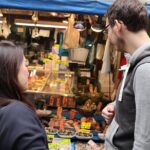
The tour instructions say to bring cash, and the experiences described by people emphasize that some sampling spots don’t take cards. In a market setting, it’s easy to slow down when you’re trying to find an ATM or waiting for payment to go through.
My suggestion: come prepared with small bills and coins if you can. It keeps the pacing smoother and helps you say yes to more stops, instead of passing because you’re stuck at a payment wall.
Also, think of tastings as flexible. You might find yourself wanting extra bites after something clicks. Cash makes that choice easier.
Who This Tour Suits Best (and Who Should Rethink It)
This is a great fit if you like food, you want context, and you don’t want to spend your Tokyo time stuck in “what should I buy?” mode.
You’ll probably enjoy it most if:
- You’re visiting Tsukiji for the first time and want guidance right away
- You want to try seafood-focused foods beyond the basics
- You like having a guide explain how ingredients connect to everyday Japanese cooking
- You enjoy small-group experiences where you can ask questions
You might want to adjust expectations if:
- You’re hoping for a lot of open-air fish display only, with minimal eating-and-shopping focus
- You dislike crowds and markets (Tsukiji is active, even with a guide managing the route)
- You’re traveling with a very tight schedule and can’t handle 2 hours of walking and sampling
Also note: it’s wheelchair accessible, which makes it friendlier for more mobility needs than many market experiences.
Should You Book This Tsukiji Fish Market Walking Tour?
Yes, I think you should book it if you want the smart way to see Tsukiji Outer Market: guided, timed well, and centered on tasting choices with cultural explanations. The guide factor is the main reason this works. With a small group cap at 10 and English support, it’s set up so you’re not just another person wandering and hoping you ordered the right thing.
Book it especially if you’re the type who likes trying new foods but needs a bit of direction. The cash requirement is the only real “gotcha,” and it’s easy to handle if you plan ahead.
If you want one Tokyo market experience that gives you both food and meaning in two hours, this is a strong pick.
FAQ
Where does the tour start?
The tour meets at Starbucks Coffee close to Tsukiji station, about a 2-minute walk away.
How long is the Tsukiji Fish Market Walking Tour?
The tour lasts 2 hours.
How much does it cost?
It costs $17 per person.
What’s included in the price?
You get a walking tour and a live tour guide.
Is hotel pickup included?
No, hotel pickup and drop-off are not included.
What language is the tour guide?
The tour is conducted in English.
How big is the group?
The tour is a small group limited to 10 participants.
Is the tour wheelchair accessible?
Yes, it is wheelchair accessible.
Do I need to bring anything?
You should bring cash.
What’s the cancellation policy?
You can cancel up to 24 hours in advance for a full refund.