REVIEW · TOKYO
Tokyo: Private Walking Tour with a Local Guide
Book on GetYourGuide →Operated by Tokyo Vibes · Bookable on GetYourGuide
Tokyo can feel like a maze on day one. This private walking tour gives you a map made by locals.
I like the custom route idea, because you choose what matters and the guide builds a plan around your energy and timing. I also like that you get pickup in central Tokyo plus help using public transport, so you spend less time figuring out stations and more time seeing real places. One consideration: this is a walk-and-train day, so comfortable shoes are non-negotiable and it is not suited for wheelchair users or major mobility limits.
In This Review
- Key points that make this tour worth your time
- Why a private walking tour beats guessing Tokyo solo
- Price and what $53 buys you in real terms
- Meeting your guide: pickup zones and WhatsApp communication
- How the 2–8 hour options change what you can actually see
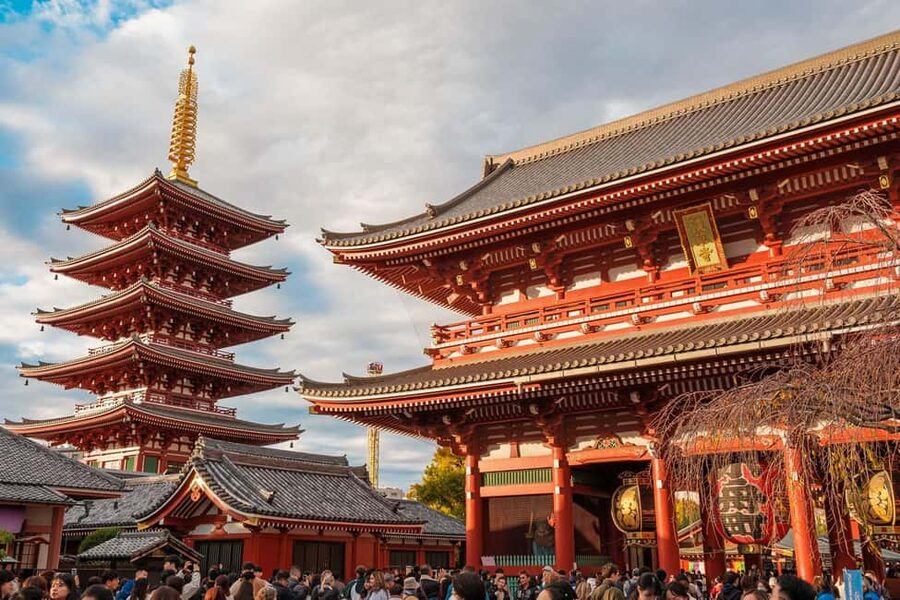
- Sensō-ji and Asakusa: where the day starts feeling like Tokyo
- Ueno and Ameya-Yokocho: parks, temples, and a market mood
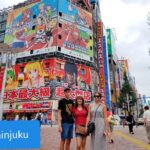
- Akihabara: tech, pop culture, and fast-changing streets
- Shibuya Crossing and Harajuku: iconic Tokyo visuals, with a calmer route
- Meiji Shrine: a reset between the city’s noise
- Tsukiji Outer Market: food browsing with less stress
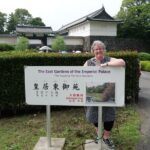
- Ginza and Tokyo Imperial Palace: the polished side of Tokyo
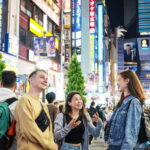
- Shinjuku and the big-city show: where the day can end strong
- Public transport and walking pace: the real make-or-break
- What to bring (and what to skip) so the day feels smooth
- Who this tour fits best (and who should consider another option)
- Guides you might meet: style and strengths to look for
- Should you book this private Tokyo walking tour?
- FAQ
- How long is the Tokyo private walking tour?
- Is this a private tour or shared with other people?
- What places might we visit during the tour?
- Are temple and shrine entrance fees included?
- What is included in the price besides the guide?
- What should I bring, and what is not allowed?
Key points that make this tour worth your time
- True local-style planning: You share interests, then the itinerary gets confirmed with your guide 24 hours before the walk.
- Temple and shrine entrance fees covered: You can focus on the experience without doing extra ticket math for those sites.
- Flexible pacing by stop: Each location has its own time window, so the day stays relaxed rather than rushed.
- Icon + neighborhood mix: You can combine classic sights with areas that feel more like everyday Tokyo.
- English-speaking guide, private group: Communication stays easy and the conversation can match your curiosity.
- Photography help is common: Many guides are happy to take photos for your group and send them after.
Why a private walking tour beats guessing Tokyo solo
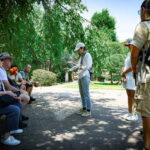
Tokyo is huge, and first-time planning often turns into: pick a few pins on a map, then pray the subway connects fast enough. A private guide changes that. You get a human decision-maker who can steer you toward the right spot at the right time, based on what you want to see.
I also like that this is not just a checklist tour. It is built around a “you pick the places” method, which works well when your group wants different things (one person loves temples, another wants shopping streets, another just wants photo stops that actually look good).
You can also read our reviews of more walking tours in Tokyo

Price and what $53 buys you in real terms
$53 per person can look like “is that cheap?” or “is that too good to be true?” The value comes from what’s included.
You get a private walking tour with hotel or accommodation pickup and drop-off in central Tokyo, plus a guide who moves with you using public transportation. On top of that, temple and shrine entrance fees are covered, which adds up if your route includes more than one major spiritual site. The biggest cost you may still control is food, since meals and beverages are not included.
If you already planned to visit several temples/shrines and you want a low-stress way to hop between districts, this tends to pencil out well. If you only want a couple of stops, or you’re hoping for lots of paid attractions beyond temples and shrines, you’ll likely feel the “not included” items more.
Meeting your guide: pickup zones and WhatsApp communication
You’ll meet your guide at your hotel or accommodation in central Tokyo or at your chosen preferred meeting place in Tokyo. Pickup options cover multiple neighborhoods, including Shinjuku, Shibuya, Ginza, Chiyoda, Minato, Taito, Koto, Sumida, Meguro, Shinagawa, Nakano, Bunkyo, and more.
Before the day starts, your guide reaches out on WhatsApp within 24 hours prior. You’ll want to be ready to share preferences early—what you love, what you want to skip, and anything you’re excited to photograph. Your final route is shared and set about a day ahead, so you are not stuck with a surprise list.
Practical note: the guide will handle the walking plan and the public-transport flow. You just have to show up with comfortable shoes and basic essentials like a card and some cash.
How the 2–8 hour options change what you can actually see
The tour comes in different lengths, with the sample route showing how the stops can shift depending on time. A shorter version tends to focus on fewer districts, while the longer versions let you add more variety, usually by stacking a classic area with a second neighborhood.
Here’s the key: you do not have to rush. The way it is described, each stop has its own duration, and the final schedule is finalized with your guide based on your needs. That matters in Tokyo because travel time can eat your day if you guess wrong.
If you’re using Tokyo for your first full day and you want orientation, choose a duration that lets you reach both “old Tokyo” and “modern Tokyo” without sprinting. If you only have half a day, tell your guide which theme matters most—temples, shopping, or iconic views.
Sensō-ji and Asakusa: where the day starts feeling like Tokyo
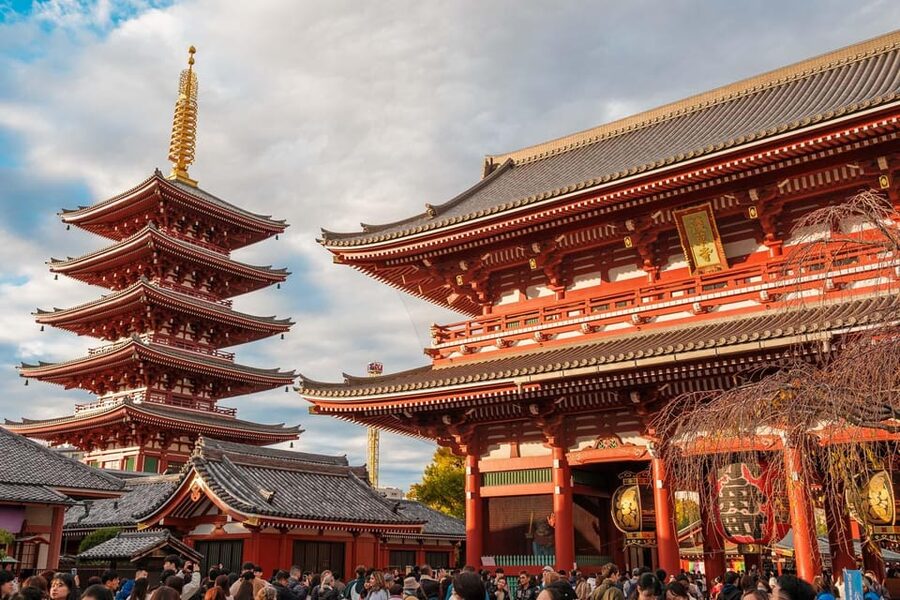
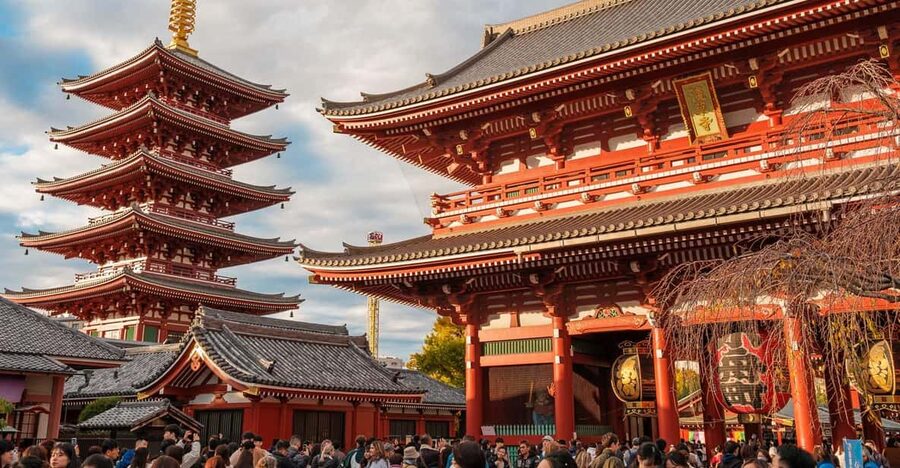
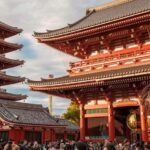
A common starting cluster is Sensō-ji Temple and Asakusa. This part of Tokyo is a strong first lesson in how tradition and daily street life sit side by side.
Sensō-ji is the kind of place that can overwhelm you if you just walk in with no context. A guide helps you understand what you’re looking at—what the site represents, why the crowds move the way they do, and what areas you might want to linger at rather than just pass through.
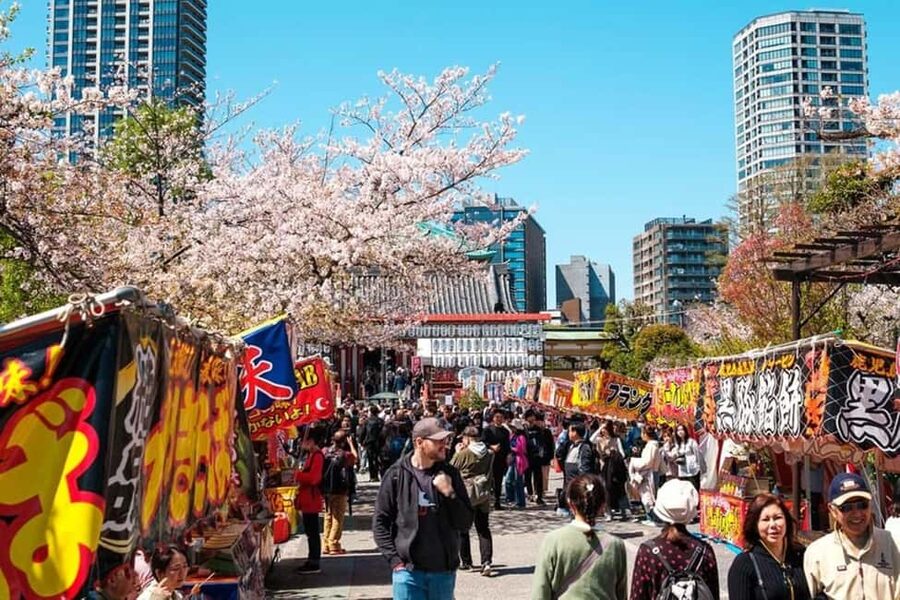
Asakusa then keeps the momentum going with street energy that feels more local than tourist-only lanes. The benefit of doing this with a guide is not only the sights; it’s the pacing. You can spend enough time to enjoy it, without turning it into a stop-and-snap marathon.
You can also read our reviews of more guided tours in Tokyo


Ueno and Ameya-Yokocho: parks, temples, and a market mood
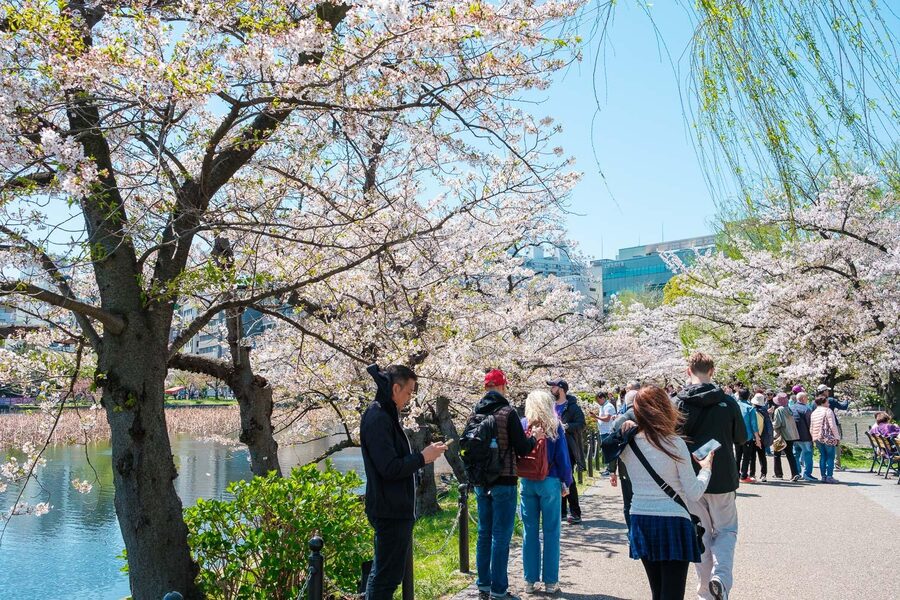
If your plan includes Ueno, expect a mix of culture and motion. Ueno often works as a breather compared to the nonstop rush of the biggest city centers, yet it’s still full of things happening.
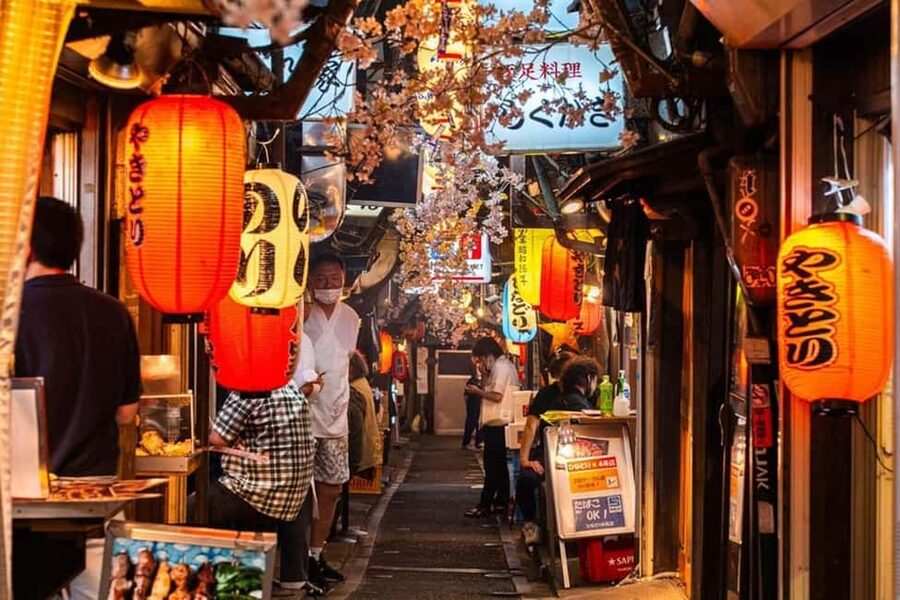
From there, Ameya-Yokocho adds a market vibe—shopping streets where you can browse, compare prices, and watch daily routines unfold. This is a great place if your group wants something besides “only landmarks.” You can also use this stop to recalibrate: take a snack break, reset your legs, and then continue with clearer focus.
The trade-off is simple: markets and transfer stations get crowded. Your guide can help you choose lines and routes, but you still need a plan for stamina—bring water and wear shoes that won’t punish you by hour three.
Akihabara: tech, pop culture, and fast-changing streets
Akihabara is often where Tokyo turns into something more playful. It’s known for electronics and pop-culture shopping, and a private guide can help you move through it with purpose instead of wandering in circles.
If you’re a fan of games, gadgets, or themed shops, this stop can be a highlight because it’s built for browsing. If you’re not into shopping, you might still enjoy it as a contrast point after more traditional sites.
One consideration: Akihabara can expand quickly once you start walking down side streets. If you want to keep control of time, tell your guide your must-visit categories so you do not lose the afternoon to “just one more shop.”
Shibuya Crossing and Harajuku: iconic Tokyo visuals, with a calmer route
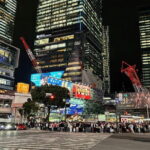
A classic modern pairing in the sample route is Shibuya Crossing plus Harajuku. Shibuya Crossing is the photo stop everyone knows. Doing it with a guide helps you manage angles and timing so you don’t just stand in the thick of it for no reason.
Harajuku adds style and youth-culture energy. It’s a good match if you want to see Tokyo that feels current, not only historical. With a private guide, you can also choose whether you want the main lanes or a quieter approach that still feels authentic.
From a practical angle, these areas can be dense. Your guide can keep your group moving and help you avoid wasting time in the wrong direction. I’d rather have that than fight crowds while checking maps.
Meiji Shrine: a reset between the city’s noise
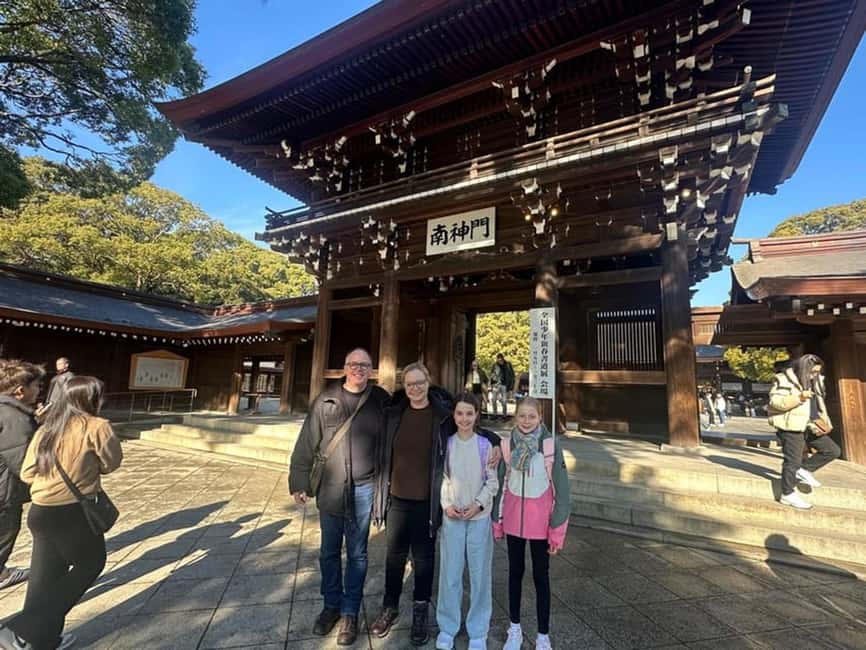
Meiji Shrine is one of those stops that changes your whole rhythm. After crossing big districts, this offers a more reflective pace, and it helps you see Tokyo as more than neighborhoods and shopping streets.
What makes this stop valuable on a private tour is interpretation. A guide can explain the spiritual setting and the etiquette cues, which helps you feel comfortable rather than like you are interrupting the moment.
If your group includes anyone who wants a calmer experience, put Meiji Shrine on the priority list. It often becomes a memory anchor because it breaks up the day.
Tsukiji Outer Market: food browsing with less stress
The sample itinerary includes Tsukiji Outer Market, which is a strong option if you want a morning or midday activity that feels like Tokyo’s street-level culture. Even if you do not plan to eat a full meal, browsing here gives you a sense of what locals chase and buy.
This is also a great stop for a guide-led “what to try” approach. You can ask for recommendations based on preferences, and the guide can steer you away from food decisions that waste time.
Budget note: meals are not included, so you’ll want cash or card ready. Also, plan your walk after you eat. Market snacks can make you slower, and you’ll thank yourself for pacing.
Ginza and Tokyo Imperial Palace: the polished side of Tokyo
If your route includes Ginza, you’ll see Tokyo’s upscale shopping and city design in a more orderly setting. It’s a nice contrast after the more casual street scenes.
Then Tokyo Imperial Palace can add a sense of ceremony and scale. This pairing often works when your group wants variety: one area that feels modern and sleek, followed by a site that feels historic and formal.
The best part of having a guide here is understanding the logic behind the spaces—what you should notice from a walking perspective and how to keep the route efficient. Without a plan, you can spend extra time walking to viewpoints that only look good from a specific angle.
Shinjuku and the big-city show: where the day can end strong
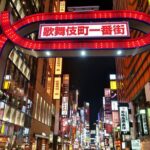
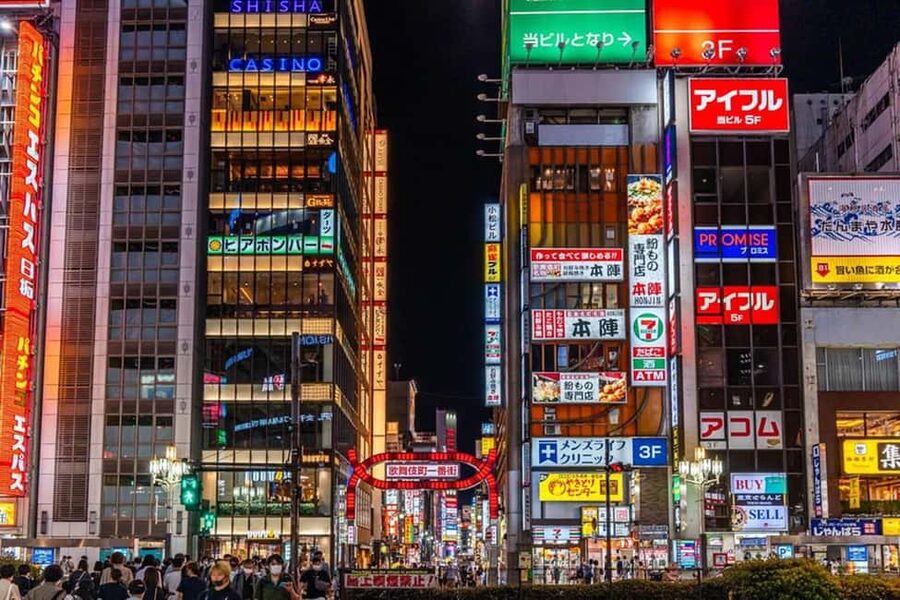
Shinjuku appears as part of the sample choices, and it’s a natural place to finish or build in if you want big Tokyo energy. Shinjuku is one of the districts where you feel how massive the city really is.
On a private tour, Shinjuku can work as a flexible capstone. If you still have energy, you can push for a few more stops around the area. If you’re tired, the guide can reduce walking and focus on fewer key points.
This is also where you might enjoy a final “Tokyo orientation” moment—your guide can point you toward easier directions for the rest of your trip, especially if you’re heading into more independent exploration after the tour.
Public transport and walking pace: the real make-or-break
The tour includes moving around using convenient public transportation, while still being a walking experience. The guides are typically good at using trains efficiently, which matters because Tokyo transit can be intimidating on your own.
In practice, the biggest quality difference between a mediocre guide and a great one is how they handle movement: where you enter a station, how you line up, and how you keep the group together without causing extra detours.
Also, the group is private, so you can set your pace. Some guides are known for checking in for energy and adjusting stops, which is crucial in a long day. I’d treat comfort as a planning tool: tell your guide if you want more walking, more sitting, or a smarter mix.
What to bring (and what to skip) so the day feels smooth
This is not a “pack light and hope” situation. You’ll be on your feet, so bring:
- Comfortable shoes
- Passport or ID card
- Credit card and some cash
- Anything you normally use for quick photos
Skip what the tour does not allow: smoking, drones, and littering. Also, baby strollers and baby carriages are not allowed. And if you need wheelchair access, this tour is not suitable.
A small but important tip: plan your clothing for weather. Tokyo walking can get hot, humid, and crowded, so breathable layers help.
Who this tour fits best (and who should consider another option)
This private tour is a strong match if you:
- Are visiting Tokyo for the first time and want a first-day orientation
- Want a custom plan instead of a fixed route
- Care about a mix of temples/shrines, iconic spots, and neighborhoods
- Prefer an English-speaking guide who can answer questions without you losing the flow
It may not be the best fit if you:
- Need wheelchair access or have serious mobility limitations
- Want purely one-district sightseeing with minimal walking and transit
- Are allergic to crowds, since some stops involve busy areas and transfer routes
Guides you might meet: style and strengths to look for
The guides listed in the experience profiles show a pattern: strong communication, real attention to your interests, and good logistics.
You might be guided by people like Miwa, Rika, Momo, Hina, Yossy, Kanako, Gabriel, Momoha, Saya, or Yoshie. Many have been praised for tailoring the day, using clear English, organizing routes efficiently, and keeping the pace friendly rather than frantic. Some are also noted for taking photos and sending them afterward.
When you message your preferences, you can ask for what you want the day to feel like: more spiritual, more shopping, more street scenes, more photography, or more quiet breaks. A good guide will treat those requests like real inputs, not afterthoughts.
Should you book this private Tokyo walking tour?
Book it if you want the fastest path to a Tokyo overview with less guessing, more context, and a day that flexes around your interests. The included temple and shrine entrance fees, pickup and drop-off, and the fact that you move with a guide using public transport are big parts of the value.
Skip it or consider a different format if you want only a single neighborhood, hate walking and transit, or have mobility needs that require wheelchair accessibility.
If you’re trying to decide between a DIY day and a guided private plan: I’d lean guided. In Tokyo, saving time and stress is often worth more than squeezing in one extra stop on your own. This tour is built for exactly that kind of win.
FAQ
How long is the Tokyo private walking tour?
The duration range is 2 to 8 hours, depending on the option you choose. Availability and starting times vary by date, and your final route is confirmed with your guide 24 hours before the tour.
Is this a private tour or shared with other people?
This is a private group experience, meaning you have your own local guide and your group size stays private.
What places might we visit during the tour?
The sample route includes Sensō-ji, Asakusa, Ueno, Ameya-Yokocho, Akihabara, Shibuya Crossing, Harajuku, Meiji Shrine, Tsukiji Outer Market, Ginza, Tokyo Imperial Palace, and Shinjuku. Your booked itinerary may vary based on your selected duration and your preferences.
Are temple and shrine entrance fees included?
Yes. Temple and shrine entrance fees are covered as part of the tour.
What is included in the price besides the guide?
Included are a private walking tour with an English live guide, hotel or accommodation pickup and drop-off, and help moving around using public transportation. The tour is also described as being tailored to your preferences.
What should I bring, and what is not allowed?
Bring passport or ID, comfortable shoes, cash and credit card. Not allowed items and behaviors include baby strollers, smoking, drones, and littering.