REVIEW · BOSTON
Boston: Full Revolution Story Epic Small Group Walking Tour
Book on GetYourGuide →Operated by The Revolutionary Story Tour · Bookable on GetYourGuide
Boston’s Revolution story runs street to street. This tour connects the famous moments with the actual neighborhoods, using a single, story-driven route instead of a stop-by-stop checklist. You’ll see world-changing events like the Boston Massacre and the road to the Declaration of Independence laid out in a way that makes the city feel like part of the plot.
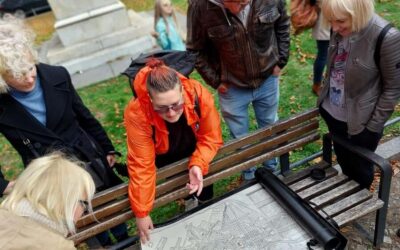
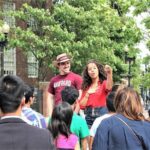
What I like most is the format: a small group (about 16) with no costumes and no awkward reenacting. Guides such as Tyler and Mike are praised for turning names and motives into something you can follow, with maps, visuals, and even Lego-style aids. The second big win for me is the breadth: you get classic Revolutionary sites plus off-the-path Boston corners and modern streets, so the tour doesn’t end once you leave the Freedom Trail.
One thing to plan for: it takes a moderate pace of walking. It’s mostly flat, but there’s a hill up and stairs (down) toward the end, and it’s not a fit for people with mobility impairments.
In This Review
- Key reasons this tour is a winner
- City Hall Plaza kickoff: where the Revolution connects to real streets
- Freedom Trail landmarks, but told with motive and timing
- King’s Chapel Burying Ground and Granary Burying Ground
- Park Street Church and Old City Hall: where civic power shows
- Boston Latin School and the Benjamin Franklin statue
- Old State House and the Boston Massacre site
- Old Corner Book Store and Old South Meeting House
- Post Office Square and Liberty Square: modern downtown, Revolution-era echoes
- Quincy Market break: where the tour gets practical
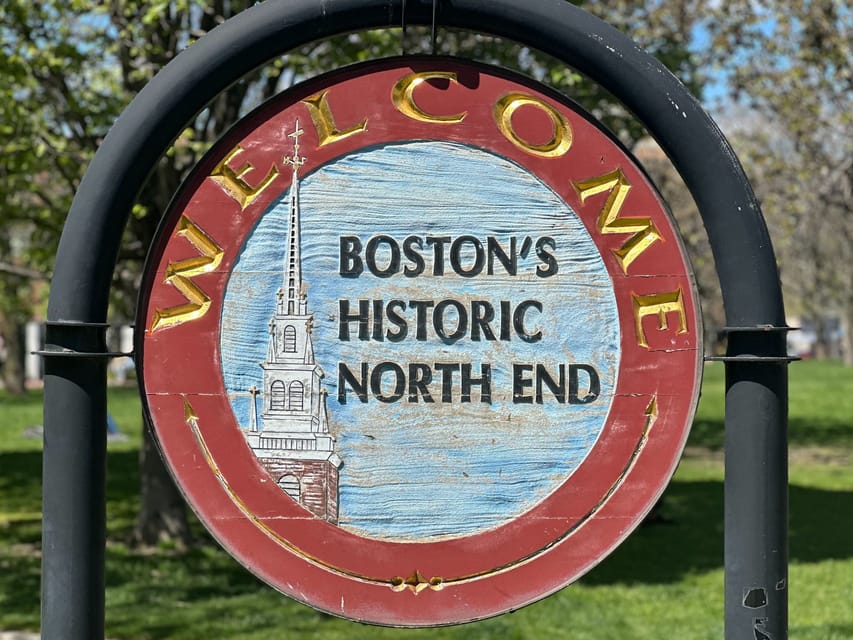
- Paul Revere and the North End: messages, meetings, and the city’s tighter streets
- Paul Revere House and North End walk
- Paul Revere Mall photo stop and Old North Church
- Copps Hill: the views that make the story feel real
- USS Constitution pass and Bunker Hill Monument
- Charter Street Park, Harborwalk, Pilot House Park, and Lewis Wharf finish
- Pace, group size, and what to wear so the walk feels good
- Price and value: why $57 can feel cheap if you care about the how-and-why
- Who this tour fits best (and who might want a shorter one)
- Should you book the Boston Full Revolution Story walking tour?
- FAQ
- How long is the tour?
- Where do you meet, and where does the tour end?
- How big is the group?
- Is the walking difficult?
- What sites are included on the route?
- Is there a restroom break?
Key reasons this tour is a winner

- Story-first route across Boston instead of only the Freedom Trail line
- Small group size that keeps you with the guide and makes it easier to ask questions
- No costumes, no reenacting; just smart storytelling with props
- Real citywide navigation with downtown, North End, and harbor views
- Restroom + Faneuil Hall stop included, so you’re not constantly scrambling
- Teaches the why, not just the dates, with visuals like maps and name-based aids
City Hall Plaza kickoff: where the Revolution connects to real streets

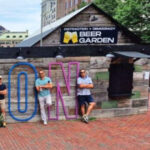
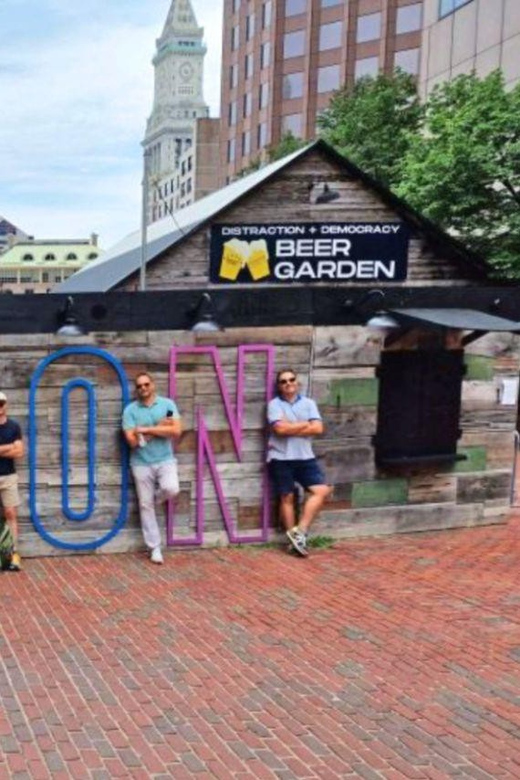
The tour starts at City Hall Plaza, a big pedestrian space across from Faneuil Hall (and up some stairs). If you’re coming by transit, Green Line riders use the Government Center exit, and Orange/Blue lines use State Street. For the exact meetup, your guide stands in front of a basketball statue (Bill Russell) near a seasonal beer garden, between Staples Connect and City Hall, in front of Five Iron Golf.
This matters because the tour’s whole point is orientation. You’re not just being dropped at a list of monuments. You’re getting positioned in the city so the Revolutionary story feels like it moves through Boston’s working spaces, not a set of isolated plaques.
Within the first stretch, you also get a taste of the Freedom Trail—but quickly. The tour doesn’t treat it like the main event. It uses that foundation, then starts telling the story in the order that makes sense dramatically, and geographically.
You can also read our reviews of more walking tours in Boston
Freedom Trail landmarks, but told with motive and timing
After the kickoff, you’ll walk part of the Freedom Trail route briefly, then branch to places that sit close to the story but don’t always get equal attention on other tours. The key difference is pacing of information: instead of treating each stop as a mini-biography, the guide ties locations into a bigger “what led to what” chain.
King’s Chapel Burying Ground and Granary Burying Ground
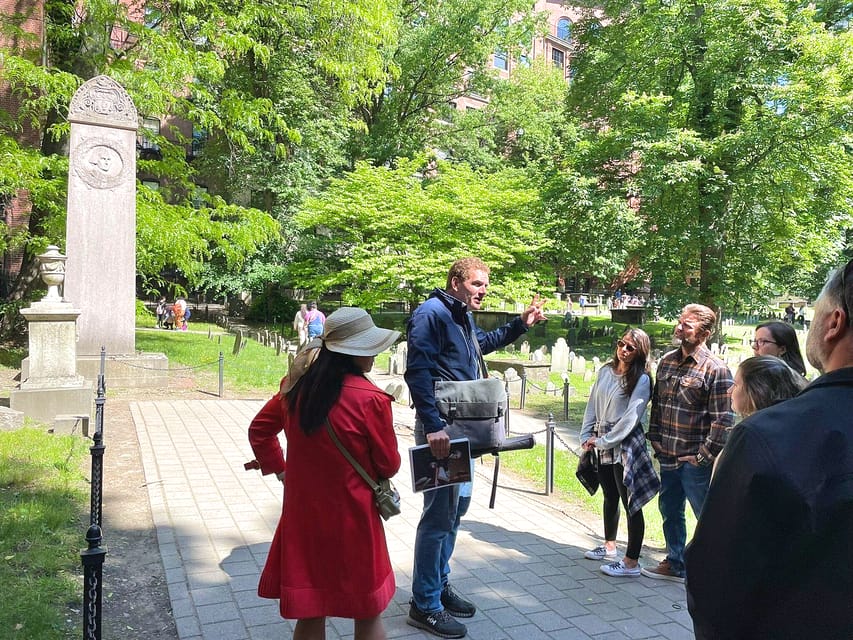
You’ll spend time at King’s Chapel Burying Ground and Granary Burying Ground. These stops set the tone: Boston’s Revolution isn’t presented like it happened in a vacuum. It’s framed as a lived community with roots, families, and civic life already in place before the breaking point.
The guide uses maps and visuals here to help you track where the story is heading. One advantage of starting with places like these is that you’re not overloaded with the loudest headline moments right away. You learn the cast and the context first, so later scenes—Massacre, meetings, battles—land harder.
Park Street Church and Old City Hall: where civic power shows
Next, you pass Park Street Church and visit Old City Hall. These are the kinds of sites that can feel like “scenery” on a typical walking tour. Here, they become anchors for how Boston’s political energy builds.
Old City Hall is a short stop, but it helps answer a basic question: who ran the city, and how did public space shape the revolution’s momentum. Even in quick segments, the tour aims to keep you oriented to the bigger logic.
Boston Latin School and the Benjamin Franklin statue
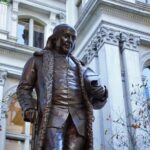
The Boston Latin School area and the Benjamin Franklin statue add another layer: the Revolution is also about ideas and training, not just conflict. Franklin’s name shows up in the tour’s character lineup, and you’ll feel that the guide is using these stops to connect education, communication, and strategy.
This is a place where the tour’s visuals and light humor help you keep characters straight. If you’ve ever left a history walk mixing up who did what, this format is built to prevent that.



Old State House and the Boston Massacre site
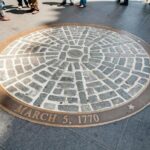
You’ll visit the Old State House, then move to the Boston Massacre Site. This is where the story tone shifts from “how Boston works” to “how Boston breaks.”
The guide’s job here is to show motivation, not just the event label. The Massacre moment is treated as a turning point that changes how people think and act afterward, not a standalone shock.
Old Corner Book Store and Old South Meeting House
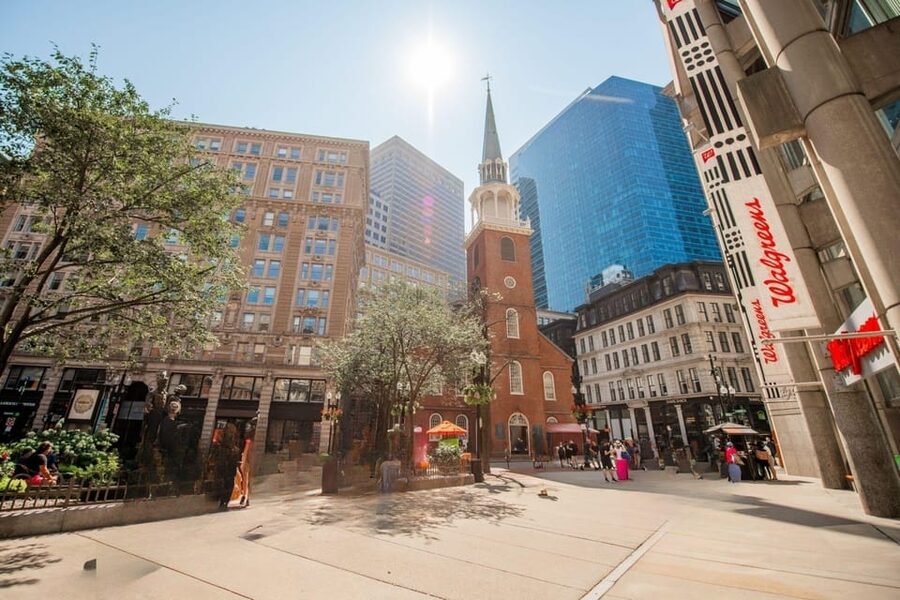
Then you pass the Old Corner Book Store and visit the Old South Meeting House. The thread running through both is communication and public persuasion. You’re seeing physical reminders of how information moved through Boston and how meetings shaped decisions.
Old South Meeting House is especially useful if you want more than the slogans. The tour tries to connect the loud public drama to the less obvious groundwork that made that drama possible.
Post Office Square and Liberty Square: modern downtown, Revolution-era echoes
You’ll pass through Post Office Square and visit Liberty Square. These are great reminders that Boston kept building on top of its past. Even when you’re in a more modern-looking block, the guide keeps tying you back to the Revolutionary logic—so you don’t feel like you’re walking from one era to another.
A practical note: because this is a citywide route, the surfaces and sidewalks can vary. Wear shoes you’ll be comfortable in for a long, continuous walk.
Quincy Market break: where the tour gets practical
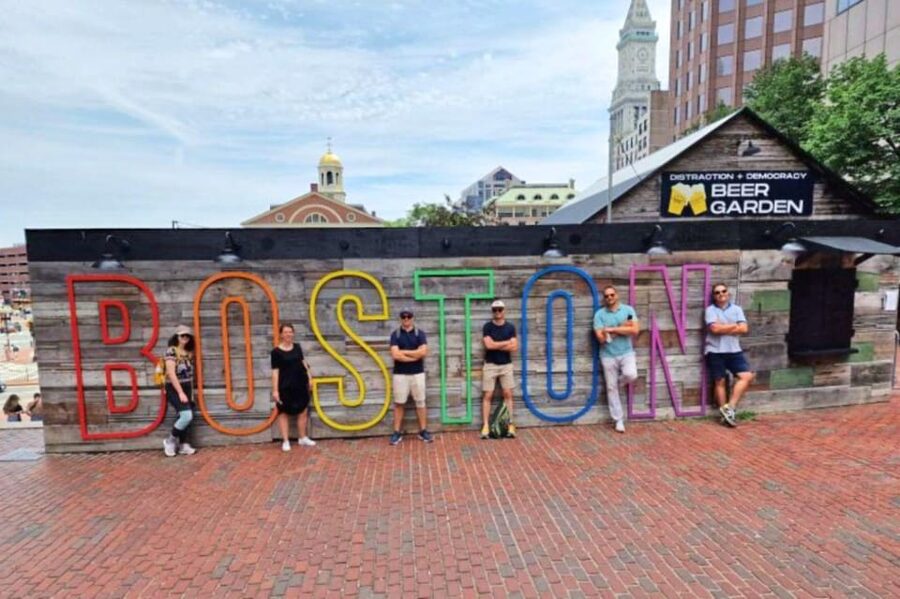
At Faneuil Hall, you get a guided stop and sightseeing time that reinforces the tour’s main theme: public gatherings as engines of political change. From there you head to Quincy Market for a built-in 15-minute restroom break and time to shop if you want.
This break isn’t just a convenience. It’s a useful reset point. The tour runs about 210 minutes, so having a scheduled moment helps you stay steady instead of mentally shutting down before the big final stretch.
If you want to keep the story momentum going, this is a good place to grab a snack and use the map/visual aids your guide is using to preview what comes next. The guide also shares local food recommendations, which many people appreciate because it turns your history walk into a real plan for the rest of the trip.
After the break, you’ll pass the Rose Kennedy Greenway on your way toward the North End area.
Paul Revere and the North End: messages, meetings, and the city’s tighter streets
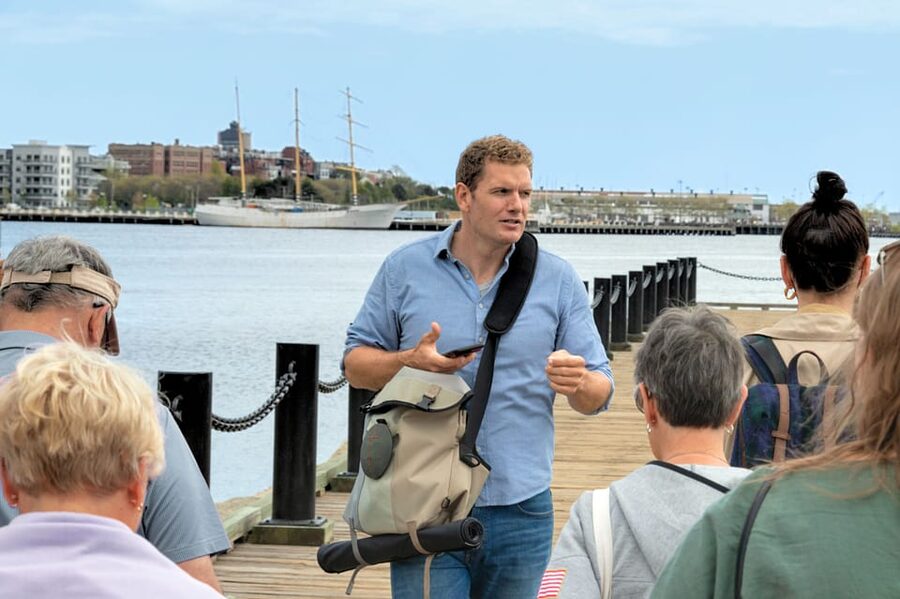
The North End segment is one of the tour’s most enjoyable shifts, because it changes both the scenery and the storytelling style. The streets feel older. The pace feels more intimate. And the Revolution story becomes personal—less like a national headline, more like a set of decisions made by specific people.
Paul Revere House and North End walk
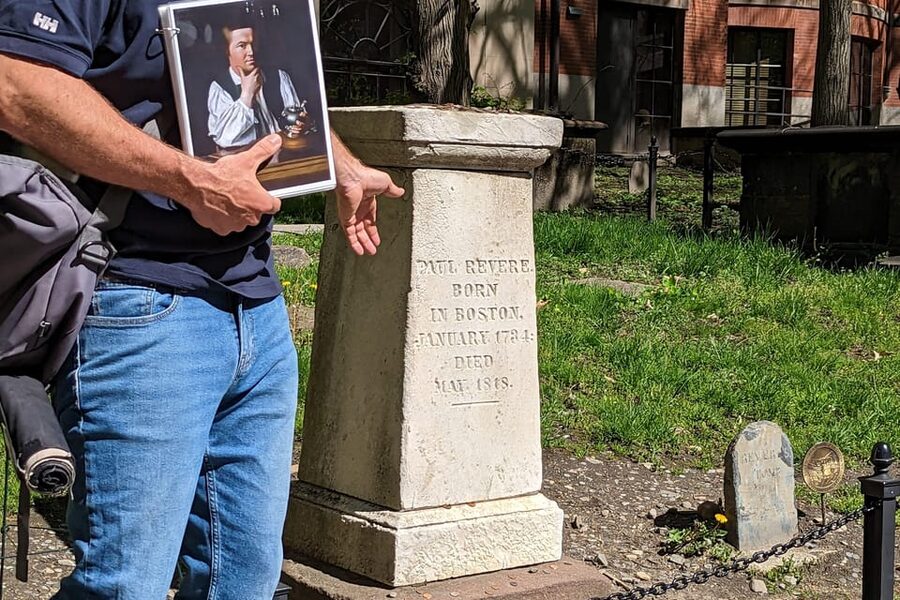
You’ll visit the Paul Revere House, then spend a short time in the North End. This is where you’ll feel the tour’s “characters” approach most clearly. Paul Revere isn’t just a name attached to a famous scene. The guide frames him as part of the network of people and priorities that moved the story forward.
The North End walking portion is also handy for getting a sense of what Boston looks like when it’s not pretending to be a museum.
Paul Revere Mall photo stop and Old North Church
Next is a Paul Revere Mall photo stop and a visit to Old North Church. This is where the tour earns its spot as more than a plain Freedom Trail walk. You get iconic sites, but you also get the visual memory of where scenes connect.
The guide’s maps and props help you remember what each location contributes. If you’re the type who forgets names after the tour ends, this is the stage where the method helps most.
Copps Hill: the views that make the story feel real
You’ll visit Copps Hill, including scenic views on the way. Even if you focus on history, views matter here because they help you understand distance and approach—why certain moves made sense.
This is also a good place to slow down for a moment. Reviews also mention how the tour can move quickly between points, so having at least one section where you can stand and look helps you catch up.
USS Constitution pass and Bunker Hill Monument
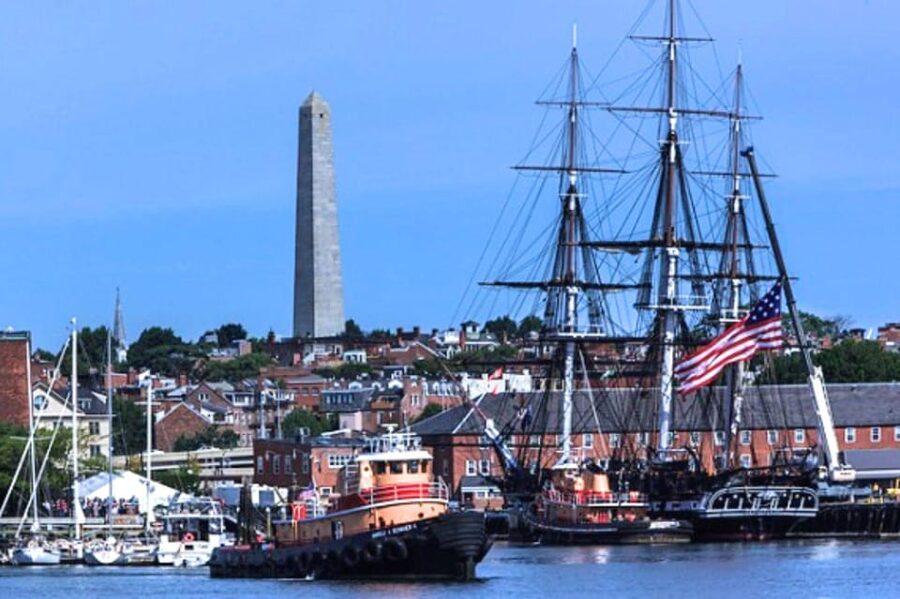
You’ll pass the USS Constitution, then reach the Bunker Hill Monument. This section pulls together the Revolution’s turning points: the build-up and the aftermath that’s still visible in how Boston chooses to honor the moment.
Bunker Hill is treated as part of the longer arc, not the end of the story. The guide ties it back to earlier motivations and later consequences that lead toward independence.
Charter Street Park, Harborwalk, Pilot House Park, and Lewis Wharf finish
After Bunker Hill, the tour continues toward the harbor. You’ll visit Charter Street Park, then enjoy Harborwalk and Pilot House Park with scenic walk sections. The final finish is at Lewis Wharf.
This closing stretch is smart. It gives you a sense of Boston’s physical relationship to movement and trade—things that matter when you’re thinking about why the Revolution escalated the way it did. And because the tour ends near the water, it’s easier to transition to dinner or a waterfront stroll afterward.
Pace, group size, and what to wear so the walk feels good
This tour runs about 210 minutes, so treat it like a half-day commitment. The city is mostly flat, but you should expect one hill (up) and stairs (down) toward the end. That’s the main physical drawback.
It’s also not a good fit if you have mobility limitations, since the route includes stairs and walking throughout. If you’re bringing older legs, plan for breaks, and consider an unhurried dinner nearby afterward rather than a late-night sprint across town.
Group size is a major benefit. With around 16 participants, it’s easier for the guide to keep the whole group together and still explain details. You won’t get lost as often, and you’re less likely to feel like you’re competing for attention.
Price and value: why $57 can feel cheap if you care about the how-and-why
At $57 per person, the price is reasonable for a long, structured walking tour with an expert guide, a small group, and multiple guided stops. What you’re paying for isn’t just access to landmarks. It’s the narrative structure that makes those landmarks make sense in relationship to one another.
This tour also includes practical extras that add real value:
- a 15-minute restroom break at Quincy Market
- entry into Faneuil Hall when open
- tools like maps, visuals, and Lego-style aids that help you follow a long story without getting lost
- a focus on motivation and reasons, which is why people who already know the basics still come away learning new angles
That “why” focus shows up again and again in how people describe the tour’s impact. It’s not only the headline events; it’s the snowball effect—how Boston’s actions and reactions pile up until independence becomes the only outcome the story can realistically support.
Who this tour fits best (and who might want a shorter one)
This is primarily aimed at adults, and the teaching style suits people who like history with context. If you like Revolutionary characters and want to understand how public decisions spread across Boston, this is a strong match.
It can also work for international guests because the storyline is designed to be followable. Still, if your English is not strong, or you’re only casually interested and want a shorter, simpler format, you might prefer something lighter.
Should you book the Boston Full Revolution Story walking tour?
Book it if you want a Revolutionary history walk that’s not trapped inside a single red-line path. I’d choose it when I want a clear beginning-to-end story, a small group feel, and a guide who uses maps and props to help you keep track of what’s happening and why.
Skip it if you need a minimal-walking outing or you have mobility concerns due to stairs and the moderate walking load. Also skip it if you’re only in the mood for quick postcard stops. This one is designed to give you more thinking and more structure than that.
If you time it well, it’s also an excellent first-day tour. You’ll leave with the mental map and story anchors that make the rest of your Boston trip feel connected.
FAQ
How long is the tour?
The tour lasts about 210 minutes.
Where do you meet, and where does the tour end?
You meet at City Hall Plaza, in front of Five Iron Golf between Staples Connect and City Hall. The tour finishes at Lewis Wharf.
How big is the group?
The group is small, around 16 participants.
Is the walking difficult?
Most of the route is mostly flat, but it includes one hill and stairs down toward the end. The tour requires a moderate level of physical activity.
What sites are included on the route?
Stops include places such as King’s Chapel Burying Ground, Granary Burying Ground, Old City Hall, Old State House, the Boston Massacre site, Old South Meeting House, Faneuil Hall and Quincy Market, Paul Revere House, Old North Church, Copps Hill, USS Constitution (pass by), Bunker Hill Monument, and the harbor area ending at Lewis Wharf.
Is there a restroom break?
Yes. There’s a 15-minute restroom break at Quincy Market. The tour also includes entry into Faneuil Hall when it’s open.