REVIEW · BERLIN
Berlin: The Time of National Socialism Walking Tour
Book on GetYourGuide →Operated by You In Berlin · Bookable on GetYourGuide
Berlin’s Nazi-era buildings don’t feel like history here—they feel present. This walking tour threads together propaganda landmarks, memorials, and documentary sites so you can actually see how power worked in the streets. I especially liked spotting the still-visible WWII traces you’d otherwise miss, and I enjoyed how Carlo (a guide I saw highlighted in recent bookings) talked through the places with clear, grounded detail.
One heads-up: this tour runs in German, and you’ll be walking for the full 2 hours in all weather—cold, wet, or icy streets included.
In This Review
- Key takeaways before you go
- Starting at Pariser Platz and the Brandenburg Gate: propaganda is a street design problem
- Reichstag and the 1933 power shift: seeing the “how” behind the takeover
- Tiergarten’s Soviet War Memorial: WWII doesn’t stay in the past
- Holocaust Memorial: the walk turns from power to loss
- Johann Georg Elser Memorial: resistance where you least expect it
- Detlev-Rohwedder-Haus: the government district theme becomes physical
- Topography of Terror: where the security state paperwork lived
- How the guide shapes the experience (and why Carlo gets praise)
- Price and pacing: is $43 worth it?
- Weather and comfort: what to pack for a cold-city timeline
- Who should book this tour, and who might skip it
- Should you book the Berlin Time of National Socialism walking tour?
- FAQ
- How long is the Berlin Time of National Socialism walking tour?
- How much does the tour cost?
- Where does the tour start, and where do I meet the guide?
- Where does the tour end?
- Is the tour guided, and what language is it in?
- Is the tour wheelchair accessible?
- How large is the group?
- Does the tour run in bad weather?
- What’s included in the tour price?
Key takeaways before you go
- Brandenburg Gate and Pariser Platz: start in the propaganda zone and learn how the city staged political theater
- Reichstag area: connect the Nazi rise to 1933 directly to what you’re seeing on foot
- Tiergarten Soviet War Memorial: real WWII hardware like T-34 tanks and artillery in the middle of the city
- Holocaust Memorial plus Johann Georg Elser: move from genocide memorialization to a story of resistance and attempted assassination
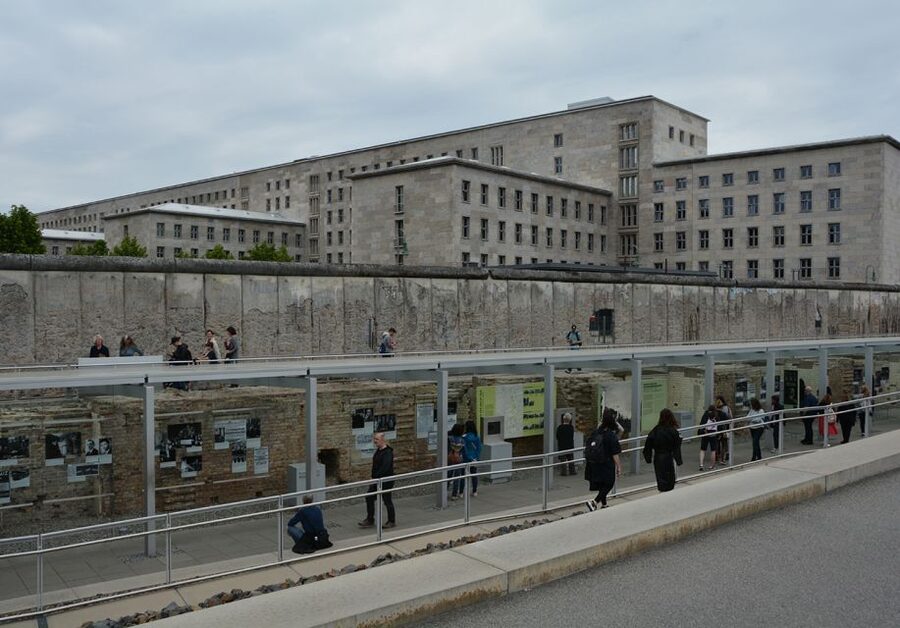
- Topography of Terror: focus on where SS and the state police bureaucracy operated during the dictatorship
- Small-group pace (up to 10): you’re not getting shoved around by a crowd, and your guide can answer questions
Starting at Pariser Platz and the Brandenburg Gate: propaganda is a street design problem
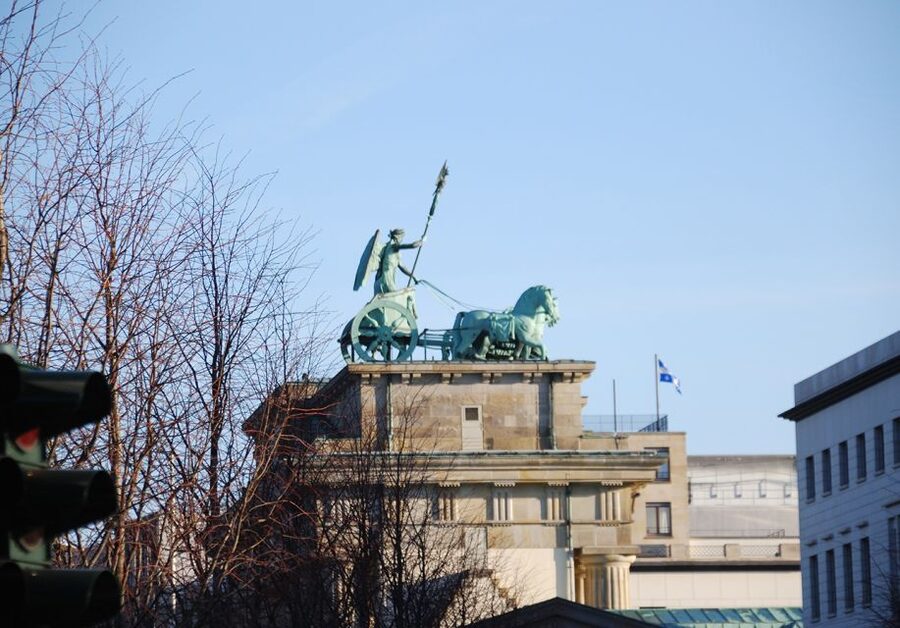
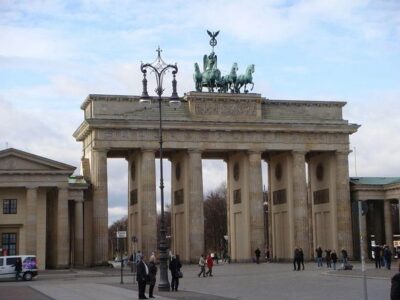
The tour begins near Berlin’s big transit node at S+U Bhf. Brandenburger Tor (exit B, toward Pariser Platz/Straße des 17. Juni), and the first stretch is all about orientation. You start at the Brandenburg Gate, a place that looks symbolic now but was actively used for political marches during the Nazi period.
From the first minutes, I liked that the walk treats the city like evidence. You’re not just hearing names and dates; you’re learning how crowds, architecture, and central locations helped sell ideology in public space. It’s an important mental switch for visitors who usually think of Nazism as something only found in books.
If you’re the kind of person who likes to understand why something is where it is, this first section delivers. You’ll also get your bearings quickly because you’re starting at one of Berlin’s clearest visual anchors.
You can also read our reviews of more walking tours in Berlin



Reichstag and the 1933 power shift: seeing the “how” behind the takeover
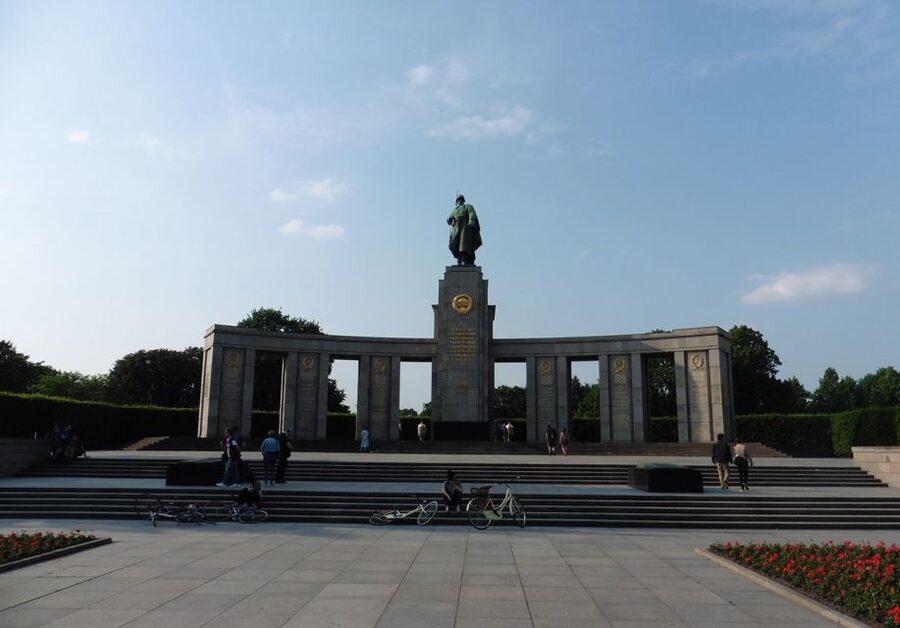
After the Brandenburg Gate, the route moves to the Reichstag area. The key theme here is the Nazi Party’s rise to power in 1933 and what that meant for the German capital—politically, physically, and symbolically.
This stop works best if you pay attention to how the guide links the past to what’s in front of you now, including the fact that the Reichstag is the seat of Germany’s parliament today. That contrast is the whole point. It turns a modern viewpoint into a question: how did this same space change hands and meanings?
A practical note: you’ll likely pass through open areas where wind can hit hard. Wear layers you can manage, because this is still an outdoor walking tour, not a museum.
Tiergarten’s Soviet War Memorial: WWII doesn’t stay in the past
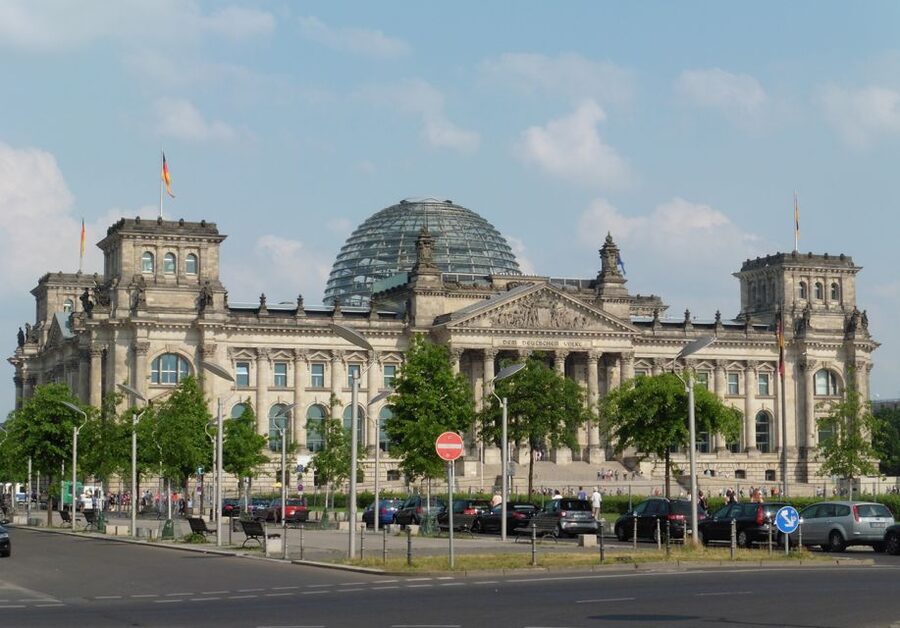
One of the most memorable parts of the route is the walk into Tiergarten for the Soviet War Memorial. Here you’ll see WWII artifacts in a way that’s hard to replicate indoors—Soviet T-34 tanks and artillery displayed at the memorial.
I like this stop because it prevents the tour from becoming a single-thread story. The Nazi era is central, yes, but Berlin also bears the physical outcome of the war—especially in a city where “after” is still visible as “now.”
If you’re visiting Berlin with family or teens, this section is often an easy entry point. It’s not abstract. You can stand there, point to what you’re seeing, and let the guide explain the context around it.
The downside is simple: you’re still outside. In cold weather, you’ll want gloves and something with a wind-blocking layer for comfort.
Holocaust Memorial: the walk turns from power to loss
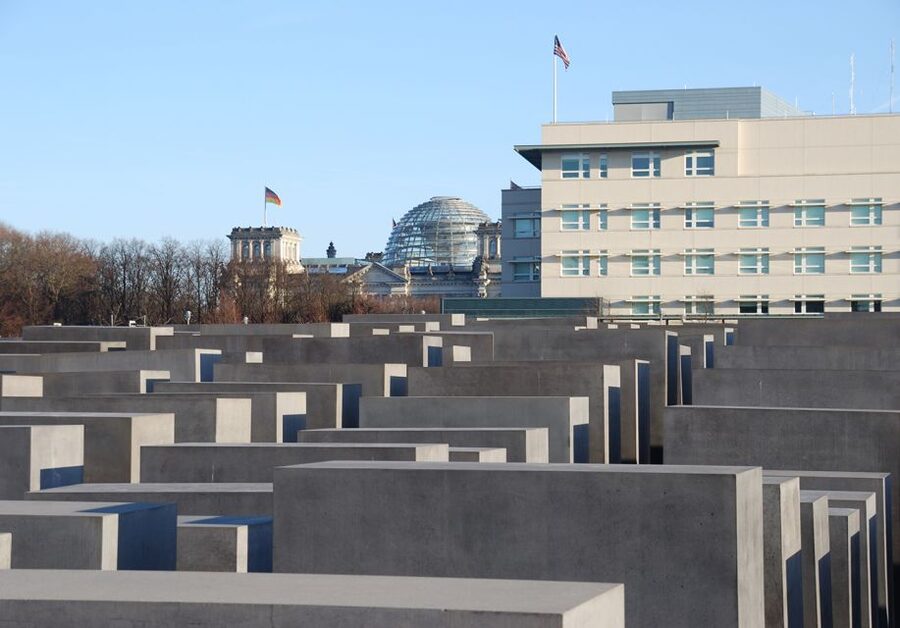
Next comes the Holocaust Memorial, dedicated to the murdered Jews of Europe. This portion changes the tone of the tour in the best way: it shifts from political machinery and public spectacle to mass murder and its human cost.
You don’t need to be a history scholar to get something from this stop. The guide’s job is to connect what you’re looking at to what happened, and to help you understand why memorial design matters. Expect the conversation to land on remembrance and meaning, not just facts.
I appreciate that the tour places this memorial in the middle of a broader route through WWII and the Nazi state. That sequencing keeps the story from feeling like a separate topic. In Berlin, it isn’t separate. It’s woven into the geography.
Johann Georg Elser Memorial: resistance where you least expect it
After the Holocaust Memorial, you’ll visit the Johann Georg Elser Memorial. This is one of those stops that can surprise people, because resistance stories are often less commonly highlighted than the totalitarian institutions.
This stop matters because it adds a different angle to the Nazi period. Instead of only focusing on dictatorship from the top, the tour brings in the reality that some people tried to resist—at personal risk, under surveillance conditions, and under a regime that didn’t tolerate dissent.
If you like tours that don’t just explain oppression but also show cracks in the system, you’ll likely find this moment satisfying.





Detlev-Rohwedder-Haus: the government district theme becomes physical
As you continue, the tour moves toward the government district of Berlin from the time of the Third Reich, including a stop at Detlev-Rohwedder-Haus. The guide uses this stretch to keep the focus on governance and power—who ran what, and where decisions were made.
For me, this is where the walk starts to feel like a map of authority. You’re connecting the Nazi regime’s presence to real addresses and key structures, instead of leaving it as a vague “they had offices somewhere.”
The benefit here is clarity. Once you grasp that dictatorship needs space, staff, paperwork, and secure locations, the entire period becomes easier to understand. You’re essentially watching the “administration of control” become visible through the city.
Topography of Terror: where the security state paperwork lived
The tour ends at the Topography of Terror Documentation Center area, after visiting it during the route. This is where the story zeroes in on the machinery of repression.
You’ll hear about the locations of major Nazi security institutions headquartered there, including the SS, the Secret State Police, the Reich Security Main Office, and the Reich Aviation Ministry. You’ll also learn about the German Resistance as part of the narrative, and how people tried to fight back inside the constraints of the dictatorship.
This stop is powerful because it’s specific. The guide ties the institutions to the physical terrain you’re standing in. That’s what makes it more than a memorial stop or a generic “dark history” walkthrough.
There’s also a strong WWII connection in the tour’s earlier context—like the tour’s mention of the bunker and the New Reich Chancellery of Adolf Hitler being located in this area of the city during the period. Even if you’ve seen photos before, the walk helps you understand how a capital’s layout served the regime.
How the guide shapes the experience (and why Carlo gets praise)
In recent bookings, guides named Carlo (also shown as Carlo/Carlos in different entries) were praised for putting complex material into a form that’s easy to follow while still feeling serious. That’s the sweet spot for this kind of tour: clear enough to understand, respectful enough not to turn tragedy into trivia.
The tour format supports that. It’s a small group limited to 10 participants, so you’re not lost in a moving crowd. That also helps with questions. If you’re curious about how the regime operated or why certain places matter, this setup makes it more likely your guide can slow down.
I also liked that the tour isn’t only a lecture. It’s timed as a 2-hour walking experience, which forces the guide to choose what matters and keep the pace human.
One more detail from the bookings: on very cold days, Carlo was noted for keeping people moving safely on slick streets. That kind of practical attention is worth something when you’re touring outside for two hours.
Price and pacing: is $43 worth it?
At $43 per person for about 2 hours, the value depends on what you want from Berlin. If you’re looking for a short, focused way to connect major Nazi-era sites and WWII remnants into one coherent route, this price feels reasonable.
If you’re hoping for a long day of museum time, this isn’t that. It’s a walking tour with stops and explanations, so you’re paying for interpretation and efficiency, not for entry fees or extended indoor exhibits.
The upside is that the tour hits key points quickly: Brandenburg Gate, Reichstag area, Tiergarten memorial hardware, Holocaust Memorial, the Elser resistance story, the security-state headquarters focus, and the Topography of Terror finish. In two hours, that’s a lot of grounded context—especially for first-time visitors who want structure.
And because it’s capped at 10, you’re less likely to feel like you’re watching history through the back of someone’s coat.
Weather and comfort: what to pack for a cold-city timeline
This tour runs in all weather conditions and also on public holidays. That means your experience will depend on clothing and stamina more than you might expect for a “just a walk” itinerary.
Plan for:
- good walking shoes for wet pavement
- warm layers you can move in
- something for wind (hood, scarf, or a jacket with a collar)
If you’re someone who gets cold fast, don’t wait until you’re freezing to layer up. Berlin winter streets can feel extra slippery, and staying comfortable helps you pay attention.
Who should book this tour, and who might skip it
This walking tour fits well if you:
- want a guided way to connect major Nazi-era locations in central Berlin
- prefer outdoor interpretation over reading long sections of history alone
- like the idea of learning resistance stories alongside the darker institutions
- want a format that can work for teens and young adults (the Elser memorial and the resistance framing can make it more accessible)
You might skip it if you:
- only speak English and want a fully English-led experience
- don’t handle cold/wet weather walking well
- prefer deep museum study or longer stays at documentation centers
If you’re on the fence, I’d treat it as an excellent “orientation + meaning” tour. It sets context fast, and then you can decide what to revisit later on your own.
Should you book the Berlin Time of National Socialism walking tour?
Yes—if you want a short, structured walk through central sites tied to the Nazi period and WWII remnants, this is a strong choice. The biggest reasons to book are the focus on real locations, the inclusion of memorials and resistance (not only institutions of terror), and the small-group pace with a guide who’s shown real energy for the subject.
Book it especially if this is your first time connecting Berlin’s WWII and Nazi-era geography into one story. After two hours, you’ll understand the city layout differently—and that changes what you’ll notice on the rest of your trip.
FAQ
How long is the Berlin Time of National Socialism walking tour?
It lasts 2 hours.
How much does the tour cost?
The price is $43 per person.
Where does the tour start, and where do I meet the guide?
Meet the guide at the exit of S+U Bhf. Brandenburger Tor, exit B, in the direction of Pariser Platz/Straße des 17. Juni. Look for the Get Your Guide flag.
Where does the tour end?
It finishes at Topography of Terror.
Is the tour guided, and what language is it in?
Yes, it’s a live guided tour in German.
Is the tour wheelchair accessible?
Yes, it is listed as wheelchair accessible.
How large is the group?
It’s a small group limited to up to 10 participants.
Does the tour run in bad weather?
Yes. It takes place in all weather conditions and on all public holidays.
What’s included in the tour price?
You get a professional city tour guide.