REVIEW · TOKYO
Yanaka Walking Tour: Historic and Traditional District of Tokyo
Book on Viator →Operated by Trip Designer Inc. · Bookable on Viator
Tokyo’s past is still walking distance. This Yanaka walk trades skyscrapers for older streets, with temples, gardens, and a cemetery that feels like a time capsule from the Edo era. I like how the day balances quiet places with everyday Tokyo life, from shrine paths to the snack-and-shop rhythm of Yanaka Ginza.
Two things I like a lot: first, the small group size (up to 8) keeps the walk relaxed and personal. Second, the guides bring the neighborhood to life, with real stories and practical shrine and temple context, like the way Keita, Charlotte, and Michiko focused on local customs and safety as they walked.
One consideration: the route includes a lot of cemetery time, and if that’s not your thing, you may find the schedule a bit front-loaded. Also, it is a 3.5-hour walk, so plan for steady walking even when weather turns.
In This Review
- Quick hits before you go
- Yanaka streets: why this Edo-era Tokyo feels different
- Starting at Nippori: pacing, shoes, and the 3.5-hour rhythm
- Tennoji Temple: a garden stop that sets the mood
- Yanaka Cemetery: what you’re really seeing and why some people find it long
- Optional tea at Gallery Okubo: when to spend extra yen
- Afternoon art stops: SCAI The Bathhouse and Edokoro Alan West
- Nezu Jingu shrine: big trees, azalea color, and clear customs
- Yanaka Ginza shopping street: snacks, small shops, and Shitamachi vibes
- Guides: how small-group stories make the history stick
- Price and value: is $72.96 fair for 3.5 hours?
- Who should book this Yanaka walk, and who should skip it
- FAQ
- How long is the Yanaka walking tour?
- What time does the tour start?
- Where do I meet and where does it end?
- Is food included in the tour price?
- Are admission fees included for the places you visit?
- Is the tea ceremony included?
- How many people are in a group?
- Is the tour okay if I’m not super fit?
Quick hits before you go
- Tennoji Temple (free) near Yanaka Cemetery, including a bronze Buddhist statue and a garden setting behind an old gate
- Yanaka Cemetery scale: about 100,000 square meters and more than 7,000 graves, with time set aside for you to actually look
- Nezu Jingu shrine stop with big trees and seasonal azalea color, plus clear Shinto and Buddhist explanations
- Optional add-ons like tea on tatami mats at Gallery Okubo, and afternoon art stops such as SCAI The Bathhouse
- Yanaka Ginza shopping street for local snacks and a low-key Shitamachi feel
Yanaka streets: why this Edo-era Tokyo feels different
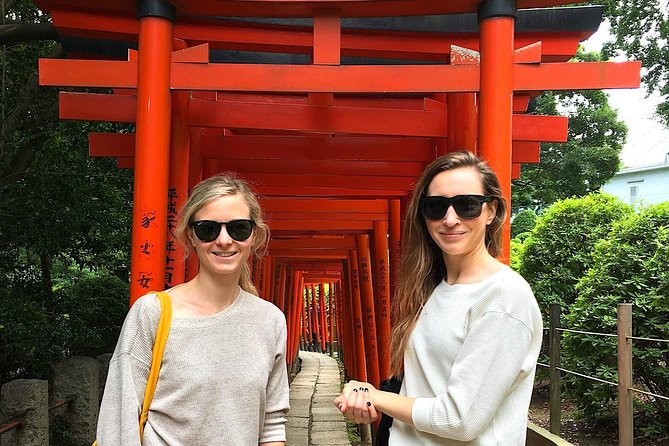
Yanaka is the kind of Tokyo neighborhood where you can slow down without feeling stuck. The streets keep that older layout you associate with Edo-era daily life, and you’ll keep spotting wooden houses, old garden walls, and temple entrances that never feel like a museum set. In spring, cherry blossoms and azalea color can make the walk look extra photogenic, but it’s the everyday texture that stays with you.
What makes this area such a good change of pace is how it sits away from the loudest parts of the city. You’re not just seeing historic buildings. You’re watching how people still move through this district, from shrine paths to small storefronts.
You’ll also get a clear cultural filter while you walk. Instead of treating shrines and temples like sightseeing stickers, your guide helps you understand the basic differences and what visitors are supposed to do, which makes the sites feel calmer and more meaningful.
You can also read our reviews of more walking tours in Tokyo



Starting at Nippori: pacing, shoes, and the 3.5-hour rhythm
The tour meets at Nippori Station (Nippori Station 2 Chome-19 Nishinippori, Arakawa City). You head back to the same spot afterward, so you’re not juggling extra transfers at the end. Start times are 9:00 am or 2:00 pm, and the walk runs about 3 hours 30 minutes.
This is a moderate walking experience. You’ll want comfortable shoes because you’re moving for most of the 3.5 hours, not just doing a short series of photo stops. One theme that comes up again and again in the guide feedback is that they keep the group safe and moving, and many guides also adjust pace for comfort and questions.
Weather matters here because you’re outside a lot. Guides have handled rain and heat by staying organized and keeping stops practical, so bring your own umbrella and water if you can. If you’re sensitive to summer bugs, it’s also smart to pack your own repellent even if your guide is the prepared type.
The tour uses a mobile ticket, and the group stays small (up to 8 travelers). That small size helps with questions. It also makes it easier to pause when you see something your guide wants to point out.
Tennoji Temple: a garden stop that sets the mood
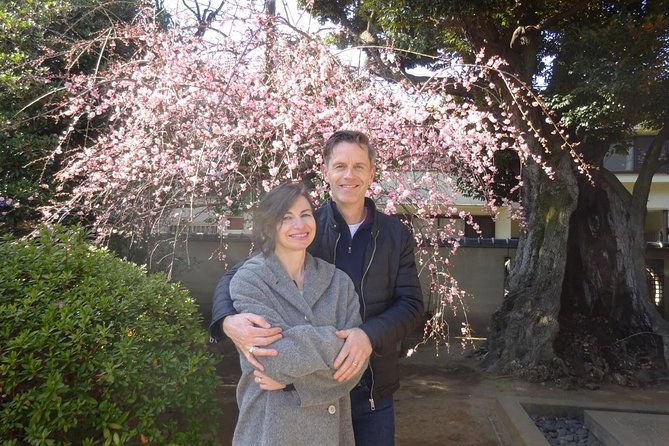
One of the first true “slow down” moments comes at Tennoji Temple. The temple sits on the edge of Yanaka Cemetery and dates back to 1274, so you’re stepping into a place with a long footprint in this district. It’s known for a garden behind an old wooden gate, which gives you a quieter feeling right in the middle of an urban neighborhood.
There’s also a bronze Buddhist statue on temple grounds, and your guide typically uses it as a way to explain what you’re looking at and how Buddhist spaces differ from shrine spaces. That kind of simple orientation is more useful than you’d think, especially if this is your first time in Tokyo’s sacred sites.
The practical upside: Tennoji works well even if you’re not trying to memorize dates. It’s a “look and listen” stop, and it helps you transition into the cemetery portion of the walk without feeling rushed.
Yanaka Cemetery: what you’re really seeing and why some people find it long
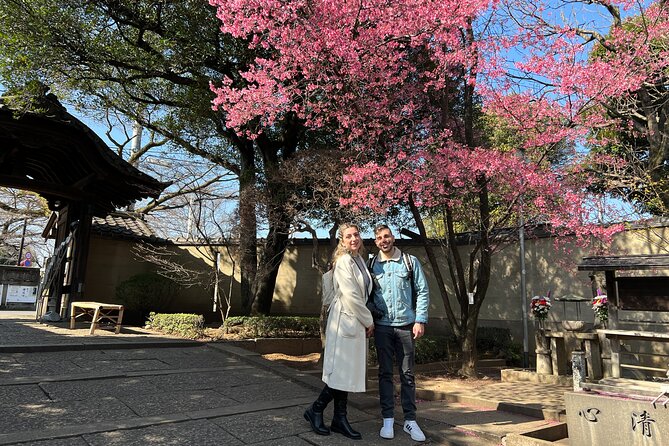
The big standout piece is Yanaka Cemetery, often described as worth seeing even though it’s not the kind of stop you’d automatically pick on a first Tokyo day. It covers about 100,000 square meters and has over 7,000 graves, so you can’t really treat it as a quick glance. You need time to take in the layout and the way the cemetery works as a cultural space, not just a list of names.
This is where the tour becomes more than sightseeing. Your guide can explain how cemeteries function in Japanese life and why the area is known as a reien (cemetery). When you understand the role a cemetery plays, the emotional tone shifts from “unfamiliar attraction” to “quiet place with meaning.”
Is it a lot of time? Yes, and that’s the main caution. Some people felt the cemetery portion took longer than they expected, especially early in the walk. If you prefer lighter stops, you might want to go with the mindset that this is the heart of the tour, not a side detour.
A simple tip: wear clothes and shoes that let you stand and walk comfortably for longer than you might plan. And keep your camera ready, but don’t chase photos so hard that you lose the calm of the space.
Optional tea at Gallery Okubo: when to spend extra yen
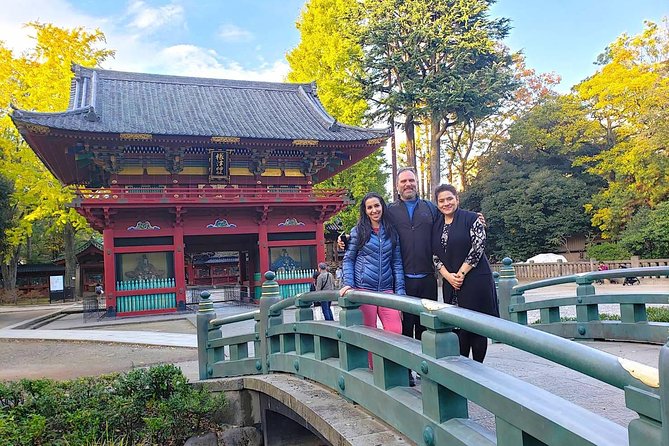
The tour includes options, and one of the most “hands-on” choices is Gallery Okubo with a Japanese tea ceremony on tatami mats. This stop is optional, and the tea itself costs ¥1,000, which is not included in the tour price.
Tea ceremony on tatami is a great add-on when you want something that isn’t purely visual. You get a break from walking, and you experience a small ritual that fits the neighborhood’s calm tone. If you’re the type who likes to learn by doing, it’s a nice way to make the day feel more personal.
The only downside is that it adds time and involves extra spend. So if you’re watching your budget closely, you can still enjoy Yanaka fully without it.
You can also read our reviews of more historical tours in Tokyo

Afternoon art stops: SCAI The Bathhouse and Edokoro Alan West
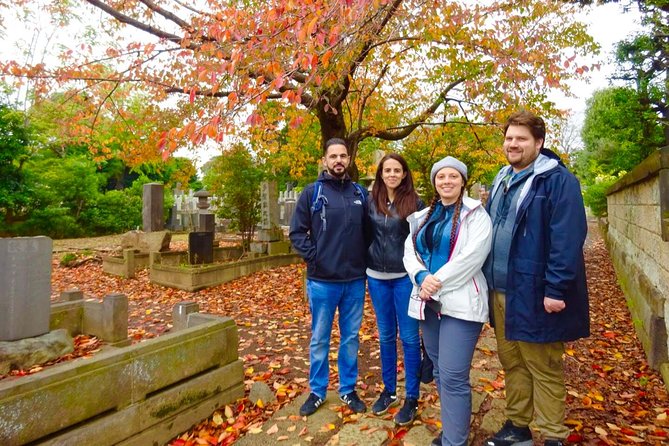
If you book the afternoon version, you may get additional stops that feel like modern Tokyo experiments in old spaces. One example is SCAI The Bathhouse, an art gallery in Yanaka located in a venerable public bath building. It’s described as free admission for the tour, and it has that “town ambiance” that helps you feel the area’s Old Tokyo character even while you’re looking at contemporary art.
Another afternoon-only optional stop is Edokoro Alan West, a studio in traditional old-town surroundings. The point here isn’t that it’s a famous museum stop. It’s that you can see how working spaces and creative spaces exist inside older neighborhoods, alongside temples and side streets.
If you love architecture and you’re curious how old and new mix, the afternoon tour is a smart pick. If you just want the core Yanaka experience without extra switching of gears, the morning tour can be the cleanest choice.
Nezu Jingu shrine: big trees, azalea color, and clear customs
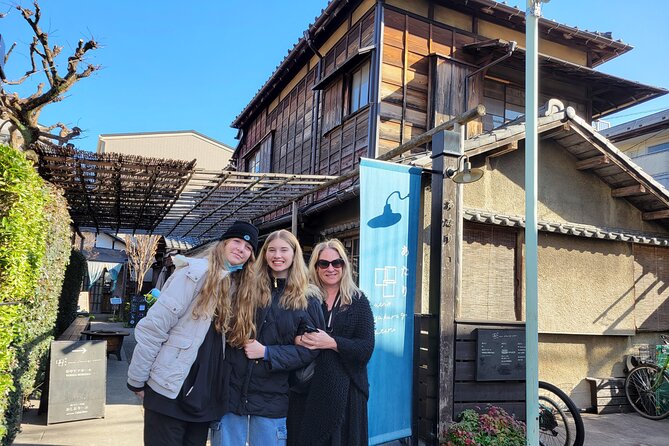
Near the end, the walk often lands on a shrine stop that feels visually memorable. The setting is described as one of Japan’s oldest shrines, with big trees and flowering azalea shrubs, plus ponds, pathways, and colored wooden structures that look very much like classic Japanese shrine design. In the conversations I’d want from your guide, this is where you’d get practical guidance about Shinto and Buddhist differences, and how to behave as a visitor.
A shrine visit also helps the day “make sense.” You start with temples and Buddhist spaces around Tennoji, you move through a cemetery, and then you finish with shrine practice in a clearly shrine-focused environment. That arc makes it easier to remember what you saw and why it matters.
Also, your guide may tie the district to stories about historic figures, including the last shogun and other samurai-era connections that people associate with Yanaka. Even when it’s presented as story rather than a modern exhibit, it gives you a stronger mental map.
Yanaka Ginza shopping street: snacks, small shops, and Shitamachi vibes

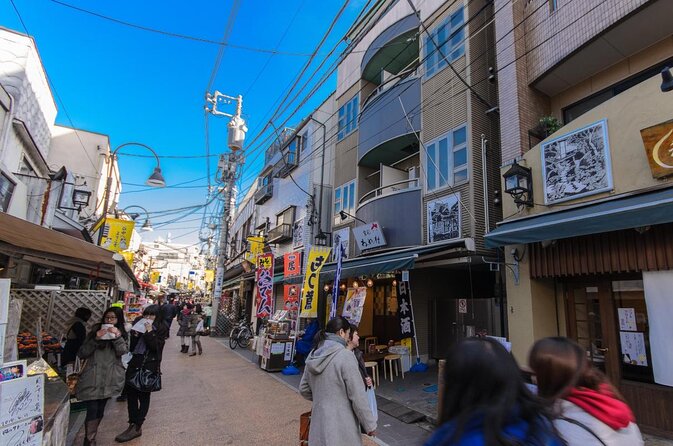
After the quiet parts, Yanaka Ginza Shopping Street is where the neighborhood wakes up in a gentle way. This is one of the best local shopping streets in Tokyo, and it keeps that preserved Shitamachi down-town atmosphere. Think slow browsing, small snack counters, and storefronts that feel built for everyday locals.
Your guide may suggest specific treats to try, and many guides build in time to walk past places like bakeries and rice cake shops. People also mention stopping for light shopping and treats, and you’ll likely see items connected to traditional textiles too.
Two practical notes: food and drinks aren’t included in the tour price, and you’ll likely want to budget for snacks if you want to taste as you go. If you’d rather travel lighter, you can still walk the street and just enjoy the neighborhood feel without buying much.
One more fun detail from the neighborhood vibe: people describe a snake road toward the market area nearby, which is exactly the kind of quirky local landmark your guide can help you notice.
Guides: how small-group stories make the history stick
This tour lives or dies on the guide, and the feedback here is consistently about guides who keep the group engaged. I saw names like Keita, Charlotte, Michiko, Machi, Kiyo, Mana, Kaori, Fumiko, Muchan, Satsuki, and Toshi popping up, and the common thread is how they connect the physical sights to culture and everyday life.
Guides tend to:
- explain what you’re seeing, not just what it is
- answer questions as they come up
- adjust pacing when people need a rest or want to shop briefly
- help with temple and shrine etiquette basics so you don’t feel lost
Some guides go extra on comfort details too. For example, Muchan’s tour feedback mentioned preparation for extreme heat with cooling and bug protection. Even if your guide doesn’t bring those extras, it’s a good signal that you’re in hands-on mode, not “follow the leader” mode.
And if you’ve had trouble with English in other tours, this one is designed for English-speaking visitors. Several people highlighted how clear and helpful the guides were, including Charlotte’s ability to explain Tokyo customs in a way that felt easy to follow.
Price and value: is $72.96 fair for 3.5 hours?
At $72.96 per person, the value depends on what you want from Tokyo. If you’re the type who enjoys learning how places work, not just where they are, this price can feel fair quickly. You’re paying for an English-speaking guide, all fees and taxes, and the fact that major site entries you visit are free as part of the tour experience.
It also helps that the group stays small, which usually means more conversation and more time to ask questions. And since food and drinks are not included, you keep flexibility: snack a little, snack a lot, or save calories for dinner.
The only additional costs you should plan for are optional ones like tea at Gallery Okubo (¥1,000) and anything you choose to buy in Yanaka Ginza. If you’re budgeting tightly, skip the tea and focus on the core walk and the free admissions. If you’re happy spending a bit for hands-on culture, the optional stops can make the day feel more complete.
Who should book this Yanaka walk, and who should skip it
You should book if:
- you want a quieter Tokyo day away from the biggest crowds
- you like old neighborhoods where daily life still shapes the streets
- you want a guide to explain shrine and temple basics so you don’t feel clueless
- you’re going on your first full days in Tokyo and want a strong orientation
You might skip or choose a different style of tour if:
- you dislike cemeteries or you strongly prefer lighter, more upbeat stops
- you don’t like long periods of walking
- you need a plan that changes easily when weather shifts, since outdoor tours still run with real-world limits
A quick decision tool: if you’re excited to slow down and understand how Edo and Meiji-era Tokyo left fingerprints on the district you’re walking today, this is a good match. If you only want quick photo highlights, you’ll feel the cemetery weight more than you’d like.
FAQ
How long is the Yanaka walking tour?
The tour runs about 3 hours 30 minutes.
What time does the tour start?
Start times are 9:00 am or 2:00 pm, depending on the option you book.
Where do I meet and where does it end?
You meet at Nippori Station (Nippori Station 2 Chome-19 Nishinippori, Arakawa City) and the activity ends back at the same meeting point.
Is food included in the tour price?
No. Food and drinks are not included.
Are admission fees included for the places you visit?
Yes for the main included sites, and the listed admission is free for those stops. Some optional activities may cost extra.
Is the tea ceremony included?
The tea ceremony at Gallery Okubo is optional, and the tea cost (¥1,000) is not included in the tour price.
How many people are in a group?
The tour is capped at a maximum of 8 travelers, and it also notes a maximum of 10 people per booking.
Is the tour okay if I’m not super fit?
It’s listed for travelers with moderate physical fitness, with a significant amount of walking. Comfortable shoes are a must.