REVIEW · TOKYO
Tokyo: Shinjuku Historical Walking Tour & Secret Backstreets
Book on Viator →Operated by Local Guide Stars · Bookable on Viator
Shinjuku at night, minus the guesswork. This 90-minute guided walk is a fast way to see the off-the-main-street side of Japan’s biggest nightlife zone, with strong photo moments and time slots that actually match your schedule. I love that you’re not stuck chasing a map, and you get practical direction for where to eat and drink.
My other favorite part is the way the guide steers the pace and focus, including favorites like Mao, Akari, and Cherry in past groups—so the tour feels tailored, not robotic. The one possible drawback: this is a walking tour, so if you’re hoping for lots of sit-down attractions or heavy hands-on activities, you may want to manage expectations.
In This Review
- Key highlights worth planning around
- Why this Shinjuku night walk beats DIY
- Price and value: $25.20 for guided street time
- Meeting at Shinjuku Station: what matters before you start
- Omoide Yokocho (Memory Lane): old-school alleys and small-bite energy
- Kabukicho: Shinjuku’s nightlife lights, explained as you walk
- Tokyu Kabukicho Tower: modern Shinjuku in one stop
- Shinjuku Golden Gai: narrow alleys, tiny bars, big personality
- Hanazono Shrine: a calm reset in the middle of the city
- Photo strategy: when the night shots actually happen
- Food and drink tips: useful guidance without a forced meal
- Group size vibe and guide style: why people love the pacing
- Weather and comfort: plan like it’s Tokyo
- Who should book this Shinjuku backstreets tour?
- Should you book this tour or keep it DIY?
- FAQ
- How long is the Shinjuku Historical Walking Tour & Secret Backstreets?
- What is included in the tour price?
- Do we need to pay entry fees for the main stops?
- Where does the tour meet, and does it end nearby?
- Is this tour private?
- What happens if the weather is bad?
Key highlights worth planning around
- A 90-minute Shinjuku night focus that keeps moving without feeling rushed
- Omoide Yokocho (Memory Lane) for that old-school alley vibe
- Kabukicho + Tokyu Kabukicho Tower for modern neon meets big-city energy
- Shinjuku Golden Gai for tiny lanes and compact bar culture
- Hanazono Shrine as a quiet reset right in the middle of the chaos
- Local guide energy that adjusts to your interests, like the way Mao and Akari handle questions
Why this Shinjuku night walk beats DIY
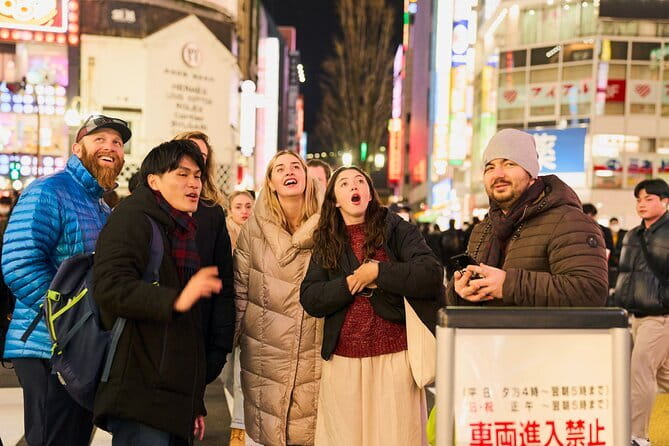
Shinjuku can feel like a maze even when you’re standing still. Street signs are everywhere, neon is blinding, and the “best route” changes every block. This tour works because it gives you a simple plan and a human guide to translate what you’re seeing. You show up, walk, and let someone who knows the area connect the dots.
I also like that it’s built around a real mix of Shinjuku experiences: old alley culture, the louder entertainment district, and a shrine stop that pulls the volume down. That rhythm matters. Tokyo is famous for its contrasts, and this route is basically a guided way to experience them in under two hours.
And yes, it’s designed for photos. The tour specifically calls out great night viewpoints, which is a big deal in Shinjuku, where the best visuals often sit just off the main roads.
You can also read our reviews of more walking tours in Tokyo
Price and value: $25.20 for guided street time
At $25.20 per person, this tour is priced like an easy add-on you can afford even on a tighter trip. It doesn’t try to sell you a big-ticket “activity day.” Instead, you’re paying for two things you can’t easily buy on your own: local guidance and direction to places you might miss.
You also get one recommended vending machine drink from the guide. It’s not a fancy meal, but it’s the kind of small “taste of Tokyo” moment that’s low-effort and actually useful when you’re walking at night. Plus, the major stops are free to enter, so you’re not stacking surprise costs.
Is it worth it if you love wandering? If you’re comfortable turning a city into your own adventure, you might do fine with transit plus a map. But if you want to save time and reduce wrong turns—especially in a crowded area—this price-to-time ratio makes sense.
Meeting at Shinjuku Station: what matters before you start
The meeting point is clear and specific: Shinjuku Station East Exit Police Box, 3-chōme-38-1, Shinjuku, Shinjuku City, Tokyo 160-0022, Japan. The tour ends back at the same place, which is convenient when you’re tired and just want to return to your transit hub.
What I’d watch for is timing. This kind of night walk runs on momentum. If you arrive late, you can slow the group down and miss the first mood shift. So give yourself a little buffer—Shinjuku Station is large, and East Exit navigation can be confusing the first time.
The tour uses a mobile ticket, so you’ll want your phone charged. It sounds basic, but a dead battery in a big station is how plans go sideways.
Omoide Yokocho (Memory Lane): old-school alleys and small-bite energy
Omoide Yokocho—often called Memory Lane—is a nostalgic pocket tucked behind the main drama. Think tiny lanes, packed atmosphere, and that sense that you’re stepping into an older Tokyo style of street life. This stop is a strong opener because it immediately gives context for why Shinjuku is famous beyond the neon billboards.
What you’ll likely enjoy here is the contrast. You go from a modern mega-city environment to something that feels more human-scaled, with food spots that lean into quick bites and close-up conversations. The tour frames this as a special area for foreign visitors who want something different from the standard shopping street.
Possible drawback: because the lanes are tight and the crowd flow can be intense, it’s not the best place if you’re trying to “speed-run” photos in perfect silence. You may share the space and adapt.
Kabukicho: Shinjuku’s nightlife lights, explained as you walk
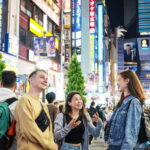
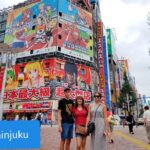
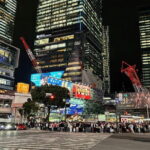
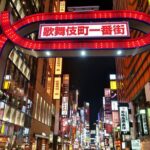
Then the tour swings into Kabukicho, Shinjuku’s entertainment district—nicknamed the Sleepless Town. This is where the city goes loud in a very visual way: neon, signs, and a constantly moving crowd. The guide’s job here is huge, because Kabukicho can look like chaos without interpretation.
You’ll spend about 10 minutes here, and that short slot is intentional. It’s long enough to absorb the vibe, but not so long that you start to feel stuck in the busiest streets. I like that the guide keeps you moving, while still pointing out what’s going on and what you’re actually looking at.
This is also where you’ll usually start getting food and drink guidance—practical suggestions for what to look for, when it’s worth stepping inside, and how to keep it fun instead of overwhelming.
You can also read our reviews of more historical tours in Tokyo

Tokyu Kabukicho Tower: modern Shinjuku in one stop
Next up is Tokyu Kabukicho Tower, which is positioned as a newer landmark within the Kabukicho zone. You’ll spend around 25 minutes here, and the point isn’t just the building itself. It’s the “now meets next” feeling: Shinjuku’s entertainment district isn’t frozen in the past. It keeps evolving.
A bonus that some groups reported is the chance to enjoy a free observation deck. That matters because it gives you a breather from street-level noise and helps the whole area click in your head. Even if you’re not chasing skyline photos, you’ll usually appreciate getting a wider view and figuring out where everything sits.
Possible drawback: if you’re expecting only “old Tokyo” scenes, this stop can feel like a curveball. But that’s also the value—Shinjuku isn’t one theme.
Shinjuku Golden Gai: narrow alleys, tiny bars, big personality
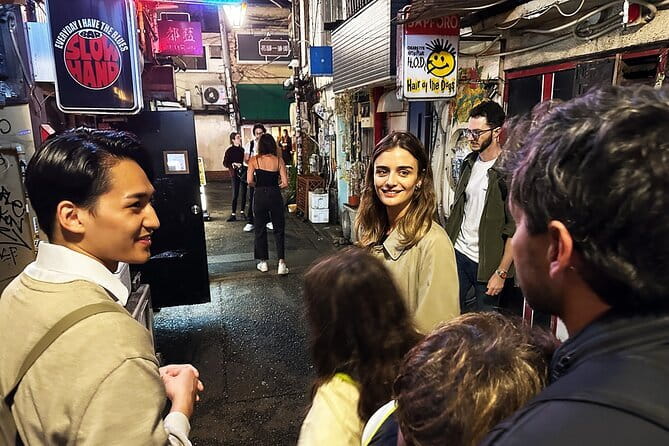
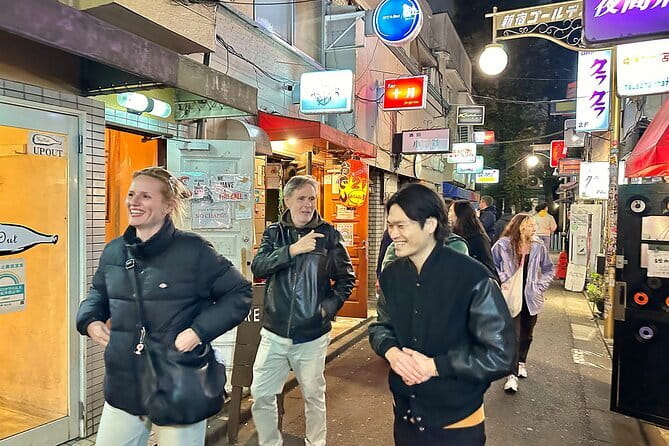
Golden Gai is the kind of place that sounds mysterious until you’re actually standing among the narrow lanes. The tour frames it as a unique nightlife area made up of tiny bars and compact spaces. The streets are narrow, the atmosphere is intense, and the energy feels local rather than staged.
You’ll spend about 15 minutes here, which is perfect. It’s not long enough to fatigue you, but enough to feel the mood and understand why it’s known as a special corner of Shinjuku’s nighttime culture.
Here’s the practical angle: Golden Gai is the sort of place you might walk past because it’s not “obvious.” A guide helps you slow down in the right spots and notice what matters—where the lanes lead, how the bars are arranged, and what kind of vibe you’re stepping into.
If rain hits, one thing I’d consider is how tight the alleys can be. You’ll still be walking, and crowd management matters. Some groups specifically highlighted that the tour stayed fun even with bad weather, but your comfort may depend on footwear and your tolerance for slippery streets.
Hanazono Shrine: a calm reset in the middle of the city
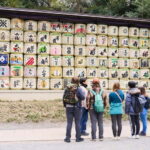
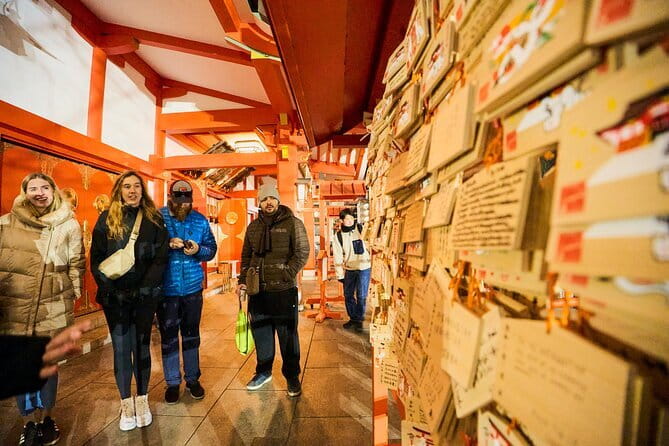
After all the neon and alley energy, the tour finishes with Hanazono Shrine, about 20 minutes. This is a welcome contrast stop. It’s the “lower the volume” part of the route, and it gives you something meaningful that isn’t only about nightlife.
The tour also notes that certain shrine rituals are not included. For example, purchasing omikuji and offering small change aren’t part of the tour fee. That’s actually a helpful detail because it prevents confusion about what’s covered. If you want to try omikuji on your own, you can—just budget for it separately.
What I like about ending at a shrine is the way it changes your pace. It’s not just sightseeing; it slows your brain down. You go from crowds and signs to a place where you can breathe, look around, and appreciate traditional atmosphere right in Shinjuku’s heart.
Photo strategy: when the night shots actually happen
Shinjuku at night is photogenic, but there’s a catch. You can take a hundred pictures of neon and still feel like you captured nothing meaningful. This tour’s structure helps because it guides you through photo-friendly transitions: Memory Lane’s nostalgic lanes, Kabukicho’s neon intensity, Golden Gai’s tight alleys, and the calmer shrine setting.
The tour specifically calls out lots of photo opportunities of Shinjuku sights at night, and the timing makes sense. You get street-level lighting and signage before you move into quieter pockets. That helps you build a visual story instead of only snapping random scenes.
If photography is a priority, I’d also bring realistic expectations. Tight alleys mean you’ll need to work around foot traffic. The guide’s presence helps with timing—where to pause, when to keep moving, and how to avoid getting stuck in the middle of the crowd flow.
Food and drink tips: useful guidance without a forced meal
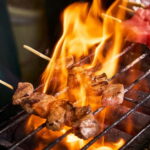
One drink is included (a vending machine drink recommended by the guide). Beyond that, the value is in the recommendations and the way the guide points out where it’s worth stopping. That can save you a lot of time when you’re hungry and every street looks like it has options.
This kind of guidance is especially helpful in Shinjuku because the area includes everything from tourist-heavy zones to places that feel more local. A guide can steer you away from “looks good from the street” traps and toward spots that fit what you actually want at that moment—something quick, something casual, something atmospheric.
And the best part from the reviews is how guides take a moment to understand interests. Some guides, like Mao, are described as asking questions first so they can focus on your interests. That kind of small adjustment is what turns a generic walking tour into something more personal.
Group size vibe and guide style: why people love the pacing
This tour is a private tour/activity, meaning only your group participates. That matters. You get the benefits of a guide without getting absorbed into a big crowd where your questions get lost.
Also, guides are described as polite, friendly, and capable of managing groups smoothly—even when weather isn’t ideal. One review mentioned a 15-person group being handled well, which tells you the tour likely has a system for keeping people together.
If you’re the type who likes asking questions, you’ll probably like this. Several guide-focused reviews highlight that the guides explain history and culture in a way that helps you understand the people behind the places. Even when the stops are short—like the 10-minute Kabukicho moment—you still get interpretation, not just foot traffic.
Weather and comfort: plan like it’s Tokyo
This experience requires good weather. That doesn’t mean you’re guaranteed perfect skies. It means if conditions are poor, the tour provider may offer a different date or a full refund.
So pack like you’re in Tokyo: comfortable walking shoes, and some rain protection if your forecast looks uncertain. Even a light drizzle can make street-level walking feel harder, especially in narrow areas like Golden Gai.
Because the entire tour is on foot, comfort is the main factor. If you’re dealing with mobility limits, you should consider whether 1.5 hours of walking in a busy district is realistic for you.
Who should book this Shinjuku backstreets tour?
You’ll likely love it if:
- you want a guided intro to Shinjuku at night without getting lost
- you’re interested in both old-school alley culture and modern entertainment districts
- you like practical food and drink tips while walking
- you want photos that feel planned, not random
It may not be the best match if:
- you dislike crowds or tight lanes
- you’re hoping for lots of indoor attractions or long sit-down stops
- you want a hands-on activity beyond walking and seeing
Should you book this tour or keep it DIY?
If you’re visiting Shinjuku for the first time and you don’t want to waste your night hunting for the right streets, I’d book it. The price is low enough to feel like a smart orientation move, and the route hits the core Shinjuku contrasts: Memory Lane, Kabukicho, Golden Gai, and a shrine finish.
I’d only skip it if you already know Shinjuku well and you’re confident you’ll enjoy wandering without a plan. Otherwise, this is the kind of small, well-organized night experience that can turn a confusing neighborhood into something you actually understand and remember.
FAQ
How long is the Shinjuku Historical Walking Tour & Secret Backstreets?
It runs for about 1 hour 30 minutes.
What is included in the tour price?
The tour includes a walking tour with a local guide and one vending machine drink recommended by the guide.
Do we need to pay entry fees for the main stops?
The stops listed are free in the tour outline (Kabukicho, Tokyu Kabukicho Tower, Shinjuku Golden Gai, and Hanazono Shrine).
Where does the tour meet, and does it end nearby?
It meets at Shinjuku Station East Exit Police Box and ends back at the same meeting point.
Is this tour private?
Yes. It’s a private tour/activity, and only your group participates.
What happens if the weather is bad?
This experience requires good weather. If it’s canceled due to poor weather, you’ll be offered a different date or a full refund.