REVIEW · TOKYO
Tokyo: Imperial Palace Japanese History Walking Tour
Book on GetYourGuide →Operated by Sunrise Adventure · Bookable on GetYourGuide
Power, politics, and gardens in one walk.
I love the way this English-speaking guide turns palace walls into real, human stories, not schoolbook facts. I also really liked the royal koi fish and the calm garden stops that make the Edo-era setting feel alive. One consideration: you’ll see the palace grounds, but the Inner Palace is not open to the public.
You start near the palace at a Starbucks by Wadakuramon fountain park, then head toward the grand Otemon Gate as your guide explains how Japan’s power shifted over centuries. The original castle isn’t there anymore, but the tour makes that absence make sense with clear explanations and a miniature model of what stood before.
You’ll walk in rain or shine, and you’ll want to dress for the weather. Guides often build in practical comfort, too, including shade breaks in hot conditions and mosquito help—Mika even brought mosquito spray in one reported tour.
In This Review
- Key Things I’d Prioritize on This Imperial Palace History Walk
- Meeting Wadakuramon Fountain Park and Spotting Your Guide
- From Otemon Gate Into Shogun History (Even Without the Original Castle)
- Eastern Gardens: Where the Calm Hides the Political Story
- The Royal Koi Fish Stop You’ll Want to Plan Around
- Bamboo Forest and Garden Details That Make the Grounds Feel Vast
- How the Guides Turn Palace Rules Into Easy, Fun Understanding
- What You Don’t Get: Inner Palace Access (And Why That’s Not Really a Dealbreaker)
- Rain or Shine: Comfort Tips Based on Real Conditions
- Price and Value: $32 for a Guided Imperial Grounds Lesson
- Who This Tour Is Best For (And Who Should Pass)
- Should You Book This Imperial Palace Japanese History Walking Tour?
- FAQ
- Where do I meet the tour guide?
- Is the Inner Palace included?
- What languages is the tour offered in?
- Does the tour run in bad weather?
- What kind of sites do we visit during the walk?
- What’s included in the experience?
- Who should avoid booking this tour?
Key Things I’d Prioritize on This Imperial Palace History Walk
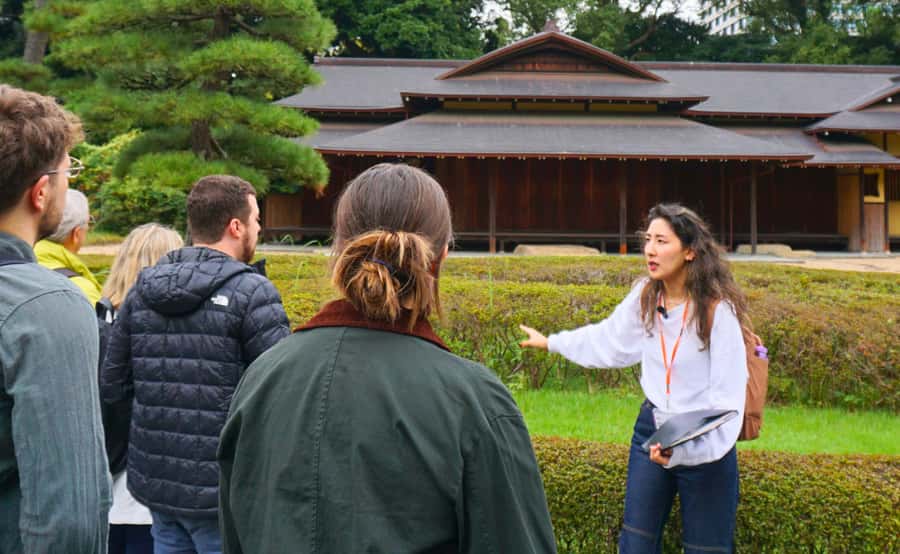
- Shogun-to-Emperor context that fits the scenery: you’ll connect what you see to what changed in Japan’s political system.
- Edo Castle site context (over 350 years back): the grounds are explained as the place where Edo Castle once stood.
- Bamboo forest + garden photo stops: you’ll have intentional spots for photos, not just random wandering.
- Royal koi fish moment: you’ll visit a specific garden area where the koi steal the show.
- Interactive guidance, often with lots of Q&A: names you may hear in past tours include Mika, Natsumi, Lakki, Nico, and Alexandre.
- No Inner Palace access: you’re focused on the public grounds and Eastern Gardens, not the restricted interior.
Meeting Wadakuramon Fountain Park and Spotting Your Guide
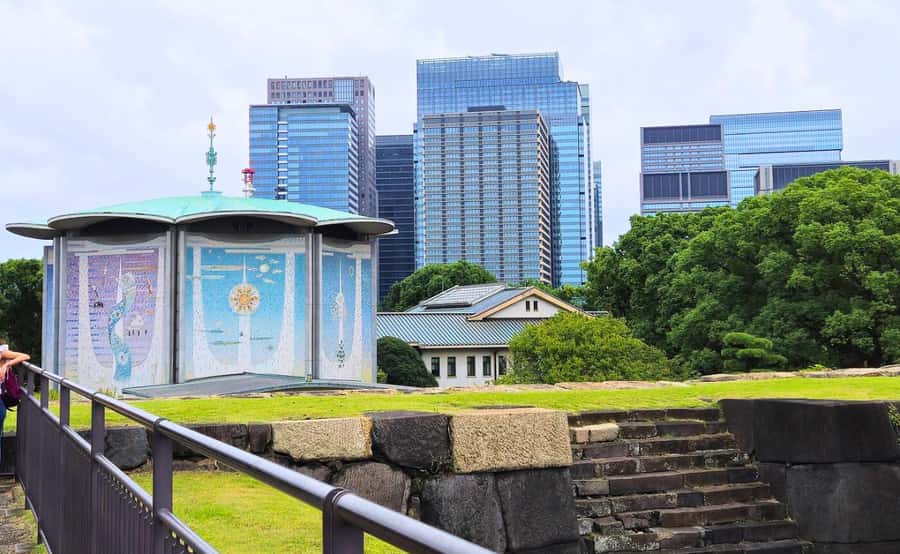
This tour starts in a very practical way: you take the train to Tokyo Station or Otemachi Station, then it’s a short walk to Wadakuramon fountain park. From there, you head to Starbucks and look for a guide holding a sign with the Sunrise Adventure logo. It’s easy to find, and the quick meetup matters because you’re about to walk through a high-security, high-importance area where you don’t want to be late or flustered.
If you’re the kind of traveler who likes a smooth start, this is a good match. Multiple past guides were described as easy to spot and friendly—one group specifically noted that Mika’s sign made it obvious who the guide was right away.
Also, the tour ends back at the meeting point. That’s a small thing, but it helps if you’re planning lunch or your next stop soon after.
You can also read our reviews of more walking tours in Tokyo



From Otemon Gate Into Shogun History (Even Without the Original Castle)
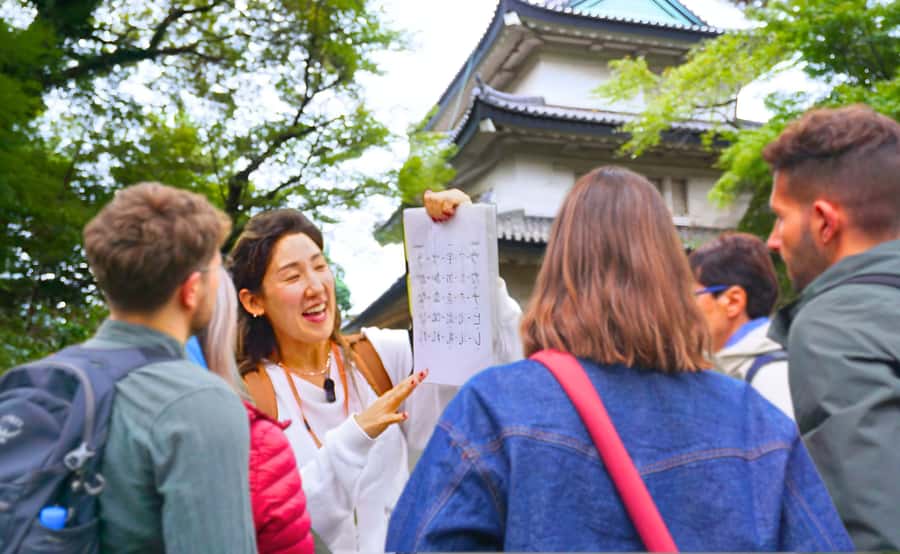
Your walk builds from a symbolic entrance. You head toward the grand Otemon Gate of the Imperial Palace grounds, and your guide frames what you’re seeing: the Shogun’s world, and how ambition and governance shaped modern Japan.
Here’s the key idea: the original castle is gone, but the tour gives you the “missing piece” experience. You’ll hear why the castle isn’t there anymore, and you’ll also see a miniature model that shows what it used to look like. For first-time visitors, that kind of visual support is huge. Without it, you can stand in a courtyard and think, okay, but where’s the real thing? With it, you get orientation fast.
The tour also connects the grounds to Edo Castle, the earlier seat of power—reported as over 350 years ago—so you can understand this palace area as a living timeline rather than just a pretty park.
Eastern Gardens: Where the Calm Hides the Political Story
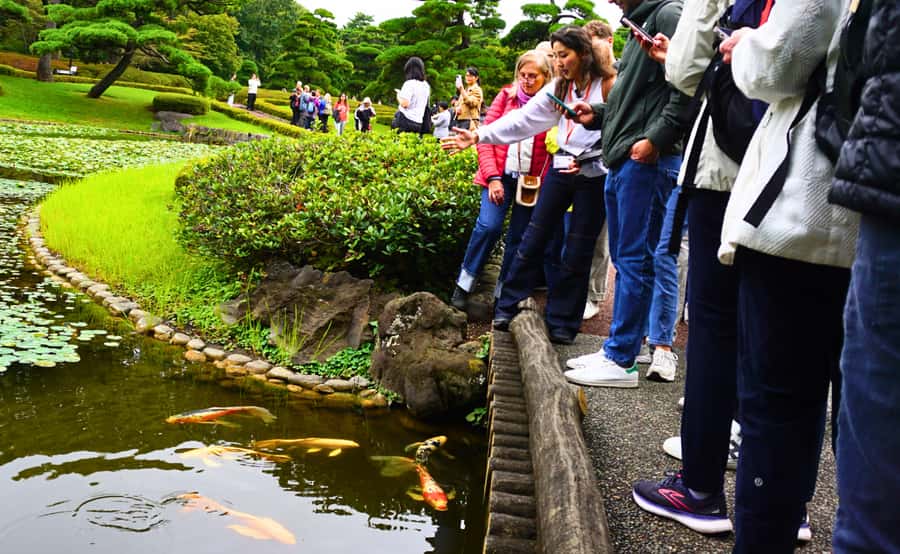
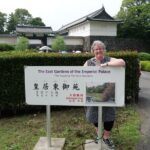
Once you’re inside the palace grounds area, the mood shifts from “big Tokyo landmark” to “quiet walk with sharp context.” You’ll explore the Eastern Gardens, which is the heart of the experience for this tour: gardens, ruins, and details that explain how governance worked in different eras.
You’ll also hear a story that’s built around transformation—how a Shogun’s castle world changed into an Emperor’s palace world. That shift isn’t only architectural; it’s social. One of the most memorable parts is the ranking system your guide explains, with farmer, samurai, daimyo, and shogun. It’s not a trivia list—it’s a framework for understanding who had power, why, and how status affected daily life.
Along the way, you might spot elements that feel small but are meaningful, like the tour’s stop at an old samurai house. Even if you’re not a “history buff,” that kind of detail helps you picture how people lived under the system your guide is describing.
And then there are the garden “wow” moments that make the whole thing feel like Tokyo, not a museum:
- You’ll admire trees said to be gifted to the emperor from all over Japan.
- You’ll have a bamboo forest segment.
- You’ll get to the Japanese-garden style area where the koi are kept.
For me, the best part of this section is the balance. You’re walking through a peaceful place while learning how that peace was shaped by rules, rank, and control.
The Royal Koi Fish Stop You’ll Want to Plan Around

Yes, you’ll hear history. But this tour also gives you an unmistakable visual anchor: the royal koi fish. You see them at a specific Japanese garden area during the walk, and it’s positioned as a major highlight, not an afterthought.
This matters because gardens can blur together if you’re moving too fast. The koi stop gives your brain a focal point. You can pause, look, and then let the history you just heard connect to the setting you’re in.
Past groups also called out that the tour includes one-of-a-kind koi and one of the best “perfect amount of time” experiences—meaning the walk doesn’t feel like it’s dragging you through greenery with no payoff.
If you’re the type who likes photos, this section also tends to be a natural photo break. The tour is designed with photo spots in mind, and the koi moment is one of the easiest subjects to photograph well without needing to hunt for the view.
Bamboo Forest and Garden Details That Make the Grounds Feel Vast
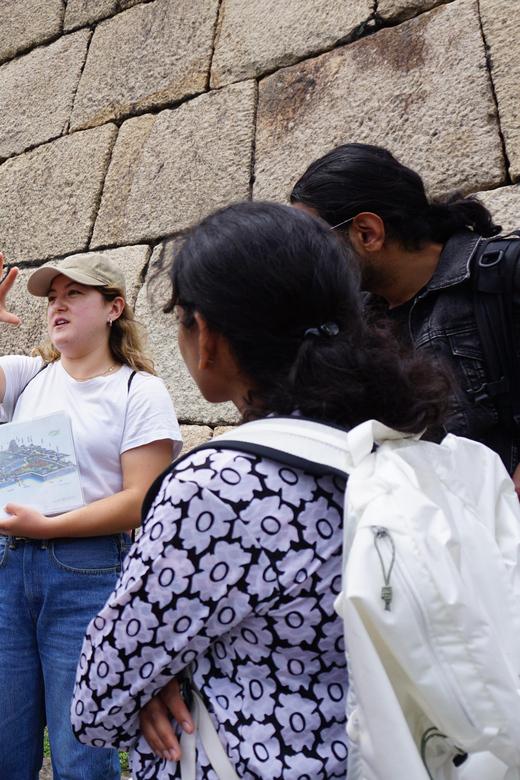
The bamboo forest stop is another highlight because it changes the sound and feel of the walk. Bamboo creates that closed-in, vertical texture that instantly signals you’re not just in a city park—you’re in a carefully managed landscape with its own mood.
You’ll also have other garden moments that feel like tiny chapters:
- Calm paths that make you slow down.
- Trees and landscaped areas that help explain how the imperial grounds were meant to be experienced.
- Ruins-like context (the guide explains what you’re seeing and what used to be here).
One thing I appreciate about this tour format is that it treats gardens as part of the storytelling. You’re not just there to look. You’re learning how those spaces reflected power, tradition, and the Emperor’s role as Japan’s center over time.
You can also read our reviews of more historical tours in Tokyo


How the Guides Turn Palace Rules Into Easy, Fun Understanding
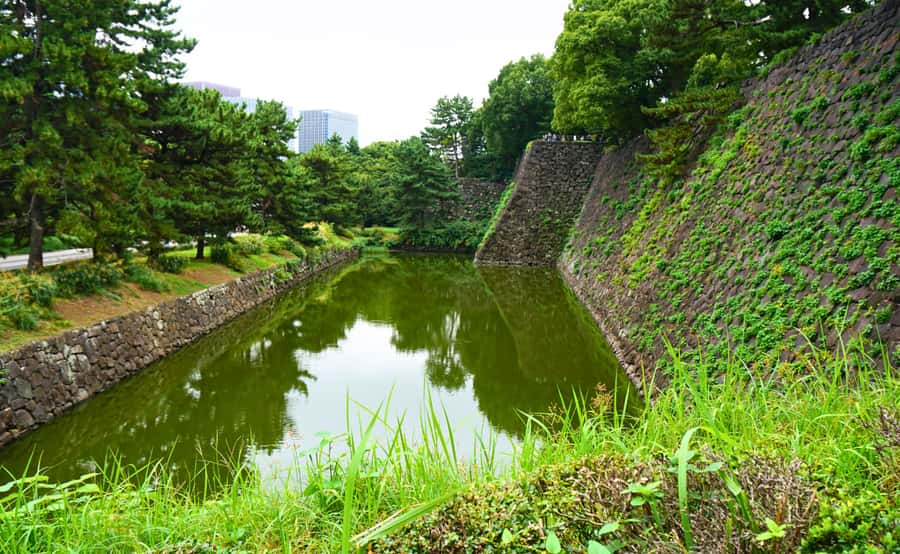
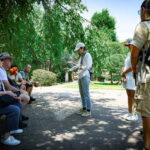
A palace tour can go one of two ways: either it becomes a lecture, or it becomes a conversation. This one is repeatedly described as interactive and friendly, and that’s not a small detail in Tokyo where you may be moving between landmarks all day.
Guides are often praised for speaking clearly enough for everyone, answering questions, and keeping the pace comfortable. Some standout examples from past tours include:
- Mika: praised for excellent English, lots of Q&A, and even providing mosquito spray on a nature-heavy day.
- Natsumi: described as a great storyteller, fun with questions, and helpful with practical recommendations beyond the tour.
- Lakki and Laki: praised for warmth, humor, and going beyond the scheduled time with extra explanations.
- Nico and Alexandre: noted for friendliness, insight, and a strong sense of context and culture.
You’ll also notice a pattern: guides don’t just recite dates. They connect what you see—the gate, the grounds, the garden features—to what those places meant. And in hot weather, reports mention shade stops and small gifts to help people cope. That combination is why the tour can feel comfortable instead of tiring.
This tour is also offered in English and French. If you’re trying to maximize value from your language skills, that matters.
What You Don’t Get: Inner Palace Access (And Why That’s Not Really a Dealbreaker)

Here’s the honest boundary: you do not get access to the Inner Palace. It’s not open to the public, and the tour explicitly notes that limitation.
If you’re picturing the Inner Palace as the main event, you may feel a little disappointed before you even start. But if you approach this as an Eastern Gardens and palace-grounds orientation—where the guide explains what stands there now and what stood there before—the experience still hits.
In fact, the tour’s strongest moments often come from understanding the absence. The miniature model and the explanation about what used to exist help you “place” the missing structure in your mind.
Also, the focus on public grounds means you’re not stuck in restricted areas or waiting on access rules in the way you might at other sites. You get a clear, guided walk with intentional stops.
Rain or Shine: Comfort Tips Based on Real Conditions
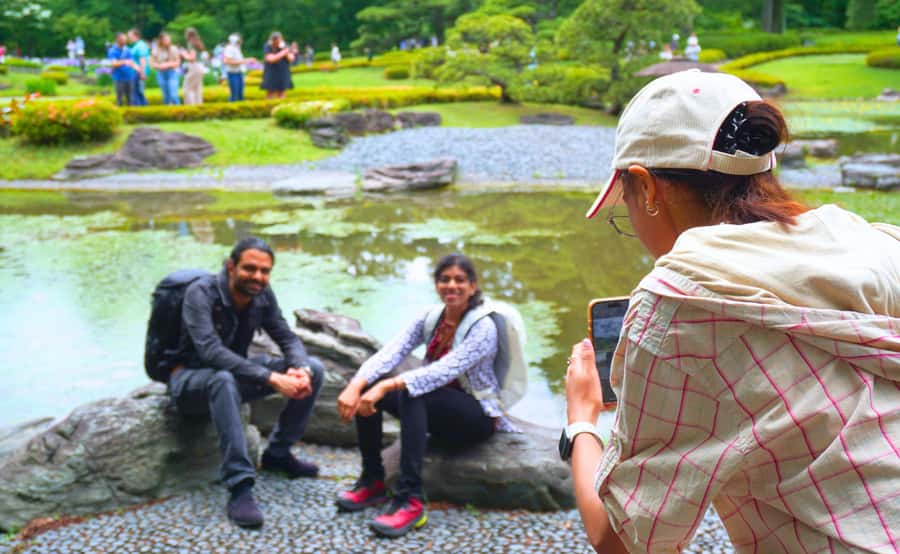
The tour takes place rain or shine, so you’ll want to dress accordingly. One practical detail from the experience: it’s described as fully outdoors through the walk, including garden areas and bamboo.
In Tokyo summer heat, shade breaks matter. Past groups specifically appreciated times the guide tried to stop under trees or in shade. That’s a good sign of guide behavior, not just luck.
Mosquitoes can also be a factor inside nature-heavy grounds. One report says Mika provided mosquito spray during the tour. Even if you’re planning ahead, bring your own protection mindset—expect some insect activity in garden zones.
And remember: this is a walking tour, and it’s not for everyone. It’s listed as not suitable for wheelchair users and people with mobility impairments, along with people who are pregnant, have back problems, have heart problems, have had recent surgeries, or have low fitness. If any of those apply, it’s worth skipping this one and looking for an easier alternative.
Price and Value: $32 for a Guided Imperial Grounds Lesson
At $32 per person, this tour feels priced like a smart add-on rather than a luxury splurge. You’re paying for a few things that are hard to replace on your own:
- An English-speaking (or French-speaking) guide who explains what you’re looking at.
- A structured walk that doesn’t require you to piece together Edo-era context from scratch.
- Specific stops that are designed as highlights, like the bamboo forest and royal koi fish.
- Photo spots plus help with other travel tips if you want to ask.
The value equation gets even clearer when you consider what’s included: beautiful garden time, bamboo, koi, and a guide who can point out what matters and answer questions on the spot.
The one thing you’re not getting is Inner Palace access. But for a guided grounds experience at this price, that limitation is usually understandable—and the tour’s content seems built to work within it.
Also, the experience is highly rated (4.9 across 987 reviews). While ratings aren’t a guarantee, they do suggest the guide-led approach is consistently working for people.
Who This Tour Is Best For (And Who Should Pass)
This is a strong fit if you:
- Want a palace visit that explains why the spaces matter, not just where to stand for a photo.
- Like Edo period context and want the Shogun-to-Emperor story made simple.
- Prefer a walk with lots of questions and friendly guidance (you’ll likely get that).
It’s not a great fit if you:
- Need wheelchair access or have mobility limits that make uneven garden walking hard.
- Are pregnant or have recent surgeries or heart/back issues where extra walking and weather exposure would be risky.
- Are only satisfied by Inner Palace access. This tour doesn’t offer it.
Should You Book This Imperial Palace Japanese History Walking Tour?
If you want a grounded, guided way to understand Tokyo’s Imperial Palace grounds, I’d book it. It’s one of those rare tours that treats gardens like history, not decoration. The mix of gates, Eastern Gardens, bamboo forest, and the royal koi fish gives you both meaning and moments you’ll actually remember later.
Book it especially if you’ll appreciate an interactive guide who can answer questions clearly—Mika, Natsumi, Lakki, Nico, Alexandre, and others have been highlighted for making the experience feel easy and personal.
Skip it if Inner Palace access is your must-have. And if your body needs a gentler pace, or accessibility is a concern, trust the tour’s listed limitations and choose something more suitable.
FAQ
Where do I meet the tour guide?
Meet at Starbucks near Wadakuramon fountain park. From Tokyo Station or Otemachi Station, it’s about a 5 to 10 minute walk to the park, then head to the Starbucks. Your guide will be holding a sign with the Sunrise Adventure logo.
Is the Inner Palace included?
No. The Inner Palace is not open to the public, and this tour does not include visiting it.
What languages is the tour offered in?
The tour is offered in English and French.
Does the tour run in bad weather?
Yes. The tour takes place rain or shine, so wear clothes suited to the weather.
What kind of sites do we visit during the walk?
You’ll explore the palace grounds and Eastern Gardens, including stops such as the way to Otemon Gate, a samurai house, bamboo forest, and a Japanese garden area with royal koi fish. You’ll also learn about the Edo Castle site and how the shogun’s castle world shifted into an emperor’s palace.
What’s included in the experience?
Included: great photo spots, beautiful garden time, bamboo forest, royal koi fish, and an English or French guide who can also help with other travel tips if you need them.
Who should avoid booking this tour?
It’s not suitable for pregnant women, people with back problems, mobility impairments, heart problems, wheelchair users, people with recent surgeries, and people with low fitness.