REVIEW · TOKYO
Tsukiji Fish Market: Street Food & Culture Walking Tour
Book on GetYourGuide →Operated by Local Guide Stars · Bookable on GetYourGuide
Tsukiji can feel like sensory overload, and that is the point. This tour turns that famous Tokyo scene into a guided crawl with temple culture up front and street food tastings right on the route.
What I especially like is the special wasabi set that boosts the bite of what you’re eating, and the chance to sample standout seafood and comfort-style dishes in the market atmosphere.
The one thing to plan around is that on Wednesdays, Sundays, and national holidays, about half the outer-market shops may be closed, so the experience can feel different.
In This Review
- Key things I’d circle before you go
- Tsukiji starts at Tsukiji Hongan-ji Temple, not the seafood chaos
- The outer market tastings: how you avoid the wrong stalls
- Fresh wasabi and umami: the flavor lesson you can taste
- What you’ll likely eat: tuna, wagyu, and the market’s snack chemistry
- Guides make Tsukiji feel doable: names worth noting
- Timing, movement, and why 2 hours works for most people
- Holiday closures can change the feel, so plan with flexibility
- Price and value: what $22 buys in a high-signal market
- Who this Tsukiji street food tour is best for
- Should you book it?
- FAQ
- Where does the tour start?
- How long is the Tsukiji Fish Market street food tour?
- How much does it cost?
- What language are the tours offered in?
- Is the tour wheelchair accessible?
- Is it a small group experience?
- What is included in the tour?
- Do I need to bring anything?
- Are there days when some shops may be closed?
- What is the cancellation policy?
- Is there a reserve now and pay later option?
Key things I’d circle before you go
- Tsukiji Hongan-ji Temple first, with a calmer cultural start before the food crowds
- Fresh wasabi set, the kind of detail that makes your tastings taste more intentional
- Outer market route with food samples, so you don’t waste time guessing where to eat
- A guide who explains cooking logic, from ingredients to preservation and umami
- Small-group feel, which makes it easier to ask questions and keep moving
- Cash required, so come ready to pay for extras beyond the included tastings
Tsukiji starts at Tsukiji Hongan-ji Temple, not the seafood chaos
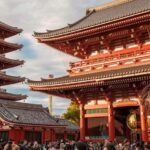
Most Tsukiji experiences jump straight into the market noise. This one begins at Tsukiji Hongan-ji (築地本願寺本堂), which is a smart way to set the tone. You get a quick guided visit around the temple area, including time to appreciate the architecture and carvings, and you’ll hear context that helps you understand why food culture matters here.
Even if you’re not religious, it’s a useful reset. Temple time slows your brain down for a moment, so when you step back into the market streets you notice the details instead of just the bustle.
Another practical win: you start from a clear, recognizable meeting area near the temple (some tours use the temple as both start and finish), which makes the logistics feel easier in a place where directions can get messy fast.
You can also read our reviews of more walking tours in Tokyo


The outer market tastings: how you avoid the wrong stalls
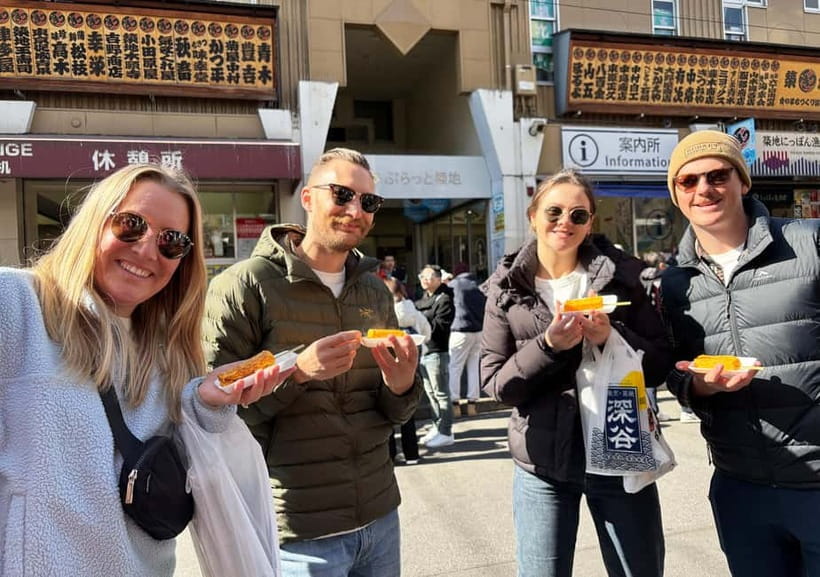
Tsukiji’s outer market is famous for a reason: it’s where you can watch people shop, nibble, and compare. The best way to enjoy it is with a route that makes sense, and that’s the real value of a guided walking tour at this price point.
You’re taken through the outer market for guided wandering plus food tastings and time to visit vendors at a comfortable pace. Instead of spending your energy scanning menus you can’t read, you’re following a plan built around what’s available that day. And the tastings help you decide what you actually want more of later.
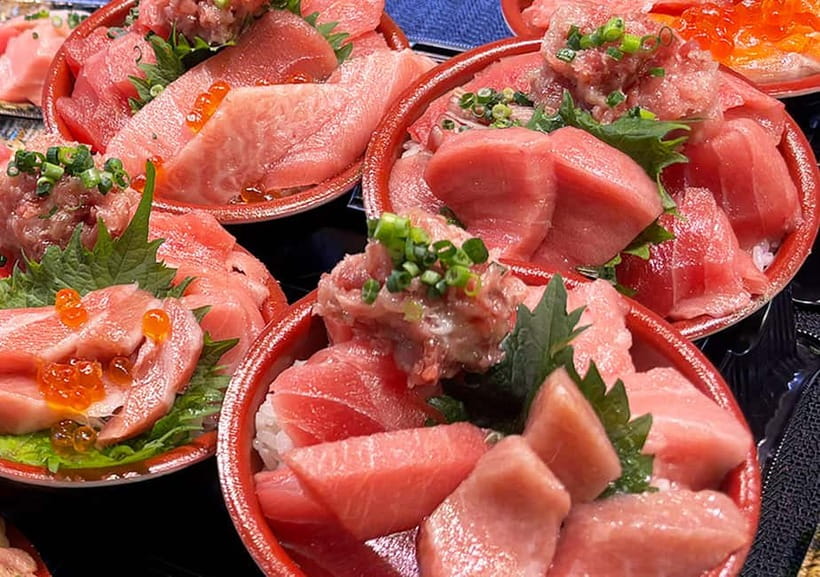
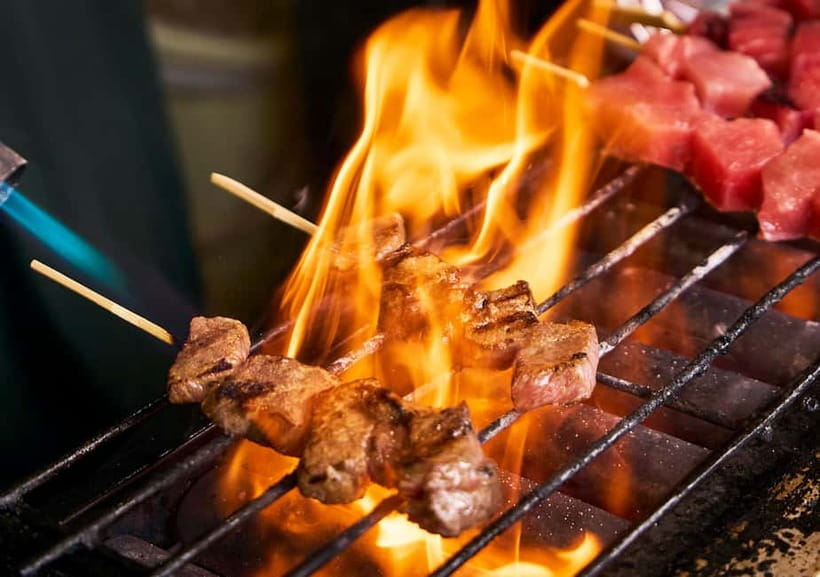
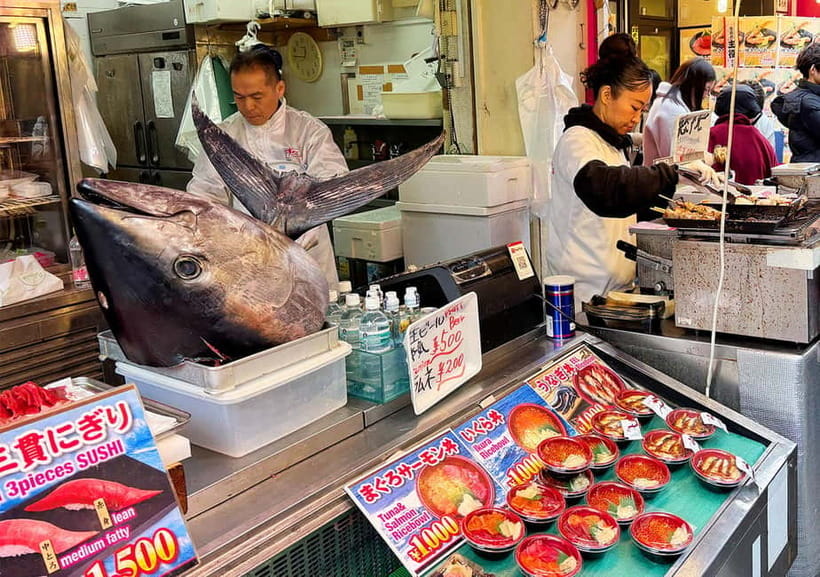
From the food variety described here, you should expect classic market-style hits—things like fresh tuna preparations, wagyu in skewer form, and other grilled or fried comfort bites. The goal is not just to eat more. It’s to understand what makes each item work in Japanese street-food terms: temperature, seasoning, texture, and the way umami builds across bites.
One more subtle benefit: your guide can help you pick what to order without turning the market into a guessing game. This matters because Tsukiji is not just a tourist place; it’s a working environment where locals know exactly what they’re looking for.
Fresh wasabi and umami: the flavor lesson you can taste
A lot of food tours say they will teach you something. This one does, and the teaching lands on your tongue.
You get a special wasabi set included, and that detail can change the whole experience. Wasabi is often treated like a green paste. Here, it’s presented as part of a bigger flavor system—how it sharpens, cleans, and balances fatty seafood and rich preparations.
The tour also includes insights into Japanese cooking and ingredients, including traditional preservation techniques that enhance umami. That might sound abstract until you connect it to what you’re eating. Preservation in Japan is not just about storage; it’s about developing depth—through fermentation, drying, salting, or curing methods that create the savory backbone that makes seafood tastes feel fuller.
If you love food as more than fuel, this is one of the best parts. You leave with a clearer mental map: which flavors pair with which textures, and why certain ingredients show up together so often in Japanese cooking.
What you’ll likely eat: tuna, wagyu, and the market’s snack chemistry

This tour is built around street food culture, so it’s not a sit-down meal. You’ll be sampling multiple items across vendors, and the mix described here points to seafood-forward tastings plus rich Japanese specialties.
Based on the food variety highlighted and repeated in guide-led experiences, you can reasonably expect tastings that may include:
- fresh tuna in sushi-style bites
- wagyu, sometimes as grilled skewer servings
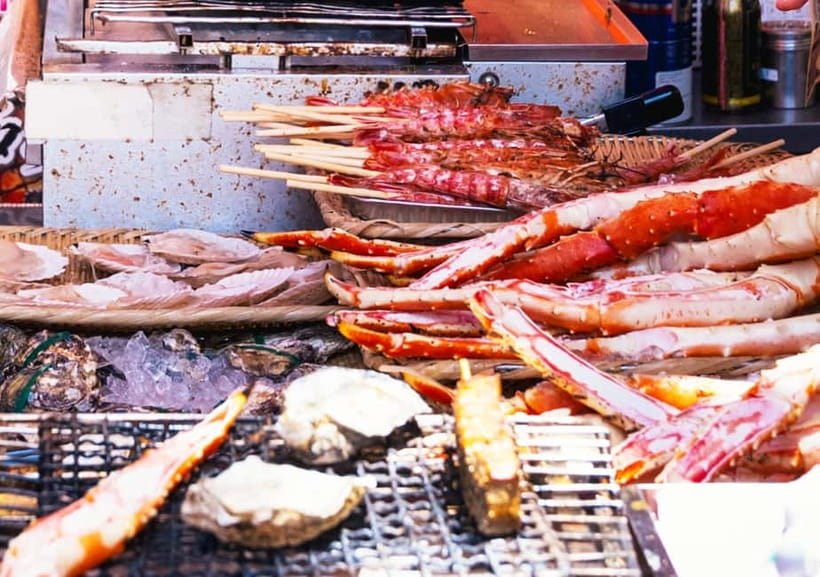
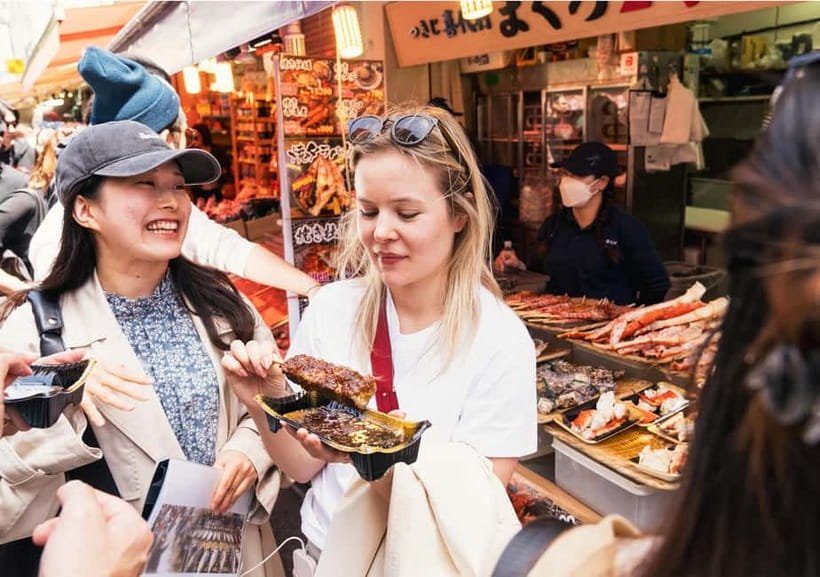
- other seafood like eel or grilled scallops
- market snack foods such as fish cake and dumpling-style items
- occasional bolder skewers or seafood preparations you may not have tried at home
One thing I like about a tasting-focused approach in Tsukiji is that you get choices without the stress of ordering everything yourself. You can taste widely, find your favorites fast, and then decide what you want to buy later for later in your trip.
Also, the guide experience seems to lean toward confident ordering. In practice, that means you’re less likely to end up with a dish that sounds good on a sign but isn’t the right choice for your palate.
Guides make Tsukiji feel doable: names worth noting
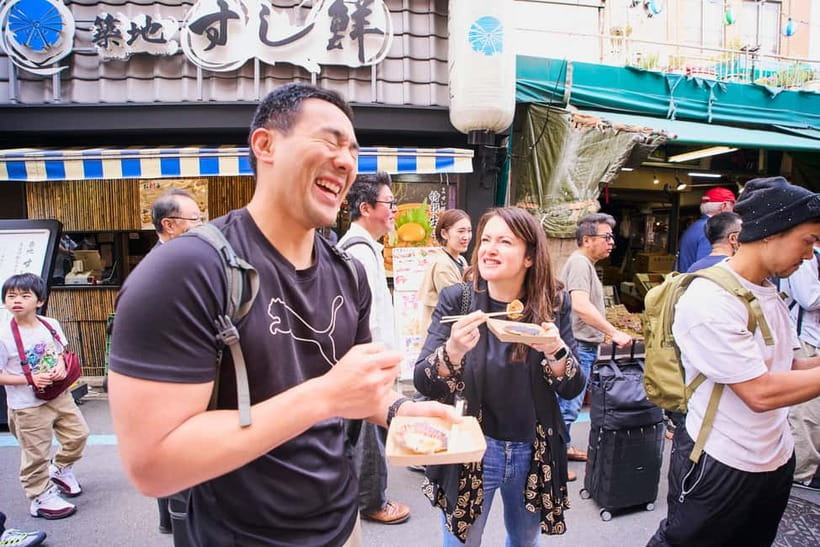
The most praised element across guide-led feedback is consistency: the guides do more than point and translate. They connect food to culture and keep the walking route efficient.
Several guides stand out in the data you provided, including Kenny, Kawa, Mao, George, Tomo, Chihiro, and Ayaka. People explicitly called out guides who:
- guided them to the best vendors to sample
- helped with lines so the group didn’t waste time waiting
- explained what ingredients were doing in the dish
- answered cultural questions along the way
Even if your guide is different, that emphasis matters. You’re paying for a market route plus interpretation—how to understand what you’re seeing and tasting. In a place like Tsukiji, that’s often more valuable than adding one extra food stop.
You can also read our reviews of more food & drink experiences in Tokyo

Timing, movement, and why 2 hours works for most people
A 2-hour format is short enough to keep it fun, and long enough to feel like you actually did something beyond taking photos.
This tour structure also helps you avoid the most common Tsukiji problem: arriving, getting overwhelmed, and then not knowing what to prioritize. You’ll start with the temple context, then move through the outer market with guided pacing and tastings.
Small group availability is another practical advantage. It’s easier to keep everyone together when you’re stopping for bites, and it’s easier to ask questions without waiting for a lull. It also helps when you want to tailor what you eat—some guides are attentive to preferences and guide you toward foods you’ll enjoy rather than forcing a one-size-fits-all lineup.
If you want to keep exploring after the tour, the timing helps a lot. You’ll finish with better bearings, so wandering the rest of Tsukiji on your own becomes more intentional.
Holiday closures can change the feel, so plan with flexibility
Here’s the heads-up you should take seriously: on Wednesdays, Sundays, and national holidays, about half of the shops in the Tsukiji Outer Market may be closed. The tour can still operate, but the experience may differ from usual.
What does that mean for you? It means:
- your food mix might vary depending on what’s open that day
- you may have fewer vendor choices in certain lanes
- the market energy can feel a bit different from the days that run at full strength
My advice is simple: if your travel dates land on one of those days, treat the tour as a culture-and-flavor walk through Tsukiji rather than a guarantee of the exact same stall lineup every time.
Price and value: what $22 buys in a high-signal market
At $22 per person for a 2-hour guided tour, you’re paying for three things: a knowledgeable local guide in English, a curated walk through a major food area, and included cultural and tasting elements.
Could you wander Tsukiji on your own? Sure. But you’d spend time figuring out where to go, what to order, and how to read the market flow. In a place where small decisions matter—like which vendor is worth your queue—this kind of guided tastings format can save you effort and help you eat smarter.
The wasabi set being specifically highlighted is a good sign for value. Small inclusions like that often cost extra at the counter, and here it’s part of the experience. If you’re the type who likes to learn what you’re eating, the cooking and ingredient explanations are also where this price starts to feel fair rather than cheap.
Who this Tsukiji street food tour is best for
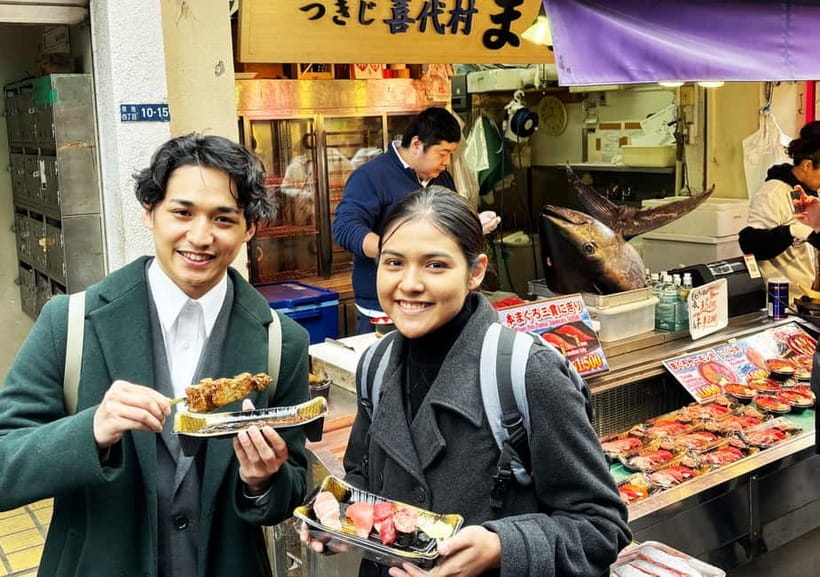
This is a strong match if you:
- want street food culture with structure, not a free-for-all
- like tasting multiple items rather than committing to one big meal
- enjoy food history and ingredient talk, especially umami and preservation methods
- want an insider-style route with an English-speaking guide
It’s also a good choice for first-timers to Tokyo food neighborhoods. Starting at Tsukiji Hongan-ji helps you ease in, and the outer market route helps you avoid aimless wandering.
If you already know exactly which stalls you want and you’re comfortable ordering without help, you might skip a guided option. But if you’d like to leave Tsukiji with better context and better bites, this tour format makes a lot of sense.
Should you book it?
I’d book it if you want Tsukiji without the guesswork. The combination of temple culture + outer market food tastings + wasabi detail + cooking explanations is exactly the kind of high-signal experience that makes a short Tokyo visit feel complete.
Do it with the right expectation if your date falls on a closure day. It may not look or feel like the all-stalls-open version of Tsukiji, but the guided cultural walk and tastings still offer real value.
If you like your travel days practical—eat smart, walk efficiently, learn something you can use later—this is a solid way to experience Tsukiji.
FAQ
Where does the tour start?
The meeting point can vary depending on the option booked, with starting location listed as Tsukiji Hongan-ji / 築地本願寺本堂. The coordinates are provided: 35.66661467955698, 139.77199430835137.
How long is the Tsukiji Fish Market street food tour?
It lasts 2 hours.
How much does it cost?
The price is $22 per person.
What language are the tours offered in?
The live guide offers English.
Is the tour wheelchair accessible?
Yes, it is listed as wheelchair accessible.
Is it a small group experience?
Yes, small group availability is offered.
What is included in the tour?
You get a guided tour of Tsukiji Fish Market, exploration of the outer market, a visit to Tsukiji Hongwanji Temple, and insights into Japanese cooking and ingredients.
Do I need to bring anything?
Bring cash.
Are there days when some shops may be closed?
Yes. On Wednesdays, Sundays, and national holidays, about half of the shops in the Tsukiji Outer Market may be closed.
What is the cancellation policy?
Free cancellation is offered up to 24 hours in advance for a full refund.
Is there a reserve now and pay later option?
Yes. You can reserve now and pay later, with payment not required at the time of booking.