REVIEW · GOTHENBURG
Gothenburg: Haga Old Town Walking Tour
Book on GetYourGuide →Operated by Tours of Stockholm · Bookable on GetYourGuide
This is the kind of stroll that makes Haga Nygata feel like time travel, because you’re guided through streets tied to the area’s mid-17th-century roots. I especially love how the guide points out the wooden-house details and the distinctive landshövdingehus style.
I also like the way the tour links the neighborhood’s 19th-century reputation to the Gothenburg you see today: cafes, delicatessens, and independent shops. Guides like Kalina and Sarah bring in insider stories that answer the obvious question—how does this place work now?
One possible drawback: some departures include a steep climb to Skansen Kronan, so if hills are a problem for you, plan shoe choice carefully and ask about the pace or route option.
In This Review
- Key things to love about this Haga walking tour
- Haga’s wooden streets: why this old neighborhood is worth your time
- Start outside Haga Church: the easiest way to get oriented
- Haga Nygata and the landshövdingehus style you’ll start noticing everywhere
- What Haga went through: from 19th-century seedy reputation to modern cool
- The Skansen Kronan hill: amazing views, real effort
- How the guides make it feel personal (even when it’s not private)
- Price and value: is $55 fair for this 1.5–2 hour experience?
- Who should book this Haga Old Town walking tour
- Should you book this Gothenburg Haga tour?
- FAQ
- How long is the Gothenburg Haga Old Town walking tour?
- Where do I meet the guide?
- Is the tour in English?
- What’s included in the price?
- Is gratuity included?
- Can I cancel for a refund?
Key things to love about this Haga walking tour
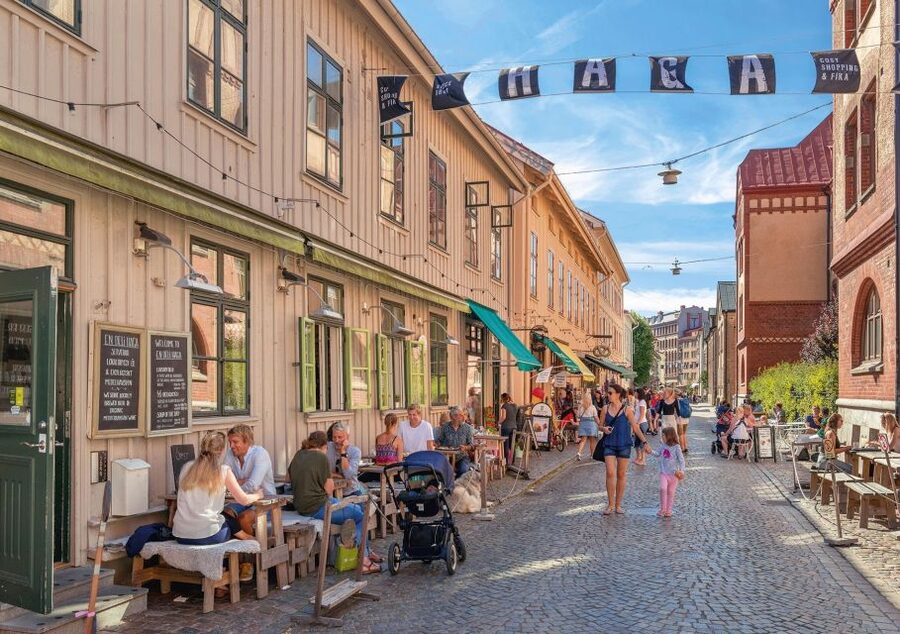
- Landshövdingehus details: you’ll learn what to look for in the brick-and-wood house style
- Professional local guides in English: storytelling plus real Gothenburg context
- 19th-century to today context: the neighborhood’s transformation is part of the experience
- Small-group energy: many bookings turn into a near-private tour feel
- Practical recommendations: you’ll leave with places to eat and wander afterward
Haga’s wooden streets: why this old neighborhood is worth your time

Gothenburg has plenty of nice squares, but Haga is different. This is the old area where you can still read the city’s past right on the sidewalks. During the walk, you’ll be in the pedestrian core around Haga Nygata, lined with well-preserved wooden houses. The big visual hook is the landshövdingehus style—brick on one level and wood on the rest—which is the kind of architectural clue that makes your eyes start working fast.
What I find valuable is that this isn’t just a photo-op walk. You get the “why” behind what you’re seeing: the area’s roots go back to the mid-17th century, then the tone shifts into a very human story about how the neighborhood earned its later 19th-century reputation—and how it reinvented itself into Gothenburg’s trendier stretch.
And yes, you’ll still get the charming part. Haga’s today-day vibe is the reason people keep wandering after the tour. When the guide talks you through the houses and streets, you’re also learning how to spot what’s worth your time if you continue on your own.
Start outside Haga Church: the easiest way to get oriented

You meet your guide right outside the main entrance to Haga Church. It’s a good anchor point: you can spot the group quickly, and the church location helps you understand how the neighborhood fits together around the pedestrian streets.
From there, the flow is simple. You start walking, the guide handles the story, and you stop often enough to actually look instead of just passing by. Reviews repeatedly highlight that the pace feels right—often fast enough to keep energy up, but not so rushed that you miss the house details. In multiple accounts, the guide used pictures to support stories, which helps when you’re learning how the area changed over time.
Bring comfortable walking shoes. You’re on foot for about 1.5 hours, and some departures run closer to the full two-hour experience. Either way, plan for a solid walk—this isn’t a “shuffle slowly and hope you learn something” tour.
Haga Nygata and the landshövdingehus style you’ll start noticing everywhere

The heart of this tour is the stretch of Haga Nygata lined with preserved houses. This is where the guide earns their fee. Instead of giving you vague compliments about old buildings, you learn a specific system: the landshövdingehus layout, and how it shows up on the streetscape.
Here’s how to use that info when you’re walking:
- Look at where brick ends and wood begins. The transition is the clue the guide wants you to see.
- Notice rooflines and frontage details. Even if you don’t know construction terms, you’ll start connecting “this looks Gothenburg-ish” to the design choices behind it.
- Pay attention to the way the street feels at human scale. The pedestrian setting makes the architecture feel less like a museum and more like a lived neighborhood.
This is one of the most praised elements of the tour for a reason. When a guide helps you see patterns, you stop being a spectator and start being an observer. That’s what turns a simple walk into a memorable one.
What Haga went through: from 19th-century seedy reputation to modern cool
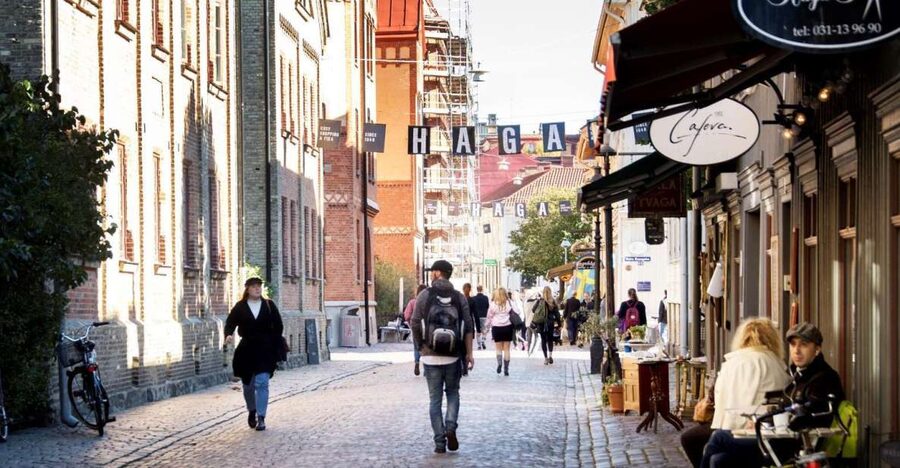
The tour’s history angle matters because it explains the neighborhood’s mood shift. In the 19th century, Haga had a “seedy” reputation. Then time and money (and new social tastes) did what they do everywhere: the area changed.
You’ll hear the story as you walk—so it’s not a lecture happening somewhere else. You’re standing in the place while the guide connects the dots between past and present. That makes the transformation feel real, not like a random set of dates.
This is also why the tour pairs so well with a food-and-shop afternoon after. The area is now known for cafes, delicatessens, and independent shops. So once the history lands, you’ll understand why people want to hang around here. The streets don’t just look good; they carry a reason for their vibe.
A practical tip: use the tour to build your shortlist. Several guides are praised for recommending places to eat right after. If you’re even slightly food-motivated, you’ll leave with a plan rather than wandering hungry and hoping something looks good.
The Skansen Kronan hill: amazing views, real effort
One caution worth taking seriously: at least some versions of the route include Skansen Kronan, the former fort on a hillside with a viewpoint. A review called out that the walk included a steep hike up to the fort, and the payoff was views—yet the climb itself was a challenge for someone in the group.
So here’s my advice: assume you may face stairs or a steep slope. If you have mobility limits, don’t just rely on the general statement that the tour is wheelchair accessible. Ask your guide or operator whether that specific departure includes the hill portion and what the options are.
If you’re fine on your feet, treat the fort as the “reward stop.” It’s the kind of viewpoint that makes the rest of the city feel more understandable. You’ll also get why Gothenburg’s geography shapes what you see from street level.
How the guides make it feel personal (even when it’s not private)

This is one of those tours where the guide often becomes the main event. Many reviews mention 1:1 or tiny groups, which changes everything. With fewer people, you can ask questions and actually steer the conversation. You’ll also get recommendations tailored to what you care about.
A few guiding styles and specifics show up again and again:
- Kalina is praised for being friendly, knowledgeable about Haga, and even willing to talk about everyday life in Sweden. In one case, the conversation included how the education system works and benefits like parental leave and education access up to university level.
- Sarah gets high marks for connecting Haga to the broader history of Gothenburg and for flexibility with timing and weather.
- Luka is noted for being extremely informative, with stories supported by visual material.
- David is praised for handling meeting-point confusion smoothly and for spending extra time showing places outside the usual plan.
What you should take from that: this tour isn’t only about buildings. It’s also about context—how Swedes live, what people value, and how Gothenburgers think about their neighborhoods. Even if your only goal is architecture, those cultural details make the setting feel less like scenery and more like a real place with real people.
One more practical point: if the weather turns, ask what the route adjustment will be. A review described a guide who changed departure timing on a wet day so the group could still enjoy the best part of the day. That’s the difference between a tour that “happens to you” and one that’s actually managed.
Price and value: is $55 fair for this 1.5–2 hour experience?
At $55 per person for a guided walk, the value comes from three things you can measure:
- You’re paying for interpretation. The wooden houses look great, but the guide teaches you what makes them distinctive and why the neighborhood became what it is.
- You’re paying for time on foot with local context. Two hours of a competent local guide is hard to replicate if you’re just using your phone. The stories tie together past and present.
- You’re leaving with next-step recommendations. Multiple people specifically mention getting ideas for where to eat and what to see afterward. That can easily save you hours of guesswork.
So is it worth it? If your trip is short and you want a strong “orientation + atmosphere” hit, I think yes. If you already know you don’t enjoy guided walking tours, then it might feel pricey for a stroll. But if you like history with street-level reality—this is a good fit.
Who should book this Haga Old Town walking tour
Book it if you:
- want an easy entry point to Gothenburg beyond the obvious sights
- enjoy architecture details you can actually learn to spot
- like small-group energy and the chance to ask questions
- want a plan for the rest of your day, including food suggestions
Consider a different plan if:
- steep hills are a hard no for you, and your route includes the Skansen Kronan climb
- you prefer independent wandering with no guide interaction
If you’re somewhere in the middle, don’t hesitate to ask about the hill portion and whether you can stick to the flattest route possible.
Should you book this Gothenburg Haga tour?
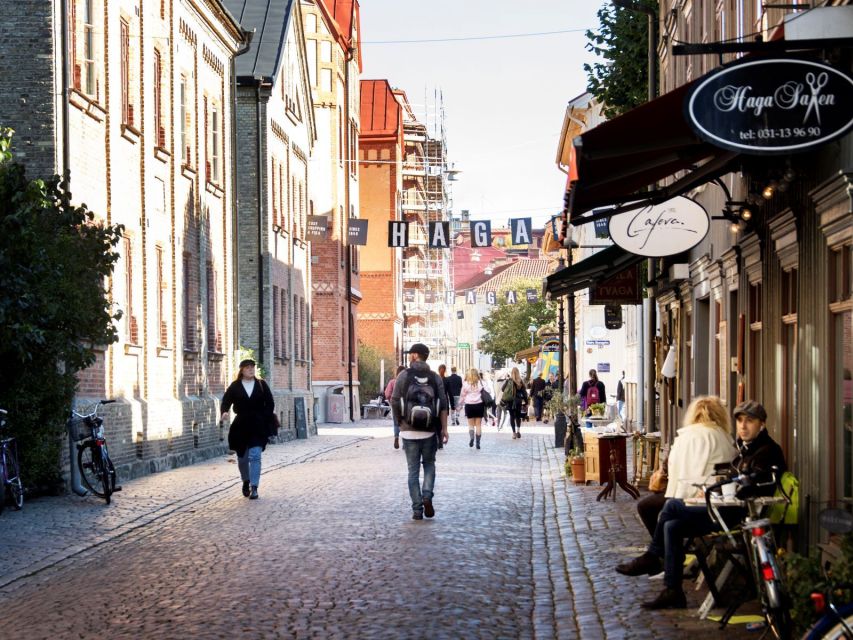
I’d book it if you want Haga to make sense fast. The tour does a nice job combining wooden-house details, neighborhood transformation, and practical recommendations for your afternoon. Guides seem to take questions seriously, and that alone makes a difference.
My main “maybe” is the possibility of a steep climb to Skansen Kronan on some departures. If that’s relevant to you, check the route ahead of time. If you’re comfortable walking, this is one of the best ways to turn Haga from pretty into memorable.
FAQ
How long is the Gothenburg Haga Old Town walking tour?
The tour is listed as lasting about 1.5 hours, and it can run close to two hours depending on the departure.
Where do I meet the guide?
You meet the guide right outside the main entrance to Haga Church.
Is the tour in English?
Yes. The live tour guide speaks English.
What’s included in the price?
The included items are the walking tour and a professional local guide.
Is gratuity included?
No. Gratuity is not included.
Can I cancel for a refund?
Yes. You can cancel up to 24 hours in advance for a full refund.