REVIEW · NEW YORK CITY
How Money Was Made Wall Street Walking Tour
Book on Viator →Operated by Inside Out Tours LLC · Bookable on Viator
Wall Street has a habit of feeling like scenery. This walk turns it into a story about money, power, and the people who built both.
I like that the tour stays short and focused—about two hours—so it fits cleanly between bigger museum days. I also like the guide-led context, with examples like Jess (a lawyer background connected to the SEC) and Maia, who explained what you’re seeing in plain language and took questions.
One thing to consider: you’ll see several major spots from the outside only, including the NYSE, so if you’re hoping to go in, this isn’t that kind of tour.
In This Review
- Key highlights worth your time
- Why This 2-Hour Finance Walk Makes Sense
- Starting at Bowling Green: From Dutch “Plain” to Financial District
- Alexander Hamilton Custom House and Battery Park’s “Work Jobs”
- Charging Bull: How a Statue Became a Market Symbol
- Fraunces Tavern and the Wall Street Block That Explains Everything
- The Federal Reserve Exterior: Understanding Vault Power Without Going Inside
- Trinity Church and Alexander Hamilton’s Last Address
- What It Feels Like With the Guide and a Small Group
- Practical Tips: How to Get the Most Out of the Walk
- Price and Value: Is $49 a Fair Deal?
- Should You Book the How Money Was Made Wall Street Tour?
- FAQ
- How long is the How Money Was Made Wall Street walking tour?
- Where does the tour start and where does it end?
- How much does the tour cost?
- Is entry to the New York Stock Exchange included?
- Are museum admissions included for the American Indian museum and Fraunces Tavern?
- What kind of group size and fitness level should I expect?
Key highlights worth your time
- Small group size (max 30) keeps the walk from turning into a crowded shuffle.
- Mobile ticket means fewer headaches when you meet up.
- Hamilton-era sights are tied together so the Financial District makes more sense.
- Federal Reserve exterior stop includes the gold-vault explanation (even if you can’t enter).
- No entry to the NYSE means the focus stays on street-level history and how it all connects.
- Clear, question-friendly guiding, with guides like Jess and Maia standing out in the reviews.
Why This 2-Hour Finance Walk Makes Sense
If you only have a slice of time in Manhattan, this is one of the best ways to “get” Wall Street without turning your day into a logistics puzzle. The tour runs about 2 hours, and it’s priced at $49 per person. For that money, you’re buying a licensed guide’s ability to connect dots you’d otherwise miss while walking past impressive facades.
The value here is not just the addresses. It’s the explanations: how commerce, government, and banking started weaving together long before most people think. You also get a tight route that moves through key landmarks instead of repeating the same blocks.
Do note the format: it’s a walking tour with multiple exterior visits, and at least some museum-adjacent stops explicitly don’t include admission. If you want hands-on museum time, you may still enjoy this—just plan to treat those stops as look-and-learn moments.
You can also read our reviews of more walking tours in New York City


Starting at Bowling Green: From Dutch “Plain” to Financial District
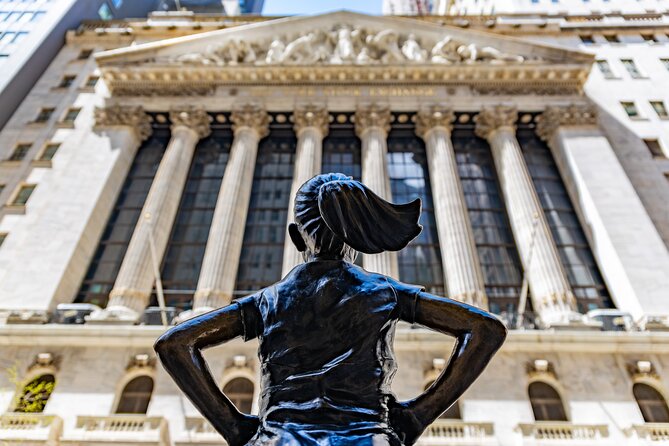
The tour begins at 1 Bowling Green, and that matters because Bowling Green is the perfect “before Wall Street” starting point. This park is New York City’s oldest, and the Dutch once called the area the Plain, using it for practical life: parades, meetings, and even a cattle market.
That’s a smart way to start. You get to see how a place can shift roles—agricultural and communal space to commercial center—without needing a lecture hall. You’ll walk through the park area while your guide puts the surrounding streets into context: how a financial district didn’t appear overnight; it grew from earlier New York functions.
If you’re the type who likes to orient yourself fast, this stop does the job. It also gives you a calm reset before the more iconic Wall Street imagery.
Alexander Hamilton Custom House and Battery Park’s “Work Jobs”
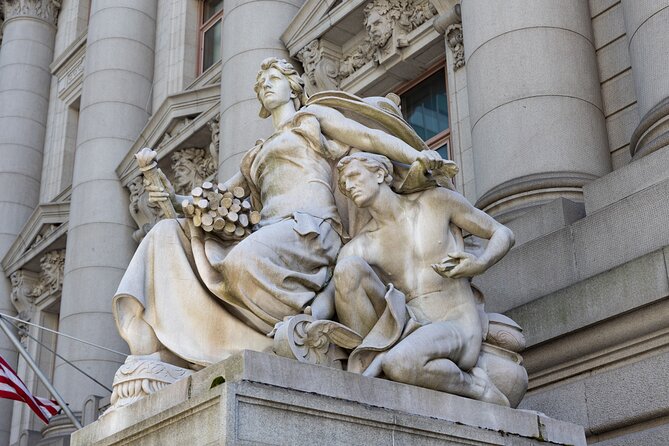
Next up, you’ll be looking at the Alexander Hamilton Custom House (built in 1907) as an exterior stop tied to the National Museum of the American Indian. Even from outside, it’s a Beaux-Arts style building that signals the era’s confidence in trade and commerce. Your guide’s job here is to translate the architecture into meaning: why the city invested in such a statement building, and how the story includes Native American connections through the museum’s purpose.
From there, the route heads into Battery Park, a place that has served major roles for more than 200 years. This isn’t “pretty park” history. It’s defense, recreation, and especially immigration—an angle that helps you see Wall Street as part of a larger city engine, not a standalone bubble.
Battery Park also includes the Netherland Monument, which gives you a clear landmark to orient around while you learn how layers of history sit side-by-side in lower Manhattan.
Quick consideration: because you’re seeing these places from outside, you’ll want to lean into the guide’s storytelling. If you go expecting guaranteed interior access, you might feel a bit short-changed.
Charging Bull: How a Statue Became a Market Symbol
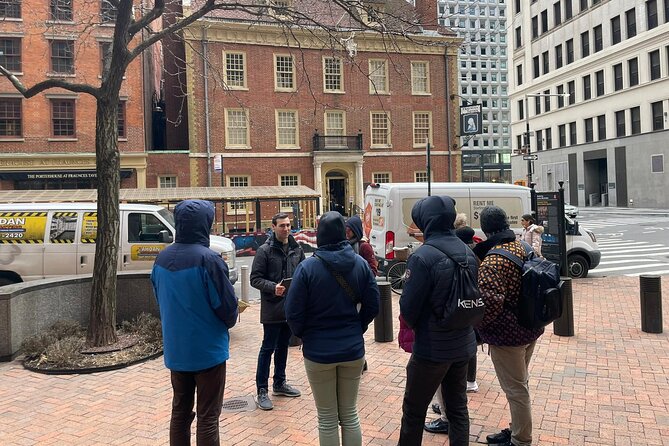
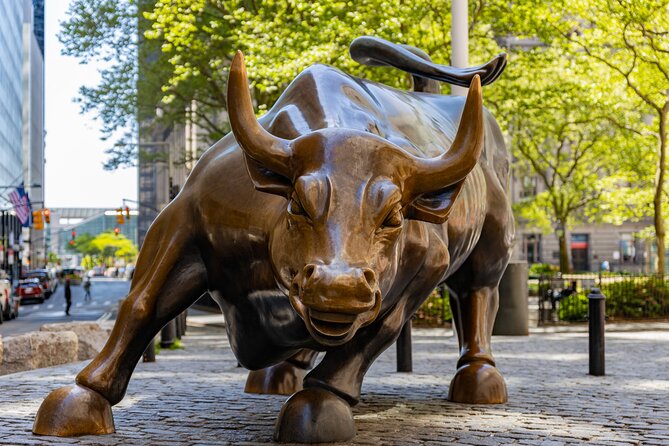
Then comes the photo magnet: the Charging Bull. It’s easy to treat it like a quick stop for a picture. This tour nudges you past that by connecting the bull to ideas like strength and resilience—how symbols get used to represent markets to people who may never read a balance sheet.
Why does that matter? Because Wall Street public messaging is part of how finance becomes cultural. This stop is a reminder that money isn’t just numbers; it’s also persuasion, emotion, and identity.
Plan for a bit of time here—short enough to keep momentum, long enough for your guide to reframe what you’re looking at.
Fraunces Tavern and the Wall Street Block That Explains Everything
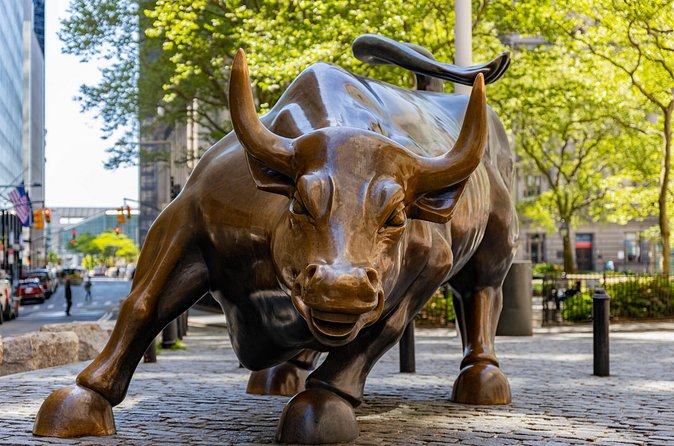
One of the most useful parts of this tour is how it builds a “chain” of sites that connect politics, finance, and early America. You’ll pass the Fraunces Tavern Museum as an exterior stop. Depending on your guide’s pacing, you’ll get the sense that this wasn’t just a building for tourists—it’s tied to major moments like being a headquarters connected to George Washington, peace negotiations with the British, and early federal offices.
From there, you spend a bigger chunk walking the Wall Street area as an exterior exploration. You’ll see the outside of several anchors of the district, including the New York Stock Exchange (NYSE) (without entry), Federal Hall, Trinity Church, and the JP Morgan Building.
This is the heart of the tour. The benefit isn’t that you learn one fact. It’s that you learn why each place belongs in the same conversation. Federal Hall and the early financial-government relationship, the way the NYSE became a centerpiece of modern markets, and how major institutions grouped together physically—these are the kinds of connections that make future sightseeing easier.
Important expectation-setting: since you’re not entering the NYSE, the tour stays flexible and keeps the emphasis on interpretation rather than waiting for security lines.






The Federal Reserve Exterior: Understanding Vault Power Without Going Inside

Next you’ll hit the Federal Reserve Bank of New York as an exterior visit. Your guide explains something that sounds dramatic because it is: the bank has subterranean, highly secured vaults, including the largest reserve of foreign-held gold bullion.
You can’t walk into the vaults, and the tour doesn’t promise that. But the explanation is still useful, because it gives you a reality check for what central banking can mean on a physical level—not just charts and headlines.
If you’ve ever felt confused about what the Federal Reserve does in practical terms, this stop helps you anchor the concept to a tangible idea: reserves, storage, and the global dimension of finance. It’s also a good point in the walk to ask questions, because the group is usually primed to connect policy to outcomes by then.
Trinity Church and Alexander Hamilton’s Last Address

The tour wraps at Trinity Church, at 89 Broadway, and this stop lands with real meaning for money-history fans. Trinity Church is described here as the oldest congregation in NYC, and it’s also the burial site of Alexander Hamilton.
That detail matters for understanding the tour theme. Hamilton is often treated as a distant founding father, but placing him here turns the name into something you can point at on the street. And since the tour has already talked through the rise of trade and commerce, this finale helps the pieces click: why the early financial system is tied to nation-building, and how those choices shaped the city’s later structure.
You’ll end in a spot that also works well for continuing your day—near other lower Manhattan highlights—without needing to backtrack.
What It Feels Like With the Guide and a Small Group
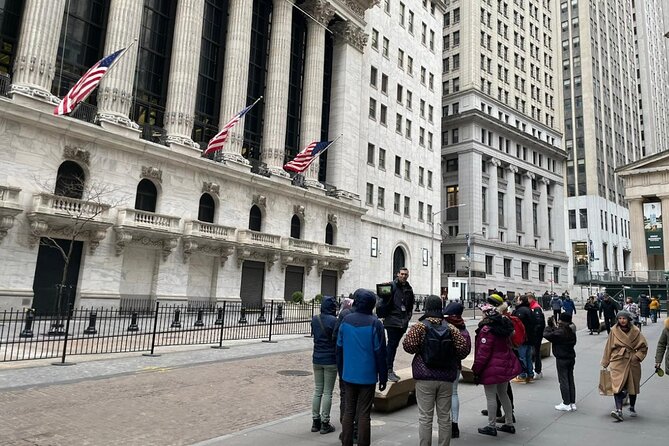
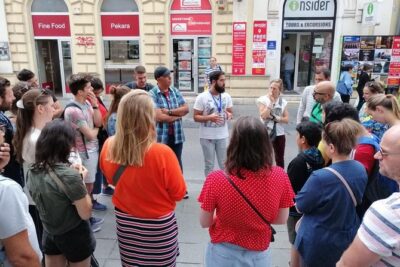
This tour is capped at 30 travelers, which changes the whole vibe. You’re not fighting for space, and your guide can actually keep a sense of flow as you move between stops.
A real standout is the guidance style tied to specific names mentioned in the reviews. Jess brings a legal background connected to the SEC, which is a big plus if you like crisp, high-stakes explanations. Maia is noted for clarity and for creating space for questions, including speaking loudly and clearly for the full two hours—so you’re not constantly guessing what you missed.
Also worth your attention: one review specifically praised the fact that the tour did not require headphones. That can make the experience feel more like a conversation walk than a radio-tour. If you dislike bulky gear on travel days, that’s a genuine comfort factor.
Practical Tips: How to Get the Most Out of the Walk
This is a walking tour with a moderate physical fitness level noted for travelers. Translation: plan for steady walking and getting in and out of sidewalks around busy streets.
A few practical moves help:
- Wear comfortable shoes with good grip. Lower Manhattan sidewalks can be uneven in spots.
- If you like photos, bring your camera ready, but don’t expect every stop to be a long shoot. The pacing is part of the point.
- Bring a short list of questions. Places like the Federal Reserve vault discussion and the Hamilton connections tend to spark good back-and-forth.
One more expectation check: because several stops are exterior and some admissions are not included, your best strategy is to treat this as interpretation time. You’re paying for the guide’s ability to make these buildings and institutions understandable fast.
Price and Value: Is $49 a Fair Deal?
At $49 per person for about two hours, the price lands in the “good value” zone because you’re not paying only for walking. You’re paying for a licensed guide plus a route that touches major financial-story landmarks.
What keeps it fair is the structure:
- You get multiple key stops in one run through lower Manhattan.
- The guide can connect political history to financial institutions.
- The NYSE itself is not included, but the tour still includes the district’s major exterior anchors.
Where the value might feel smaller is if you’re the type who needs museum entry or inside access at every stop. Since some admissions are explicitly not included, you’ll want to decide in advance whether you’re satisfied with exterior viewing and explanations.
Should You Book the How Money Was Made Wall Street Tour?
Yes, if you want a tight, guided orientation to the Financial District that focuses on how money, government, and commerce grew together. This is especially worth it if you like politics and economy, and you want the district to feel less like random famous buildings.
Don’t book it (or adjust expectations) if your top goal is entering buildings like the NYSE or spending museum time inside places on a schedule. This tour is built to interpret what you see as you walk, not to deliver ticketed interior access everywhere.
If you’re planning a first-time NYC itinerary and you want one experience that makes Wall Street understandable quickly, this is a strong pick.
FAQ
How long is the How Money Was Made Wall Street walking tour?
It runs for about 2 hours.
Where does the tour start and where does it end?
It starts at 1 Bowling Green, New York, NY 10004 and ends at Trinity Church, 89 Broadway, New York, NY 10006.
How much does the tour cost?
The price is $49.00 per person.
Is entry to the New York Stock Exchange included?
No. The tour notes no entry to the NYSE, so you’ll view it from the outside.
Are museum admissions included for the American Indian museum and Fraunces Tavern?
No. Admission tickets are not included for the National Museum of the American Indian stop (at the Alexander Hamilton Custom House) and for Fraunces Tavern Museum (exterior visit).
What kind of group size and fitness level should I expect?
The tour has a maximum of 30 travelers and is listed as suitable for travelers with a moderate physical fitness level. Service animals are allowed.