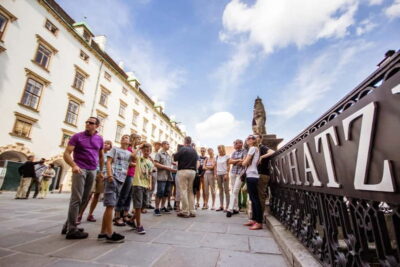
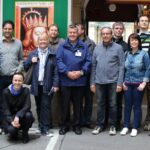
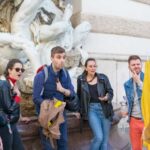
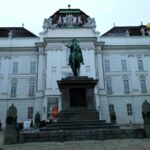
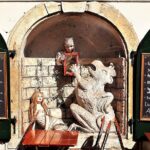
Courtyards in Vienna beat the usual highlights. This Vienna historical center walking tour focuses on stories tucked behind famous facades, with stops that include St. Stephen’s Cathedral and other top sights.
What I like is the small-group format and the way the guide stitches together architecture, street names, and people you’ve heard of. You also get Mozart’s final residence and learn how the tour connects those legends to everyday Viennese life, including traditional Viennese cuisine.
One caution: if your main goal is a long, detailed cathedral visit, the time here is still short—this walk spends more effort on side streets, courts, and history layering than on lingering inside one building.
In This Review
- Key things to know before you go
- Why This 2-Hour Courtyards Tour Feels Efficient
- Meeting Near St. Stephen’s: Getting Oriented in the First Minutes
- St. Stephen’s Cathedral Without the Cathedral-Only Trap
- Courtyards, Legends, and the Quiet Vienna Most People Skip
- Mozart’s Final Residence: Myths, Truth, and Why It’s Worth Stopping
- Palais Neupauer-Breuner and the Deutsches Haus: Classic Vienna With a Story Angle
- Blutgasse and Domgasse: Street Names That Start Meaning Something
- University of Vienna, Jesuit Church, and the Old City Wall: A Different Vienna Mood
- Franciscan Church and Monastery: Ending With Calm and Character
- Price and What $34 Buys You in Real Value
- Practical Tips: How to Make the Walk Comfortable
- Should You Book This Vienna Courtyards & Hidden Places Walking Tour?
- FAQ
- How long is the Vienna Courtyards & Hidden Places Walking Tour?
- How much does the tour cost?
- What are the main sights included on the tour?
- What language is the live guide in?
- Does the tour run in bad weather?
- Are children allowed?
- Is the tour wheelchair accessible?
- Can I bring luggage or large bags, or record audio?
- Is this tour okay if I didn’t do Part 1?
- What’s the meeting point?
- Can I get a refund if I cancel?
Key things to know before you go
- Courtyard focus: you’ll spend real time in the quieter inner spaces most people miss.
- Big names, tight route: St. Stephen’s Cathedral, Mozart’s final residence, and other landmarks in one smooth 2 hours.
- Story-first walking: legends, small historical details, and the meaning behind streets like Blutgasse and Domgasse.
- Palaces and houses: stops tied to Palais Neupauer-Breuner and even the house Where the cow plays on the board.
- Monastery stop: the Franciscan Church and Monastery adds a different mood to the route.
- Continuing series, but not required: it continues from Part 1, yet you can join here without it.
Why This 2-Hour Courtyards Tour Feels Efficient
Vienna can be overwhelming on your own. The city center is packed with famous sights, and it’s easy to bounce from one photo stop to the next without understanding what you’re seeing. This tour is designed to cut through that noise by moving you through the historic center with a theme: courtyards and hidden places.
The best part is the timing. At two hours, you get plenty of variety—cathedral area, back streets, palace-like buildings, and monastery grounds—without burning your whole day. I also like that the experience includes stories, not just coordinates. You end up with a better sense of how Vienna’s public buildings and private spaces connect.
Weather is also handled honestly. It runs in all conditions, so you’ll want to dress for rain and wind, not just sunshine. And with a small group, you can usually hear the guide without craning your neck the whole time.
You can also read our reviews of more walking tours in Vienna


Meeting Near St. Stephen’s: Getting Oriented in the First Minutes
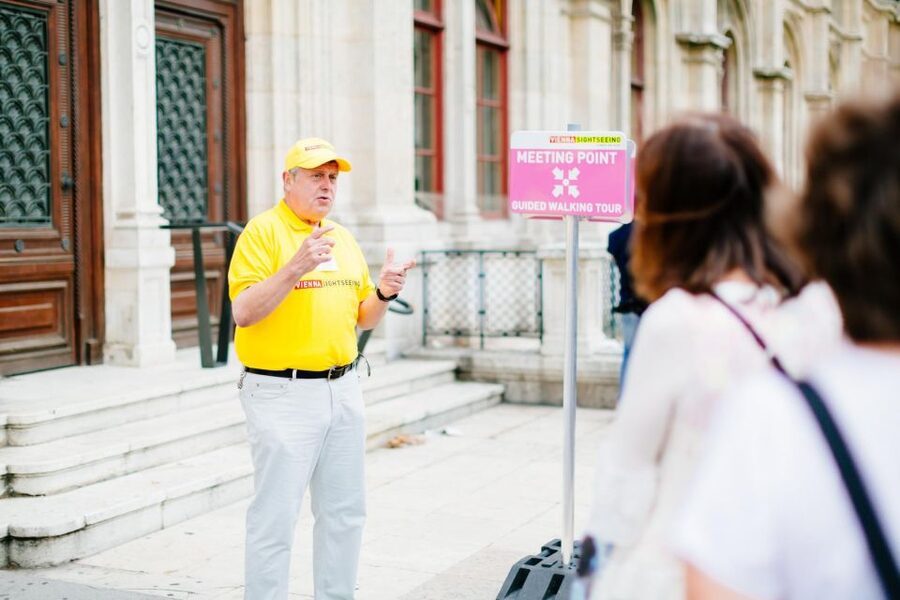
Most people start Vienna sightseeing around Stephansplatz, and this tour does too. You’ll begin near the St. Stephen’s Cathedral area, then move into the historic center so you can quickly understand the city’s layout—main streets first, then the narrower lanes and quieter corners.
This start matters. When you hit the cathedral area early, you get a landmark anchor. From there, the guide can point out how side streets, courtyards, and smaller churches relate to the big monument you already recognize. It’s an easy way to get your bearings fast, especially if you only have a short window in Vienna.
Also, the route includes clear named stops like Stephansplatz and the cathedral itself, so you won’t feel like you’re “just walking.” Even if you’re not a die-hard architecture person, you’ll know what’s coming next.
St. Stephen’s Cathedral Without the Cathedral-Only Trap
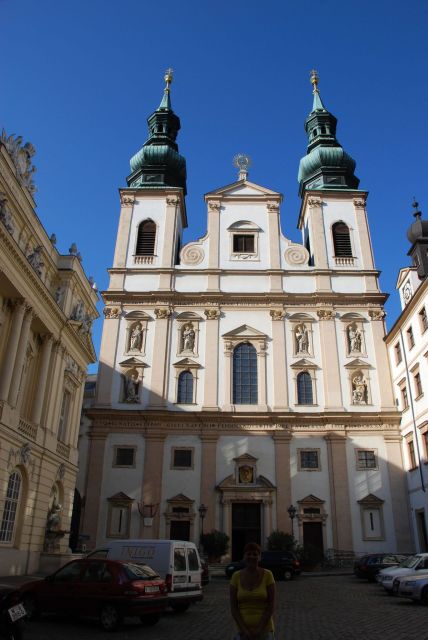
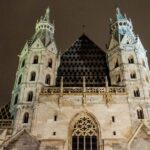
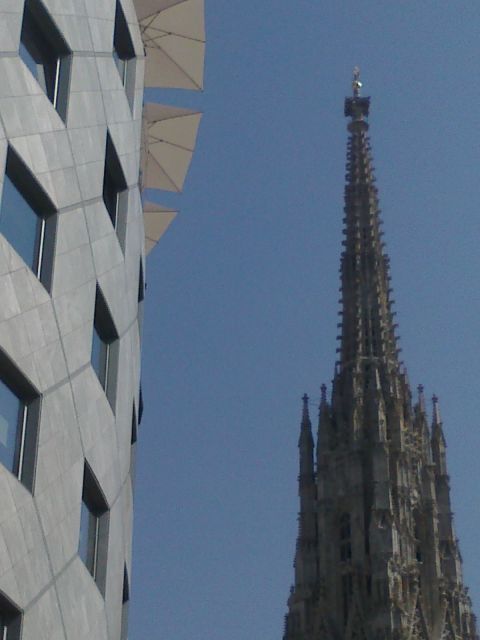
You’ll see St. Stephen’s Cathedral and get a guided explanation, but this tour doesn’t try to turn the day into a single-building marathon. That balance is the point. The cathedral is the headline, yet the real payoff is what happens once you step away from the main square.
Here’s how it tends to feel: you get the key cathedral context enough to understand its place in the city, and then you’re off into the alleys and interior spaces that give Vienna its personality. One review note flags that the tour is less focused on the cathedral itself than on the courtyards, and that matches the tour’s theme.
So if you’re hoping for a long, slow cathedral experience, you might feel a little rushed. If you want a smarter route that keeps you moving and looking at the city as a whole, this works well.
Courtyards, Legends, and the Quiet Vienna Most People Skip
This is the heart of the tour. Courtyards in Vienna aren’t just pretty backdrops; they’re places where you can feel the city’s layered life—public streets on the outside, more intimate spaces behind doors and arches. The tour leans into that, with stops built around hidden parts of the historical center and the legends attached to them.
You’ll walk through narrow streets and visit multiple lesser-known spaces. That matters because Vienna can look similar block to block if you’re not paying attention. Courtyards give you a visual break, and the guide’s stories help you connect what you see to how Vienna functioned day to day.
I especially like how the tour handles “small” details. Things like unusual street names and distinctive facades start to make sense once the guide links them to the bigger city story. And on a practical level, courtyards offer a reset from busy streets—often quieter, often more comfortable to listen to.
Mozart’s Final Residence: Myths, Truth, and Why It’s Worth Stopping
You’ll visit Mozart’s final residence, and the tour promises you’ll hear the truth of his life—not just the usual highlights. That approach is valuable because Mozart stories can turn into clichés fast. The guide’s angle helps separate the legend from what matters most about the man and the period.
This stop also gives the walk emotional variety. After cathedral stones and palace facades, Mozart brings in a human scale. Even if you don’t know every detail, the guide’s job is to give you enough context to make the building meaningful.
You should expect the tour to connect Mozart to the way the city worked—where people lived, how life unfolded, and why certain places became linked to famous names. If you’re the kind of traveler who enjoys hearing how myths form, you’ll likely have fun here.



Palais Neupauer-Breuner and the Deutsches Haus: Classic Vienna With a Story Angle
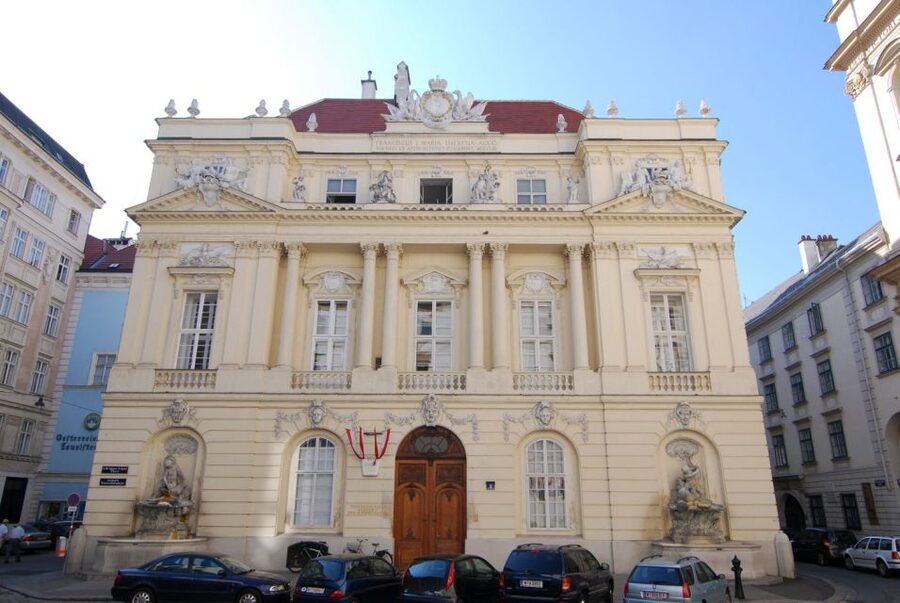
The tour includes Palais Neupauer-Breuner and the Deutsches Haus. These are the kinds of stops that can feel “just architectural” if you’re walking past them. On this walk, they’re part of a guided narrative, not a quick photo.
What you’ll likely notice is how the guide reads the building for you. Instead of making you guess what mattered historically, you get a guided explanation that ties the facade and setting back into Vienna’s broader story. That’s one reason this tour feels efficient: you’re not just seeing; you’re interpreting.
And because you’re moving from one type of space to another—major square, side streets, courtyards, grand buildings—you start to understand Vienna as a system, not a list. Even if you never memorize names and dates, you’ll remember the mood and the logic of the city.
Blutgasse and Domgasse: Street Names That Start Meaning Something
Two stops that stand out are Blutgasse and Domgasse. Even if you’ve seen these names before, it’s the guide’s explanation that turns them from random signage into something you can remember.
Street names matter in Vienna because they carry hints about the past uses of areas, people’s lives, and local identity. Walking the route makes the meaning stick. You’re not only hearing the story; you’re seeing the physical space where it played out.
Ballgasse also appears on the route, and together with Blutgasse and Domgasse, the day feels like a guided walk through Vienna’s internal logic. This part is ideal if you like practical storytelling—light on lecture, heavy on “okay, now I get it.”
University of Vienna, Jesuit Church, and the Old City Wall: A Different Vienna Mood
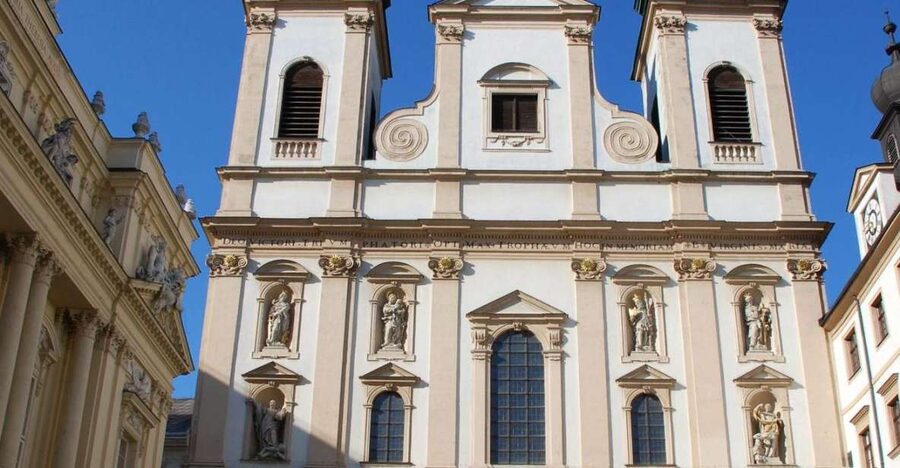
Midway through, you shift into the older institutional side of the center. You’ll visit the University of Vienna and also see the old university district, the Jesuit Church, and the old city wall.
This section works well because it changes the pace. Instead of chasing only landmark fame, you’re getting a sense of how Vienna’s education, religious life, and defensive boundaries shaped the city’s layout.
I like that the tour doesn’t treat these as separate attractions. The guide’s stories connect them to the same core theme: Vienna is full of places where public life and private spaces overlap. Even the idea of an old city wall becomes more than a visual relic once you understand how it shaped movement and neighborhoods.
If you want a walking tour that gives you more than just the postcard highlights, this institutional cluster is where you feel the tour’s value.
Franciscan Church and Monastery: Ending With Calm and Character
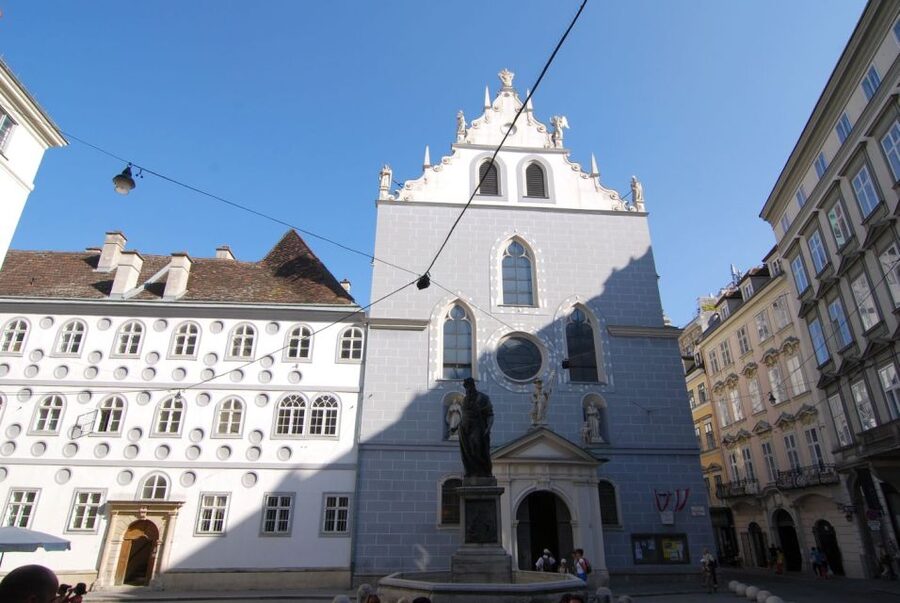
The Franciscan Church and Monastery adds a different tone to the tour. After the busier cathedral area and the palace-and-street storytelling, a church and monastery stop gives you a calmer atmosphere and a more grounded feel.
You’ll also get more of the city’s religious architecture through guided explanation, which helps balance the day’s other themes. This is the kind of stop where you can slow down a bit, look carefully, and let the earlier stories land.
The walk finishes with a drop-off at Dr.-Karl-Lueger-Platz 3. That’s a useful detail because it affects how you continue your day. Plan your next stop so you’re not crisscrossing Vienna unnecessarily after you’ve walked 2 hours.
Price and What $34 Buys You in Real Value
At $34 per person for a 2-hour guided walk, the price feels fair because you’re paying for interpretation. You’re not just buying a route. You’re buying a certified guide’s ability to connect places like St. Stephen’s Cathedral, Mozart’s final residence, Palais Neupauer-Breuner, and the monastery into one understandable story.
The small-group factor matters here. With fewer people, it’s easier to hear the guide and ask questions if something clicks in your mind. You’re also covering a lot of named sights in a short time, which can be a big deal in Vienna where travel plans often come with limited hours.
Compared to doing only a self-guided loop, this gives you context faster. And compared to longer day tours, this keeps you flexible while still delivering meaningful highlights.
Practical Tips: How to Make the Walk Comfortable
This tour is designed for walking through narrow streets and stopping in courtyards, so comfort matters.
- Wear shoes that handle cobblestones and uneven pavement.
- Bring a rain layer since it runs in all weather.
- Leave large bags/luggage at your hotel; they aren’t allowed.
- Don’t plan on audio recordings; those aren’t allowed.
The tour also isn’t for everyone. It’s not suitable for children under 12, and it’s not set up for mobility impairments or wheelchair users. If you’re traveling with someone who needs step-free access, double-check plans before you book.
Should You Book This Vienna Courtyards & Hidden Places Walking Tour?
If you want Vienna to feel like a story you can follow—cathedral to courtyard, Mozart to monastery—this is a strong choice. It’s especially good if you like street-level history, the meaning behind place names, and the calmer spaces tucked behind grand entrances.
I’d skip it if your ideal tour is mostly inside one major landmark for a long time, or if you need wheelchair-friendly access. Also, if you don’t enjoy guided walking and prefer to sit often, this two-hour format may feel more active than you like.
But if you want an efficient hit of Vienna’s center with hidden courts, legends, and major sights tied together by a guide, booking makes sense.
FAQ
How long is the Vienna Courtyards & Hidden Places Walking Tour?
It lasts 2 hours.
How much does the tour cost?
The price is $34 per person.
What are the main sights included on the tour?
You’ll see highlights including St. Stephen’s Cathedral, Mozart’s final residence, the Franciscan Church and Monastery, Palais Neupauer-Breuner, and areas like Stephansplatz, Ballgasse, Blutgasse, and Domgasse.
What language is the live guide in?
The tour is guided live in German and English.
Does the tour run in bad weather?
Yes, it takes place in all weather conditions.
Are children allowed?
No, it’s not suitable for children under 12.
Is the tour wheelchair accessible?
No, it’s not suitable for wheelchair users or people with mobility impairments.
Can I bring luggage or large bags, or record audio?
No. Luggage or large bags are not allowed, and audio recording isn’t allowed.
Is this tour okay if I didn’t do Part 1?
Yes. It continues from Part 1 by the same operator, but it isn’t a problem if you haven’t taken part in the first tour.
What’s the meeting point?
The meeting point may vary depending on the option booked.
Can I get a refund if I cancel?
Yes. You can cancel up to 24 hours in advance for a full refund.