REVIEW · TOKYO
Tokyo Castle & Imperial PalaceーShogun Walking Tour
Book on GetYourGuide →Operated by Local Guide Stars · Bookable on GetYourGuide
Samurai meets emperors in Tokyo. This small-group walking tour connects Edo Castle’s defenses to today’s Imperial Palace, with vivid guide storytelling. I especially like the focus on how the castle worked (moats, gates, layered protection) and the calm garden moments with koi and seasonal views. One consideration: the tour is English only, and you’ll spend a lot of time outdoors with a security check at the palace.
If you want Japan history you can actually picture, this is a strong choice. You’re not stuck staring at plaques; you’re walking the grounds and being shown what to look for, from gates to gardens to the ruins where Edo Castle once dominated Tokyo.
Guides rotate through (I’ve seen names like Anju, Yuuka, Fuma, Keiko, Kosei, Koyo, and Nana show up on these tours), and the best part is how quickly they turn big ideas into street-level scenes. If you’re okay with a timed 2-hour walk, you’ll leave with a much clearer mental map of Tokyo’s samurai era.
In This Review
- Key things I’d plan around
- Edo Castle in 2026: Why This Walk Feels Different
- Meeting at Starbucks Kōkyo Gaien: Start Point and First Game Plan
- Sakurada Tatsumi Yagura: The Quick Stop That Changes How You See the Grounds
- Ote-Mon Gate and the Imperial Palace Entrance: How Defenses Shape History
- Ninomaru Garden: Where Peaceful Landscaping Adds Context
- Edo Castle Ruins: The Small Stop That Feels Like a Big Reveal
- Imperial Palace East Gardens: Panoramas, Trees, and the Koi Moment
- What the Tour Really Gets Right (and What to Watch For)
- Price and Value: Is $23 Worth It?
- Who Should Book This Walk (and Who Might Prefer Another Plan)
- Should you book the Tokyo Castle & Imperial Palace Shogun Walking Tour?
- FAQ
- How long is the Tokyo Castle & Imperial Palace Shogun Walking Tour?
- What’s the group size for this tour?
- Is the tour in English?
- Where does the tour meet?
- What are the main places you’ll see?
- Is there a security check?
- Is photography allowed?
- Is the tour mostly outdoors?
Key things I’d plan around
- Up to 10 people keeps the pace easy and questions welcome.
- Edo Castle to Imperial Palace makes Tokyo feel like one continuous story.
- Sakurada Tatsumi Yagura and Ote-Mon Gate help you understand defense design, not just names.
- Ninomaru Garden and koi add a peaceful break from the fortress talk.
- Imperial Palace East Gardens give you open views, stonework, and classic landscaping moments.
- Security check rules mean pack light and skip anything restricted.
Edo Castle in 2026: Why This Walk Feels Different
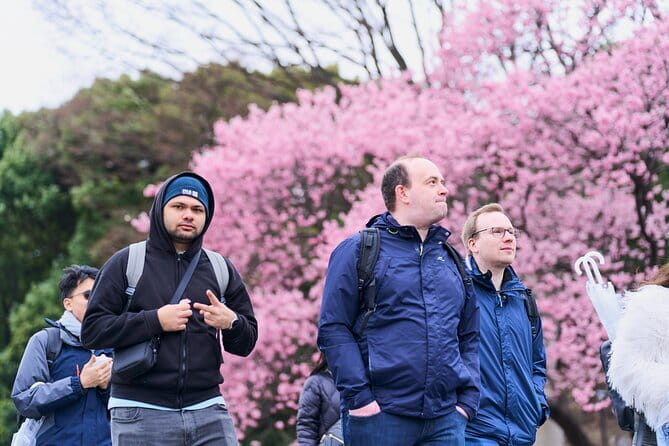
Tokyo’s Imperial Palace area is famous, but most people see it like a postcard. This tour treats it like a working city-plan from the Edo period: gates, corridors, moats, and a fortress system built to slow down any attacker long enough for the defenders to respond.
What makes it work is the way the guide connects the dots. Edo Castle wasn’t a single building you could point to; it was an enormous defensive complex, and you still see hints of its scale across today’s grounds. Then the story shifts to what happened after: Edo Castle becomes the Imperial Palace, and the emperor’s system is presented as a tradition that has continued for about 2,600 years.
I like that the tour doesn’t force you to choose between samurai and emperors. You get both, side by side, in a setting that’s calm enough to let the details land.
You can also read our reviews of more walking tours in Tokyo



Meeting at Starbucks Kōkyo Gaien: Start Point and First Game Plan
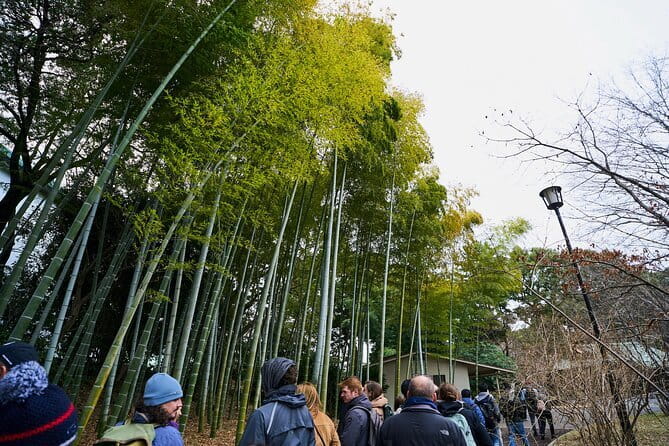
You meet in front of Starbucks Coffee Kōkyo Gaien Wadakura Fountain Park Store, address 3-1 Kōkyo Gaien in Chiyoda City. You’ll see a guide holding a sign that says Local Guide Stars, which makes it easier to spot your group quickly.
The practical advantage here is timing. You’re only booked for about 2 hours, so the tour has to be efficient, and that’s exactly what you’ll get: short photo stops, guided walking time, and a clear circuit back to the same meeting point.
Also, plan for the “two realities” of this area: it’s beautiful and quiet outdoors, but it’s also a secure government site. Bring a camera if you like photos, and dress for the weather because a large portion of the walk is outside.
Sakurada Tatsumi Yagura: The Quick Stop That Changes How You See the Grounds
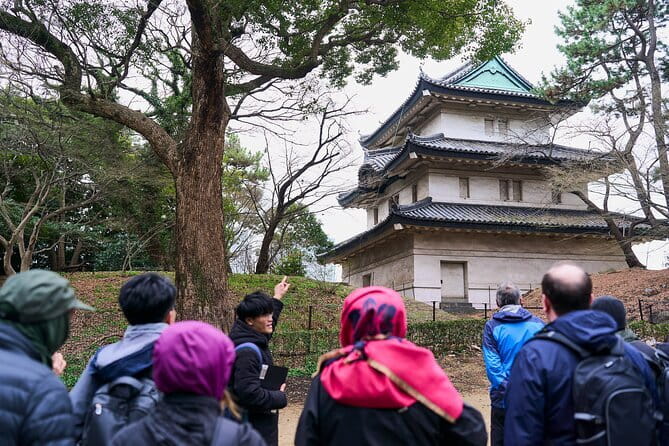
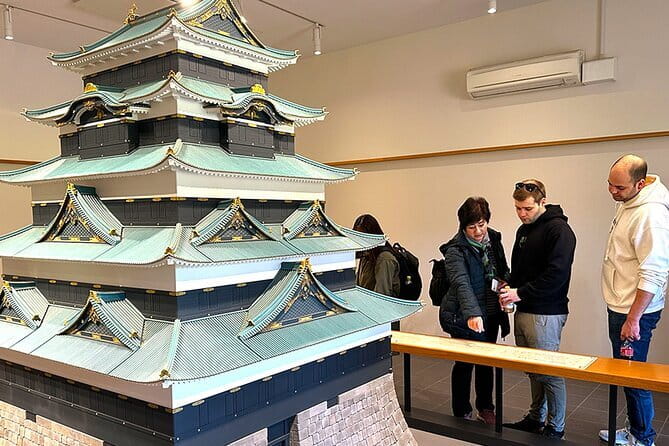
One of the earliest stops is Sakurada Tatsumi Yagura, with a brief photo stop and guided explanation. Even if you’re not an architecture person, this is the moment where the tour starts teaching you how to read the place.
What you’re listening for is the logic behind castle structures. The guide frames these towers and corners as parts of a defensive layout, not random scenic features. That mindset pays off later when you reach gates and garden areas—everything feels connected instead of scattered.
It’s a fast stop (about 5 minutes), so don’t treat it like a sightseeing break. Think of it as your orientation checkpoint: once you learn what defenders cared about, you’ll spot those clues again.
Ote-Mon Gate and the Imperial Palace Entrance: How Defenses Shape History
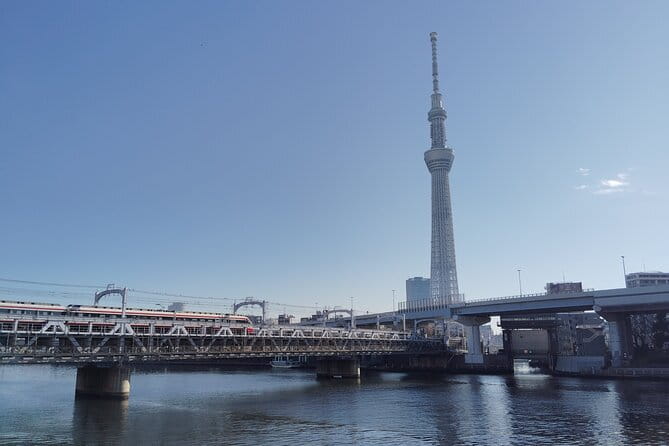
Next up is the Ote-Mon Gate, another photo stop with guided touring and walking time. This is where the fortress story gets tangible. You’ll hear how massive Edo Castle really was and how its defensive design made it hard to break through.
From there, the tour moves into the Tokyo Imperial Palace area for a photo stop and guided visit (about 20 minutes). This is the point where many people expect a simple “palace tour.” Instead, it’s explained through transitions: samurai-era power structures, and then the continuing imperial system that runs to the present.
Two things matter for your comfort here. First, there’s a security check when entering the Imperial Palace grounds, and you should not bring knives or alcohol. Second, expect walking on uneven ground and at least some areas that aren’t flat.
If you’re the kind of person who asks questions, this is a good moment to do it. The guides do well at answering, and the pace is usually smooth enough that you won’t feel rushed.
Ninomaru Garden: Where Peaceful Landscaping Adds Context

Then you get to Ninomaru Garden, with another photo stop and guided sightseeing (about 15 minutes). This is a key shift in mood. After fortress talk, the garden gives your brain a breather and helps you understand how aesthetics and space were also part of authority.
You’ll also learn what to look for, instead of just wandering. The guide ties the garden back to the imperial atmosphere and the way grounds were arranged for status, ritual, and everyday life in different eras.
This stop is especially good if you’re traveling with someone who likes photos as much as history. One of the strongest recurring themes from guides you may meet (like Tomo, Fuma, Ai, or Yuki-style pacing) is pointing out details people usually walk past.
If weather’s bad, gardens can still be worth it, but dress smartly. You’ll be outdoors and the walk is continuous.



Edo Castle Ruins: The Small Stop That Feels Like a Big Reveal
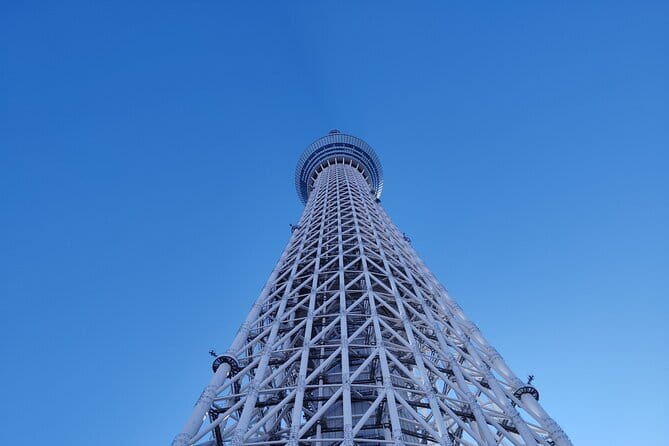
After the garden, there’s a stop for the Edo Castle Ruins (about 10 minutes). It’s brief, but it’s one of the most satisfying parts of the route because it connects the past to the ground under your feet.
This is where the “nearly impenetrable” idea starts to make more sense. You’re shown remnants and explained how the defensive layout would have worked in practice—layered, interconnected, and built to redirect movement. Without that explanation, you can easily miss the significance of what looks like ordinary stonework or open space.
Think of it as the tour’s payoff. You don’t just hear that Edo Castle was enormous; you start feeling how the plan would have guided people, defended chokepoints, and controlled access.
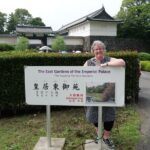
Imperial Palace East Gardens: Panoramas, Trees, and the Koi Moment
The last major stop is the Imperial Palace East Gardens, with photo stops and guided touring (about 20 minutes). This section is often where people slow down on purpose, because the views and the landscaping make it hard to rush.
The tour also mentions special features here: you’ll encounter koi fish and diverse trees from across Japan. That detail matters because it turns the East Gardens from generic “pretty park” into something specific you came to learn about.
If you like subtle photo opportunities, this is a strong finale. You’ll likely get panoramic perspectives and a sense of how the grounds were designed for both viewing and movement, not just decoration.
One practical tip: if you’re bringing a camera, set yourself up so you can take photos without stopping the flow too much. The group moves as one, and the guide often helps with composition tips.
What the Tour Really Gets Right (and What to Watch For)
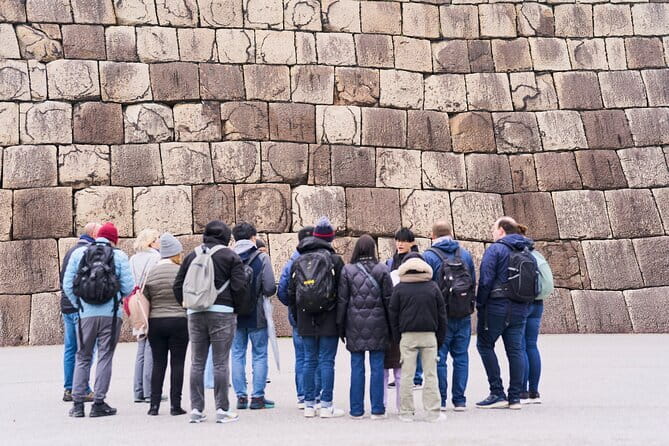
The most praised parts of this experience tend to follow a pattern: friendly, clear guide explanations paired with a pace that doesn’t drag. You’ll see that in how guides like Anju and Yuuka are described for explaining with clarity and patience, and how others like Tomo, Fuma, and Keiko are noted for spotting details people would miss on their own.
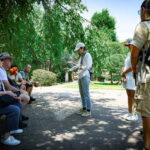
You’ll also enjoy the interactive feel. Even when the group stays small, the guide typically answers questions and keeps the conversation moving instead of delivering a one-way lecture.
Still, there are two considerations to keep in mind:
- English only: if your group needs Japanese support, this tour won’t fit.
- Outdoor time + security: the palace section requires adherence to rules, and the walk is weather-dependent.
If you go in knowing those limits, the tour becomes a very efficient way to understand Tokyo’s most symbol-heavy space.
Price and Value: Is $23 Worth It?
At $23 per person for about 2 hours, I think the value is solid because you’re paying for three things that are hard to DIY:
- A guided explanation that links the Edo Castle layout to what exists today
- Access to the Imperial Palace grounds and the eastern gardens as part of the tour flow
- Context you’d likely miss on your own, like how defenses worked and how the imperial system has continued for centuries
The itinerary is also not just “walk and look.” Stops like Sakurada Tatsumi Yagura, Ote-Mon Gate, and the Edo Castle ruins are short, but they’re used like teaching markers. That structure helps you see more without burning a whole day.
In other words, this isn’t priced like a generic city stroll. It’s priced like an informed guide-led route through the most important historical layer of central Tokyo.
Who Should Book This Walk (and Who Might Prefer Another Plan)
This tour fits best if you:
- want a high-signal history experience without spending all day in museums
- like samurai-era context and want it tied to present-day Tokyo
- enjoy gardens, photos, and calm walking in a setting with rules and security awareness
- appreciate small groups (up to 10) where you can ask questions
You might consider a different option if:
- you strongly prefer independent exploring without guidance
- you don’t do well with outdoor walking in variable weather
- your group needs Japanese language support
Should you book the Tokyo Castle & Imperial Palace Shogun Walking Tour?
Yes, if you want Tokyo history that clicks fast. This is one of the best ways to connect Edo Castle’s scale and defense logic to the Imperial Palace you see today, and it does that in a manageable 2-hour format.
If you book, I’d go with a simple mindset: bring good walking shoes, keep your camera ready, and ask one question early so the guide can shape the rest of the story around what you care about. The setting is special, but it’s the guided interpretation that turns it from scenic into memorable.
FAQ
How long is the Tokyo Castle & Imperial Palace Shogun Walking Tour?
The tour lasts about 2 hours.
What’s the group size for this tour?
It’s a small group limited to up to 10 participants.
Is the tour in English?
Yes. The tour is conducted in English only, and Japanese language support is not available.
Where does the tour meet?
Meet in front of Starbucks Coffee Kōkyo Gaien Wadakura Fountain Park Store at 3-1 Kōkyo Gaien, Chiyoda City, Tokyo.
What are the main places you’ll see?
You’ll visit and/or photograph Sakurada Tatsumi Yagura, Ote-Mon Gate, Tokyo Imperial Palace, Ninomaru Garden, Edo Castle Ruins, and the Imperial Palace East Gardens.
Is there a security check?
Yes. There is a security check when entering the Imperial Palace. Please do not bring knives or alcohol.
Is photography allowed?
Photography is encouraged, so bring your camera.
Is the tour mostly outdoors?
A large portion of the tour is outdoors, so dress for the weather. Wheelchairs are available and can be used within the Imperial Palace grounds, but there are some slopes and areas where you may need to walk on foot or go down.