REVIEW · TOKYO
Tokyo: Private Custom Walking Tour with Local Guide
Book on GetYourGuide →Operated by Guydeez · Bookable on GetYourGuide
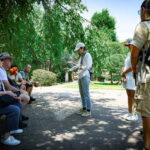
Tokyo stops feeling chaotic with a local beside you. This private custom walking tour helps you see Tokyo’s big sights from street level, then connects them to the stories behind them. Guides like Enrique and Francine are the type who can mix skyline moments with temple-street wandering, so your day feels planned but not stiff.
What I like most is real customization. Your guide contacts you ahead of time to match your interests, and they can swap stops on the fly if your mood (or weather) changes. I also love the navigation help: you’re not just pointed at places, you learn how to move through Tokyo using public transport without losing hours.
One possible drawback: it’s built around walking and transit, so you’ll want comfy shoes and a flexible pace. Also, while your guide can help with tickets, food and attraction tickets aren’t included, so budget for those if you add museums or viewpoints.
In This Review
- Key highlights you’ll feel on the ground
- Why Tokyo feels easier with a private walking plan
- How your guide customizes the day (and keeps it flexible)
- Where you can go: Tokyo neighborhood combos that fit different interests
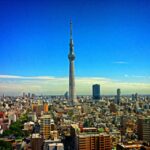
- Asakusa + Senso-ji streets + Skytree area views
- Imperial Palace Gardens + Marunouchi city views
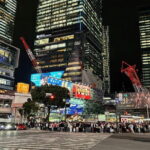
- Shinjuku + Shibuya variety: iconic sights plus quieter corners
- Akihabara for tech culture, then traditional Tokyo for balance
- Odaiba for a different Tokyo mood (and easy photos)
- Viewpoints like the Tokyo Metropolitan Building
- Getting around Tokyo without the usual guesswork
- Adding museums and attraction tickets without blowing your schedule
- Walking pace and duration: choosing 2 hours vs a full day
- Price and value: why $53 can make sense in Tokyo
- Who this tour suits best
- Should you book this private Tokyo walking tour?
- FAQ
- How long is the private Tokyo walking tour?
- Is this tour private or shared?
- Can I customize the itinerary, including museums?
- Does the tour include hotel pickup?
- What languages are available for the guide?
- Is the tour wheelchair accessible?
- Are attraction tickets and food included?
- How does cancellation and pay later work?
Key highlights you’ll feel on the ground
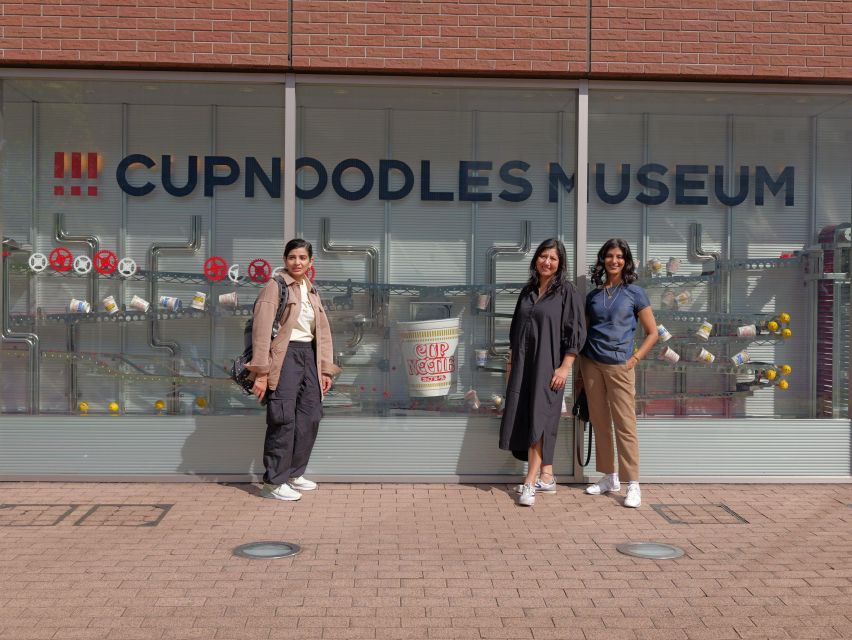
- Private, customizable route based on what you actually want to see
- Hotel pickup in Tokyo and help choosing a handy city meeting point
- Public transport included to help you get your bearings fast
- Guide-led ticket support for desired visits (tickets themselves not included)
- Options to add museums and other attractions with itinerary adjustments
- English and several other languages plus a wheelchair-accessible format
Why Tokyo feels easier with a private walking plan
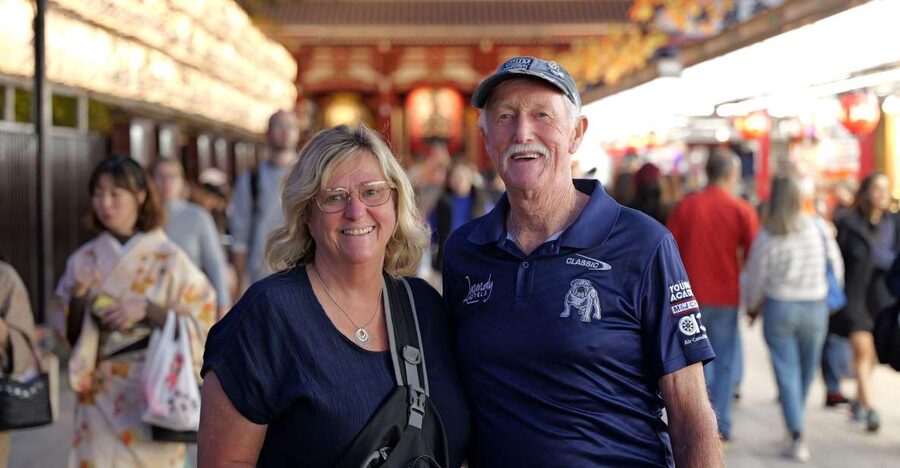
Tokyo can hit you like a wall at first: neon, crowds, trains, signs in multiple styles, and the weird feeling that every street has three exits. A private walking tour solves the stress fast. Instead of figuring everything out alone, you follow someone who can explain what you’re seeing and why it matters, while still letting you steer the day.
Because it’s a walking format, you also get the small stuff. You notice how neighborhoods change block by block. You see where people actually go before you’d ever read about it. That street-level view is where Tokyo becomes understandable, not just photographed.
You can also read our reviews of more walking tours in Tokyo

How your guide customizes the day (and keeps it flexible)
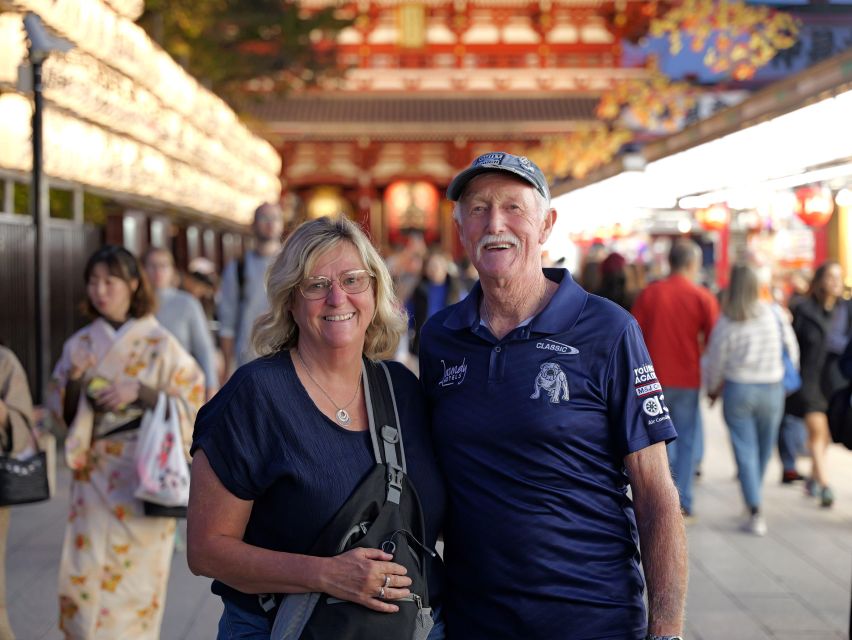
Before you meet up, your guide reaches out to learn your preferences. That matters because Tokyo can be “all sights, all the time,” and that’s how days get wasted. Here, you can shape the route around your must-sees: temples, shopping areas, viewpoints, markets, or quieter pockets.
Once you’re moving, the best part is how smoothly the plan can adjust. In guide stories you’ll see patterns: people request a highlights day, then their guide reshapes the route as they go. Francine, for example, has handled variety well—winter-friendly discoveries in areas like Odaiba, plus classic temple street time. Enrique’s style is also about pacing and matching what you want, like pairing Tokyo Skytree with Asakusa.
Practical note: this is a private group, so you’re not trading your ideas for what a big group leader has queued. If you need a short break, want a detour, or would rather swap a longer stop for a quick photo circuit, your guide can accommodate.
Where you can go: Tokyo neighborhood combos that fit different interests
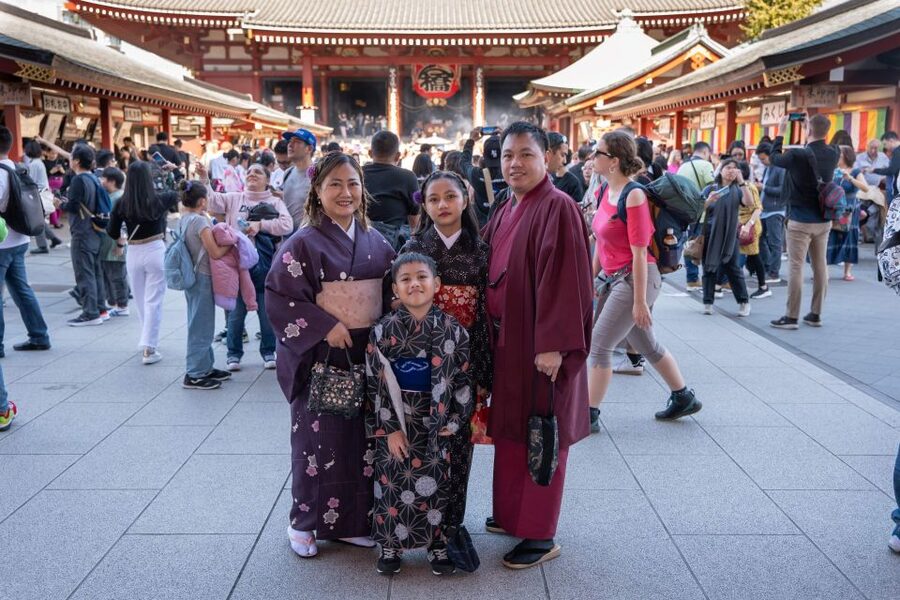
There is no single fixed route. The value is that you can build your own Tokyo mix, and guides have shown they can connect multiple areas in a logical flow.
Here are destination clusters you can ask to combine, based on real routes guides have led:
Asakusa + Senso-ji streets + Skytree area views
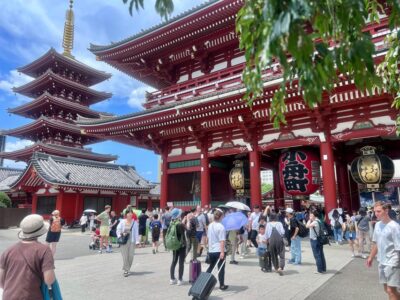
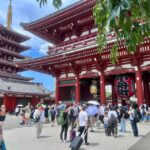
If you want classic Tokyo with maximum payoff, this is often the combo. One common approach pairs Asakusa’s traditional lanes with a strong temple experience at Senso-ji, then adds a skyline component like Tokyo Skytree. Enrique’s route style is a good example of this mix: temple streets plus a high viewpoint stop in the same day.
What you’ll like: you get contrast. Old stone steps and incense rhythm, then a modern skyline scale moment.
Watch-outs: temple areas can be busy. If you hate crowds, ask your guide to target early or side-street angles.
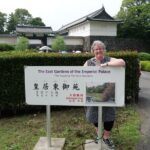
Imperial Palace Gardens + Marunouchi city views
For a calmer feel, you can plan time around the Imperial Palace area and nearby Marunouchi. This kind of route gives you big-city structure without only doing shopping. It’s also a strong choice if you want “Tokyo as a capital” rather than only “Tokyo as a theme park.”
What makes it worth it: you’ll understand the city layout better after walking this corridor, and you’ll see how business Tokyo connects to ceremonial space.
You can also read our reviews of more guided tours in Tokyo

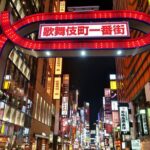
Shinjuku + Shibuya variety: iconic sights plus quieter corners
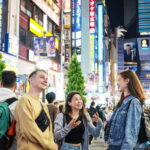
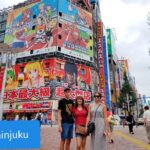
If you want modern Tokyo, Shinjuku and Shibuya are the big wins. Guides have covered both iconic buildings and calmer streets, not just the loudest intersections. Himena, for instance, has taken people through diverse parts of Shinjuku and Shibuya—temples mixed with city energy—plus recommendations for bars, restaurants, and karaoke afterward.
What you’ll like: Tokyo’s mood swings in a single neighborhood.
Watch-outs: this is a lot of visual stimulation. If you get overwhelmed, ask for more breaks and less “straight-line sightseeing.”
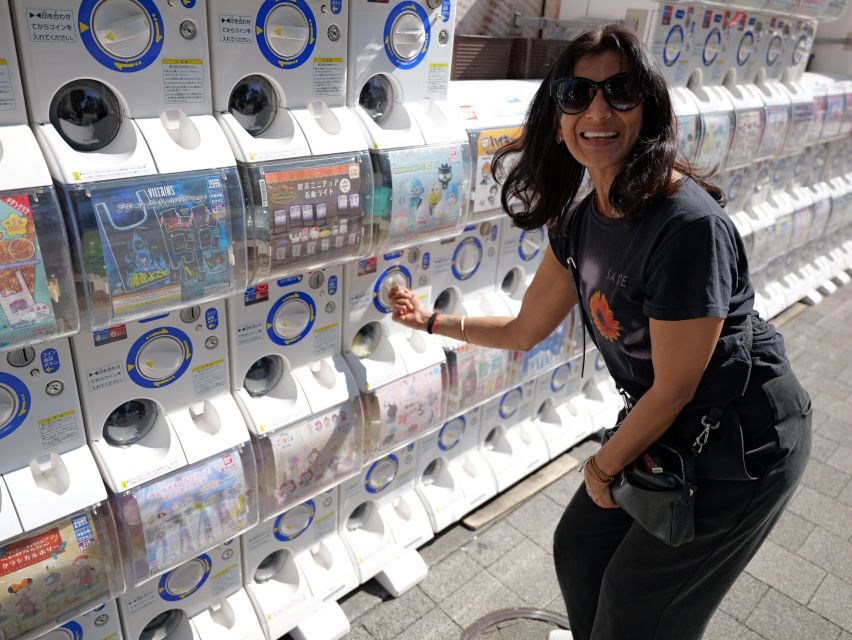
Akihabara for tech culture, then traditional Tokyo for balance
Akihabara is a great “Tokyo personality test.” If you’re curious about games, electronics, or pop culture retail, this is where you’ll see a different Tokyo brain. Shebon’s type of itinerary has combined Akihabara with Asakusa so the day doesn’t feel one-note.
What makes it click: you get both extremes—pop culture spectacle and traditional temple atmosphere—in one coherent day.
Odaiba for a different Tokyo mood (and easy photos)
Odaiba is often chosen when people want a change of pace from the central wards. Francine has guided time around the Odaiba waterfront area, which can feel more open and breezy than the dense core.
What you’ll like: less crowd pressure than the busiest temple or shopping blocks, plus great photo angles.
Viewpoints like the Tokyo Metropolitan Building
Sometimes you just need height to make Tokyo’s sprawl make sense. Florencia has included a Metropolitan Building viewpoint bonus in a route that also covered Shinjuku and local transit experience.
What you’ll like: you get orientation. After that, street navigation feels less like guessing.
Getting around Tokyo without the usual guesswork
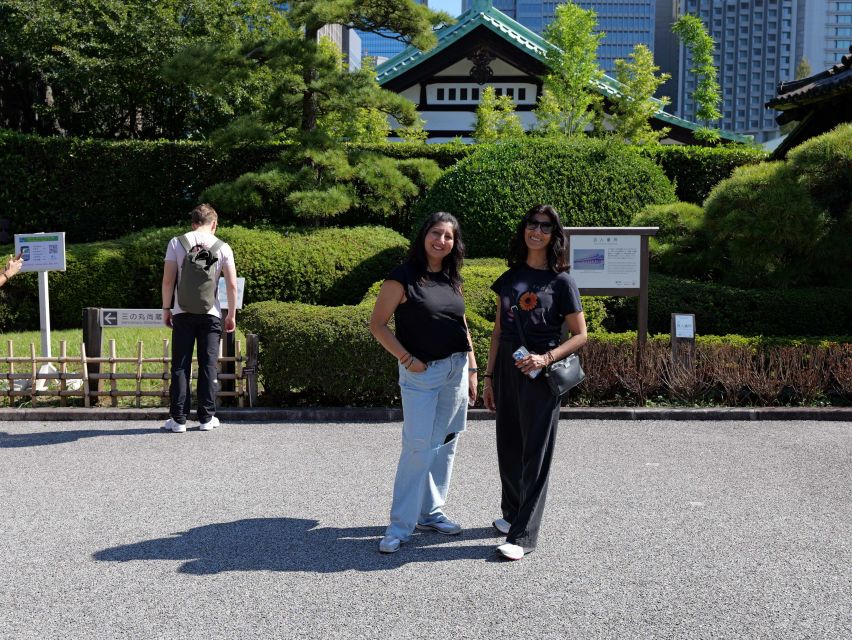
One of the best parts of this tour is how it teaches practical movement. The train and subway system in Tokyo isn’t hard, but it is confusing at first. Having a guide with you can turn navigation into a skill you use the rest of your trip.
You can expect help with:
- Using the metro and trains confidently
- Understanding routes and transfers quickly
- Planning for the day so you don’t zigzag across the city
The payoff is huge for first-time visitors. Even short routes can give you confidence, like one three-hour day that included metro use so the rest of the trip felt manageable. For people collecting JR rail passes, guides have helped accomplish that step faster and then move on to actual sightseeing time.
Also, ask your guide about station basics: where to find facilities, how to handle signage style differences, and what transit mistakes to avoid. Tim has been praised for exactly this kind of cultural-and-logistics help, including how to function in Japan day to day.
Adding museums and attraction tickets without blowing your schedule
This tour can include museum visits if you want. Your guide can adjust the itinerary based on your interests, and you’ll typically start with street-level orientation—often including the exterior of monuments and museums—so you’re grounded before you go in.
Here’s the key budgeting reality: tickets to attractions aren’t included. But the tour includes help from the team to book tickets for the visits you choose. That reduces last-minute hassle and helps you avoid time-wasting lines when possible.
So if you’re a museum person, don’t skip this tour. You can use it as your “Tokyo context setter,” then spend later time choosing what you want to revisit on your own. If you’re not a museum person, you can keep the day mostly outdoors and use museums as optional add-ons.
Walking pace and duration: choosing 2 hours vs a full day
This experience runs from 2 to 8 hours. That range is useful because Tokyo days should match your energy, not your travel hype.
A shorter tour (around 2 hours) is ideal for:
- A first-day orientation
- A focused neighborhood introduction
- Getting comfortable with public transit while seeing a few key sights
A longer tour (4 to 6+ hours) works best when you want:
- Multiple wards in one day
- More time for detours and photo stops
- A slower pace with breaks for kids or mobility needs
One full-day route has reached around 23,000 steps. That’s a reminder: if you choose a longer mix, it will feel like real walking—not a light stroll. Plan hydration and don’t schedule a museum-heavy evening right after if you’re not in shape for it.
Price and value: why $53 can make sense in Tokyo
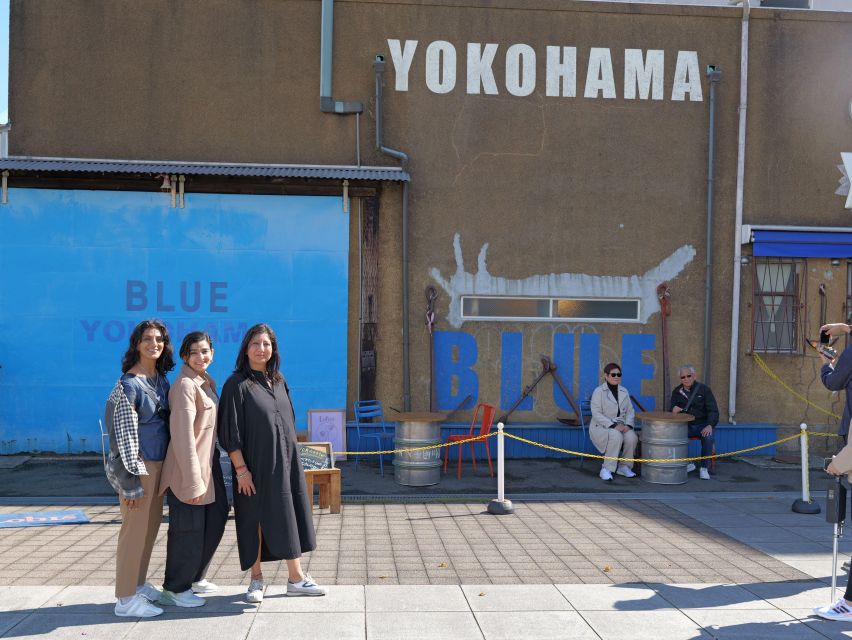
The price is $53 per person for this private custom walking tour. For Tokyo, that can be good value because you’re paying for more than sightseeing. You’re paying for:
- A route built around your preferences
- The guide’s knowledge of how to connect places efficiently
- Navigation support using public transport
- Help booking tickets for the things you want to add
What’s not included is also clear: food and drinks, plus tickets to attractions. So think of the tour as the framework. You still get to spend on the experiences inside that framework—meals, museum entry, and any optional paid attractions.
If you’re traveling solo or as a couple and you want a “save my time” intro day, this is often the sweet spot. If you’re in a group that already knows exactly where to go and prefers self-guided roaming, you might spend less on a cheaper option—but you’ll give up the planning and transit confidence boost.
Who this tour suits best
You’ll likely enjoy this most if:
- It’s your first Tokyo trip and you want to avoid getting lost early
- You want a highlights day but still want control over the details
- You’re traveling with kids or need flexible pacing
- You want practical local advice beyond just seeing sights
It can also be a great fit if you have specific needs. One guide story included support for medical dietary needs and helped locate suitable food. Another included help coordinating train passes and dealing with accessibility and mobility considerations. While each day will vary by guide style, the private format makes it easier to tailor the experience around your situation.
Should you book this private Tokyo walking tour?
Yes, if you want a first-days-in-Tokyo win: orientation, navigation help, and a route that you shape. This is the kind of tour that can save you from wasting time circling the same areas or standing at the wrong station entrance. And because it’s private, you get to adjust when your interests change mid-day.
Book it if your plan includes classic Tokyo sights plus at least one curveball—like a viewpoint, a different ward, a cultural street you’d miss on your own, or a museum add-on. Skip it if you already have a very tight self-guided route and you hate walking or public transport. Then you might do better with a more stationary plan.
FAQ
How long is the private Tokyo walking tour?
The duration can be selected in the 2 to 8 hour range, based on availability of starting times.
Is this tour private or shared?
This is a private group experience, so it’s just your party rather than a large group.
Can I customize the itinerary, including museums?
Yes. Your guide can adjust the itinerary based on your interests, including whether you want to add a museum visit. You should share preferences in advance.
Does the tour include hotel pickup?
Yes, pickup is included if your accommodation is located in Tokyo. You can request a centrally located hotel to start from, and if your hotel is outside the city center a meeting point in the city center is selected.
What languages are available for the guide?
English, French, Italian, Japanese, Spanish, and Portuguese.
Is the tour wheelchair accessible?
Yes, the tour is listed as wheelchair accessible.
Are attraction tickets and food included?
No. Food and drinks are not included, and tickets to attractions are not included. The team can help book tickets for desired visits.
How does cancellation and pay later work?
You get free cancellation up to 24 hours in advance for a full refund. There’s also a reserve now and pay later option, so you can book without paying today.