REVIEW · SAN FRANCISCO
Chinatown Walking Tour: Food, History & Flavor
Book on Viator →Operated by Local Tastes of the City Tours · Bookable on Viator
Chinatown food, with real stories attached. This 3-hour small-group walk threads together Dragon Gate history with hands-on tastings, including tea and fortune cookies. You’ll see the neighborhood at close range, from side streets to market blocks, not just from a distance.
I love that the tour is built around eating like a local, not snack-size sampling. Dim sum, BBQ pork buns, and tea stack into a true lunch, and the guide keeps the day moving with Q-and-A along the way.
One thing to plan for: the route includes hills and there can be long waits at popular stops like the fortune cookie factory. If you’re sensitive to stairs or steep blocks, go in with the mindset of taking short breaks.
In This Review
- Key points to know before you go
- Entering Chinatown at the Dragon Gate
- Lunch you’ll remember: dim sum, BBQ pork buns, and tea
- Golden Gate Fortune Cookie Factory: seeing the cookies made
- Stockton Street markets: herbs, produce, and how locals shop
- Tea tasting at a family-run shop: customs and flavors in real time
- Pacing, hills, and the small-group feel (15 people or fewer)
- Price and value: why $86 can feel fair (when the meal lands)
- Who this Chinatown food-and-history walk suits best
- Should you book this Chinatown walking tour?
- FAQ
- How long is the Chinatown walking tour?
- How much does the tour cost?
- What’s the group size?
- Where does the tour start and end?
- Is the tour offered in English?
- What tastings are included?
- Is there a fortune cookie stop?
- Are nut allergies accommodated?
- Are service animals allowed?
- What’s the cancellation window?
Key points to know before you go

- Dragon Gate start: a historic entry point into San Francisco’s Chinatown.
- Lunch-style tastings: dim sum, BBQ pork buns, and more add up to a full meal.
- Fortune cookie factory stop: watch fresh fortune cookies being made.
- Stockton Street markets: herbs, produce, and everyday shopping rhythm.
- Tea tasting with context: learn customs and sample varieties at a family-run shop.
- Maximum 15 people: smaller group feel, more time to ask questions.
Entering Chinatown at the Dragon Gate
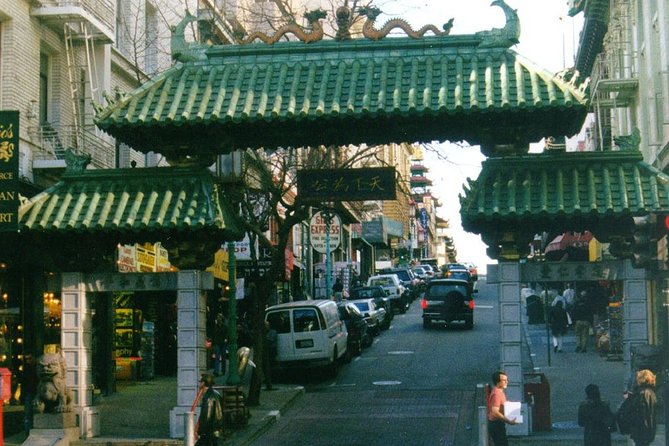
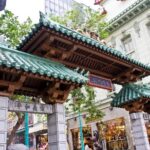
I like how this tour begins with a big, unmistakable landmark: the Dragon Gate at the Chinatown entrance. It’s a quick way to set the tone. You’re not just wandering; you’re stepping into an area that’s known as the oldest Chinatown in North America, with a story that starts long before today’s restaurants.
From the gate, you move through narrow streets and back-alley corners where you can actually feel how the neighborhood works. The walking format matters here. On foot, you notice storefront details, signage, and the small rhythm of daily life—stuff you’d miss if you just sat down and ate.
The vibe stays guided without feeling rigid. The guide points out what you’re looking at and why it matters, and you get chances to ask questions as you go. That turns Chinatown from a photo-op into something you understand.
You can also read our reviews of more walking tours in San Francisco
Lunch you’ll remember: dim sum, BBQ pork buns, and tea
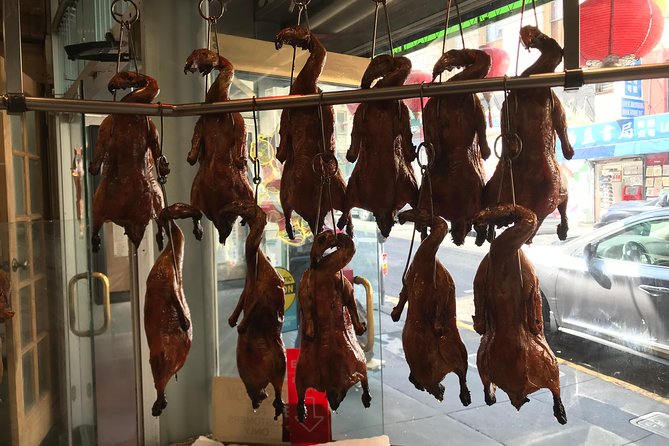
This is where the tour earns its value. The tastings are described as enough to reach a full-lunch feeling, not a parade of tiny bites. Expect a mix of classic Chinese favorites, including dim sum and BBQ pork buns, plus other treats the guide hand-picks along the route.
Dim sum is often the anchor on a tour like this because it lets you sample lots of flavors in a single sitting. In practical terms, it also helps you avoid decision fatigue. You don’t have to read a menu or guess what’s best—your stop choices are part of the experience.
One strong pattern in the guide stories is how food is paired with explanation. You’ll hear how items relate to the culture of eating and shopping in Chinatown. That’s a big reason this tour works for more than just people who want calories. You get both the taste and the why behind it.
Tea becomes part of the meal, too. The tour includes a tea tasting where you learn about Chinese tea culture and sample varieties from a family-run tea shop. If you’ve ever had tea and wondered why it tastes so different from place to place, this stop gives you language for what you’re noticing.
Golden Gate Fortune Cookie Factory: seeing the cookies made
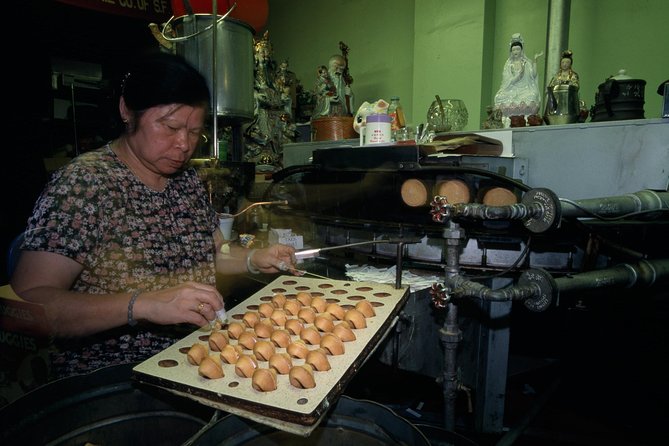
A big standout stop is the Golden Gate Fortune Cookie Factory. This isn’t just a souvenir grab. You’ll see fortune cookies made fresh, and you’ll get to sample them.
That matters because fortune cookies are one of those things that many people treat like a generic afterthought. Seeing the process flips that. You start thinking about ingredients, timing, and how the cookies fit into celebrations and street culture.
Plan to be flexible here. On some days, the factory can have long lines, and that can affect whether you get enough time to include it fully. If you’re traveling during a busy season or around major events, keep your expectations open.
Stockton Street markets: herbs, produce, and how locals shop
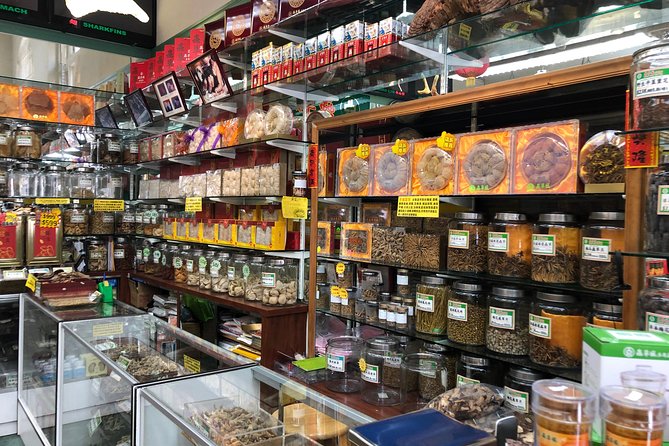
Between tastings, you’ll spend time around Stockton Street where locals shop daily for fresh produce, herbs, and specialty items. This is one of the best ways to understand Chinatown beyond restaurants.
Here’s the practical benefit: you get visuals and context for ingredients that show up in the food you’re eating. Even if you don’t shop, you’ll come away knowing what people are buying and what’s valued—so your next meal in the neighborhood makes more sense.
I also like that the guide treats the market as part of the story, not just a stop to pass through. You’ll be directed to what to look for, and you can ask questions about the herbs and produce. It’s a small shift, but it changes the whole feeling of the walk.
Tea tasting at a family-run shop: customs and flavors in real time
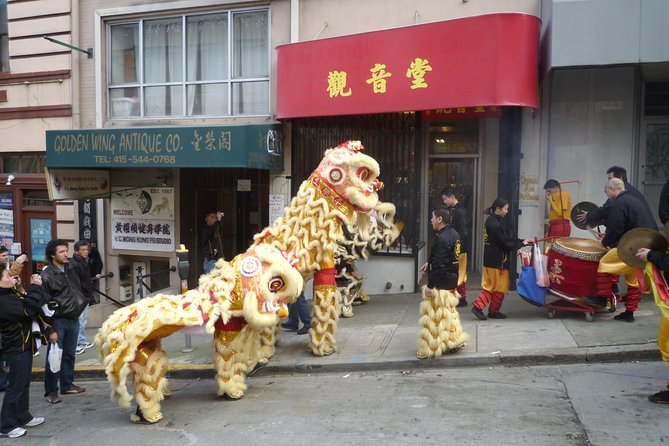
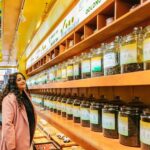
Tea tasting is built into the tour like a featured course. You’ll learn about Chinese tea customs and sample varieties from a family-run tea shop, not a generic tasting setup.
The reason this works so well is that tea is subtle compared to the loud flavors of dumplings or BBQ pork buns. Once you’re taught what to notice, you can actually taste differences in how tea is processed and served.
One of the most mentioned tea-stop details is Vital Tea Leaf Shop, where the tea host’s energy and humor make the tasting easy to enjoy. Even if you’re not a tea expert, that personality component matters. It helps you stay curious and not just “stand there while someone talks.”
If tea isn’t your thing, the stop still functions as a cultural reset. You slow down, taste something different, and come back to the rest of the walk with fresh energy.
Pacing, hills, and the small-group feel (15 people or fewer)
This tour runs about 3 hours and is capped at 15 people or fewer. That small group size is a big deal in a neighborhood that can feel tight and traffic-heavy.
You’ll be walking between stops, and Chinatown has hills. You should expect at least a short climb. The good news: the route is designed with a manageable pace, with time to recover if needed.
The best part of a smaller group is how it changes the conversation. You’re not shouting over a crowd. You can ask questions, get direct answers, and have the guide adjust explanations based on what people care about.
If you’re coming with family, a teen, or friends who usually get bored on “history walks,” this format is often easier to handle because you’re eating while learning. The guide names mentioned across experiences include Ryan, Andre, Scott, Cynthia, Isabella, Brian, and David—each praised for mixing story with food and keeping the day fun.
Price and value: why $86 can feel fair (when the meal lands)
At $86 per person for about 3 hours, this is not a budget stroll. But the math is closer than it looks because the tour builds in enough tastings for a lunch-sized meal: dim sum, BBQ pork buns, additional treats, fortune cookies, and a tea tasting.
In other words, you’re paying for three things at once:
- guided access to multiple Chinatown staples,
- restaurant stops that handle a group smoothly,
- a guide who ties it all together so you don’t just collect snacks.
For me, that’s the key value point. You’re not walking into seven random places hoping you picked right. You’re following someone who knows which stops are worth your time, and the food amount adds up fast.
One caution on value: if you’re the type who cares mostly about food with minimal story, you may prefer a less history-heavy option. Some people describe the experience as more history and culture than pure foodie. If that’s you, read your own priorities first before you book.
Who this Chinatown food-and-history walk suits best
This is a great fit if you want your San Francisco day to include:
- a guided intro to Chinatown that feels personal,
- multiple tastings that actually add up,
- a tea stop with context, not just a sip and go,
- a walk that includes market viewing and landmark time.
It’s also a strong choice if you already love Chinese food and want a deeper feel for how ingredients and traditions connect. The market and tea culture pieces make it more meaningful than a basic eat-and-leave tour.
If you have nut allergies, you should know the tour can’t accommodate nut allergies. If that applies to you, it’s better to choose a different experience that can handle your needs.
Service animals are allowed, and the tour is near public transportation. Most people can participate, but the hills mean you should wear shoes you trust.
Should you book this Chinatown walking tour?
Book it if you want a guided Chinatown day that turns into lunch—dim sum, BBQ pork buns, tea tasting, and fresh fortune cookies—plus a clear story you can carry with you after you leave.
I’d think twice if your top priority is only food and you don’t want any history or culture context at all, or if hills and steps will be a deal-breaker for you. Also, if you’re set on the fortune cookie factory no matter what, know that long lines can sometimes affect timing.
If your goal is to leave Chinatown feeling like you understood what you ate and what you saw, this one is an easy yes.
FAQ
How long is the Chinatown walking tour?
It’s about 3 hours.
How much does the tour cost?
The price is $86.00 per person.
What’s the group size?
The tour has a maximum of 15 travelers, so it stays small.
Where does the tour start and end?
It starts at 400 Grant Ave, San Francisco, CA 94108, and ends at 650 Jackson St, San Francisco, CA 94133.
Is the tour offered in English?
Yes, it’s offered in English.
What tastings are included?
The tour includes traditional Chinese lunch-style tastings such as dim sum and BBQ pork buns, plus tea tasting and fortune cookies.
Is there a fortune cookie stop?
Yes. The tour includes a stop at the Golden Gate Fortune Cookie Factory, where you can see and sample fresh fortune cookies.
Are nut allergies accommodated?
No. The tour is not able to accommodate nut allergies.
Are service animals allowed?
Yes, service animals are allowed.
What’s the cancellation window?
You can cancel for free up to 24 hours in advance for a full refund.