REVIEW · FLORENCE
Florence: Guided Walking Tour
Book on GetYourGuide →Operated by My Green Tour srl · Bookable on GetYourGuide
Florence makes sense on foot. This guided walking tour gives you a tight route through the city’s top landmarks and the people who shaped it, from Roman origins to the Medici era. I especially loved the way the guide ties the sights to real-life stories, and how you also get off-the-beaten-path streets instead of just marching between photo spots.
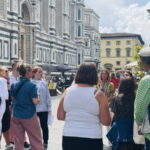
The only real drawback: it’s a walking tour through busy central areas, so you’ll want comfortable shoes and you should be ready for slower moments when crowds gather around the Duomo and big squares. The group size can also vary, and I’ve seen accounts ranging from around 10 people to groups closer to 20.
In This Review
- Key highlights worth planning around
- Why this 1.5-hour Florence walk is a smart move
- Route flow: what the walk feels like between stops
- Palazzo Medici Riccardi: the Medici story starts early
- Basilica of San Lorenzo: where the city’s bigger themes show up
- Florence Duomo Complex and Piazza della Repubblica: big sightlines, big meaning
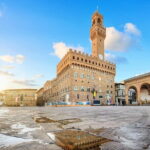
- Piazza della Signoria to Ponte Vecchio: from civic space to the river view
- The stories you’ll remember (and use) later
- Guide quality: why names you hear can matter
- Price and value: $31 for an overview that pays off
- Who this tour suits best (and who might feel cramped)
- Should you book this Florence guided walking tour
- FAQ
- How long is the Florence guided walking tour?
- What are the main stops on the route?
- Where does the tour start and end?
- Is luggage storage included?
- What languages are available for the live guide?
- Do I need to book far in advance?
Key highlights worth planning around
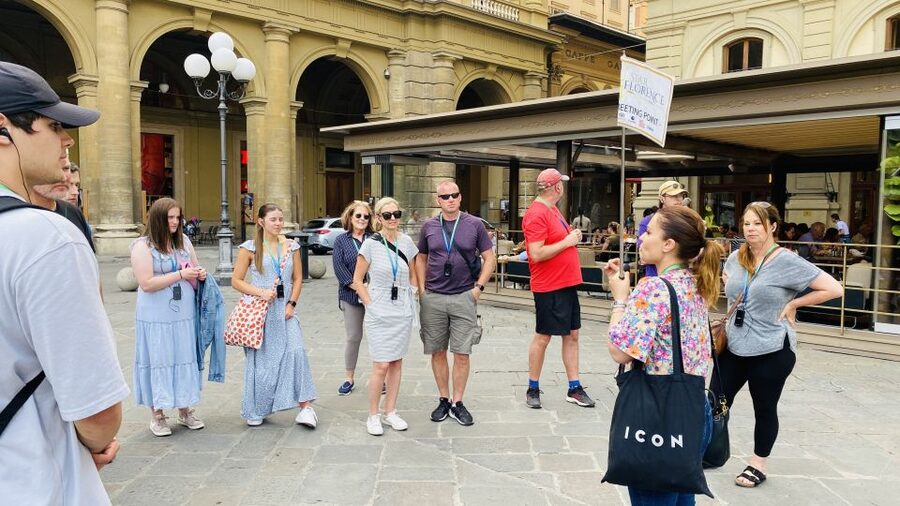
- Expert English-speaking guides who explain what you’re seeing, then point out where to look next
- A Medici thread through the route, with stops tied to major power and patronage in Florence
- Duomo to Signoria to Ponte Vecchio in a clean 1.5-hour loop so you can understand the city fast
- Hidden alleyways and quieter streets, not just the main postcard lines
- Story-driven stops that reference familiar names like Dante, plus artists such as Botticelli and Michelangelo
- Free luggage deposit, which is helpful when you’re touring with bags
Why this 1.5-hour Florence walk is a smart move
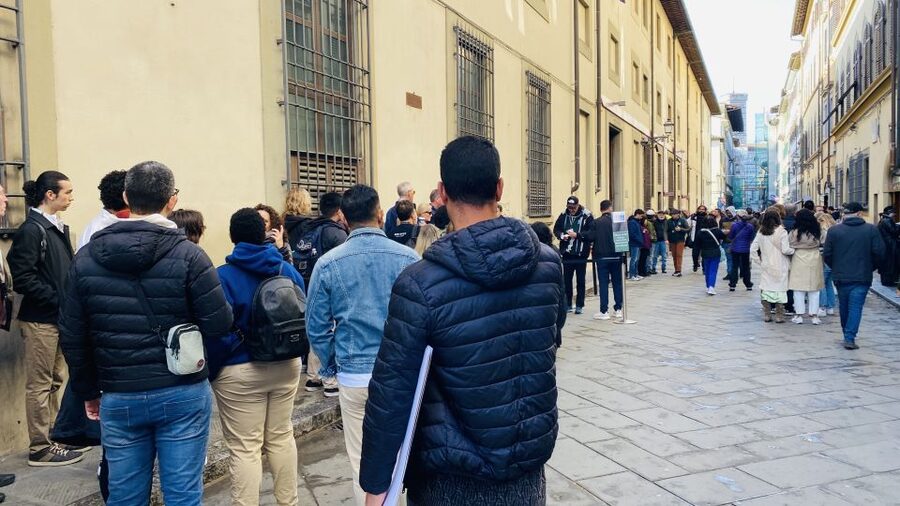
Florence is gorgeous, but it can also feel like information overload. This tour is built for the moment you arrive—when you want the big picture without spending half your day with a map in your hand.
I like that the tour keeps the focus on what matters visually and historically. You’ll see the Santa Maria del Fiore Cathedral area and other headline squares, but the guide also connects the dots to people who lived here—Dante is mentioned, along with the Medici family. That’s the difference between spotting buildings and understanding why Florence looks the way it does.
The best part for me is the balance: you get major icons like Ponte Vecchio, then you also get side streets where Florence feels more like a real city than a museum.
You can also read our reviews of more walking tours in Florence
Route flow: what the walk feels like between stops
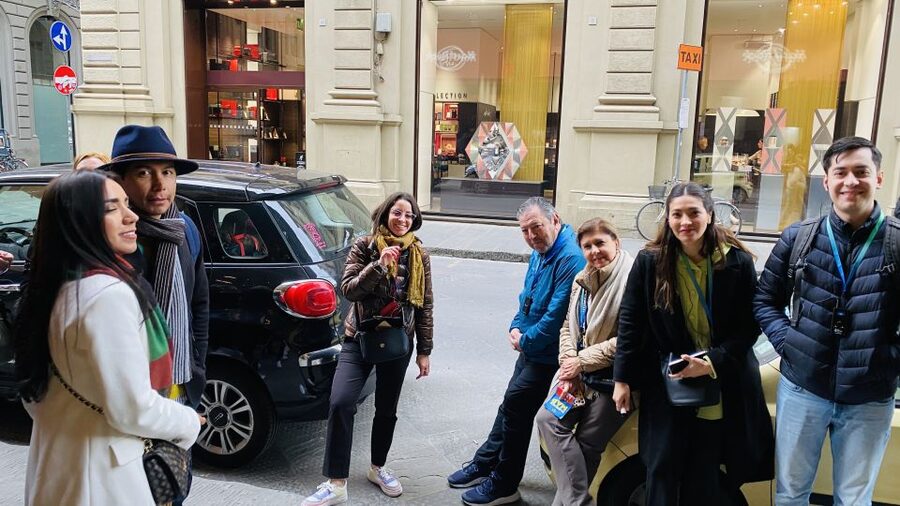
The tour is structured as a series of short walking segments with stops that escalate from grand religious and civic spaces toward the river. You start at one of three options, including My Green Tour on Via de’ Martelli 33 and a Via de’ Martelli 33r option, and the tour returns to the meeting point afterward.
In practice, the timing is friendly for a first pass through the center. You’re looking at segments that often land in the 10- to 20-minute range between the main stops, plus a short sightseeing moment at Ponte Vecchio. That means you’re never stuck walking for too long without a payoff.
One practical note: because this is a walking tour, your pace needs to match the group. If your style is slow wandering, you may find yourself adjusting slightly so you don’t fall behind at the “next stop” moments.
Palazzo Medici Riccardi: the Medici story starts early
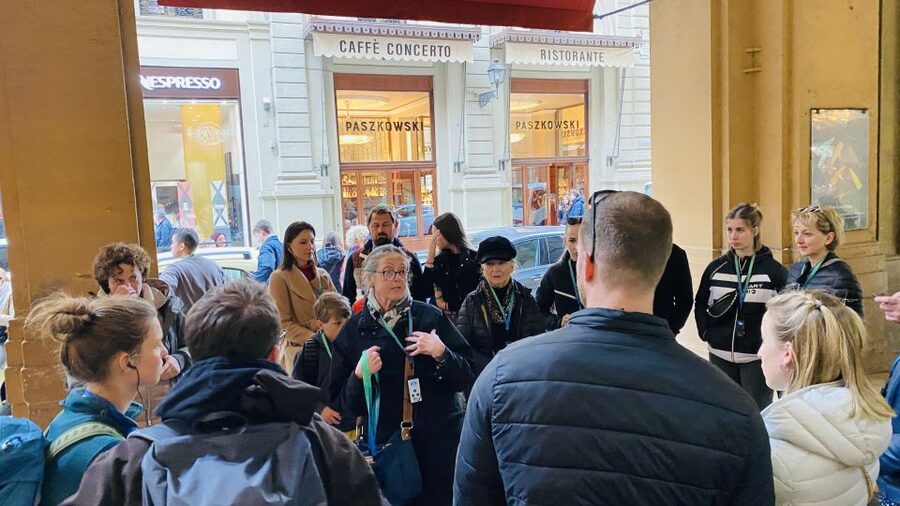
The tour hits Palazzo Medici Riccardi early, and that choice matters. The Medici weren’t just famous people; they helped shape how Florence looked and what it prioritized. Even if you’re not a deep-into-art-history person, it’s easier to follow the city when someone anchors you to a key player right away.
From here, the tour doesn’t just point at buildings. It frames what you’re about to see later—why certain areas feel like power centers, and why Florence’s art and architecture grew up around that. If you like your sightseeing with a narrative thread, you’ll feel it immediately.
There’s also a subtle practical win: starting with a major landmark helps you “lock in” orientation. After that, the rest of the walk feels less like random streets and more like one planned route.
Basilica of San Lorenzo: where the city’s bigger themes show up
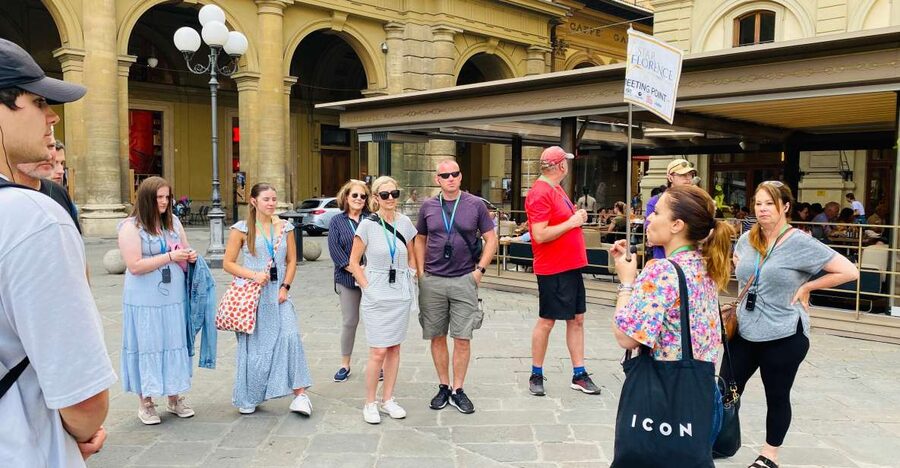
Next comes the Basilica of San Lorenzo. The value here isn’t that you’re being asked to memorize facts. It’s that the guide keeps weaving Florence’s story while you’re still fresh and not yet overwhelmed by the Duomo area.
You also get that “walk in the footsteps” concept—artists such as Botticelli and Michelangelo are part of the tour’s storytelling framework. I like that approach because it turns a geography lesson into a human one. Instead of the city being a list of monuments, you start recognizing how people, patronage, and creativity connect.
A small caution: this stop sits in a dense part of central Florence. Even with a guide, you can expect people, and you’ll want to stay alert and close so you don’t get separated while everyone moves to the next point.
Florence Duomo Complex and Piazza della Repubblica: big sightlines, big meaning
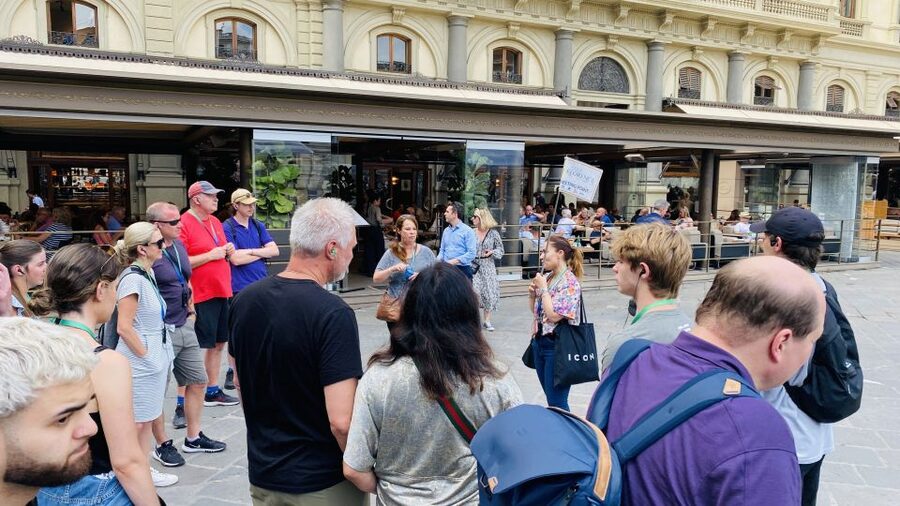
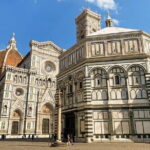
The Florence Duomo complex is one of the tour’s headline anchors, and it’s usually the moment where first-timers go from, I’ve seen it online, to, wow, it’s real. This tour keeps the focus on the cathedral area and then continues onward to Piazza della Repubblica.
Why this works: the guide helps you understand the city’s architecture and former residents without turning it into a lecture. You’ll also learn about the city’s overall historical arc, including that Florence was founded by the Romans in 59 B.C. That Roman origin detail gives the rest of the tour a backbone, so the medieval and Renaissance-era stories feel connected instead of floating.
What you should watch for: the Duomo and nearby squares can be crowded. Your photos may be a little slower than you want, but the trade-off is that you’re also learning and moving efficiently. This is a “see a lot, understand more” format, not a “linger forever at one spot” format.
You can also read our reviews of more guided tours in Florence


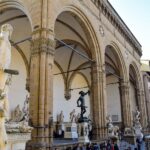
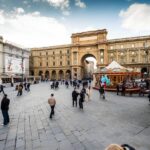

Piazza della Signoria to Ponte Vecchio: from civic space to the river view
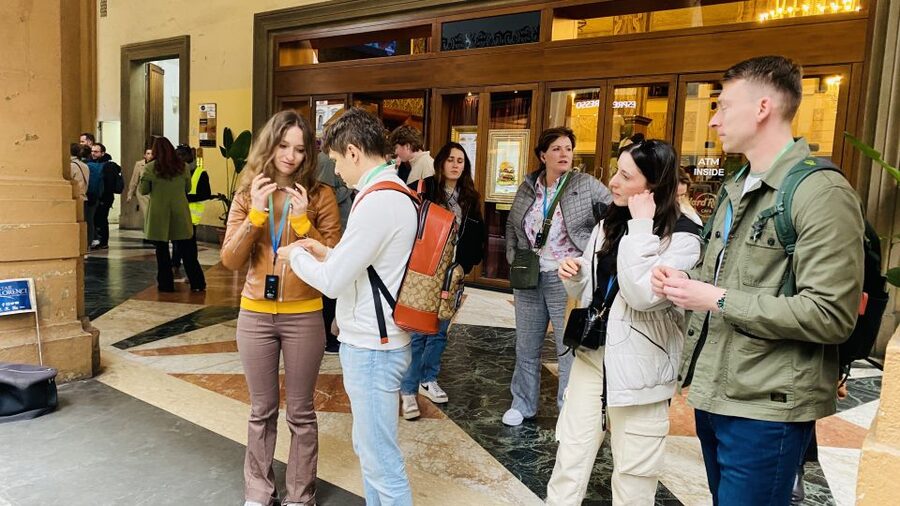
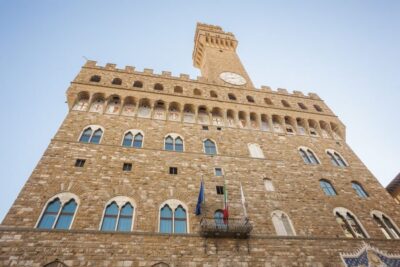
After Piazza della Repubblica, the tour lands in Piazza della Signoria, another key civic square. This section is great if you like the Florence story beyond churches—this is where the city’s public life feels front and center.
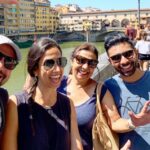
Then you finish with Ponte Vecchio, including a short sightseeing stretch. Even if you’ve already seen Ponte Vecchio photos, being there with a guide’s context helps. You’re not only looking at a famous bridge; you’re seeing how the city’s layout and eras line up with each other.
One practical tip: Ponte Vecchio tends to be a high-traffic zone. Plan to move with the group and be ready for brief standstill moments while people flow around you.
The stories you’ll remember (and use) later
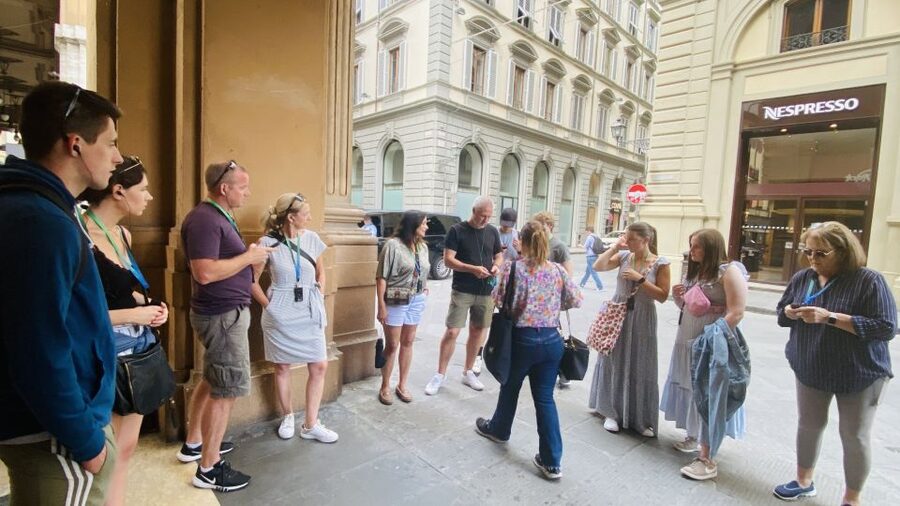
The tour’s biggest strength is the commentary. It doesn’t treat Florence like a postcard factory. You’ll hear about former residents tied to the city’s famous eras—Dante gets a mention, and the Medici family is a repeated theme. You’ll also hear about how Florence’s history connects to its architecture and why certain areas matter.
It’s also a good introduction to the “artist footsteps” angle, with references to Botticelli and Michelangelo. Even if you don’t plan to do every art museum during your trip, this kind of overview helps you choose what to prioritize later. You start walking with questions like Why was this patronage important? and Where would I look to see that influence in real life?
Another point I appreciate: several guide accounts highlight small practical tips alongside the history. For example, one guide, Luigi, was credited with giving a strong restaurant recommendation (100 Poveri) that people ended up visiting. That kind of advice turns a tour into a springboard for your own plans.
Guide quality: why names you hear can matter
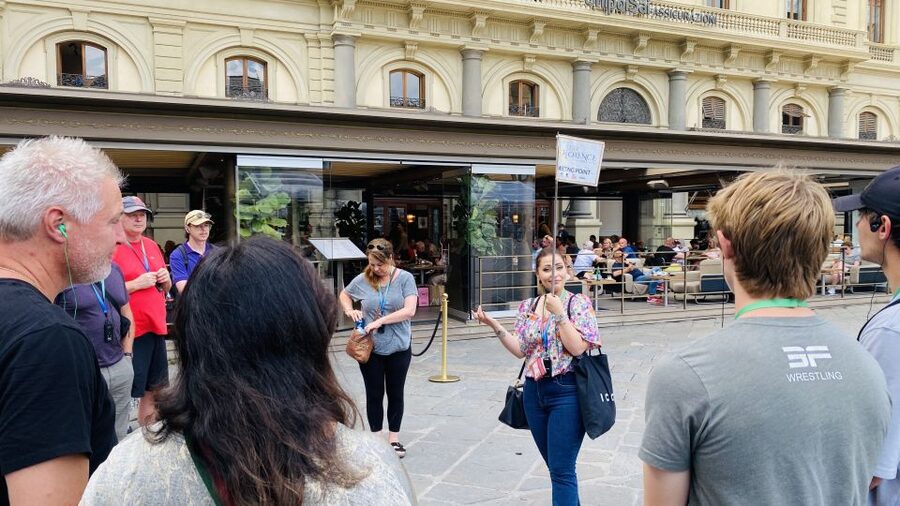
A walking tour stands or falls on the guide’s delivery. This one has a long list of languages, and the guide role is the centerpiece: English-speaking guides are offered, and the tour description also lists Spanish, French, German, Italian, Russian, and Portuguese.
What comes up in real experiences is engagement. You’ll see mentions of guides like Rosa, Julia, Eduardo, Luigi, Rachel, Alessandra, Mary, and Guido, and the recurring theme is clarity plus energy. People specifically praised guides for keeping things engaging, encouraging questions, and making the story feel alive rather than dry.
I’d especially take note of the accounts that mention “secret” or quieter routes. That’s where value hides. Florence’s major landmarks are obvious; the quieter lanes and smarter sightlines are what help your day feel more personal and less like you’re following a stampede.
Price and value: $31 for an overview that pays off
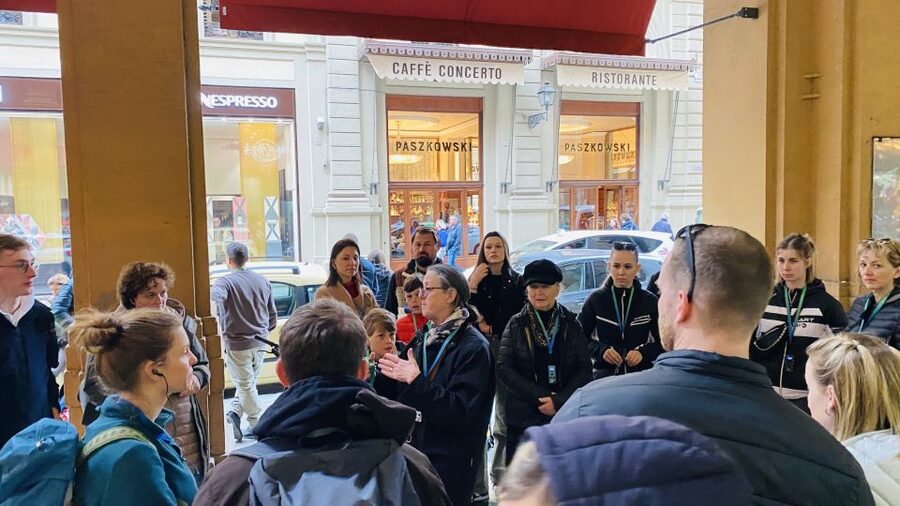
At $31 per person for about 1.5 hours, the math is pretty straightforward. You’re paying for expert guidance, not for admission tickets. In a city like Florence, that means you’re buying time and context—two things that are expensive in their own way when you’re doing it alone.
You also get a practical bonus: free luggage deposit. That’s underrated. If you arrive with bags or you’re in between hotel check-in and check-out, it keeps your walking day smoother and less stressful.
The tour also offers a private group available option, which can matter if you’re traveling with family or friends and you want the same idea but with less crowd pressure. If you’re solo or a couple, the standard group approach is still designed to be easy to follow.
Who this tour suits best (and who might feel cramped)
This is a great fit if:
- You want a fast orientation to central Florence in a manageable 1.5-hour window
- You like your sightseeing paired with stories about people and power, not just architecture names
- You want a route that includes both major icons and quieter side streets
- You’re traveling early in the trip and you want a base plan for later
You might want to think twice if:
- You hate walking through crowded areas and want long, slow breaks at one site
- You’re visiting with mobility limits and need a mostly seated experience (this is a walking format)
- You expect detailed museum time inside buildings, because this tour is about a guided walk and key sight stops rather than deep interior visits
That’s not a flaw; it’s a match question.
Should you book this Florence guided walking tour
I’d book it if you want to understand Florence quickly and get your day moving in the right direction. The strong point is the blend of iconic landmarks (Duomo area, Piazza della Signoria, Ponte Vecchio) with human-scale storytelling (Dante, Medici, artists like Botticelli and Michelangelo). It’s the kind of tour that helps you enjoy the rest of the city more, because you’ll know what you’re looking at.
Skip it only if you’re already fully packed with other guided experiences and you’re not interested in history-by-walking. Otherwise, this is good value for an efficient intro day.
FAQ
How long is the Florence guided walking tour?
The tour duration is 1.5 hours.
What are the main stops on the route?
You’ll see stops including Palazzo Medici Riccardi, Basilica of San Lorenzo, the Florence Duomo complex, Piazza della Repubblica, Piazza della Signoria, and Ponte Vecchio.
Where does the tour start and end?
It starts at a meeting point that may vary depending on the option booked (including My Green Tour and Via de’ Martelli 33/33r) and ends back at the meeting point.
Is luggage storage included?
Yes. The tour includes a free luggage deposit.
What languages are available for the live guide?
The live tour guide is available in Spanish, English, French, German, Italian, Russian, and Portuguese.
Do I need to book far in advance?
You can reserve now and pay later, and you can check availability to see starting times. Free cancellation is available up to 24 hours in advance for a full refund.