Rome is a lot faster on foot with a guide. This 2-hour walk strings together Pantheon-area sights, Trevi, and Piazza Navona while weaving in the big story of Rome. I love two things most: the way the tour turns monuments into human stories, and the extra off-the-main-route stops that help you feel like you saw more than the postcard hits. One possible drawback: you’ll be on your feet in central Rome, and the meeting point can vary by option booked—so give yourself extra time to locate the group.
From Piazza Venezia to the end at Piazza Navona, it’s built for momentum. The price is modest for a guided loop (just $23), and the format works well if you want a first-day overview plus practical tips. You also get the bonus of hearing guide recommendations for food and where to roam after the tour—helpful when your Rome map is blank and your feet are already tired.
In This Review
- Key Highlights You’ll Actually Feel on the Walk
- Why This 2-Hour Rome Loop Makes Sense First-Time
- Meeting Points: Choose Your Starting Piazza and Arrive Early
- Piazza Venezia and Trajan’s Column: The Empire Story in Plain Sight
- Trevi Fountain: Classic View, Guided Timing, and Smart Moves
- Galleria Sciarra: One of the More Interesting Side Streets Stops
- Church of Sant’Ignazio di Loyola: Architecture You Can Hear in the Story
- Pantheon Area Pass-By: The Perfect Setup for a Future Ticket
- The Finish at Piazza Navona: Where the Best Next Step Happens
- Price and Value: Is $23 Worth It in Rome?
- Pacing, Group Size, and Crowd Reality
- Who This Tour Fits Best (and Who Might Want Something Else)
- Should You Book This Pantheon to Trevi to Navona Walk?
- FAQ
- FAQ
- How long is the Rome walking tour?
- Where does the tour start?
- Where does the tour end?
- What monuments and areas are included?
- Is there Pantheon entry included?
- What’s the price?
- What’s included in the ticket price?
- Are food and drinks included?
- What languages is the live guide available in?
- What should I bring?
- Is free cancellation available?
Key Highlights You’ll Actually Feel on the Walk
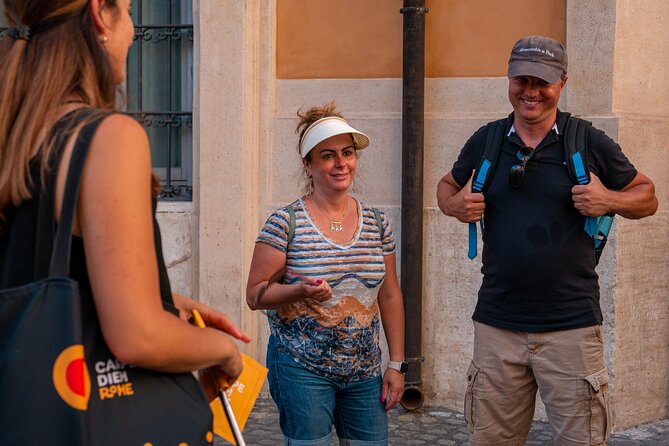
- A tight 2-hour route that covers major sights without turning the day into a marathon
- Short, story-based stops at Piazza Venezia, Trajan’s Column, Trevi, and more
- Off-the-main-track detours like Galleria Sciarra and nearby Baroque-era landmarks
- Pantheon-area viewing time to anchor the rest of your Rome visit, even if you don’t go inside
- A useful end point at Piazza Navona, where your guide points you toward great places to eat and drink
- English and Spanish guides, with strong feedback on engagement and inclusion (you’ll feel pulled into the conversation)
Why This 2-Hour Rome Loop Makes Sense First-Time
If this is your first trip to Rome, you need two things fast: a mental map and context. This tour gives you both by walking through the central core and explaining Rome’s story from the Roman Empire era through to today. In a short window, you come away understanding what you’re looking at—and why it matters.
I also like that the pace is built around “see it, then learn it.” Stops are timed so you aren’t stuck in one spot waiting for the group to catch up, and you’re still able to keep moving through Rome’s famous piazzas. At $23 per person, it’s a solid way to buy a guided shortcut compared with wandering alone and hoping your app explains everything well.
The biggest “value” here isn’t just the monuments. It’s the way a local guide turns streets into a readable route, with tips for what to do next when you’re done.
You can also read our reviews of more walking tours in Rome



Meeting Points: Choose Your Starting Piazza and Arrive Early
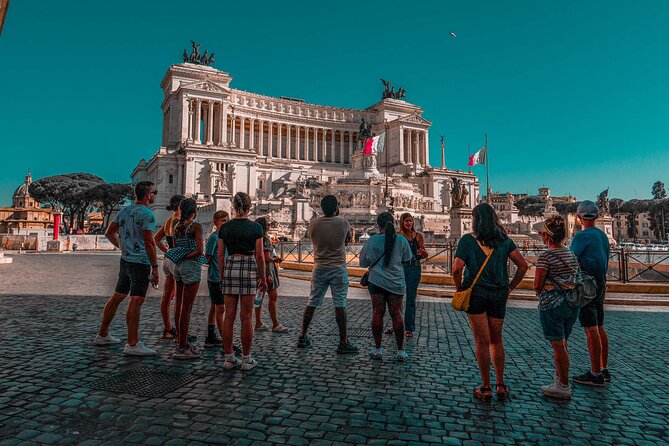
You’ll start from one of a few options, depending on what you booked. The listed starting points include Piazza d’Aracoeli and Piazza di Pasquino. Because meeting point location can vary, I strongly recommend you plan to arrive a few minutes early and triple-check which start you selected.
This matters more than it sounds. On foot tours, a ten-minute delay can snowball into missed orientation time and a rushed start. Also, one practical tip from real-world experience: if the light is low, it can be harder to spot your guide—so have your booking details ready and look for the group rather than wandering around solo.
Piazza Venezia and Trajan’s Column: The Empire Story in Plain Sight
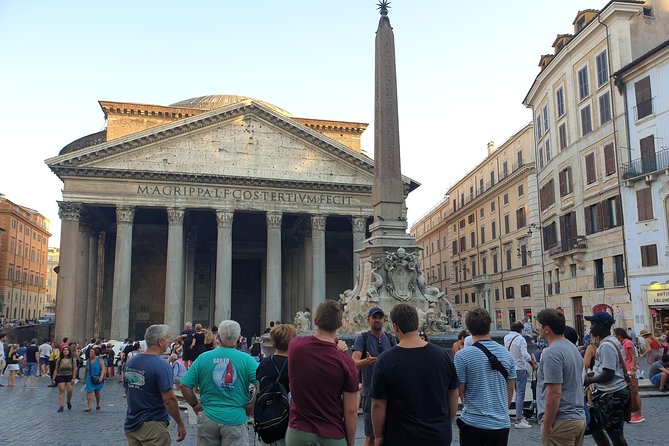
Right away, the tour hits Piazza Venezia for guided time, then moves you toward Trajan’s Column for another guided stop. These are the kinds of places where Rome feels like it’s speaking in big sentences. Even if you’ve seen photos, on the ground you notice how these landmarks pull the city’s layout together.
What you’ll get here is context, not just names. The guide’s goal is to make sense of Rome’s rise and how the empire-shaped city still echoes in the streets today. If you’ve ever looked at ruins and felt like you were missing the plot, this early section is designed to fix that.
One practical plus: guided time in these areas helps you avoid the common first-day problem—stopping whenever something looks interesting, then forgetting to see the things that anchor the whole story.
Trevi Fountain: Classic View, Guided Timing, and Smart Moves
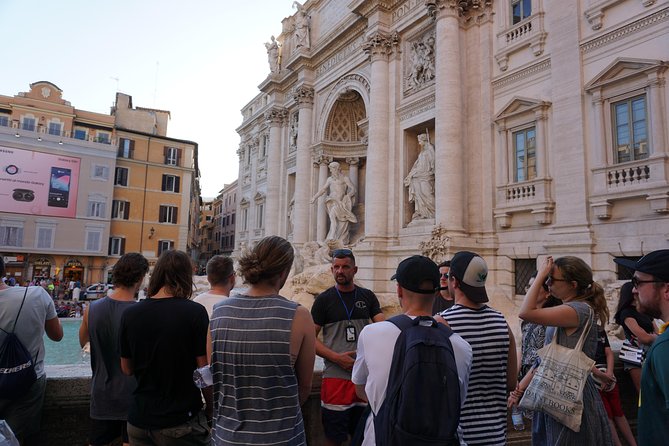
Trevi Fountain gets a longer guided stop than the quicker “photo and go” moments, so you’re not just passing by. It’s the part of the walk many people come for, and the guide uses that time to connect the fountain to the bigger Rome narrative.
Here’s how to make this segment work for you. Plan to slow down for the view, then listen for the story—don’t treat it like a checkpoint. Also, if you’re sensitive to crowds, keep your expectations flexible. I’ve seen feedback praising guides for steering groups away from the worst crowd bottlenecks and using side streets when possible, and that can make Trevi feel more manageable.
And since food and drinks aren’t included, this is also where you should mentally note your next break. The tour ends later in Piazza Navona, but you’ll want a snack strategy if you’re walking on an empty stomach.
Galleria Sciarra: One of the More Interesting Side Streets Stops
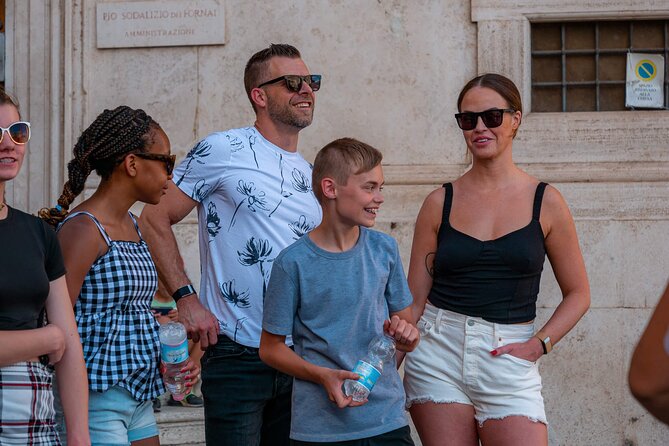
After Trevi, the route shifts into a quieter lane with a stop at Galleria Sciarra. This is exactly the kind of location that makes a walking tour worthwhile. You’re still in central Rome, but you get a different visual rhythm than the grand squares.
This is where the “hidden” part of the experience lives—not as a marketing phrase, but as a genuine change of scenery. Instead of only hitting the places everyone names out loud, you get a more intimate look at Rome’s smaller, tucked-away spaces. It also helps break up the heavyweight monuments so your brain doesn’t go into photo-only mode.
I love stops like this because they remind you Rome isn’t just one skyline. It’s also corridors, courtyards, and streets that feel lived-in.




Church of Sant’Ignazio di Loyola: Architecture You Can Hear in the Story
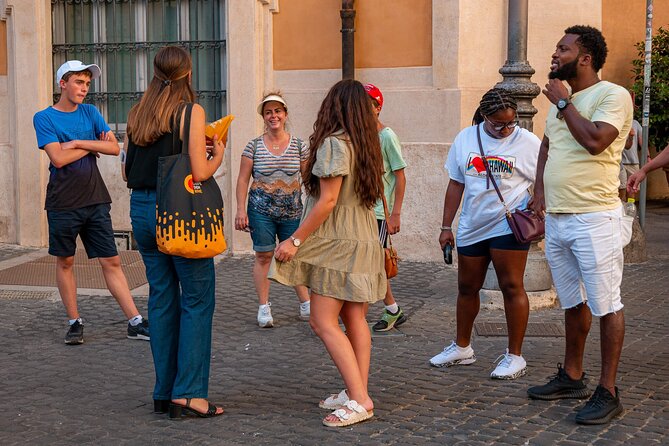
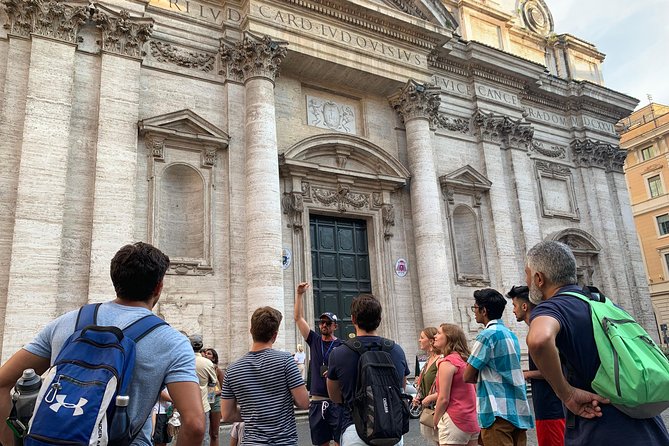
Next comes the Church of Sant’Ignazio di Loyola with guided time. Even if you’re not a religious-history person, churches in Rome are often where art, design, and power history collide in one spot. The tour’s approach here is similar: short time, clear explanations, and enough context to make the scene feel understandable.
If you like architecture, you’ll probably enjoy the way a guide frames what you’re seeing. Several guides in feedback are praised for telling stories in a way that makes people feel included and able to ask questions. That matters here because religious and architectural sites can be intimidating if you don’t know what you’re looking for.
Also, since this is a walking tour, you’ll appreciate that these stops are built into the route. You’re not losing time hunting for the next location—your guide is doing the navigation work.
Pantheon Area Pass-By: The Perfect Setup for a Future Ticket
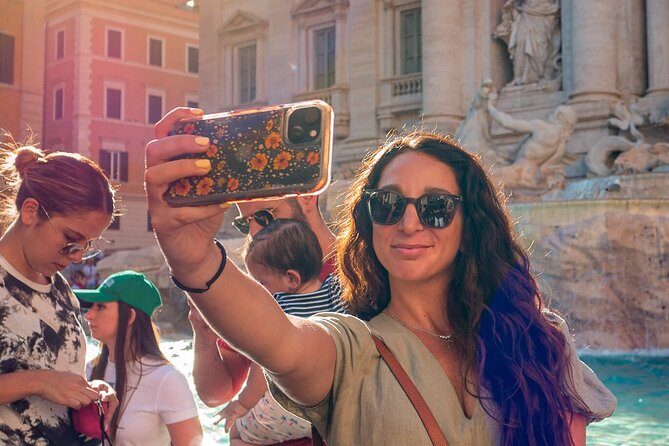
The Pantheon is on the route, but it’s listed as a pass-by stop. That means you’ll get time to orient yourself and see it from the outside perspective the tour offers. It’s not presented as a ticketed, extended visit within this 2-hour format.
So don’t plan on this being your only Pantheon moment. If going inside is a priority, you’ll likely want to schedule that separately later. The value of the pass-by is that you’ll recognize the building when you come back—plus you’ll understand why it’s such an anchor in the Roman story.
From a planning standpoint, I like this structure. You get a taste inside the time limit, then you can return with better context (and your own pace) for a deeper look.
The Finish at Piazza Navona: Where the Best Next Step Happens
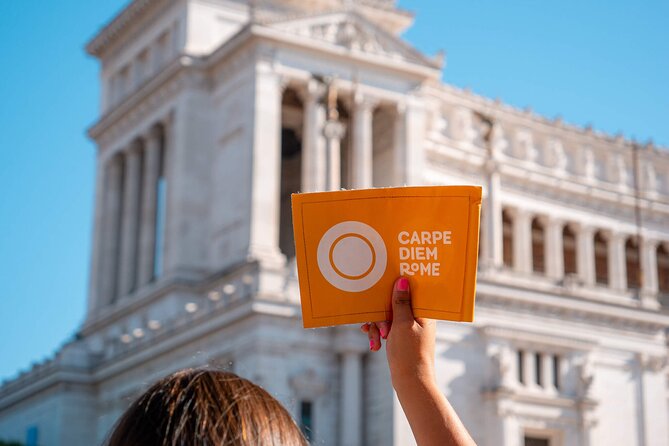
The tour ends in Piazza Navona, a great place to transition from “guided learning” to “you time.” The guide also shares recommendations for where to eat, what to see, and where to wander next—exactly what you want when you’re standing in Rome without a plan beyond the tour.
Piazza Navona is useful as a final stop for a reason: it’s not out in the suburbs. You end in a central, lively area where you can still keep moving after the tour without committing to another long transport step.
What I’d do in your shoes: after the tour, choose one short walk and one sit-down meal. Don’t try to do ten things right away. Your brain needs time to process the monuments you just learned, and your feet need rest before the next round.
Price and Value: Is $23 Worth It in Rome?
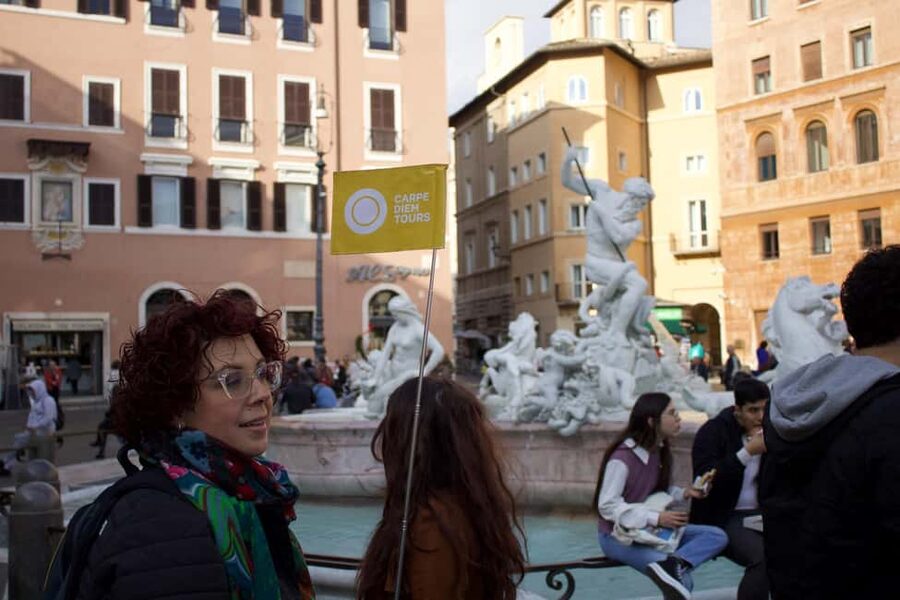
At $23 per person for a guided 2-hour walk, the price feels fair for what you get. You’re buying three things at once: navigation, context, and a guided route that connects the major stops without you plotting every turn. Rome is easy to get lost in, even if it looks straightforward on a map.
The tour also includes a local guide and happens in small or private group options. A smaller group usually means less waiting and more chances to ask questions. In feedback, guides like Domenica, Yousef, Dan, Sharon, and others are repeatedly praised for keeping people included and answering questions clearly, which is exactly what you want from a short tour.
One thing to remember: food and drinks aren’t included. That’s not a deal-breaker—it just means you should plan for your own snack or meal before the walk or after it ends in Piazza Navona.
Pacing, Group Size, and Crowd Reality
This is a walking tour, so the body part of the equation matters. Wear comfortable shoes and don’t assume you’ll get to sit often. The route is built for movement through piazzas and around major landmarks, and you’ll feel the city’s walking tempo whether it’s hot or mild.
On the crowd front, the best part is that many guides make a point of using side streets and avoiding the worst bottlenecks when possible. That kind of “route intelligence” makes a big difference in how you experience the same sights everyone else posts online.
If it’s warm, pay attention to shade and break moments. Feedback includes notes about guides being thoughtful during high-heat days and picking shaded spots, plus even small courtesies like a bathroom break. You won’t see those details on paper, but they can make or break a short tour.
Who This Tour Fits Best (and Who Might Want Something Else)
This tour works best if you want a focused intro to central Rome. If you’re juggling limited time, landing on day one, or planning a longer visit with other ticketed tours later, this guided overview helps you prioritize. It’s also a good fit if you don’t want to spend your afternoon building a route.
It may be less ideal if you’re looking for an in-depth museum-style experience or you want guaranteed entry into specific interiors. Pantheon is pass-by, and the overall structure stays “walk and learn” rather than “slow and linger inside.”
If you like stories, side streets, and getting practical suggestions from a guide, you’ll likely have a great time.
Should You Book This Pantheon to Trevi to Navona Walk?
I’d book it if you want maximum Rome context in minimum time. The route hits the big names, then adds off-the-main-track stops like Galleria Sciarra, and it ends where you can immediately cash in on your guide’s food and sightseeing suggestions.
Don’t book it if your dream day is mostly inside-ticket landmarks and long stops. This is a short walk with guided stops, not a multi-hour museum crawl. Also, be ready for walking and double-check which starting piazza matches your booking.
If you’re deciding between wandering alone and taking a guide for two hours, I’d choose the guided option. It’s one of the simplest ways to get your bearings fast and start your Rome days with your eyes open.
FAQ
FAQ
How long is the Rome walking tour?
It runs for 2 hours.
Where does the tour start?
Meeting point can vary depending on the option you book. Starting location options listed include Piazza d’Aracoeli and Piazza di Pasquino.
Where does the tour end?
The tour ends in Piazza Navona. Some drop-off options also list areas around the Colosseum/Colosseo area.
What monuments and areas are included?
The route includes stops or guided time at Piazza Venezia, Trajan’s Column, Trevi Fountain, Galleria Sciarra, Church of Sant’Ignazio di Loyola, and a pass-by of the Pantheon, with the finish in Piazza Navona.
Is there Pantheon entry included?
The Pantheon is listed as a pass-by stop, so entry is not indicated in the provided tour details.
What’s the price?
The price is $23 per person.
What’s included in the ticket price?
You get a guided walking tour with a local guide.
Are food and drinks included?
No. Food and drinks are not included.
What languages is the live guide available in?
English and Spanish.
What should I bring?
Bring comfortable shoes and comfortable clothes.
Is free cancellation available?
Yes, free cancellation is offered up to 24 hours in advance for a full refund.