REVIEW · REYKJAVIK
Reykjavik: Guided Folklore Walking Tour
Book on GetYourGuide →Operated by Your Friend In Reykjavik · Bookable on GetYourGuide
Reykjavik has a spooky side. This guided folklore walk turns city streets into sagas, with elves and trolls at the center of the story. It’s storytelling you can follow on foot, not something you read later on.
I love how the guide mixes famous myth with specific places, so the walk feels anchored in real Reykjavik. I also like the tone: lots of fun, with old graveyards and ghostly chapters that stay entertaining.
One drawback to plan for: a few stories can be scary for little kids, so it helps to choose your family group wisely or request a toned-down version.
In This Review
- Key Highlights You’ll Actually Care About
- Why This 1.5-Hour Folklore Walk Works in Reykjavik
- Meeting on Ingólfstorg Square: Get Your Bearings Fast
- Ingólfur Square to the Old Graveyards: Where Ghost Stories Earn Their Spooky Cred
- Cathedral of Christ the King: The Catholic Landmark That Adds a Twist
- Lake Tjörnin and Austurvöllur: The Myth-Faith-Weather Triangle
- The Stories: Elves, Trolls, Ghosts, Monsters, and Icelandic Magic
- Which Stops Are Best If You Want Spooky Moments
- How Scary Is It, Really? Families and Timing
- Price and Value: Is $51 Worth a 1.5-Hour Walk?
- What to Bring and How to Prepare
- Who Should Book This Tour (and Who Might Skip)
- Should You Book This Reykjavik Folklore Walking Tour?
- FAQ
- Where does the tour start?
- Where does the tour end?
- How long is the guided walk?
- What languages are available?
- Is the tour wheelchair accessible?
- Are the stories scary for children?
Key Highlights You’ll Actually Care About
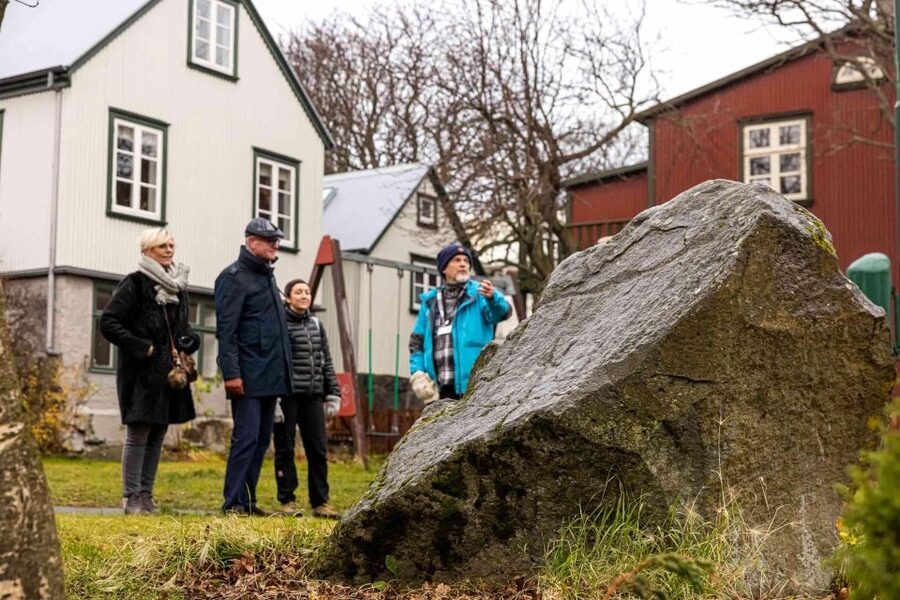
- Elfstone in the city center: you’ll see the kind of landmark myth claims protects the town
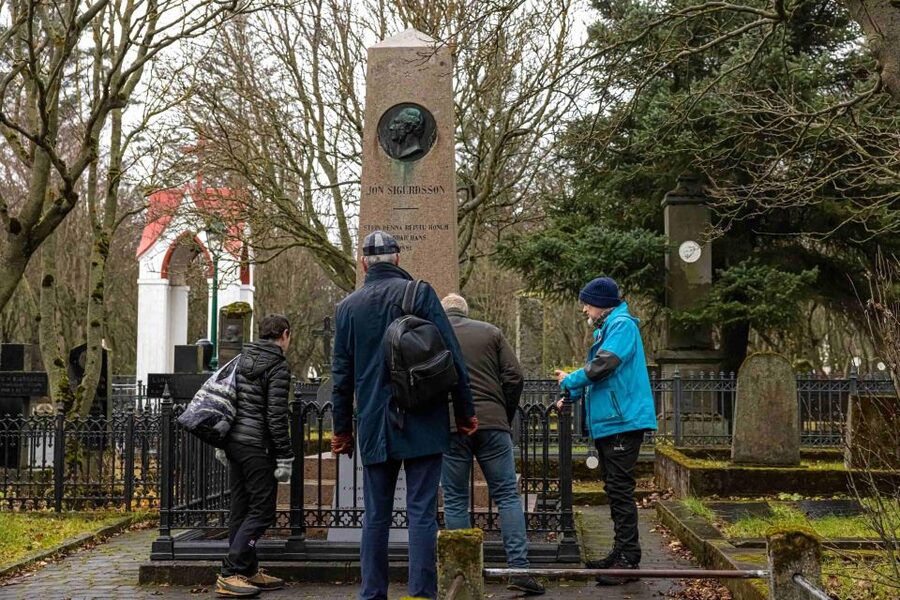
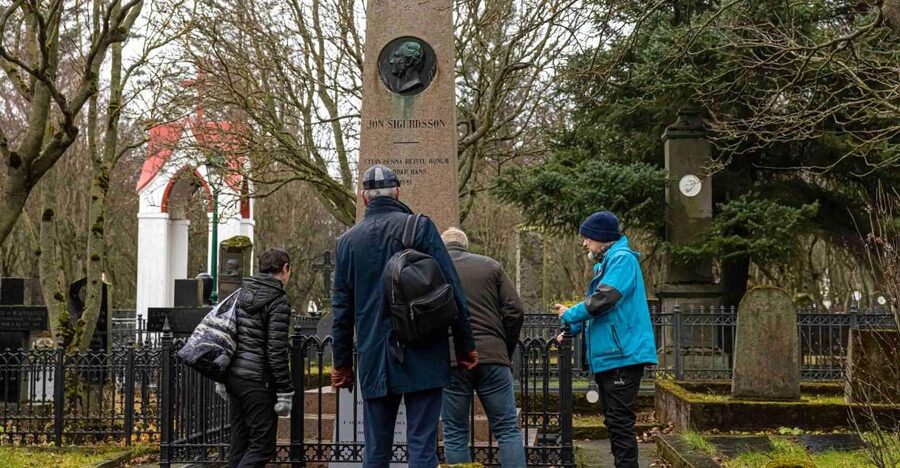
- Two of Reykjavik’s oldest graveyards: you get the spooky setting plus the reasoning behind it
- Christ the King Cathedral stop: an unexpected Catholic landmark in Iceland’s capital
- Lake Tjörnin and Austurvöllur: easy walking, big atmosphere, and strong storytelling backdrops
- Icelandic magic and runes: not just names, but an introduction to how people explained the unseen
- Guide performance: acting, physical comedy, singing, and even spells, depending on your guide
Why This 1.5-Hour Folklore Walk Works in Reykjavik
Reykjavik can feel modern at first glance. Then you notice the weird little seams: a strange stone treated like it matters, a graveyard tucked into the city, and a cathedral that reminds you Iceland has always been more connected than it looks.
This tour works because it’s short enough to keep momentum and long enough for the stories to land. You’re not stuck listening through a long lecture; you’re walking from one meaningful spot to the next while the guide turns local lore into something you can picture.
The core idea is simple: Icelandic sagas weren’t just entertainment. They were how people made sense of fear, weather, darkness, and the unknown. You’ll hear tales about hidden people and creatures, then watch the guide connect those ideas to what’s around you.
You can also read our reviews of more walking tours in Reykjavik

Meeting on Ingólfstorg Square: Get Your Bearings Fast
You meet on Ingólfstorg Square in Reykjavik’s city center. The guide waits by the two stone high seat pillars, so it’s easier than it sounds to find the start.
If you’re coming down the main shopping street Laugavegur, keep walking until you reach the square. This matters because on a storytelling walk, your timing matters: you want to be settled before the first tale begins.
Also, this start location is a practical advantage. You’re right where you can look up, scan streets, and orient yourself. After the tour, it’s easy to keep exploring without getting turned around.
Ingólfur Square to the Old Graveyards: Where Ghost Stories Earn Their Spooky Cred
One of the best parts of this walk is how it uses atmosphere on purpose. You start at Ingólfur Square and then move into older parts of the city’s spiritual landscape.
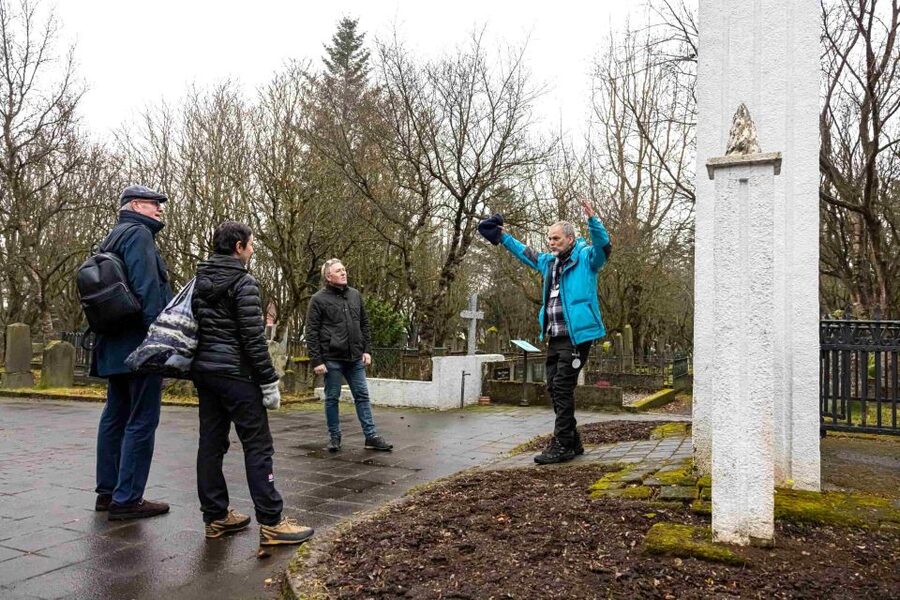
A key stop is Kirkjugarðurinn Suðurgötu, a graveyard setting that gives the tour its most Gothic mood. The highlight list also says you’ll visit two of Reykjavik’s oldest graveyards, so the pace isn’t just sightseeing for sightseeing’s sake. The guide is building a thread: death, memory, and fear explained through folklore.
If you’ve ever wondered why ghost stories spread so well in harsh places, Iceland gives you an answer. When life is shaped by dark winters and unpredictable conditions, people create narrative tools. The tour shows you how that plays out in local legend without turning it into a gimmick.
Is it purely scary? Not really. The best ghost moments are delivered with a mix of humor and story craft. In guides like Einar, people reported acting out scenes and using strong performance skills to bring the tale alive. That makes the spooky parts feel like theater, not jump scares.
Cathedral of Christ the King: The Catholic Landmark That Adds a Twist
Reykjavik’s major churches can look similar from a distance, so this stop adds a real change of pace. You’ll visit the Cathedral of Christ the King, and the tour frames it as a notable Catholic presence in Iceland.
Why that’s valuable: a folklore walk is also a culture walk. Icelandic stories didn’t grow in a vacuum. Religious traditions shaped how people interpreted the supernatural, and the guide uses that context to make the folklore feel less random.
Practically, this stop also offers a breather. You’ll get a chance to slow down, look around, and absorb a different kind of history compared to graveyard legends. Even if you’re not a cathedral person, the guide’s framing makes it matter.
Lake Tjörnin and Austurvöllur: The Myth-Faith-Weather Triangle
Next you move toward Lake Tjörnin, which is one of the easiest ways to spot how Reykjavik feels like a living town instead of a museum.
The tour uses Lake Tjörnin as more than a view stop. It’s a stage where the guide can shift the mood: from the graveyard’s quiet weight to the city’s daytime reality. It’s also an excellent setting for stories tied to spirits and unseen forces, because water and weather naturally fit the Icelandic imagination.
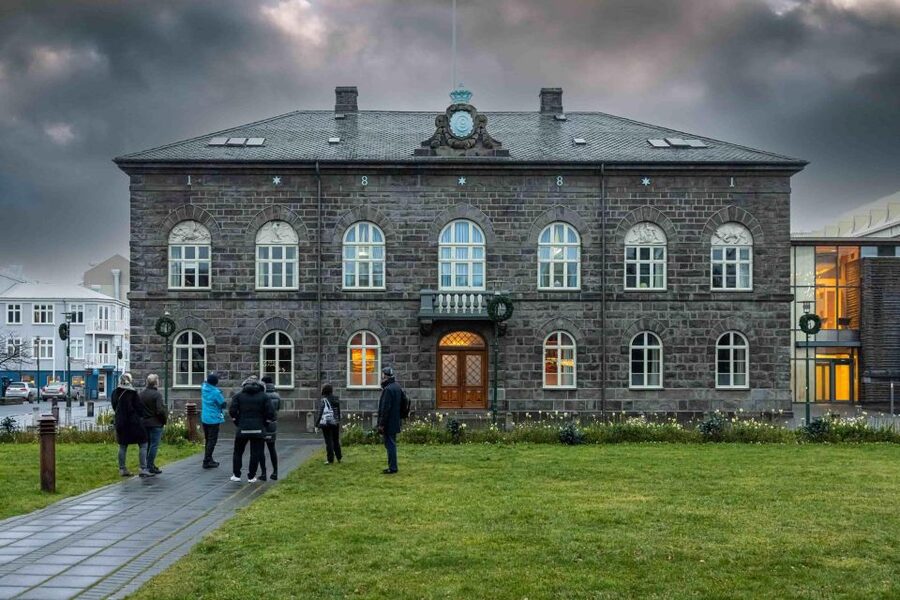
Then you finish at Austurvöllur, another central square with big public energy. You’ll get to wrap the walk in a spot that feels like it belongs to everyday Reykjavik life, not just lore. That contrast is part of what makes the tour satisfying: you leave with myth ideas still in your head, but you can also immediately see how they connect to modern streets.
You can also read our reviews of more guided tours in Reykjavik


The Stories: Elves, Trolls, Ghosts, Monsters, and Icelandic Magic
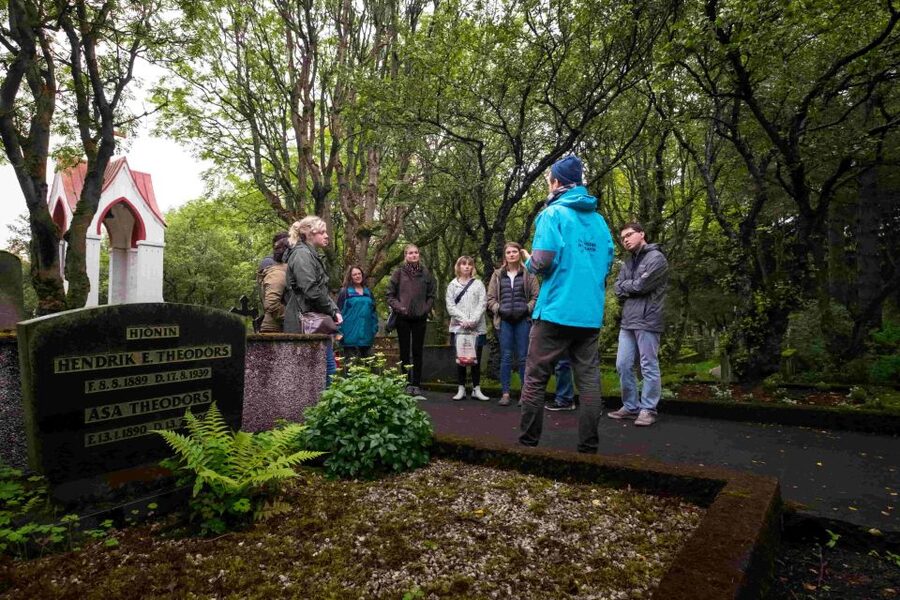
This tour’s main draw is the story lineup. The guide doesn’t just name creatures; you hear how Icelandic people explained them and why certain stories stuck.
You’ll get tales of Icelandic elves, trolls, and ghosts, including a mention of the Deacon of the dark river. You’ll also hear about monsters that are described as mostly aquatic, plus a string of Santa-related folklore that’s very much its own Icelandic thing.
One character that shows up is Grýla, the child-eating troll. Another theme is Icelandic magic: the guide introduces you to runes of old and the idea that spells and symbols helped people feel less powerless.
Two things I like about this approach:
- It gives you a map of imagination, so you understand what to look for later in Icelandic culture.
- It highlights parallels with other fantasy traditions. The tour notes that J.R.R. Tolkien was influenced by Norse mythology and Icelandic sagas, and the guide explains the fun similarities.
And yes, performance shows up. Based on guide-specific feedback, you might hear songs, see physical comedy, and even get interactive bits like a spell moment. People also noted a convincing video reference to the Loch Ness monster, which helps the tour play with the idea of famous myths from other places too.
Which Stops Are Best If You Want Spooky Moments
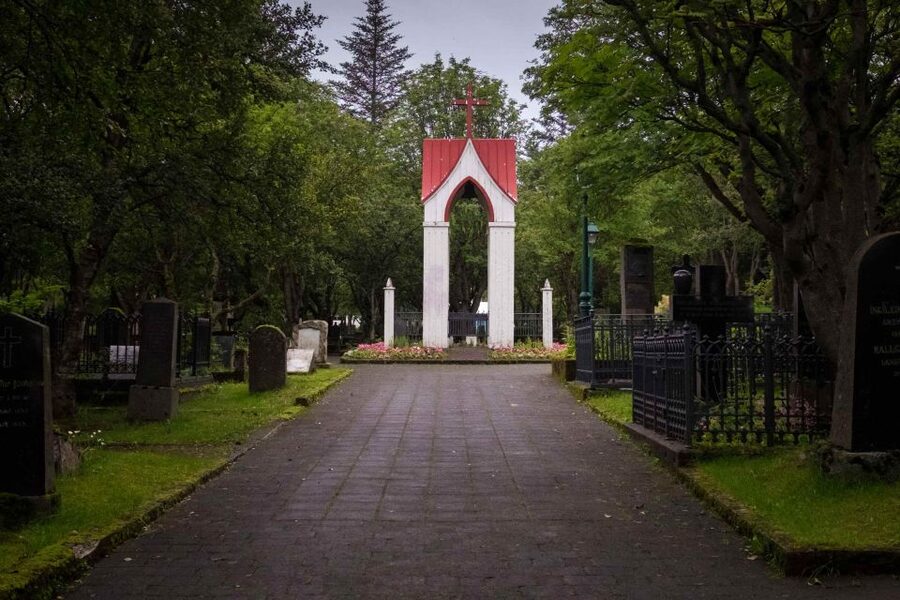
If your priority is the eerie side, you’ll want to pay extra attention around the graveyard section. The highlight list calls out old graveyards, and the ghost content seems to peak there.
That’s also where acting and vocal storytelling tend to shine. Several written accounts praised ghost segments as genuinely scary in a controlled, entertaining way, especially when delivered like a scene rather than a bedtime story.
If you prefer lighter myth, you can still enjoy the tour. The elf and elfstone parts bring in wonder without the same heaviness. You’ll also get humor woven through many stories, so even the darker characters aren’t treated as pure fear.
How Scary Is It, Really? Families and Timing
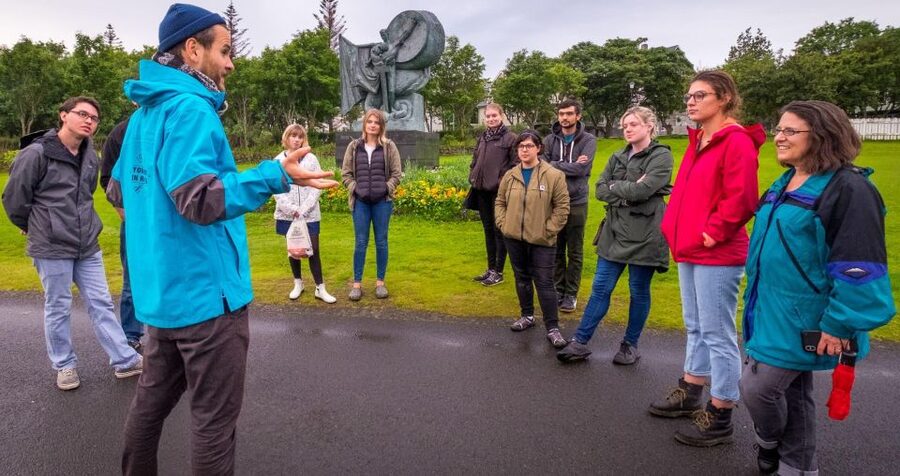
The operator clearly warns that some stories may be scary for younger children. You’re dealing with tales that include child-eating trolls and ghostly figures, so it’s not a soft version of folklore.
That said, there’s a practical workaround: the tour notes you can contact them about a private walk where they can dial the scariness down. If you’re traveling with kids, that’s an easy decision point. You’ll keep the magic while avoiding the parts that don’t land well for little ears.
For adults and older kids, the tone seems to work well. People describe it as entertaining and fun, with scary moments delivered as storytelling theater. If you like folklore, you’ll probably enjoy the mix of goosebumps and laughter.
Price and Value: Is $51 Worth a 1.5-Hour Walk?
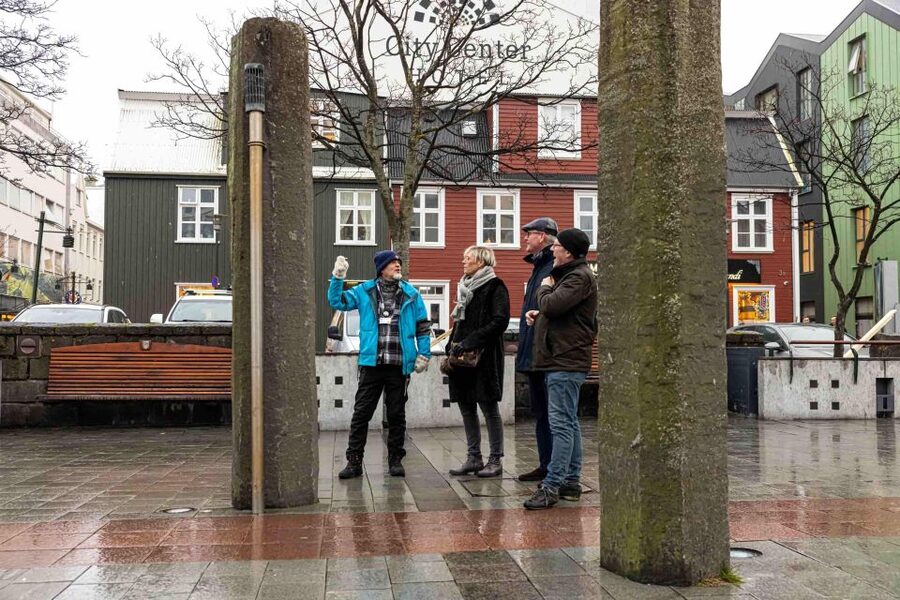
At $51 per person for about 1.5 hours, this isn’t a bargain price, but it also isn’t overpriced for what you get. The value comes from two things: a live guide who tells stories in a performative way, and a route that hits multiple iconic Reykjavik stops instead of looping around one neighborhood.
Think of it as a guided evening on foot that starts right in the city center and gives you context for Reykjavik’s myth-based culture. You’re paying for narrative labor and for the advantage of seeing places you might skip on your own.
Also, the guide’s languages include English, Spanish, and French, so you’re not limited to one language experience. That helps if you’re traveling with friends or family who want to follow every beat.
If you’re visiting Iceland for a short time, this kind of tour can also save time later. After you hear runes, elves, trolls, and saga themes explained, you’ll start noticing those ideas in museums, bookshops, and everyday conversations.
What to Bring and How to Prepare
Because Reykjavik weather can change fast, dress for it. You’ll want weather-appropriate clothing, plain and simple.
If rain or snow shows up, don’t assume the tour stops. One guide-specific note said the tour went on despite rain and snow and still stayed enjoyable. So pack layers and shoes you can walk in comfortably.
One more prep tip: go in with curiosity, not fear. The tour is built around folklore that Icelanders treated as meaningful. When you listen with that mindset, you’ll get more out of even the stranger creatures.
Who Should Book This Tour (and Who Might Skip)
This is a strong fit if you want:
- Icelandic folklore in a clear, story-first format
- A walking tour that includes graveyards, a major cathedral, and city squares
- A guide who uses performance style like acting, comedy, and songs
It might be less ideal if:
- You want only scenic Reykjavik and no spooky material at all
- You’re traveling with very young children who can’t handle darker tales
- You prefer museums or guided indoor attractions where you can avoid cold wind
For solo travelers, it’s also a good way to feel connected to the city quickly. The tour is designed to give context early, so the rest of your trip starts making more sense.
Should You Book This Reykjavik Folklore Walking Tour?
Yes, I’d book it if you’re the kind of traveler who likes meaning behind landmarks. This tour isn’t just walking from point A to point B. It gives you a framework for Icelandic imagination—elves, trolls, ghosts, monsters, and rune-based magic—and ties those ideas to specific Reykjavik places.
If you’re on the fence, the decision comes down to one question: can you handle occasional eerie stories? If the answer is yes, you’ll likely have a memorable night-of-stories feeling in the middle of a very normal city.
If the answer is no, you can still enjoy parts of it, but you should consider a private option that reduces the scary tone for kids.
FAQ
Where does the tour start?
The tour meets on Ingolfstorg Square in Reykjavik city center, by the two stone high seat pillars.
Where does the tour end?
The tour ends at Austurvöllur.
How long is the guided walk?
The duration is about 1.5 hours.
What languages are available?
The live guide offers English, Spanish, and French.
Is the tour wheelchair accessible?
Yes, the tour is wheelchair accessible.
Are the stories scary for children?
Some stories may be scary for younger children. A private walk can be requested where the scariness is dialed down.