REVIEW · TOKYO
Tokyo: Imperial Palace and Shogun Walking Tour
Book on GetYourGuide →Operated by Traveling Tokyo · Bookable on GetYourGuide
Power waits behind stone walls. This Tokyo Imperial Palace East Gardens tour helps you read Edo Castle’s defenses and the Tokugawa shogunate’s rules in real space, and I love how it brings the quieter side of the palace to the front with Ninomaru Garden and its koi ponds. If you get a guide like Tony or Blake, you’ll also hear history explained in a way that clicks fast.
I also like the practical “stand here, see this” approach at places like Ote-Mon Gate and the guardhouse and tower points along the route, where the massive stone work suddenly makes sense. One drawback to plan for: the whole walk is only about 2 hours, so it’s not the kind of tour where you can wander slowly or linger long in every spot.
In This Review
- Key things I’d plan around
- Why this Imperial Palace walk feels different from a checklist
- Price and value: $16 for a small, high-impact chunk of Tokyo
- Getting there: the Starbucks meeting point at Kokyo Gaien
- Ote-Mon Gate: where the tour starts turning space into story
- Tokyo Imperial Palace grounds: the Edo Castle connection in real scale
- Hyakunin Bansho Guardhouse: how protection becomes a lesson
- Fujimi-yagura: reading tower logic in your head
- East Gardens: moats, foundations, and the calm that has teeth
- Ninomaru Garden: koi ponds and the best kind of quiet
- The guides: why the explanations are the real upgrade
- Timing and pacing: what the 2 hours really means for you
- What to wear and bring for a palace walk
- Who this tour is perfect for (and who should think twice)
- Final call: should you book the Imperial Palace and Shogun walking tour?
- FAQ
- How long is the Tokyo Imperial Palace and Shogun Walking Tour?
- How much does the tour cost?
- Where is the meeting point?
- What language is the tour guide?
- What’s included in the price?
- Is the tour wheelchair accessible?
- Can I cancel and get a full refund?
- Are there multiple start times?
Key things I’d plan around

- Ninomaru Garden: koi-filled ponds and seasonal calm inside the palace grounds
- Edo Castle defenses in plain sight: you get help decoding moats, foundations, and stone walls
- Ote-Mon Gate: a big visual marker for how power moved and controlled access
- Guardhouse and tower views: Hyakunin Bansho and Fujimi-yagura add “how it worked” context
- Guides who answer questions: Tony, Izzy, Blake, Miguel, Jim, and others are repeatedly praised for clear explanations
Why this Imperial Palace walk feels different from a checklist
Tokyo’s Imperial Palace area can look like a postcard until you realize how little you’d understand without a guide. This tour fixes that. You’re not just looking at pretty paths and formal gates. You’re learning how the palace grounds relate to the Tokugawa shogunate’s Edo Castle—where the city’s political power was organized and protected.
What makes it work is the pacing and the focus. You move through a handful of named points, and each one gets translated into meaning: what it was for, why it mattered, and what changed as Japan shifted from feudal rule toward the modern era. Even if you’re not a big history reader, you’ll leave with a mental map of the site.
The best part for me is that the experience has contrast built in. You get defensive stone and gate logic, then you switch to still ponds in the palace gardens. That mix helps you understand why the ruling class invested in both security and calm—because control wasn’t only about walls. It was also about atmosphere, order, and daily ritual.
You can also read our reviews of more walking tours in Tokyo



Price and value: $16 for a small, high-impact chunk of Tokyo
At about $16 per person for roughly 2 hours, this is one of those deals that feels unfair once you compare it to typical guided experiences. You’re paying for a guide who can connect the dots between what you’re physically standing next to and the bigger story behind it.
That matters in this part of Tokyo, where signage and layout cues are often for visitors who already know what they’re looking at. Instead of spending your time guessing, you get a guided route through the East Gardens with built-in context. Many guides also share practical ideas for what to do next, which is handy on a first trip.
Is it the cheapest activity in Tokyo? No. But it’s strong value because it turns a complex, politically important site into something you can actually understand quickly. If you’re only going to spend a short window in the Imperial Palace grounds, this tour is a smart way to make that time count.
Getting there: the Starbucks meeting point at Kokyo Gaien

You’ll start at Starbucks Coffee at Kokyo Gaien Wadakura Fountain Park. Meeting in front of a major, easy-to-find landmark is a big deal in a city like Tokyo. You’re not hunting for a meeting pin or relying on sketchy instructions from a map app.
Practical tip: arrive a few minutes early and do a quick check that you have the tour start location correct. The coordinates are listed as 35.6830391, 139.7614181, which is useful if you’re using a navigation app and want to avoid last-minute stress.
Also, remember this is an outdoor walking experience. Comfortable shoes matter. Even a “short” walk adds up when you’re stopping often.
Ote-Mon Gate: where the tour starts turning space into story
The first stop on the route is the Ote-Mon Gate area, with about 10 minutes of guided time. Gates sound simple until you see what a gate actually does. It controls entry. It channels movement. It signals authority.
Your guide uses this point to set the framework for the rest of the walk. You’ll start hearing the Edo Castle connection and the idea that the palace grounds weren’t just decorative. They were part of a system—one that helped the shogunate maintain power.
If you’re the kind of traveler who likes a clear beginning, this works. You get orientation fast, and you’re less likely to feel lost later among stone features and garden paths.
Tokyo Imperial Palace grounds: the Edo Castle connection in real scale

Next comes a visit and guided walkthrough around the Tokyo Imperial Palace area (about 15 minutes). This part is where the tour can really change your perspective.
Without context, you might read the site as “the Imperial Palace, again.” With context, you start seeing the remnants and the logic behind them: the grounds that once corresponded to Edo Castle, and the way defensive planning shaped what you’re seeing today.
Expect your guide to explain the transition from the shogunate era into modern Japan, and how the palace’s role evolved over time. This is also a place where questions are common. People often wonder how the old and the new coexist here, and a good guide helps you connect that without drowning you in names and dates.



Hyakunin Bansho Guardhouse: how protection becomes a lesson
The Hyakunin Bansho Guardhouse is a short stop (about 10 minutes), but it’s chosen for a reason. Guardhouses are functional architecture, and your guide will help you understand why that function mattered.
You’ll get a clearer sense of how security worked around key grounds. Instead of treating the site like a static monument, you’re learning how daily access and protection might have been organized during the feudal period.
This stop also benefits people who like specifics. It gives you a named point tied to a role. That makes the palace grounds feel less like a general park and more like a working system from another era.
Fujimi-yagura: reading tower logic in your head

After the guardhouse, the route continues toward Fujimi-yagura (around 15 minutes). A yagura, in simple terms, is a watch-and-defense structure connected to larger castle planning. Seeing one in context helps you understand why towers weren’t random skyline decorations.
Here’s the practical value: your guide will point out what you should be looking at so you can connect tower placement to movement and visibility. You don’t have to be an architecture nerd. You just need a couple of clear explanations, and the site does the rest.
If you like tours that keep their feet on the ground, this section usually delivers. It helps you stop viewing the palace as only ceremonial and start reading it as controlled space.
East Gardens: moats, foundations, and the calm that has teeth
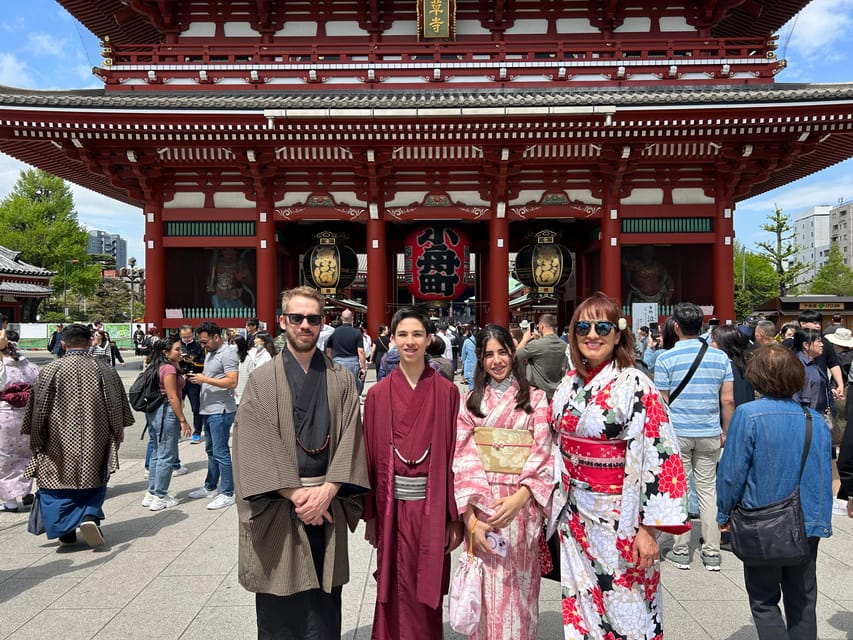
Now the walk opens up into Imperial Palace East Gardens (about 30 minutes). This is where the tour shifts from point-by-point landmarks to broader layout.
Your guide focuses on features like stone foundations and moats—the kinds of elements that can feel abstract until someone helps you “decode the massive stone walls.” Once you understand the defensive purpose, you notice the effort that went into building and maintaining this place.
At the same time, this part of the tour is meant to feel peaceful. You’re not sprinting through streets. You’re walking through a curated, quiet environment inside central Tokyo, which is a nice break if your day has been heavy on crowds.
You might also get short pauses built into the rhythm of the group, including a moment to sit. Some guides handle pacing with small practical breaks so you don’t feel rushed while still keeping the tour on schedule.
Ninomaru Garden: koi ponds and the best kind of quiet
The tour concludes with Ninomaru Garden (about 30 minutes). This is the emotional payoff.
This section is famous in the tour for one reason: koi swimming in tranquil ponds within the palace grounds. It’s a visual reset after stone and gate logic. Your guide will often tie the garden’s calm to the broader palace environment—how power existed alongside carefully managed peace.
Even if you don’t normally care about garden design, Ninomaru Garden is easy to appreciate because it’s sensory. You can slow down your walking pace. You can watch the water. You’re allowed to experience the space instead of only studying it.
If you’re visiting during a time when gardens are at their seasonal best, you’ll likely feel that “time slows down” effect even more. Seasonal beauty is part of the point here.
The guides: why the explanations are the real upgrade
The reviews around this tour keep returning to the same thing: the guides make the palace understandable.
If you get Tony, a common theme is connecting the shogunate story to how Tokyo feels today. That helps you stop treating history like a separate subject. It becomes a lens.
Izzy and Blake are repeatedly praised for making the account clear and engaging, with Blake noted for a fun, humorous style. Miguel gets credit for sharing lots of history and keeping the pace friendly. Jim Allen stands out in the feedback too, with a presentation that can keep even teens interested, plus small helpful touches when the weather turns.
The big takeaway for you: this tour is not just about seeing sites. It’s about getting the right mental framework fast. A strong guide helps you ask better questions in the moment, and that makes the time feel more valuable.
Timing and pacing: what the 2 hours really means for you
The entire experience is about 2 hours, split into guided segments throughout the route and gardens. That’s enough time to learn and see the key points without turning into a half-day commitment.
But it also means you should treat it like an efficient, guided circuit. If your dream is to wander freely for hours, you might feel slightly constrained by the planned timing. The solution is simple: after the tour, you can return on your own if you want extra time.
Also, plan your expectations for photos. You’ll likely take pictures during the stops, but this is a guided walk with narration. If you’re the type who stops to shoot long photo sequences, you may need to be flexible.
What to wear and bring for a palace walk
You’ll be walking outdoors for the full stretch between stops, including the East Gardens and Ninomaru Garden. Keep it simple:
- Wear comfortable shoes you can stand and walk in for two hours.
- Bring a light layer if weather changes.
- Have water on hand if you tend to get thirsty quickly.
Some guides build in quick reset moments, and you may pass places where a drink is available, but don’t rely on that. Tokyo is well supplied, yet your tour timeline stays focused.
Who this tour is perfect for (and who should think twice)
This tour fits best if you’re:
- Seeing Tokyo for the first time and want a fast, clear orientation
- Interested in how the Tokugawa shogunate connects to modern Japan
- Want a guided walk that explains what defensive walls and gates are telling you
- Prefer smaller, focused sightseeing over long transit and loose wandering
You might think twice if:
- You want a lot of unstructured time inside the palace gardens without a guide guiding your steps
- You’re hoping to explore major buildings in a slow, in-depth way (this walk is about specific areas and explanation, not a full day of deep exploration)
Final call: should you book the Imperial Palace and Shogun walking tour?
I’d book it if you’re the kind of visitor who likes to understand what you’re seeing, not just take photos. The value is strong for the price, the stops are well-chosen, and the standout benefit is how consistently guides turn confusing spaces into a clear story—often with names like Tony, Izzy, Blake, Miguel, and Jim Allen showing up in the best-rated experiences.
If your schedule is tight and you want one Imperial Palace-focused activity that gives you context quickly, this is a smart pick. You’ll leave with the palace grounds feeling legible: gates, guard points, stonework, moats, and then koi ponds that make the whole place feel human-scale.
FAQ
How long is the Tokyo Imperial Palace and Shogun Walking Tour?
The tour duration is 2 hours.
How much does the tour cost?
It costs $16 per person.
Where is the meeting point?
You meet in front of Starbucks Coffee – Kokyo Gaien Wadakura Fountain Park (35.6830391, 139.7614181).
What language is the tour guide?
The tour is guided in English.
What’s included in the price?
Included items are an English speaking guide and a guided walking tour of the east gardens.
Is the tour wheelchair accessible?
Yes, it is listed as wheelchair accessible.
Can I cancel and get a full refund?
Yes. Free cancellation is available up to 24 hours in advance for a full refund.
Are there multiple start times?
You can check availability to see starting times.